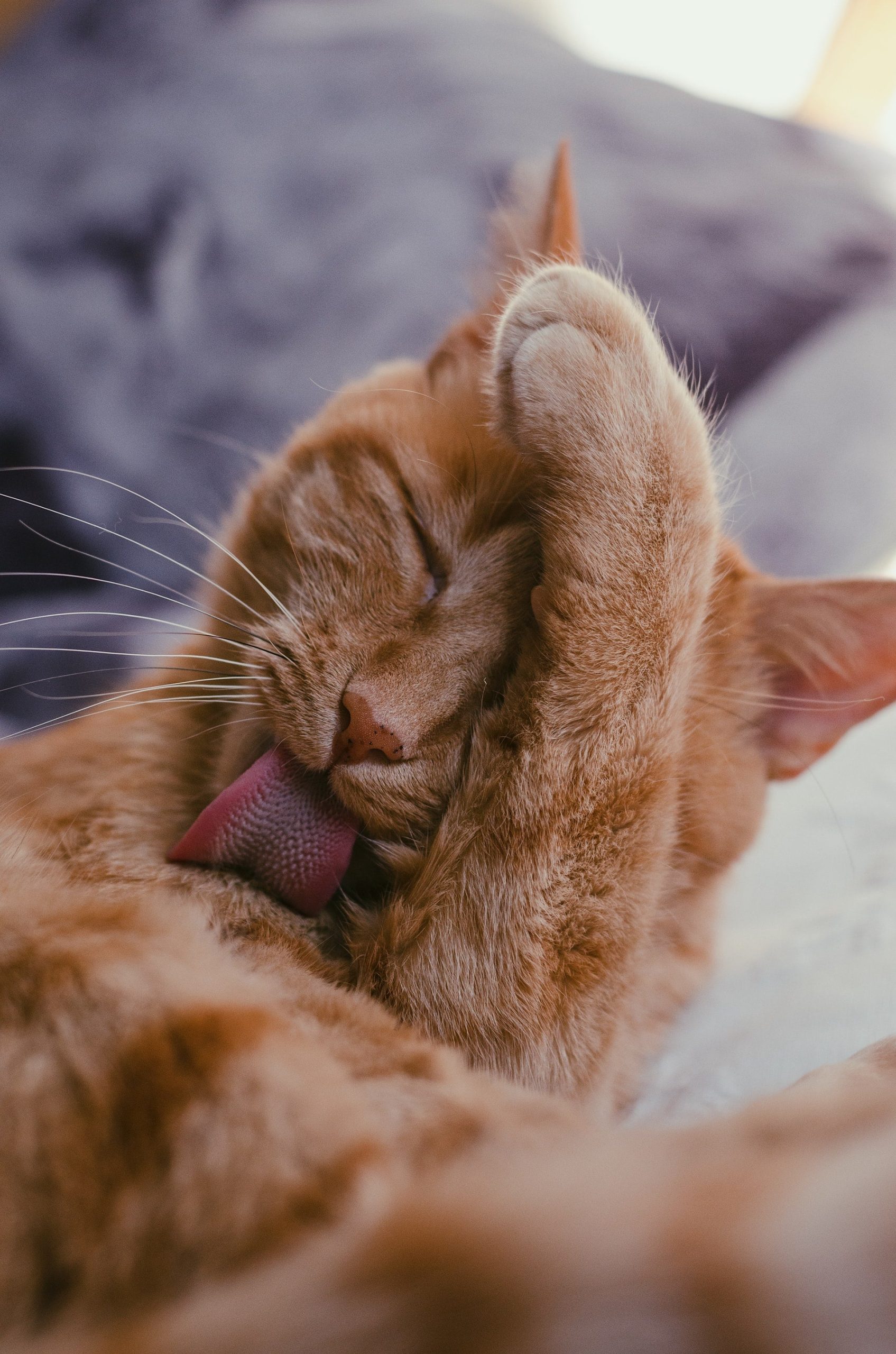
Does your cat struggle with grooming or leave you constantly cleaning up fur? Teaching your cat to groom itself properly can save you time and keep your furry friend healthier and happier.
You might think cats naturally know how to groom, but some need a little guidance to develop good habits. You’ll discover simple, effective steps to encourage your cat to take care of its own coat. By the end, you’ll have the tools to help your cat look and feel its best—with less effort from you.
Keep reading to learn how to make grooming a natural part of your cat’s routine.
Benefits Of Self-grooming
Teaching a cat to groom itself brings many benefits for both the cat and the owner. Self-grooming helps keep the cat clean and healthy. It reduces the risk of skin problems and removes dirt and loose fur. Cats that groom themselves often feel more comfortable and relaxed. This natural behavior also helps cats bond with their environment and feel safe.
Improved Hygiene And Health
Self-grooming allows cats to clean hard-to-reach areas. It removes dirt, debris, and parasites like fleas. Grooming also distributes natural oils across the fur. These oils keep the coat shiny and waterproof. Regular grooming prevents skin infections and matting of fur.
Reduces Stress And Anxiety
Grooming calms cats and lowers stress levels. It acts as a soothing activity during times of change. Cats that groom themselves are less likely to develop anxiety. The act of licking releases feel-good hormones. This helps cats stay emotionally balanced.
Prevents Hairballs
Self-grooming helps control shedding by removing loose fur. It reduces the amount of hair swallowed during licking. This lowers the chance of hairball formation in the stomach. Cats that groom regularly have fewer digestive issues related to hair.
Promotes Natural Behavior
Grooming is an instinctive habit in cats. Teaching this skill supports their natural lifestyle. It encourages independence and self-care. Cats feel more confident when they can groom themselves. This behavior helps maintain their overall well-being.
Signs Your Cat Needs Grooming Help
Recognizing when your cat needs grooming help can save you from stressful situations and keep your feline friend happy and healthy. Cats usually groom themselves well, but sometimes they miss spots or struggle with certain areas. Knowing the signs to watch for will help you step in at the right time and provide the care your cat needs.
Changes In Fur Texture Or Appearance
If your cat’s fur looks dull, matted, or greasy, it’s a clear sign they might need some grooming assistance. Cats who can’t reach certain areas often develop tangles or clumps of fur. You might notice patches of fur that are uneven or falling out more than usual.
Excessive Shedding Or Hairballs
Shedding is normal, but if you find more hair than usual on your furniture or in your cat’s food bowl, your cat may be struggling to groom effectively. Hairballs that become frequent or severe can indicate that your cat isn’t cleaning themselves properly. Have you noticed your cat coughing or gagging more often?
Unpleasant Odor Or Dirty Paws
A cat that grooms well usually smells clean. If you catch an unusual odor or see dirt stuck on their paws or fur, it could mean they’re not grooming enough. Sometimes pain or arthritis makes it hard for cats to reach certain areas, leading to a build-up of dirt or oils.
Scratching Or Skin Irritation
Frequent scratching or signs of irritated skin can mean your cat’s grooming isn’t managing their coat and skin health properly. You might see redness, sores, or flaky skin. These are signals that your cat needs help keeping their fur clean and healthy.
Behavioral Changes And Grooming Avoidance
Has your cat suddenly stopped grooming or seems less interested in their usual cleaning routine? This behavior change can suggest discomfort or health issues. Sometimes, older cats or those with health problems need your help to stay clean and comfortable.
Choosing The Right Grooming Tools
Choosing the right grooming tools is essential to help your cat learn to groom itself effectively. The tools you pick can make the grooming process easier and more enjoyable for both you and your pet. Selecting items that match your cat’s coat type and temperament will encourage better self-care habits.
Understanding Your Cat’s Coat Type
Different cats have different coat textures and lengths. Long-haired cats benefit from wide-toothed combs that gently detangle fur without pulling. Short-haired cats usually do well with rubber brushes that remove loose hair while massaging the skin.
Have you noticed how your cat reacts to different brushes? Observing this can guide you to the best tool choice.
Essential Grooming Tools To Have
- Brushes:Slicker brushes and bristle brushes serve different purposes; slicker brushes remove mats, while bristle brushes smooth the coat.
- Combs:Metal combs with both wide and narrow teeth help with detangling and removing debris.
- Nail Clippers:Keeping nails trimmed prevents scratching during grooming sessions.
- Grooming Gloves:These can be a gentle way to remove loose fur while petting your cat.
Choosing a mix of these tools can cover all grooming needs without overwhelming your cat.
Choosing Safe And Comfortable Tools
Safety should never be overlooked. Avoid tools with sharp edges or rough bristles that might hurt your cat’s sensitive skin. Soft, flexible brushes usually win your cat’s trust more quickly.
Think about how your cat likes to be touched—do they enjoy firm pressure or gentle strokes? Matching the tool’s feel to their preference can encourage your cat to groom more willingly.
Credit: pethelpful.com
Building A Grooming Routine
Building a grooming routine helps your cat learn good habits. Cats feel safe with regular activities. A steady routine encourages your cat to groom itself more often. It also strengthens your bond and reduces stress. Focus on simple steps to make grooming a natural part of your cat’s day.
Setting A Schedule
Pick a time that suits both you and your cat. Cats like consistency, so keep grooming sessions at the same time daily. Short sessions work best, about 5 to 10 minutes. Watch your cat’s mood to find the ideal time. Avoid times when your cat is very active or sleepy.
Use reminders to keep the schedule. A regular routine builds trust and helps your cat relax. Over time, your cat will expect and enjoy grooming moments.
Creating A Calm Environment
Choose a quiet, comfortable spot for grooming. Loud noises or distractions can make your cat nervous. Use soft lighting and gentle sounds. Make sure the place feels safe and warm.
Keep grooming tools nearby to avoid interruptions. Speak softly and move slowly to keep your cat calm. A peaceful environment helps your cat stay focused on grooming itself.
Encouraging Grooming Behavior
Encouraging grooming behavior in cats helps them stay clean and healthy. Cats naturally groom themselves, but some may need a little push. Patience and gentle guidance work best. Positive experiences make cats more willing to groom regularly.
Using Positive Reinforcement
Reward your cat for grooming efforts with treats or praise. This creates a good connection between grooming and happiness. Give rewards immediately after you see grooming actions. Use soft voices and gentle petting as additional rewards.
Keep training sessions short to avoid stress. Frequent, small rewards motivate cats better than rare big ones.
Modeling Grooming Actions
Show your cat how grooming works by gently stroking its fur. Use a soft brush or your hand to mimic licking motions. This helps cats understand the feeling of grooming.
Spend quiet time together while you brush or pet your cat. This builds trust and encourages self-grooming. Let your cat explore grooming tools at its own pace.
Handling Common Grooming Challenges
Handling common grooming challenges is essential for helping your cat stay clean and comfortable. Cats are naturally good groomers, but sometimes they encounter issues that prevent them from maintaining a healthy coat. By recognizing these challenges early, you can guide your cat toward better grooming habits and prevent discomfort or health problems.
Dealing With Matting
Matted fur can be painful and cause skin irritation for your cat. If you notice tangles or clumps forming, act quickly to prevent mats from worsening. Use a wide-tooth comb or a special dematting tool to gently work through the knots.
Be patient and avoid pulling hard, which can scare your cat or hurt its skin. If mats are too tight or near sensitive areas, seek help from a professional groomer or vet. Regular brushing, especially for long-haired cats, can reduce the chance of matting before it starts.
Addressing Overgrooming
Overgrooming can indicate stress, allergies, or other health problems. Watch for excessive licking, biting, or hair loss, and try to identify what might be causing your cat’s behavior. Sometimes, simple changes like reducing household stress or switching to a hypoallergenic diet can help.
If overgrooming continues, consult your vet to rule out skin infections or parasites. You might also need to distract your cat with new toys or increased playtime to reduce anxiety. How often do you check in on your cat’s grooming habits to catch signs like this early?
When To Seek Veterinary Advice
Seek veterinary advice if your cat struggles with grooming. Signs like matted fur or excessive dirt may indicate health issues. Early intervention can prevent bigger problems.
Teaching your cat to groom itself is a rewarding journey, but there are times when you might need to seek veterinary advice. Recognizing when your cat’s grooming habits are not normal can save you from bigger health issues. If your cat is showing unusual behavior, it’s important to know when to consult a professional.Persistent Skin Issues
If your cat’s skin appears flaky, red, or irritated despite regular grooming, it could indicate a deeper problem. A visit to the vet can help determine if there’s an underlying condition like allergies or a skin infection. It’s better to act sooner rather than later.Excessive Grooming
Cats are naturally clean animals, but excessive grooming can be a sign of stress or health issues. If your cat is grooming so much that it’s losing fur or creating bald spots, it’s time to seek advice. This behavior can sometimes indicate anxiety or a medical condition that needs attention.Changes In Grooming Habits
A sudden change in your cat’s grooming routine can be a red flag. If your previously meticulous cat suddenly stops grooming, it might be experiencing pain or discomfort. This change could be linked to dental problems, arthritis, or even obesity.Unusual Lumps Or Bumps
While grooming your cat, you might notice lumps or bumps under the skin. These could be benign, but it’s crucial to have them evaluated by a vet. Catching potential health issues early can make a significant difference.Unpleasant Odor
A strong, unpleasant smell coming from your cat is not normal and could be a sign of an infection or dental disease. If regular grooming isn’t resolving the issue, a professional evaluation is necessary. Your vet can provide the appropriate treatment to address the underlying cause. Remember, your cat’s health and happiness are paramount. Wouldn’t you want to ensure they live their best life? By knowing when to seek veterinary advice, you can be proactive in maintaining your feline friend’s well-being.
Credit: paw-swing.com

Credit: paw-swing.com
Frequently Asked Questions
How Can I Encourage My Cat To Groom Itself?
Provide a calm environment and gently guide your cat using positive reinforcement. Reward grooming behaviors with treats and affection to encourage regular self-grooming habits.
Why Is Self-grooming Important For Cats?
Self-grooming keeps cats clean, controls shedding, and helps regulate body temperature. It also reduces stress and strengthens their natural instincts.
What Tools Help Teach Cats To Groom Better?
Use soft brushes and grooming gloves to familiarize cats with the sensation. Regular gentle brushing encourages cats to mimic grooming behaviors on their own.
How Long Does It Take To Teach A Cat Grooming?
Teaching a cat to groom can take several weeks. Consistency, patience, and positive reinforcement are key for successful training.
Conclusion
Teaching a cat to groom itself takes time and patience. Start with small steps and gentle guidance. Praise your cat for any progress made. Keep grooming sessions short and positive. Avoid forcing your cat to groom. Over time, your cat will learn to clean itself better.
A well-groomed cat stays healthier and happier. Regular help from you supports their grooming habits. Enjoy the bonding moments during this process. Your cat’s comfort and trust matter most. Consistency and kindness lead to the best results.




Leave a Reply