Are your cat toys scattered all over the house, making your space look messy and chaotic? You’re not alone.
Finding a simple and stylish way to store those toys can save you time and keep your home tidy. Imagine having a neat, easy-to-access spot where all your kitty’s favorite playthings live. In this post, you’ll discover smart and creative ideas inspired by Pinterest that make storing cat toys a breeze.
Ready to transform your clutter into calm? Let’s dive in and make your cat’s play area both fun and organized.

Credit: catit.ca
Choosing The Right Storage
Choosing the right storage for your cat toys can make a big difference in keeping your home tidy and your furry friend entertained. The right container helps you organize toys efficiently, making it easy to find the perfect one at playtime. It also protects the toys from damage and keeps them clean, so your cat stays happy and healthy.
Types Of Storage Containers
You have many options to store cat toys, from bins to baskets to boxes. Open baskets let your cat easily pick out toys but may look messy if overfilled.
Closed containers, like lidded plastic boxes, keep toys dust-free and hidden from sight, which is great if you want a neat room.
Consider stackable containers if you have multiple cats or a large collection. They save floor space and separate toys by type or cat.
Materials That Work Best
Plastic containers are popular because they are durable and easy to clean. They resist moisture and won’t absorb odors.
Wicker baskets add a natural look and breathe well, but they may not last if your cat chews on them.
Fabric bins are lightweight and stylish, but they can get dirty quickly and may not hold up to rough play.
Think about your cat’s habits. Does it like to chew or claw? This will help you pick a material that lasts.
Size And Space Considerations
Choose a storage size that fits your toy collection with some room to grow. Too small, and you’ll constantly struggle to close the container.
Think about where you’ll keep the storage. Will it fit under furniture, on a shelf, or in a closet?
Measure your available space before buying. A bulky container might look out of place or get in the way.
Ask yourself: How often do you rotate toys? If often, easy access is key—choose a size and style that lets you grab toys quickly.
Creative Storage Ideas
Creative storage ideas for cat toys help keep your space tidy and fun. They make toys easy to find and put away. Using simple items around the house or making your own storage can save money. Decorative baskets and boxes add style while organizing toys. These ideas fit any home and keep your cat’s playthings neat.
Repurposing Household Items
Old jars, shoe boxes, and muffin tins can hold small cat toys. Use a hanging shoe organizer to store many toys in one place. An unused drawer can become a toy station by adding dividers. Repurposing items reduces waste and gives new life to things you already have. It’s a clever way to organize without buying new products.
Diy Storage Solutions
Create simple storage with wood crates or pallets. Paint and decorate them to match your room. Attach hooks to a board for hanging feather toys and strings. Use mason jars with lids to store balls and small toys. DIY projects let you customize size and style exactly how you want. They are fun to make and very practical.
Using Decorative Baskets And Boxes
Choose baskets that match your home’s style to store cat toys. Woven baskets offer breathability and easy access. Stackable boxes save floor space and keep toys sorted by type. Label boxes for quick finding and returning toys. Decorative storage blends with your decor while keeping toys organized and out of sight.
Organizing By Toy Type
Organizing your cat toys by type makes it easier to find the perfect plaything whenever your furry friend is in the mood for fun. Sorting toys based on their material, size, and function helps keep things tidy and accessible. This approach also extends the life of the toys by storing them in ways suited to their specific characteristics.
Separating Soft And Hard Toys
Soft toys like plush mice or fabric balls can get squished or dirty if mixed with harder toys. Store them in a breathable fabric bin or basket to keep them fluffy and fresh. Hard toys such as rubber balls or plastic mice benefit from a sturdy container that prevents them from getting lost or damaged.
Have you noticed your cat prefers soft toys for cuddling but hard toys for chasing? Keeping these categories separate lets you grab the right type quickly, matching your cat’s mood with ease.
Storing Small Vs. Large Toys
Small toys, like tiny balls or feather wands, often get lost in the clutter. Use small compartments or drawer organizers to keep them visible and easy to reach. Large toys, such as scratching posts or oversized plushies, need a dedicated space where they won’t be crushed or cause a mess.
Think about how often you lose small toys behind furniture. Would a clear container with sections help you keep track better? Organizing by size avoids frustration and keeps playtime hassle-free.
Keeping Interactive Toys Accessible
Interactive toys, like treat-dispensing balls or puzzle feeders, should be stored where you can quickly grab them for training or play sessions. A shelf or open basket near your cat’s favorite hangout spot works well. This encourages regular engagement and mental stimulation for your cat.
Have you tried keeping interactive toys out of sight only to forget they exist? Keeping them visible and accessible reminds you to use them, making playtime more frequent and fun for both of you.
Space-saving Hacks
Saving space is key when storing cat toys, especially in small homes. Clever storage keeps toys organized and easy to find. It also reduces clutter, making your space look tidy and neat.
Using smart space-saving hacks helps you keep all toys in one spot. This way, you avoid losing them under furniture or in random corners.
Vertical Storage Options
Use wall-mounted racks or hanging organizers to store toys vertically. This saves floor space and keeps toys visible. Pegboards with hooks also work well for hanging small toys.
- Install shelves on empty walls for baskets or boxes.
- Use hanging mesh bags for lightweight toys.
- Magnetic strips can hold metallic toy parts.
Multi-functional Furniture
Choose furniture that doubles as storage. Ottomans or benches with hidden compartments hold toys inside. Coffee tables with drawers also keep toys out of sight.
- Look for storage cubes with lids for easy access.
- Use side tables with shelves to stack toy bins.
- Consider pet-friendly furniture with built-in toy storage.
Under-furniture Storage Tips
Use the space under sofas, beds, or chairs wisely. Flat storage boxes fit well in these low-clearance areas. Label boxes to know what’s inside without opening them.
- Choose rolling bins for easy access under furniture.
- Use shallow trays to keep small toys organized.
- Clear containers help quickly find the right toy.
Maintaining Toy Storage
Organize cat toys in clear containers to find them easily. Use small baskets or jars to keep toys neat and visible. Pinterest offers many simple ideas for tidy, stylish storage solutions.
Maintaining Toy Storage Keeping your cat’s toys organized and accessible is crucial for both your sanity and your feline friend’s happiness. A clutter-free space not only ensures your home looks tidy but also makes playtime more enjoyable for your pet. By maintaining an efficient toy storage system, you can extend the life of the toys and keep your cat engaged and healthy.Regular Cleaning Routines
Regular cleaning of your cat’s toys is essential to maintain hygiene and prolong their lifespan. Set a schedule to wash fabric toys and wipe down plastic ones. This prevents the buildup of germs and keeps the toys fresh and inviting for your kitty. Consider using natural cleaning solutions to avoid any harmful chemicals. A simple vinegar and water solution can work wonders. Always ensure the toys are completely dry before returning them to storage.Rotating Toys For Interest
Cats, much like humans, can get bored with the same old toys. Keep their interest piqued by rotating their toys every couple of weeks. This not only keeps playtime exciting but also helps you identify which toys they love the most. Store a portion of the toys out of sight and bring them back into rotation periodically. You might find that your cat is suddenly obsessed with a toy they ignored before. This approach keeps their environment stimulating and enriches their daily routine.Easy Access For Playtime
Ensure that toy storage is easily accessible for both you and your cat. Choose storage solutions that allow for quick grabs during spontaneous play sessions. Open baskets or low shelves can make this process seamless. Having toys readily available encourages more frequent interaction with your cat. It also makes it easier to tidy up after playtime. Ask yourself: is your current setup encouraging play and ease, or creating obstacles?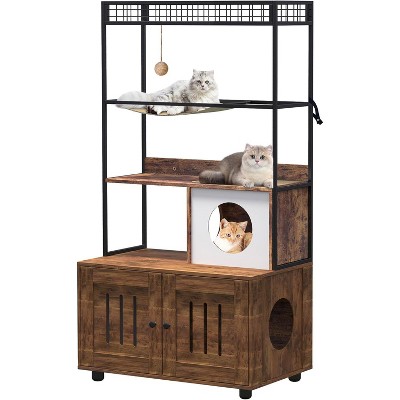
Credit: www.target.com

Credit: www.goodlifebean.com
Frequently Asked Questions
How Can I Organize Cat Toys Using Pinterest Ideas?
Pinterest offers creative storage solutions like labeled baskets, wall-mounted racks, and clear containers to keep cat toys tidy and accessible.
What Are The Best Storage Containers For Cat Toys?
Plastic bins with compartments, mesh bags, and small baskets are ideal for sorting and storing cat toys efficiently.
How To Keep Cat Toys Clean And Organized?
Regularly wash toys, store them in ventilated containers, and use designated boxes to maintain cleanliness and order.
Can I Use Diy Projects From Pinterest For Toy Storage?
Yes, Pinterest has many DIY tutorials for customized shelves, hanging organizers, and repurposed jars perfect for cat toy storage.
Conclusion
Storing cat toys neatly keeps your home tidy and safe. Use boxes, baskets, or small containers to organize toys well. Keep toys in a dry place to avoid damage. Rotate toys often to keep your cat interested and happy. Simple storage ideas help save space and time.
A little effort makes playtime fun and clutter-free. Try these tips and enjoy a clean, playful home.




Leave a Reply