Your cat’s smile says a lot about their health. But did you know that many cats suffer silently from dental problems?
If you want to keep your furry friend happy and pain-free, taking care of their dental health is key. You’ll discover simple and effective ways to protect your cat’s teeth and gums. Keep reading to learn how small steps can make a big difference in your cat’s well-being—and help you avoid costly vet visits down the road.
Importance Of Cat Dental Care
Taking care of your cat’s dental health is more than just a routine chore—it’s a vital part of keeping your feline friend happy and healthy. Many cat owners overlook dental care, but neglecting it can lead to serious problems that affect your cat’s overall well-being. Understanding why dental care matters will help you stay committed to protecting your pet’s smile and health.
Effects Of Poor Dental Health
Poor dental health in cats can cause more than just bad breath. It often leads to painful gum diseases like gingivitis and periodontitis, which can make eating uncomfortable or even painful for your cat.
Untreated dental problems can also let harmful bacteria enter your cat’s bloodstream. This can affect vital organs such as the heart, liver, and kidneys, putting your cat’s life at risk. Have you noticed your cat avoiding food or pawing at their mouth? These signs might indicate dental issues that need attention.
Benefits Of Regular Dental Maintenance
Regular dental care helps prevent plaque and tartar buildup, which are the main causes of dental diseases. Brushing your cat’s teeth or providing dental treats can keep their mouth clean and fresh.
Maintaining your cat’s dental health improves their comfort and quality of life. Cats with healthy teeth tend to eat better and stay more active. Plus, regular vet check-ups for dental care allow early detection of potential problems, saving you money and stress in the long run.
- Fresh breath that makes cuddling more enjoyable
- Reduced risk of painful infections
- Better overall health and longer lifespan
What small step can you take today to protect your cat’s teeth and keep their purrs strong?
Recognizing Dental Problems
Recognizing dental problems in your cat early can save them from pain and serious health issues. Cats are masters at hiding discomfort, so you need to be observant. Understanding the common signs and knowing when to get professional help is crucial for keeping your cat’s mouth healthy.
Common Signs Of Dental Issues
Look for these signs that might indicate your cat is struggling with dental problems:
- Bad breath:A persistent foul odor is often the first sign of dental disease.
- Difficulty eating:If your cat drops food, chews on one side, or seems reluctant to eat, dental pain could be the cause.
- Excessive drooling:While some drooling is normal, a sudden increase can signal mouth discomfort.
- Red or swollen gums:Gums that look inflamed or bleed easily when touched are a warning sign.
- Pawing at the mouth:Cats may try to relieve discomfort by rubbing their face with their paws.
Have you noticed your cat acting differently around mealtime? That’s often the first clue something isn’t right.
When To See A Veterinarian
Dental issues can worsen quickly, so don’t wait if you notice any signs. Schedule a vet visit if your cat shows:
- Persistent bad breath lasting more than a few days
- Visible tartar buildup or loose teeth
- Signs of pain like drooling or pawing at the mouth
- Weight loss or reluctance to eat
Even if your cat seems okay, a vet checkup for dental health during regular visits can catch problems before they become serious. Early treatment often means less discomfort and fewer costly procedures.
Have you checked your cat’s mouth today? It’s easier than you think, and your cat will thank you for it.
Daily Dental Care Routine
Ensuring your cat’s dental health isn’t just about preventing bad breath; it’s crucial for their overall well-being. A daily dental care routine can help you ward off serious health issues down the line. By integrating simple habits into your everyday schedule, you can keep your cat’s teeth healthy and strong.
Brushing Your Cat’s Teeth
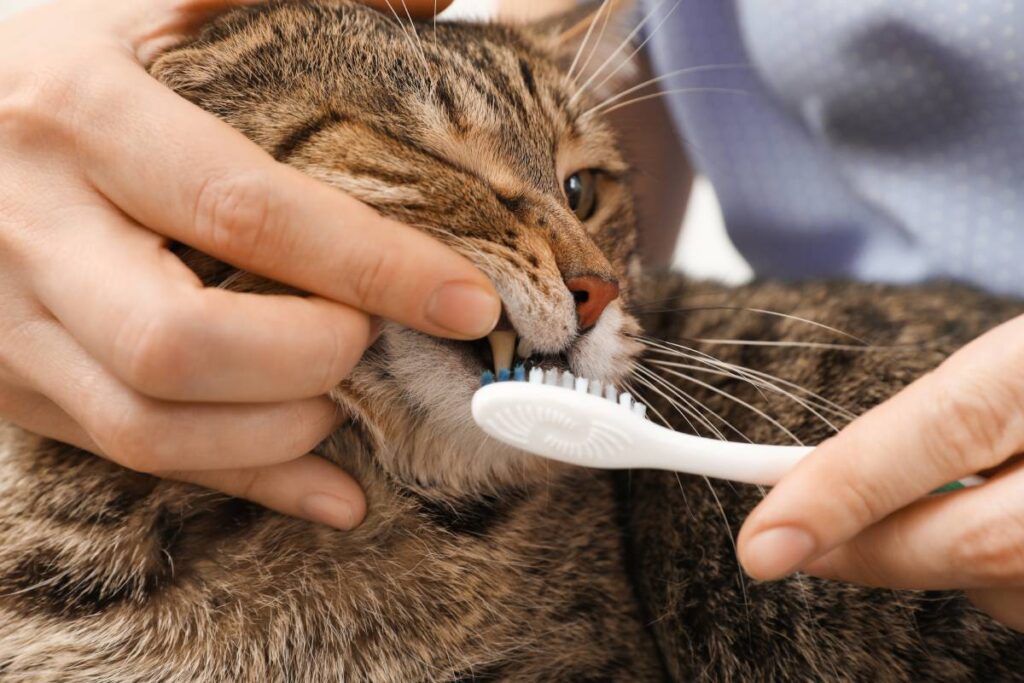
Brushing your cat’s teeth might seem daunting, but it’s an essential part of their dental care. Begin by selecting a time when your cat is calm. Use a cat-specific toothbrush or a soft human toothbrush. Gently lift their lips and brush at a 45-degree angle to the gum line. Start slow, focusing on just a few teeth at a time. Gradually increase the number of teeth brushed over several days. Remember, patience is key. Consistency can make the process smoother over time, and your cat will eventually get used to it. If your cat resists, try wrapping your finger in gauze and use it as a makeshift toothbrush. This can offer a more comfortable alternative while still effectively cleaning their teeth.
Choosing The Right Dental Products
Not all dental products are created equal. Opt for toothpaste specifically designed for cats, as human toothpaste can be harmful. Cat toothpaste often comes in flavors like chicken or fish, making it more appealing to your feline friend. Consider dental treats that promote oral health. These treats can help reduce plaque and tartar, adding an extra layer of protection. Are you aware of dental water additives? These can be an easy way to maintain dental health, especially for cats who resist brushing. Simply add them to your cat’s water bowl as directed.
Regularly check the labels and consult with your vet to ensure the products you choose are safe and effective. With the right tools and a bit of persistence, you can make dental care an integral part of your cat’s routine. What steps will you take today to improve your cat’s dental health?

Credit: justcatsclinic.com
Diet And Dental Health
Diet plays a key role in keeping your cat’s teeth healthy. What your cat eats affects plaque buildup and gum health. Feeding the right foods supports strong teeth and fresh breath.
Choosing the best diet helps reduce dental problems. Balanced nutrition strengthens teeth and fights bacteria. Some foods naturally clean teeth while cats chew.
Foods That Promote Healthy Teeth
Dry kibble helps scrape off plaque during chewing. Its texture is good for dental health. Look for cat food with added dental benefits. Ingredients like fish oil and vitamin E support gum health.
- High-quality dry food with crunchy texture
- Foods rich in omega-3 and antioxidants
- Low-sugar and low-starch options
- Dental-specific formulas recommended by vets
Treats And Chews For Dental Care
Dental treats and chews reduce plaque and tartar. They encourage chewing which cleans teeth naturally. Choose treats designed to improve dental health. Avoid sticky or sugary treats that harm teeth.
- Dental chews with texture to scrape teeth
- Treats containing enzymes to fight bacteria
- Rawhide alternatives safe for cats
- Freeze-dried meat treats that promote chewing
Professional Dental Treatments
Professional dental treatments play a crucial role in maintaining your cat’s oral health. While regular brushing at home helps, vets can spot and treat issues you might miss. Scheduling these treatments ensures your cat stays comfortable and avoids painful dental problems later.
What To Expect During A Dental Exam
During a dental exam, your vet will carefully check your cat’s teeth, gums, and mouth for signs of disease or damage. They often use specialized tools to look beneath the gum line, where problems can start unnoticed. You might be surprised how much they can detect just by a close inspection.
The vet will likely discuss your cat’s dental history and any symptoms you’ve noticed, such as bad breath or difficulty eating. Expect your cat to be calm, but some exams may require sedation to allow a thorough check without stress. This step helps catch issues early before they worsen.
Common Procedures And Their Benefits
- Professional Cleaning:This removes plaque and tartar that brushing can’t reach. It helps prevent gum disease and tooth loss.
- Tooth Extractions:Sometimes, damaged or infected teeth need removal to stop pain and infection spreading.
- X-rays:These reveal hidden problems below the gum line, like abscesses or bone loss, guiding better treatment plans.
- Polishing:After cleaning, polishing smooths the teeth, making it harder for plaque to stick back quickly.
Each procedure is designed to keep your cat’s mouth healthy and pain-free. Have you noticed your cat avoiding dry food or pawing at their mouth? These signs could mean it’s time for a professional check-up.

Credit: justcatsclinic.com
Preventing Dental Issues
Preventing dental issues in cats is key to their overall health and happiness. Good dental care stops pain, tooth loss, and infections. It also helps avoid costly vet visits. Starting early and staying consistent keeps your cat’s teeth strong.
Tips For Long-term Dental Health
- Brush your cat’s teeth regularly using a pet-safe toothbrush and toothpaste.
- Offer dental treats or toys that help reduce plaque build-up.
- Feed a balanced diet that supports oral health.
- Watch for signs of dental problems like bad breath or difficulty eating.
- Schedule regular veterinary dental check-ups for professional cleaning.
Creating A Dental Care Schedule
Set a daily or weekly routine for brushing your cat’s teeth. Consistency helps your cat get used to the process. Mark vet appointments for dental exams and cleanings on your calendar. Keep a log of your cat’s dental health and any changes you notice. A schedule ensures no steps are missed in maintaining healthy teeth.

Credit: justcatsclinic.com
Frequently Asked Questions
How Often Should I Brush My Cat’s Teeth?
You should brush your cat’s teeth at least 2-3 times weekly. Daily brushing is ideal for the best dental health. Use a soft-bristled toothbrush and cat-specific toothpaste to avoid discomfort and ensure effectiveness.
What Are Common Signs Of Dental Problems In Cats?
Look for bad breath, drooling, pawing at the mouth, and difficulty eating. Red or swollen gums and loose teeth also indicate dental issues. Early detection helps prevent serious oral diseases.
Can Dental Treats Improve My Cat’s Oral Health?
Yes, dental treats can help reduce plaque and tartar buildup. Choose treats approved by veterinary dental organizations. They supplement brushing but should not replace regular dental care.
When Should I Schedule A Dental Checkup For My Cat?
Schedule a dental checkup at least once a year. Cats with existing dental issues may need more frequent visits. Regular veterinary exams ensure early detection and treatment.
Conclusion
Taking care of your cat’s teeth helps keep them healthy and happy. Regular brushing removes harmful plaque and prevents bad breath. Dental check-ups catch problems early before they get worse. Feeding dental-friendly food supports strong teeth and gums. Simple daily care makes a big difference in your cat’s life.
Healthy teeth mean better eating and fewer vet visits. Start today to give your cat a bright, pain-free smile. Small steps lead to lasting dental health for your furry friend.


Leave a Reply