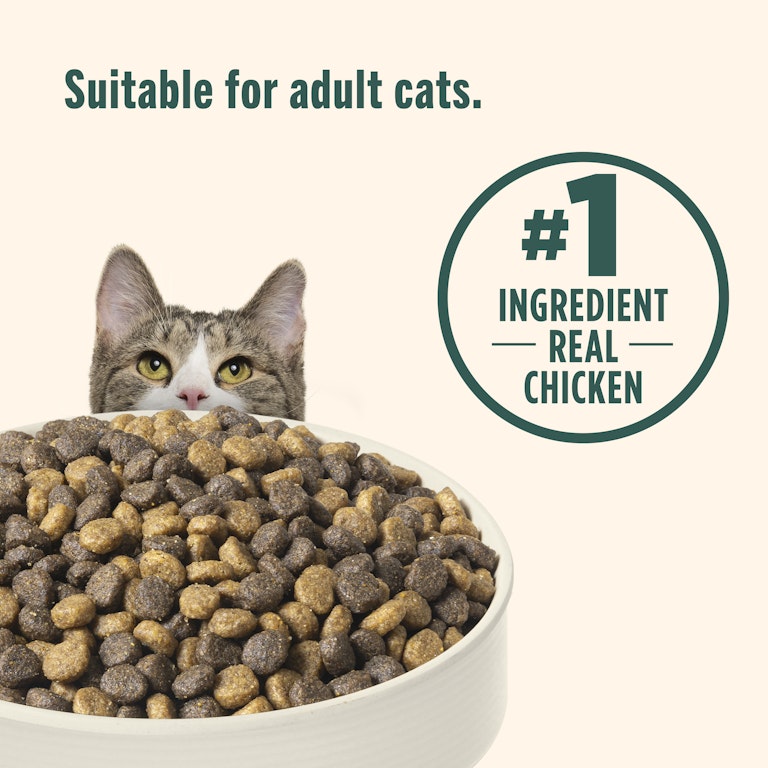
Are you unsure about how much solid food your adult cat really needs? Feeding your feline friend the right amount is key to keeping them healthy and happy.
Too little food can leave them hungry and weak, while too much can lead to weight gain and health problems. You’ll discover simple guidelines to help you find the perfect feeding balance for your cat. Keep reading to learn how to make every meal count for your furry companion.
Daily Food Amounts
Knowing the right daily food amount for your adult cat can feel tricky. Cats don’t all need the same portion size, and guessing can lead to overfeeding or underfeeding. Understanding how much to feed depends on several important factors that affect your cat’s health and energy.
Calorie Needs By Weight
Your cat’s weight plays a big role in determining daily calorie needs. A healthy adult cat usually requires about 20 calories per pound of body weight each day. For example, a 10-pound cat needs roughly 200 calories daily to maintain its weight.
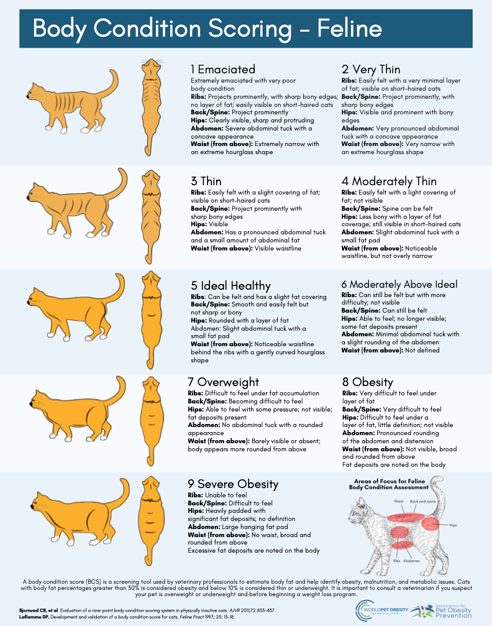
Keep in mind, these are general guidelines. If your cat is overweight or underweight, the calorie intake should be adjusted accordingly. You can ask your vet for personalized advice based on your cat’s current condition.
Activity Level Impact
How active your cat is changes the amount of food it needs. A playful, outdoor cat burns more calories and will need more food than a mostly sedentary indoor cat. On the other hand, less active cats require fewer calories to avoid weight gain.
Think about how much your cat moves during the day. Does your cat chase toys or roam outside? Adjust the food amount to match this activity level and keep your cat fit and happy.
Age Considerations
Age also affects your cat’s diet. Young adult cats are usually more active and need more calories, while senior cats often have slower metabolisms and require less food. Older cats may also benefit from diets with specific nutrients to support health.
Watch your cat’s body condition and energy levels as it ages. You might notice your senior cat eating less or gaining weight easily. Adjusting food amounts and types can help maintain their wellbeing through every stage of life.

Credit: www.chewy.com
Choosing The Right Food
Choosing the right food for your adult cat can feel overwhelming. There are many options, each claiming to be the best. But what truly matters is what fits your cat’s health needs and lifestyle.
Dry Vs Wet Food
Dry food is convenient and helps keep your cat’s teeth clean. It lasts longer once opened and is usually more affordable.
Wet food, on the other hand, provides extra hydration, which is essential if your cat doesn’t drink much water. It often has higher protein content and can be more appealing to picky eaters.
Think about your cat’s preferences and habits. Does your cat enjoy crunching or prefer soft textures? Balancing both types might work well, but you should monitor how your cat responds.
Nutritional Requirements
Your cat’s food must meet specific nutritional needs, especially protein, fat, and essential vitamins. Adult cats need a diet rich in animal-based proteins to maintain muscle and energy.
Look for foods with taurine, an amino acid vital for heart and eye health. Avoid foods with excessive fillers like corn or wheat, which add little nutritional value.
Ask yourself: Does the food support your cat’s activity level and overall wellbeing? Checking the label for balanced nutrition is key to making the right choice.
Quality Indicators
High-quality cat food lists real meat as the first ingredient, not by-products or generic “meat meal.” Transparency from the brand about sourcing and manufacturing is a good sign.
Check for certifications from reputable organizations or approvals by veterinary nutrition experts. These indicate the product has been tested for safety and nutrition.
Consider your cat’s health history too. If your cat has allergies or sensitivities, you might need grain-free or limited-ingredient formulas. How often do you read ingredient labels before buying? This habit can protect your cat’s health significantly.
Feeding Frequency
Understanding how often to feed your adult cat is crucial. The right feeding frequency ensures they get proper nutrition. It also helps maintain a healthy weight. Let’s explore how to determine the best feeding schedule.
Meal Timing Options
Adult cats can be fed once or twice daily. Choose a consistent time for meals. This helps establish a routine. Some cat owners prefer morning and evening meals. Others may feed once in the evening. Consistency is key in either case.
Free Feeding Risks
Free feeding allows cats to eat whenever they like. It may lead to overeating. This can cause obesity in cats. Obesity increases the risk of health problems. Monitor food intake if you choose free feeding. Ensure portions remain controlled.
Adjusting Portions
Portion sizes depend on your cat’s needs. Consider their age, activity level, and health. Some cats need more food. Others need less. Check your cat’s weight regularly. Adjust portions if they gain or lose weight. This helps maintain their ideal health.
Credit: www.petco.com
Monitoring Cat’s Health
Keeping a close eye on your cat’s health is essential when deciding how much solid food to give. Changes in appetite or weight can signal health issues early on. Paying attention to subtle signs helps you adjust feeding amounts and keep your cat thriving.
Weight Tracking
Regularly weighing your cat is one of the simplest ways to monitor their health. Use a small scale or visit your vet for an accurate reading. Track the weight over time in a notebook or app to spot any sudden gains or losses.
Have you noticed your cat’s weight creeping up or dropping? That could mean you need to adjust food portions or check for underlying issues. Weight changes often happen before other symptoms appear.
Behavioral Signs
Your cat’s behavior tells a lot about how they’re feeling. Watch for changes in energy, grooming habits, or litter box use. A cat that suddenly hides or seems lethargic might be signaling discomfort or illness.
Notice if your cat is begging more or less for food than usual. This shift could mean their nutritional needs have changed. Don’t ignore these signs—they often guide the right feeding approach.
When To Consult A Vet
If your cat shows persistent weight changes or unusual behavior, it’s time to see a vet. Sudden loss of appetite or rapid weight loss can indicate serious conditions. Early professional advice can prevent complications and ensure the right diet plan.
Never hesitate to ask your vet about how much solid food is ideal for your cat’s age, breed, and health status. Personalized recommendations make a big difference in keeping your feline friend healthy and happy.
Special Feeding Situations
Special feeding situations call for careful adjustments in how much solid food you offer your adult cat. Every cat is unique, and factors like weight issues or health problems change their dietary needs significantly. Understanding these specific needs helps you keep your furry friend healthy and happy.
Overweight Cats
Feeding an overweight cat requires you to cut back on calories without making them feel hungry all the time. Measure their food strictly and avoid free-feeding. Choose high-protein, low-carb foods to help maintain muscle while losing fat.
Try feeding smaller meals multiple times a day instead of one big meal. This keeps your cat satisfied and prevents overeating. Have you noticed your cat begging for food more often? Sometimes, boredom can be mistaken for hunger.
Underweight Cats
If your cat is underweight, increase their food intake gradually to avoid digestive upset. Offer nutrient-dense, calorie-rich foods that provide energy without requiring a large volume of food. Wet food can be easier to eat and more appealing if your cat has a poor appetite.
Adding a little warm water or broth can make meals more enticing. Watch for signs of improvement like brighter eyes and increased energy. If your cat remains underweight, it’s time to consult your vet for deeper investigation.
Cats With Medical Conditions
Medical conditions like kidney disease, diabetes, or allergies call for tailored diets. Your vet might recommend prescription diets or specific nutrient ratios to manage your cat’s illness. Don’t switch foods without professional advice, as this can worsen symptoms.
Monitor your cat closely for changes in appetite or digestion. Adjust feeding amounts based on how well they tolerate their food and how their condition evolves. Are you keeping a feeding diary? It’s a helpful way to track what works best.
Credit: www.purina.com
Frequently Asked Questions
How Much Solid Food Should An Adult Cat Eat Daily?
An adult cat typically needs 20-30 grams of dry food per pound of body weight daily. This varies by activity and metabolism. Monitor your cat’s weight and adjust portions to maintain a healthy body condition.
Can Feeding Too Much Solid Food Harm Adult Cats?
Yes, overfeeding solid food can cause obesity and health problems. It may lead to diabetes, joint issues, and reduced lifespan. Always follow feeding guidelines and consult your vet for proper portion sizes.
How To Transition Adult Cats To Solid Food Safely?
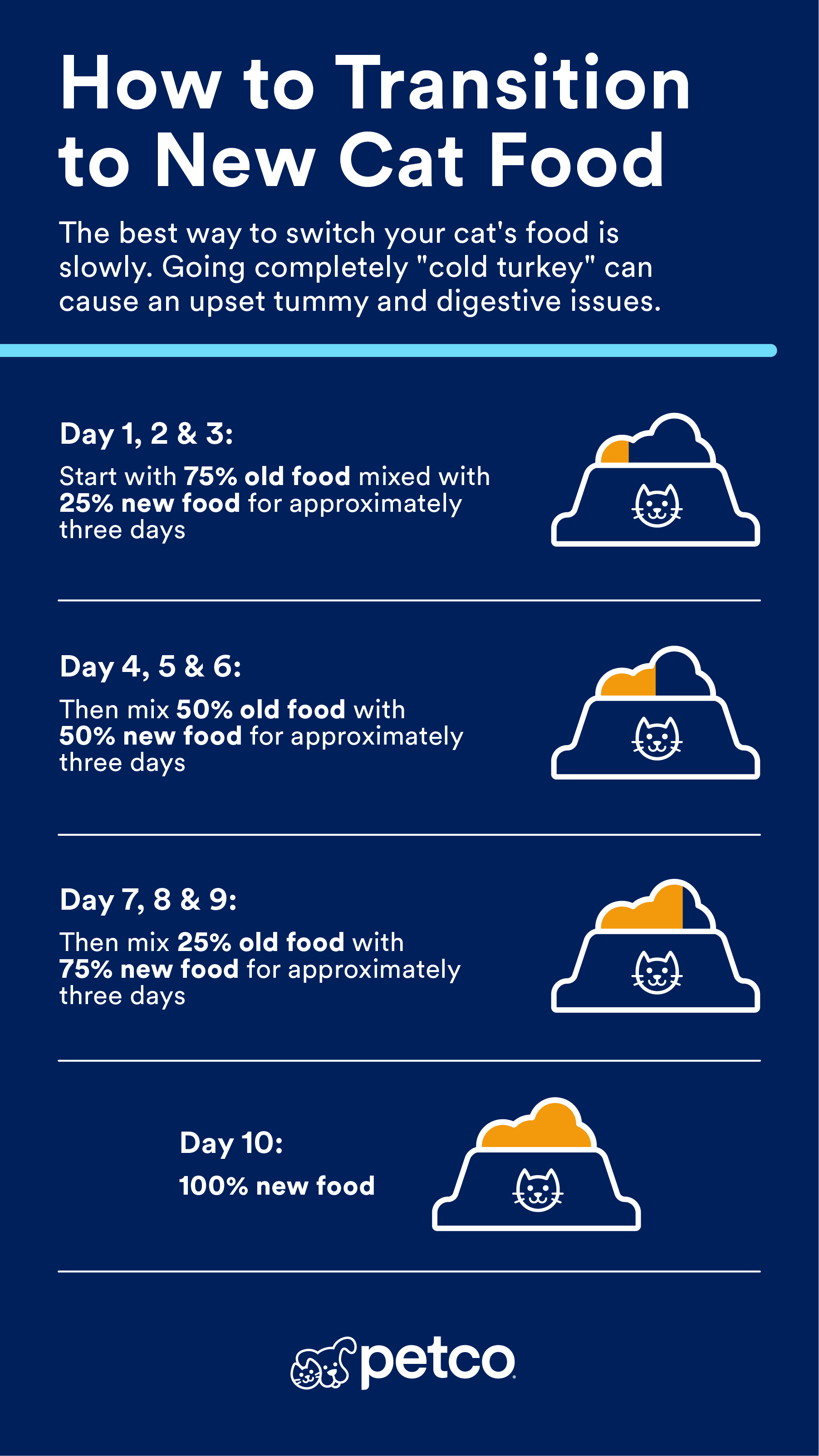
Introduce solid food gradually over 7-10 days by mixing it with wet food. Increase solid food while reducing wet food slowly. This helps avoid digestive upset and encourages acceptance of the new diet.
Does The Type Of Solid Food Affect Portion Size?
Yes, dry kibble is more calorie-dense than canned food. Portion sizes differ accordingly; dry food portions are smaller by volume. Always check feeding instructions on packaging and adjust based on your cat’s needs.
Conclusion
Feeding an adult cat the right amount of solid food keeps them healthy and happy. Watch their weight and adjust food as needed. Remember, every cat is different and needs can change. Fresh water should always be available. Regular meals help maintain good habits and energy.
Pay attention to your cat’s behavior and appetite. This way, you can give the best care and enjoy many years together. Simple steps make a big difference in your cat’s life.


Leave a Reply