Is your cat spending too much time licking and biting their fur? Over-grooming can lead to bald spots, irritated skin, and even infections.
You want your furry friend to feel comfortable and healthy, but it’s hard to know how to help. What if you could stop your cat’s over-grooming naturally, without harsh chemicals or stressful trips to the vet? You’ll discover simple, natural ways to calm your cat’s urge to over-groom and bring back their happy, relaxed self.
Keep reading to learn how to protect your cat’s skin and restore their comfort—starting today.
Causes Of Cat Over-grooming
Understanding why your cat over-grooms is the first step to stopping it naturally. Over-grooming often signals that something is wrong beneath the surface. It’s rarely just a bad habit; there’s usually a cause you can address.
Stress And Anxiety Triggers
Stress is a major driver of over-grooming in cats. Changes in routine, new pets, or even loud noises can make your cat feel uneasy. Have you noticed if your cat starts licking excessively after a visit to the vet or when guests arrive? These moments reveal how sensitive cats are to their environment.
Helping your cat feel safe and calm can reduce this behavior. Simple actions like providing quiet spaces or interactive play can ease anxiety and lower grooming impulses.
Allergies And Skin Conditions
Allergies can cause itching and discomfort that lead to over-grooming. Your cat might be reacting to food, pollen, or even cleaning products in your home. Have you checked if your cat’s fur or skin looks red, dry, or inflamed?
Identifying allergens and switching to hypoallergenic food or gentle detergents can make a big difference. Your cat’s skin health often improves with a targeted approach.
Parasites And Infections
Parasites like fleas or mites are common culprits behind excessive grooming. These tiny pests irritate the skin, making your cat lick or scratch constantly. Even if you don’t see fleas, your cat might still have an infection that needs treatment.
Regular vet check-ups and flea prevention are key. You can’t solve the problem naturally if you overlook parasites or skin infections.
Environmental Factors
Sometimes, the environment itself causes your cat to over-groom. Dry air, harsh sunlight, or even lack of stimulation can lead to boredom and skin dryness. Does your home have enough humidity or cozy spots for your cat to relax?
Small changes like adding a humidifier or providing new toys can help. Your cat needs a comfortable and engaging environment to reduce stress-related grooming.
Signs To Watch For
Noticing that your cat is grooming more than usual can be worrying. To help stop over-grooming naturally, you first need to spot the signs early. Watching for specific changes in your cat’s skin, behavior, and grooming habits can make a big difference in catching the problem before it worsens.
Bald Patches And Redness
Look closely at your cat’s fur for any bald spots. These areas often appear on the belly, legs, or around the neck. Redness or irritation around these patches is a clear indicator that your cat is over-grooming and causing skin damage.
Have you ever noticed your cat licking one spot until the fur just disappears? That’s a sign you should act quickly. Early attention can prevent infections and more serious skin problems.
Excessive Licking And Biting
Watch your cat’s licking and biting habits closely. It’s normal for cats to groom themselves, but constant licking or biting in one area signals distress. This repetitive behavior can cause sores or scabs, making your cat uncomfortable and more prone to skin infections.
Try timing how often your cat grooms. Is it more than usual or focused on one spot? Tracking this can help you decide when to seek advice or try natural remedies.
Behavioral Changes
Changes in your cat’s mood or activity can also hint at over-grooming issues. If your cat becomes more anxious, restless, or hides more than usual, these may be signs of discomfort or stress linked to their grooming habits.
Does your cat seem clingier or more irritable? Such shifts in behavior often go hand in hand with physical signs and shouldn’t be ignored. Addressing stress factors naturally can reduce over-grooming significantly.
Natural Remedies To Reduce Over-grooming
Over-grooming in cats often signals stress, allergies, or skin issues. Natural remedies can soothe your cat’s skin and calm their nerves. These approaches focus on gentle care without harsh chemicals.
Herbal supplements support your cat’s health by reducing irritation and anxiety. Essential oils, used carefully, provide calming effects and help with skin health. Dietary changes improve overall wellness and reduce triggers for over-grooming.
Herbal Supplements And Remedies
Herbs like chamomile and calendula calm irritated skin. They also reduce inflammation and itching. You can use herbal teas cooled down as a gentle skin rinse.
Adding supplements with omega-3 fatty acids supports skin repair. These fatty acids decrease dryness and help reduce licking. Always check with your vet before starting any herbal treatment.
Essential Oils Safe For Cats
Lavender and frankincense oils offer calming properties without harming cats. Use essential oils diluted in a carrier oil and never apply directly on the skin. Diffusing these oils in a room can help reduce anxiety and stress.
Avoid oils like tea tree or eucalyptus, which are toxic to cats. Keep essential oil use minimal and observe your cat’s reaction closely.
Dietary Adjustments
Switch to a high-quality diet rich in natural nutrients. Foods with added omega-3 and omega-6 fatty acids improve skin health. Grain-free or limited-ingredient diets may reduce allergic reactions.
Introduce new foods slowly and watch for changes in grooming behavior. Hydration is important; wet food can help keep your cat’s skin hydrated.
Creating A Stress-free Environment
Creating a calm space helps reduce your cat’s stress and stops over-grooming. Soft lighting, quiet areas, and familiar scents make your cat feel safe and relaxed. Regular playtime also keeps their mind busy and less focused on grooming.
Creating a harmonious and stress-free environment is crucial for a cat’s well-being. Cats may over-groom due to stress, leading to skin problems. By creating a peaceful home, you can help reduce this behavior. Let’s explore simple ways to make your home a calm space for your feline friend.Enrichment And Playtime
Interactive toys can keep your cat mentally stimulated. Offer a variety of toys to prevent boredom. Regular playtime helps your cat release energy. It also strengthens your bond.Safe Hiding Spots
Cats need places to retreat and relax. Provide cozy spots where they feel secure. Cardboard boxes or cat beds work well. These spaces help them feel safe and reduce anxiety.Consistent Routine
Cats thrive on routine. Feed and play with your cat at the same times daily. Predictable schedules offer comfort and reduce stress. A calm environment leads to less over-grooming.Preventing Allergens At Home
Preventing allergens at home plays a crucial role in stopping your cat from over-grooming. Allergens can irritate your cat’s skin and trigger excessive licking or scratching. Creating a clean, allergen-free environment reduces stress on your cat’s skin and helps restore comfort.
Regular Cleaning Tips
Dust, pollen, and pet dander often hide in carpets, upholstery, and curtains. Vacuum your home frequently using a vacuum with a HEPA filter to trap tiny allergen particles.
Wash your cat’s bedding weekly in hot water to remove allergens and bacteria. Don’t forget to clean your cat’s favorite resting spots, like cushions or blankets.
Have you noticed if your cat’s grooming worsens on days you skip cleaning? Observing this can help you see how much allergens affect your pet.
Choosing Hypoallergenic Products
Many household products contain fragrances and chemicals that irritate your cat’s skin. Switching to hypoallergenic detergents, shampoos, and cleaning sprays can make a big difference.
Look for products labeled fragrance-free and gentle on sensitive skin. Avoid anything with dyes or strong scents, as these can worsen skin irritation.
Check ingredient lists carefully—even some “natural” products contain allergens that your cat may react to. Have you tried testing new products on a small area first?
Managing Outdoor Exposure
Outdoor allergens like pollen, mold, and grass can cling to your cat’s fur and cause irritation. Limiting outdoor time during high pollen seasons helps reduce this risk.
After your cat comes inside, gently wipe their paws and fur with a damp cloth to remove allergens. This simple step can prevent many irritants from spreading around your home.
If you notice your cat scratching more after being outdoors, consider creating a dedicated cleaning routine post-playtime. How often do you check your cat for outdoor debris?
When To Seek Veterinary Help
Knowing when to seek veterinary help for your cat’s over-grooming is crucial. Sometimes, what seems like a harmless habit can point to deeper health problems. Ignoring signs could make the issue worse or prolong your cat’s discomfort.
Identifying Serious Skin Issues
Look closely at your cat’s skin. Redness, swelling, open sores, or scabs are warning signs. These symptoms could indicate infections, allergies, or parasites that require professional diagnosis.
If your cat is losing fur in patches or the skin looks raw, don’t wait. Persistent scratching or biting might signal pain or irritation beyond simple grooming. A vet can identify conditions like dermatitis or fungal infections that need medical treatment.
Professional Treatments
Your vet can prescribe treatments that you can’t get over the counter. This might include medicated shampoos, antibiotics, or anti-inflammatory medications. These options help heal skin faster and stop your cat from making the problem worse.
Sometimes, your cat might need allergy testing or special diets. These tailored treatments target the root cause of over-grooming. Without professional guidance, you might only treat symptoms, not the underlying problem.
Behavioral Therapy Options
Over-grooming can be a sign of stress or anxiety. A vet can suggest behavior therapy or environmental changes to calm your cat. This might involve pheromone diffusers, interactive toys, or changes in routine.
In some cases, vets recommend working with a pet behaviorist. They provide specific strategies to reduce anxiety-driven grooming. Have you noticed if your cat over-grooms more during loud noises or when you’re away? Sharing these details with your vet can help create an effective plan.
Frequently Asked Questions
What Causes Cats To Over-groom Naturally?
Cats over-groom due to stress, allergies, or skin irritations. It can also result from boredom or underlying medical issues. Identifying the cause helps in applying natural remedies effectively.
How Can I Naturally Stop My Cat From Over-grooming?
Use calming herbal supplements, provide interactive toys, and maintain a stress-free environment. Regular grooming and a balanced diet also reduce over-grooming naturally.
Are There Natural Remedies To Soothe A Cat’s Skin?
Yes, applying aloe vera gel, coconut oil, or chamomile rinse can soothe irritated skin. Always consult a vet before trying new treatments to ensure safety.
Can Diet Affect My Cat’s Over-grooming Behavior?
Absolutely. A poor diet can cause allergies or nutritional deficiencies leading to over-grooming. Feeding high-quality, hypoallergenic food improves skin health and reduces excessive grooming.
Conclusion
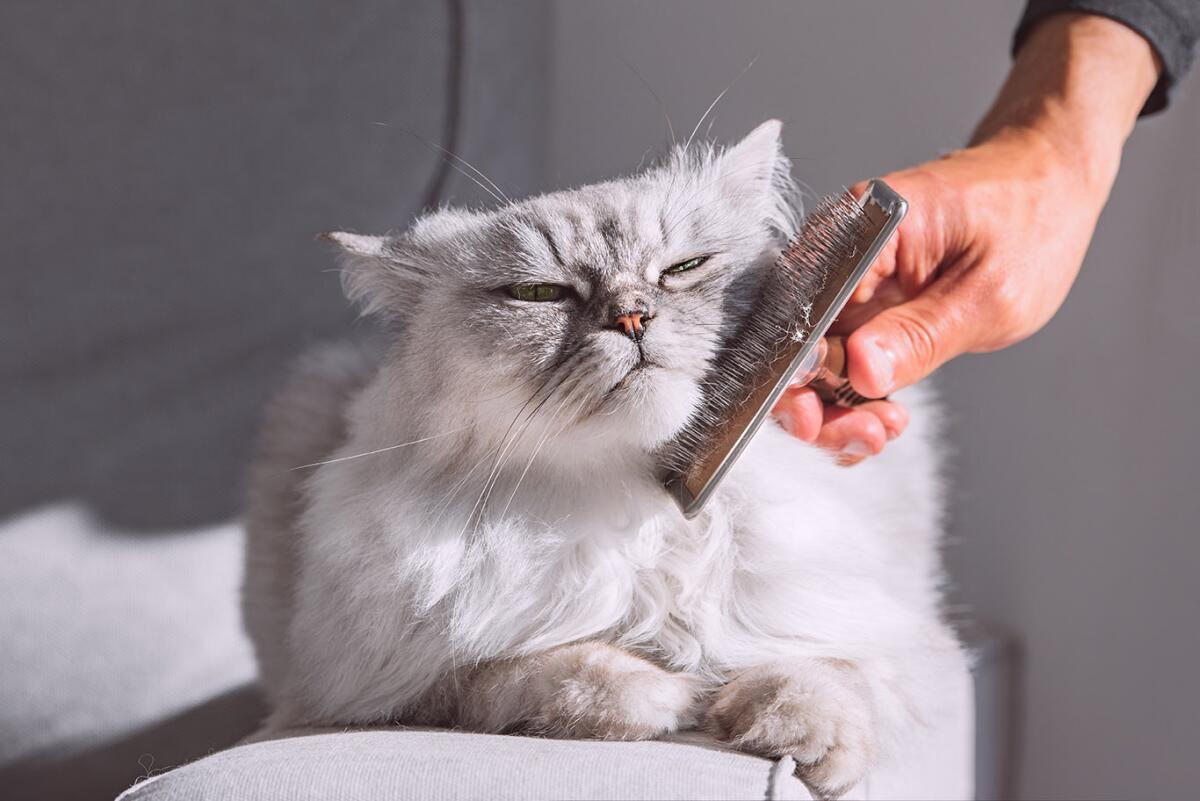
Stopping your cat from over-grooming takes time and care. Watch your cat’s behavior closely every day. Provide a calm, safe space to reduce stress. Use natural remedies like gentle brushing and calming scents. Offer plenty of toys and playtime to keep your cat busy.
Remember, patience is key for success. Small changes can make a big difference. Keep trying and observe what helps your cat feel better. Your cat will thank you with a happy, healthy coat.

Leave a Reply