Have you ever wondered how much time your cat needs for grooming? Whether you’re a new cat owner or have had furry friends for years, knowing how long grooming takes can help you plan better and keep your cat happy and healthy.
You might be surprised to learn that grooming isn’t just about keeping your cat clean—it plays a big role in their comfort and well-being. You’ll discover exactly how many hours your cat spends grooming and why it matters to you.
Stick around, because understanding this can change the way you care for your feline friend every day.
Daily Grooming Habits
Cats are natural groomers. They spend a good part of their day cleaning themselves. This routine helps keep their fur clean and healthy. It also controls oil and removes loose hairs. Understanding how much time cats spend grooming daily offers insight into their behavior and care needs.
Typical Grooming Duration
Most cats groom themselves for about 30 to 50 minutes each day. This time varies by age and breed. Younger cats often groom more frequently. Older cats might spend less time grooming due to mobility issues. Long-haired cats usually need more grooming time than short-haired ones.
Factors Affecting Grooming Time
- Coat Length:Longer fur requires extra grooming to avoid mats.
- Health:Illness or pain can reduce grooming habits.
- Stress Levels:Stressed cats may groom excessively or less.
- Environment:Outdoor cats often groom more to remove dirt.
- Age:Kittens and younger cats tend to groom more actively.
- Breed Traits:Some breeds have unique grooming needs and habits.
Grooming Time By Cat Breed
Grooming time varies greatly by cat breed. Each breed has unique coat types and grooming needs. Understanding these differences helps keep your cat healthy and comfortable. The following sections break down grooming times based on common breed coat types.
Short-haired Cats
Short-haired cats usually need less grooming. Their fur is sleek and sheds less. Brushing once or twice a week often suffices. This removes loose hair and reduces hairballs. Bathing is rarely needed unless the cat gets dirty. Short-haired breeds like the American Shorthair or British Shorthair fit this category. Their grooming time typically takes about 5 to 10 minutes per session.
Long-haired Cats
Long-haired cats require more grooming time. Their fur can tangle and mat easily. Daily brushing is ideal to prevent knots and mats. It also helps control shedding and hairballs. Popular long-haired breeds include Persians and Maine Coons. Grooming sessions may last 15 to 30 minutes or longer. Regular grooming keeps their coat soft and healthy.
Hairless Cats
Hairless cats have unique grooming needs. They do not shed fur but need skin care. Bathing once a week helps remove oil buildup. Their skin can get dry, so moisturizing might be necessary. Hairless breeds like the Sphynx need gentle cleaning routines. Grooming time usually takes about 10 to 15 minutes. This includes bathing and wiping their skin carefully.
Age And Grooming Needs
Age plays a big role in how much time your cat needs for grooming. As cats grow, their grooming habits and requirements change quite a bit. Understanding these changes can help you support your cat’s health and happiness at every stage of life.
Kittens’ Grooming Routine
Kittens usually groom themselves less than adult cats. They rely a lot on their mother or you to keep clean in the first few weeks.
You might notice kittens spending short bursts of time licking their fur, but their skills improve as they grow. It’s a great idea to gently brush them early on to get them used to the process.
How often do you check your kitten’s coat? Regular short grooming sessions can prevent mats and help you bond.
Adult Cats’ Grooming Patterns
Adult cats are usually the most consistent groomers. They spend about 30 to 50 percent of their waking hours grooming.
Healthy adult cats keep their fur sleek and clean, but some breeds with longer hair may need extra brushing from you to avoid tangles.
If you see your cat grooming less or more than usual, it could signal health issues. Paying attention to these patterns can help you catch problems early.
Senior Cats’ Grooming Changes
As cats age, their grooming habits often slow down. Older cats may struggle with flexibility or dental pain, making self-grooming harder.
You might notice more mats or a dull coat. This is the time to step in with gentle brushing and regular check-ups.
Do you spend extra time grooming your senior cat? Your support can make a big difference in their comfort and wellbeing.
Health And Grooming Time
Understanding your cat’s health can give you a clearer idea of how much grooming time they will need. Grooming isn’t just about looks; it’s a window into their overall well-being. Health issues often increase the time and care required to keep your feline friend clean and comfortable.
Impact Of Illness
Sick cats often struggle with grooming themselves properly. Conditions like arthritis or dental pain can make self-grooming painful or tiring. You may need to spend extra time brushing, cleaning, or even trimming to help them stay clean and avoid matting.
Notice if your cat suddenly stops grooming or starts looking unkempt. It could be a sign of illness needing veterinary attention. Are you ready to step in and provide more hands-on care during these times?
Effect Of Obesity
Overweight cats find it harder to reach certain areas when grooming, especially around their back and belly. This limitation often means you have to spend additional time brushing and wiping those spots. Regular grooming sessions may need to be longer and more thorough for obese cats.
Obesity can also lead to skin problems that require special care. Have you observed your cat missing spots while grooming? This is your cue to lend a helping hand.
Skin And Coat Conditions
Skin issues like dryness, dandruff, or infections can make grooming more complicated. These conditions often call for gentle brushing and sometimes medicated shampoos or treatments. You’ll likely spend more time inspecting and caring for their coat to prevent discomfort or worsening symptoms.
Pay attention to signs like excessive scratching or flaky skin. Would dedicating a few extra minutes during grooming help your cat feel more comfortable and stay healthier?
How To Assist Your Cat’s Grooming
Helping your cat with grooming can make the process easier for both of you. Cats enjoy a clean coat, but some need extra care. You can assist by using the right techniques and tools. This support keeps your cat healthy and comfortable. It also reduces hairballs and shedding around your home.
Brushing Techniques
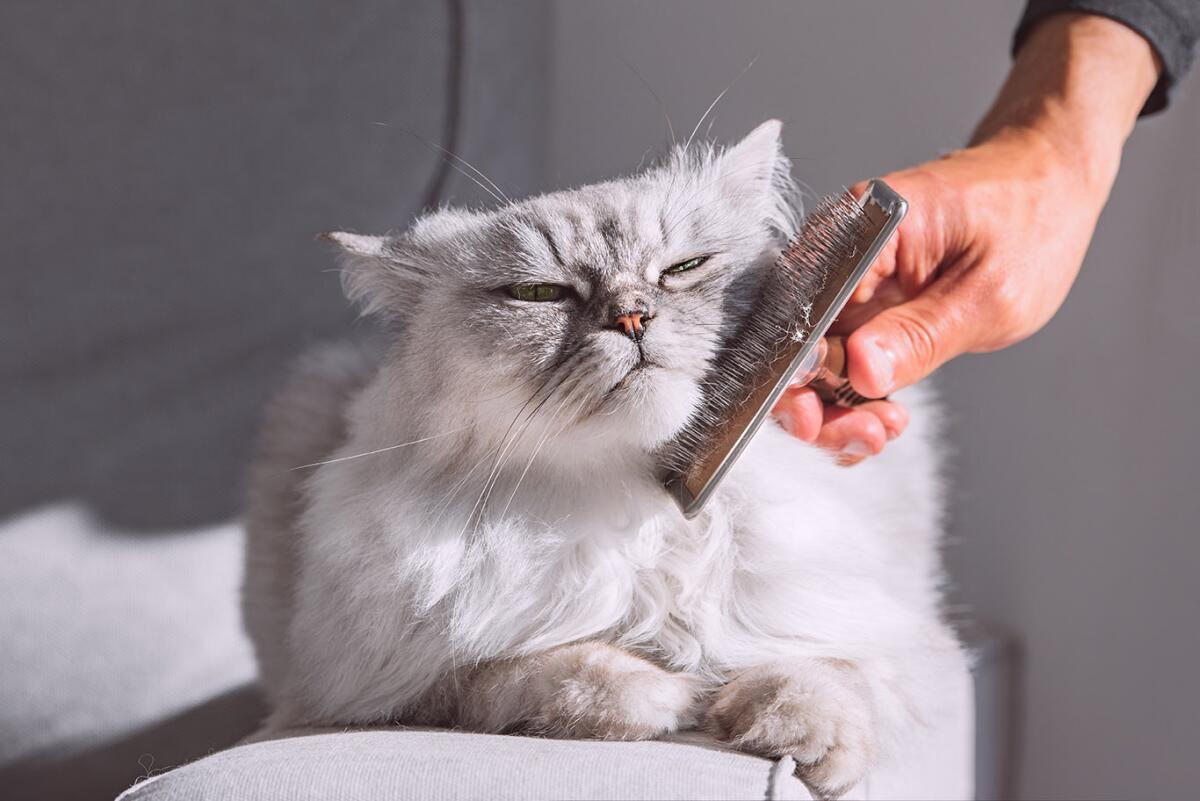
Brush your cat gently to avoid hurting its skin. Use slow, smooth strokes along the fur’s direction. Focus on areas with more hair or mats. Pay attention to the belly and under the legs. Brush for about 5 to 10 minutes each session. Regular brushing helps remove loose hair and dirt. It also spreads natural oils, making the coat shiny and soft.
Bathing Tips
Bathing is not always needed but can help with dirt or fleas. Use warm water and cat-friendly shampoo only. Wet your cat slowly to avoid scaring it. Lather the shampoo gently, avoiding eyes and ears. Rinse well to remove all soap. Dry your cat with a soft towel or a low heat dryer. Keep baths short and calm to reduce stress.
Using Grooming Tools
Select tools that suit your cat’s fur type and length. Use a slicker brush for thick or long hair. A comb helps remove tangles and mats carefully. Nail clippers keep claws trimmed and safe. Replace tools regularly to keep them clean and sharp. Store them in a safe place for easy access. Using the right tools makes grooming fast and effective.
Signs Grooming Takes Too Long
Cats usually groom themselves quickly, but long grooming sessions may signal discomfort or stress. Watch for restlessness, excessive licking, or fur mats that take too long to fix. These signs suggest grooming might be taking more time than normal.
Cats are naturally clean animals, dedicating a good portion of their day to grooming. But sometimes, grooming sessions may extend beyond the usual time. Recognizing signs that grooming takes too long can help ensure your cat stays healthy and comfortable. Let’s explore these signs.Excessive Licking
Cats lick to clean and soothe themselves. But too much licking can signal an issue. If your cat spends hours licking a specific area, it might have a skin problem. Excessive licking can lead to bald spots. These spots might even become sore or infected. Keep an eye on your cat’s grooming habits.Hair Matting
Matted fur is a clear sign that grooming is ineffective. Cats with long hair are especially prone to matting. When fur mats, it can cause pain and skin irritation. Mats can also trap dirt and debris, leading to infections. Regular brushing can help prevent matting. But if mats persist, consult a vet for advice.Behavioral Changes
Grooming should be a calming activity for cats. If your cat shows discomfort or aggression while grooming, it may be in distress. Sudden changes in grooming behavior could indicate pain or anxiety. Look out for signs like growling, hissing, or avoiding touch. These changes may require a closer look at your cat’s health.Frequently Asked Questions
How Long Do Cats Usually Take To Groom Themselves?
Cats typically spend 30 to 50 minutes grooming daily. Grooming helps them stay clean and regulate body temperature. Time varies based on age and health.
How Often Should I Groom My Cat Manually?
You should groom your cat manually 2 to 3 times weekly. This helps reduce shedding and prevents hairballs. Long-haired cats may need daily grooming.
Does Grooming Time Vary By Cat Breed?
Yes, grooming time varies by breed. Long-haired breeds need more frequent and longer grooming sessions. Short-haired cats groom themselves more efficiently.
Can Grooming Reduce Shedding And Hairballs In Cats?
Regular grooming significantly reduces shedding and hairballs. Brushing removes loose fur before cats ingest it. This promotes better coat health and cleanliness.
Conclusion
Cats usually take between 15 and 30 minutes to groom themselves. Long-haired cats need more time, sometimes up to an hour. Grooming keeps cats clean and healthy. It also helps them relax. Watching your cat groom can be calming. Regular grooming by owners can save time and prevent matting.
Each cat is different, so grooming time varies. Keep an eye on your cat’s habits. This helps you understand their needs better. A happy cat is often a well-groomed cat.

Leave a Reply