Are you worried about the growing number of feral cats in your neighborhood? You’re not alone.
When feral cats breed unchecked, their population can explode quickly, leading to problems for your community and the cats themselves. But here’s the good news: you can take simple, effective steps to stop feral cats from breeding. You’ll discover practical ways to control the feral cat population and make a real difference.
Keep reading to learn how you can help create a safer, healthier environment for everyone.

Credit: www.reddit.com
Impact Of Feral Cat Overpopulation
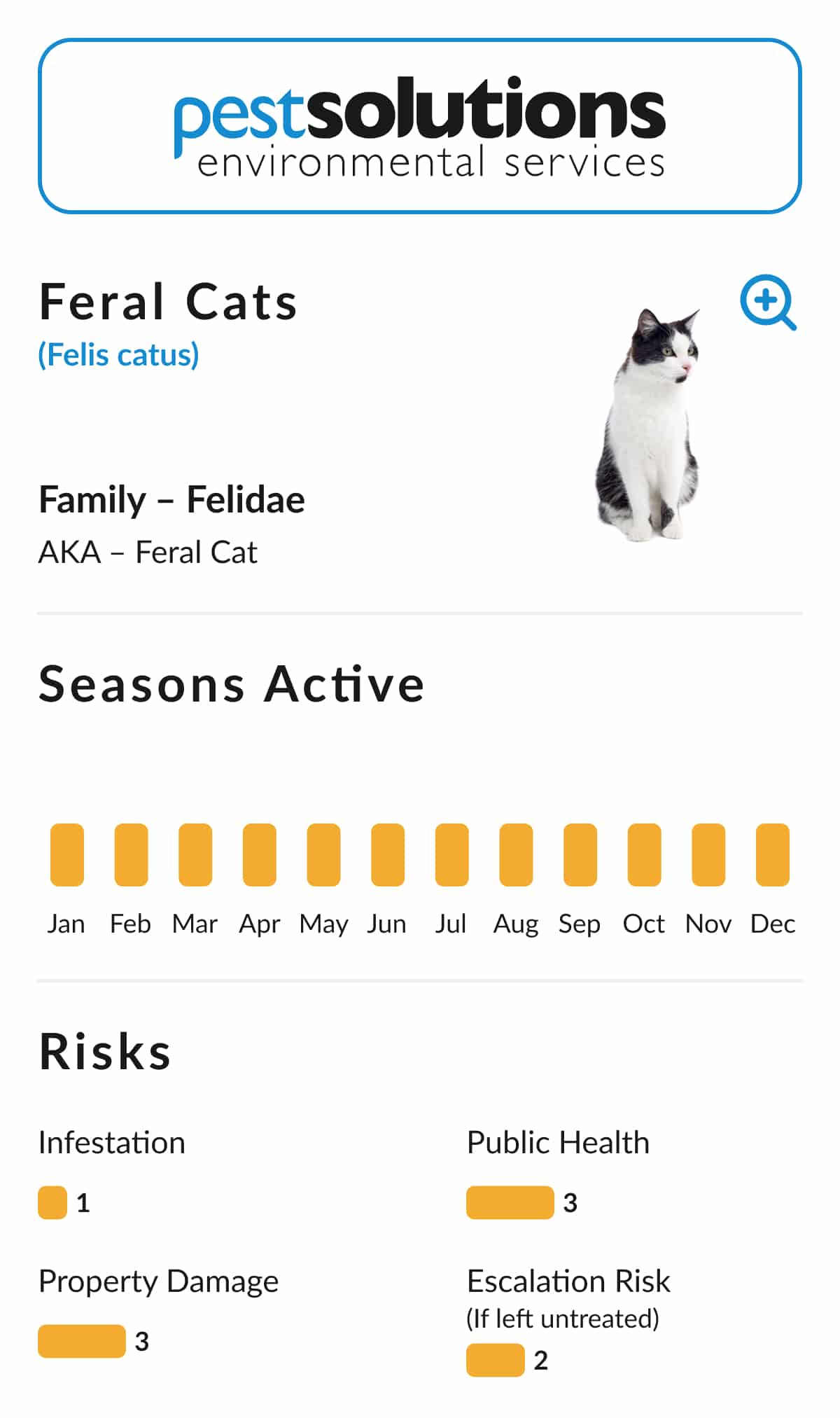
Feral cat overpopulation causes many problems for the environment, communities, and animal care services. These cats reproduce quickly without control. Their growing numbers disrupt nature and harm public health. Managing their population is vital to reduce these impacts.
Environmental Consequences
Feral cats hunt birds, small mammals, and reptiles. This hunting lowers wildlife populations and harms local ecosystems. Many prey species face decline or extinction. Cats also compete with native predators for food. Their presence changes the natural balance of habitats.
Health Risks To Communities
Feral cats can spread diseases to people and pets. Common illnesses include toxoplasmosis, ringworm, and cat scratch fever. These diseases affect vulnerable groups like children and the elderly. Feral cats often carry parasites such as fleas and ticks. These parasites can cause further health problems.
Strain On Animal Shelters
Animal shelters face overcrowding due to many feral cats. Shelters spend more resources on care and medical treatment. Overpopulation leads to higher euthanasia rates. Limited space and funds reduce shelter effectiveness. Controlling feral cat breeding helps shelters focus on adoptable pets.
Credit: www.pestsolutions.co.uk
Methods To Control Breeding
Controlling the breeding of feral cats requires targeted actions that address the root of population growth. You can’t just hope the problem goes away—it needs active intervention. Here are practical methods that communities and individuals use to reduce feral cat reproduction effectively.
Trap-neuter-return (tnr) Programs
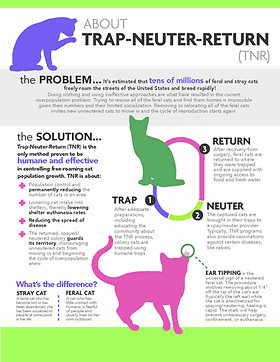
TNR programs are one of the most widely accepted ways to manage feral cat populations. You trap the cats, take them to a vet for spaying or neutering, and then return them to their original location.
This approach keeps cats healthy and stable without adding to the population. It also helps reduce nuisance behaviors like yowling and spraying. When I volunteered at a local shelter, I saw how TNR calmed down a neighborhood’s feral cat colony within months.
Surgical Sterilization
Surgical sterilization is a straightforward, permanent solution to prevent cats from breeding. It requires veterinary procedures where females are spayed and males are neutered.
Though it involves upfront costs and resources, the long-term benefits far outweigh the initial effort. Surgical sterilization eliminates the chance of pregnancy completely, making it a reliable method for population control.
Use Of Contraceptives
Contraceptives offer a less invasive alternative to surgery, though they are less common for feral cats. Hormonal injections or oral contraceptives can temporarily prevent reproduction.
This method can be useful when surgery isn’t immediately available, but it requires repeated doses and monitoring. Have you considered the challenges of administering contraceptives to free-roaming cats regularly? It’s a commitment that demands consistent follow-up.
Implementing Tnr Effectively
Trapping feral cats safely is key to controlling their population. Spaying or neutering each cat stops breeding and helps reduce future litters. Regular monitoring ensures the community stays healthy and stable.
Implementing TNR (Trap-Neuter-Return) effectively is key to controlling feral cat populations. This humane approach helps reduce breeding and improves the cats’ quality of life. By trapping, neutering, and returning feral cats, we aim to stabilize their numbers. Let’s delve into the critical steps for a successful TNR program.Trapping Techniques
Trapping feral cats requires patience and precision. Use humane traps that ensure the safety of the cats. Place traps in areas where cats frequently visit. Bait them with appealing food like tuna or sardines. Cover the traps with cloth to calm the cats once trapped. Check the traps frequently to avoid leaving cats inside for too long.Post-surgery Care
Post-surgery care is crucial for the cats’ recovery. Keep the cats in a safe, warm place after surgery. Monitor them for any signs of distress or complications. Provide them with food and water once they are awake. Ensure they have time to recover before releasing them back to their territory.Community Involvement
Engaging the community is essential for the success of TNR. Educate neighbors about the benefits of TNR. Encourage them to support or participate in trapping efforts. Collaborate with local animal shelters and veterinarians. Community support ensures a sustainable TNR program.Alternatives To Tnr
Alternatives to Trap-Neuter-Return (TNR) offer different ways to control feral cat populations. These methods focus on reducing breeding and caring for cats safely. They create opportunities for cats to live healthier lives and reduce the number of kittens born outdoors.
Adoption Initiatives
Adoption initiatives encourage people to bring feral cats into homes. Socializing feral cats helps them become good pets. Volunteers and shelters work together to find loving families. This reduces the number of cats living on the streets. Adoption also gives cats a safe environment and regular food.
Foster Care Networks
Foster care networks provide temporary homes for feral cats. Foster families help cats adjust to indoor life. They monitor health and behavior before adoption. This hands-on care improves cats’ chances of finding permanent homes. Foster care also helps control cat populations by caring for kittens.
Sheltering Options
Sheltering options include safe places where feral cats can live. These shelters protect cats from harm and harsh weather. Some shelters offer medical care and spaying or neutering services. Shelters reduce breeding by keeping cats separated by gender. They also help communities manage feral cat numbers humanely.
Preventing New Feral Cat Colonies
Preventing new feral cat colonies is essential to controlling the population and reducing the challenges these animals face and cause. Stopping the formation of new colonies requires proactive community involvement and practical measures. You can make a real difference by focusing on education, securing food sources, and staying vigilant.
Public Education Campaigns
Raising awareness about feral cats helps communities understand the impact of uncontrolled breeding. You can organize workshops, distribute flyers, or use social media to share facts about humane population control methods like TNR (Trap-Neuter-Return).
When people know how feral cats multiply and the struggles these animals endure, they are more likely to support and participate in prevention efforts. Have you ever noticed how many people leave food outside without realizing it encourages feral cats to settle?
Securing Garbage And Food Sources
Feral cats thrive where food is easy to find. By securing garbage bins with tight lids and reducing outdoor feeding, you can cut off their food supply. This simple action discourages new cats from settling in your neighborhood.
Encouraging neighbors to avoid leaving pet food outside can also help. Think about your own habits—could you make small changes that prevent attracting feral cats?
Monitoring And Reporting
Keeping an eye out for new feral cat activity allows you to act quickly. If you spot a new colony forming, reporting it to local animal control or rescue organizations can prompt timely intervention.
Regular monitoring helps track the effectiveness of prevention efforts. Have you considered joining or starting a neighborhood watch focused on feral cats?
Legal And Ethical Considerations
Addressing feral cat breeding involves more than just controlling numbers. It requires respect for the law and care for animal welfare. Understanding legal and ethical issues is key to managing feral cat populations responsibly.
Local Laws And Regulations
Many areas have rules about trapping and sterilizing feral cats. These laws protect both animals and people. Some places require permits for trapping or neutering cats. Others may ban feeding feral cats in public spaces. Always check your local laws before taking action. Ignoring regulations can lead to fines or legal trouble.
Animal Welfare Concerns
Treating feral cats humanely matters a lot. Trapping should be done carefully to avoid stress or injury. Neutering helps reduce suffering caused by overpopulation. Avoid harming cats during any intervention. Provide food, water, and shelter after sterilization. Aim for a balance between control and compassion.
Community Responsibilities
Feral cat management affects the whole community. Neighbors may have different opinions on how to handle cats. Educate others about humane methods and benefits of sterilization. Organize community efforts to care for and control feral cats. Cooperation leads to better results and fewer conflicts.

Credit: www.reddit.com
Frequently Asked Questions
How Can I Prevent Feral Cats From Breeding?
The best way to stop feral cats from breeding is through Trap-Neuter-Return (TNR). This involves trapping, spaying or neutering, and then releasing them back safely.
Why Is Spaying/neutering Important For Feral Cats?
Spaying or neutering feral cats controls overpopulation and reduces aggressive behavior. It also improves their health and decreases nuisance issues in the community.
What Are Humane Methods To Trap Feral Cats?
Use humane live traps baited with food to safely catch feral cats. Check traps regularly to minimize stress and ensure timely medical care.
Can Feeding Feral Cats Encourage Unwanted Breeding?
Yes, feeding feral cats without controlling their population can increase breeding. Feeding should be combined with TNR programs to manage and reduce numbers.
Conclusion
Stopping feral cats from breeding helps protect local wildlife and improves cat health. Trap-Neuter-Return (TNR) is a safe, effective way to control the population. Community support and patience are key to success. Regular monitoring keeps the cat groups stable and healthy.
Small actions by many people make a big difference. Caring for feral cats means respecting their needs and safety. Together, we can reduce feral cat numbers and create a better environment for all.



Leave a Reply