
Have you ever wondered if your tabby cat truly understands the playful gestures of your neighbor’s Siamese? Cats come in many breeds, each with its own unique personality and quirks.
But when different breeds meet, do they actually understand each other? This question isn’t just about curiosity—it can help you create a peaceful home if you have more than one cat. Keep reading to discover surprising facts about how different cat breeds communicate and connect.
Understanding this could change how you care for your feline friends forever.
Cat Communication Basics
Cats have a unique way of communicating that goes beyond words. Understanding the basics of their communication can help you see how different cat breeds might understand each other. Their signals are subtle but powerful, and they use multiple channels to express themselves.
Body Language Signals
Body language is a key part of how cats communicate. Tail position, ear orientation, and eye contact all send messages.
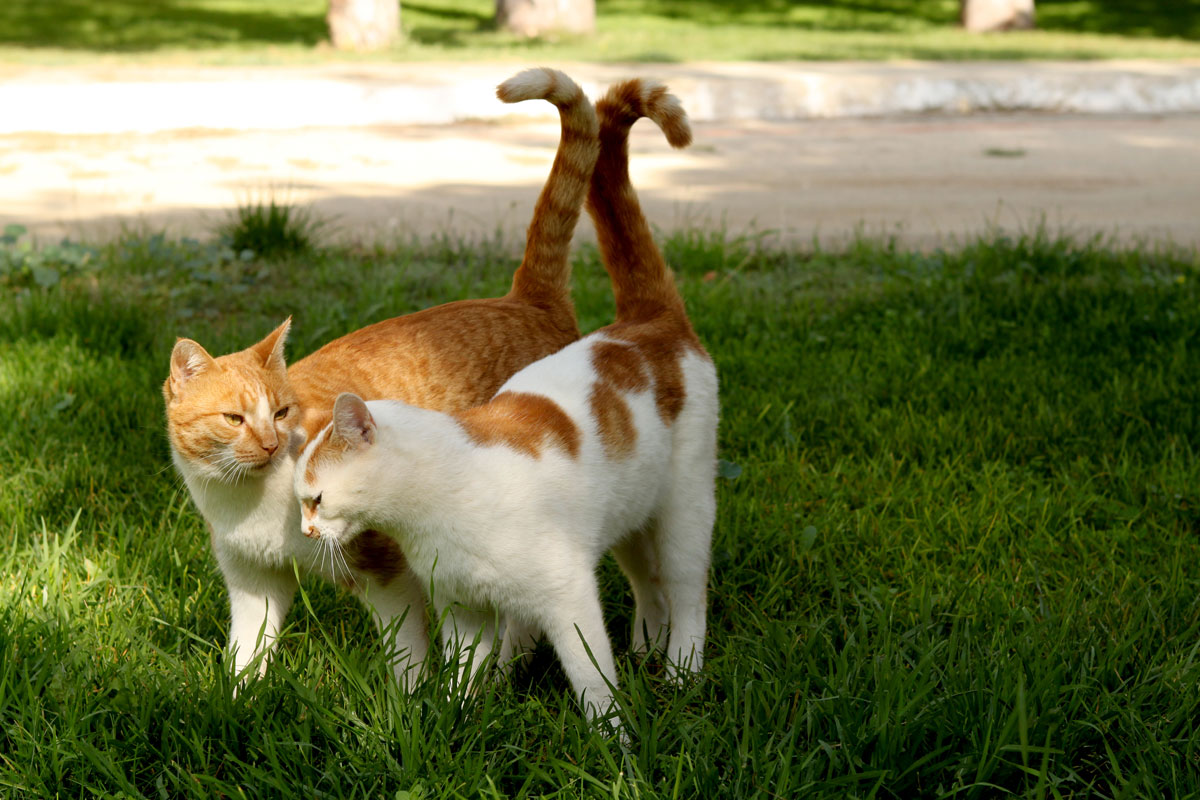
- A raised tail often means a friendly greeting.
- Flattened ears can indicate fear or aggression.
- Slow blinking is a sign of trust and relaxation.
Have you noticed how your cat’s posture changes when meeting another cat? These physical cues help cats understand each other’s mood instantly, regardless of breed differences.
Vocalizations And Sounds
Cats use a range of sounds like meows, purrs, hisses, and growls to communicate. Each sound carries a different meaning depending on the situation.
- Meows often seek attention or express curiosity.
- Purring usually signals contentment but can also mean stress relief.
- Hissing warns others to keep their distance.
Your cat’s unique vocal style might vary, but these sounds are generally understood across breeds. Do you think your cat’s meow changes when it tries to talk to a new feline friend?
Scent Marking
Scent is a silent but powerful form of communication among cats. They use scent glands on their face, paws, and tail base to leave marks.
- Rubbing their face on objects or other cats shares their identity.
- Scratching leaves both visual and scent marks.
- Spraying urine is a way to claim territory.
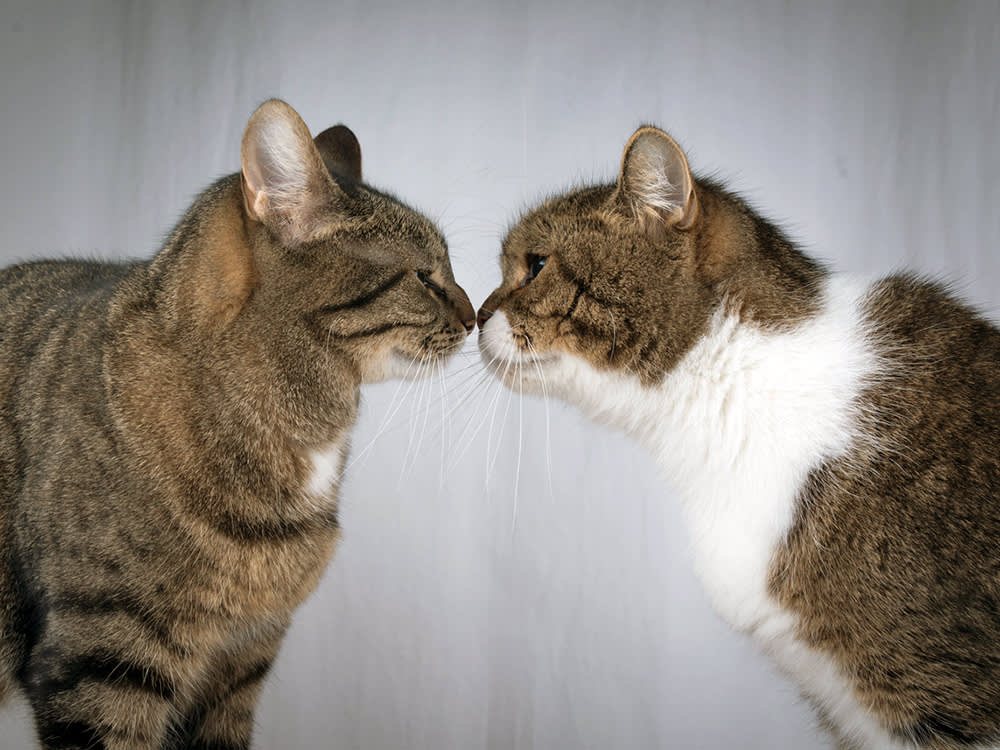
These scent signals help cats recognize each other and understand social boundaries. Have you seen cats sniff each other carefully before deciding to interact?
Credit: www.kinship.com
Breed-specific Traits
Different cat breeds show unique traits that affect how they interact. These breed-specific traits influence their behavior and communication. Understanding these can explain how cats from various breeds understand each other.
Temperament Differences
Each breed has a distinct temperament that shapes its reactions. Some cats are naturally calm and gentle. Others tend to be more active and curious. These differences affect how cats respond to one another. A calm breed may seem uninterested in a playful breed’s antics. Conversely, an energetic cat might try to engage a quieter one repeatedly.
Communication Styles
Cats use body language and sounds to communicate. Different breeds may show subtle variations in these signals. For example, some breeds use more vocalizations. Others rely heavily on tail movements or ear positions. These differences can cause misunderstandings between cats. However, most cats learn to read each other over time. Their ability to adapt helps them communicate despite breed differences.
Social Behavior Variations
Social needs vary between breeds. Some cats prefer solitude and limited interaction. Others enjoy company and playtime with other cats. These social behavior patterns influence how well cats live together. Breeds that thrive in groups tend to accept others easily. Less social breeds might keep their distance or hide. Recognizing these variations helps owners create a peaceful environment for all cats.
Inter-breed Interactions
Different cat breeds use body language and sounds to communicate with each other. They can often understand basic signals despite breed differences. This helps them interact and live together peacefully.
Inter-breed interactions among cats can be as complex as they are fascinating. While they may not speak the same language as we do, cats have their own way of communicating through body language, vocalizations, and scent markings. The question is, do different cat breeds understand each other? Let’s dive into this intriguing topic.Common Misunderstandings
Cats, much like people, have their own unique personalities and communication styles. A Persian cat may interpret the playful antics of a Siamese as aggression rather than an invitation to play. This can lead to misunderstandings between breeds with differing energy levels and social cues. The way cats groom or posture can be misread by another breed unfamiliar with these behaviors. For instance, a slow blink from a British Shorthair might be a friendly gesture, but a Sphynx could interpret it differently.Signs Of Mutual Recognition
Despite their differences, cats often find ways to recognize and understand each other. A tail held high is a universal sign of friendliness among felines. When breeds meet, they may engage in a mutual sniffing session, acknowledging each other’s presence and scent. Cats may also use vocalizations like trills or meows to initiate interaction. Over time, even cats of different breeds may develop a shared set of signals to communicate effectively.Conflict And Cooperation
Conflicts can arise when cats feel threatened or misunderstood. This can manifest as hissing, swatting, or avoiding each other. However, with time and patience, many cats learn to coexist peacefully. Cooperation is seen when cats engage in social grooming or play together. This indicates a level of understanding and comfort between the breeds. Encouraging positive interactions through shared playtime or treats can foster harmony in a multi-breed household. Have you observed any unique interactions between different cat breeds? Understanding these dynamics can help you facilitate a more harmonious environment for your feline friends.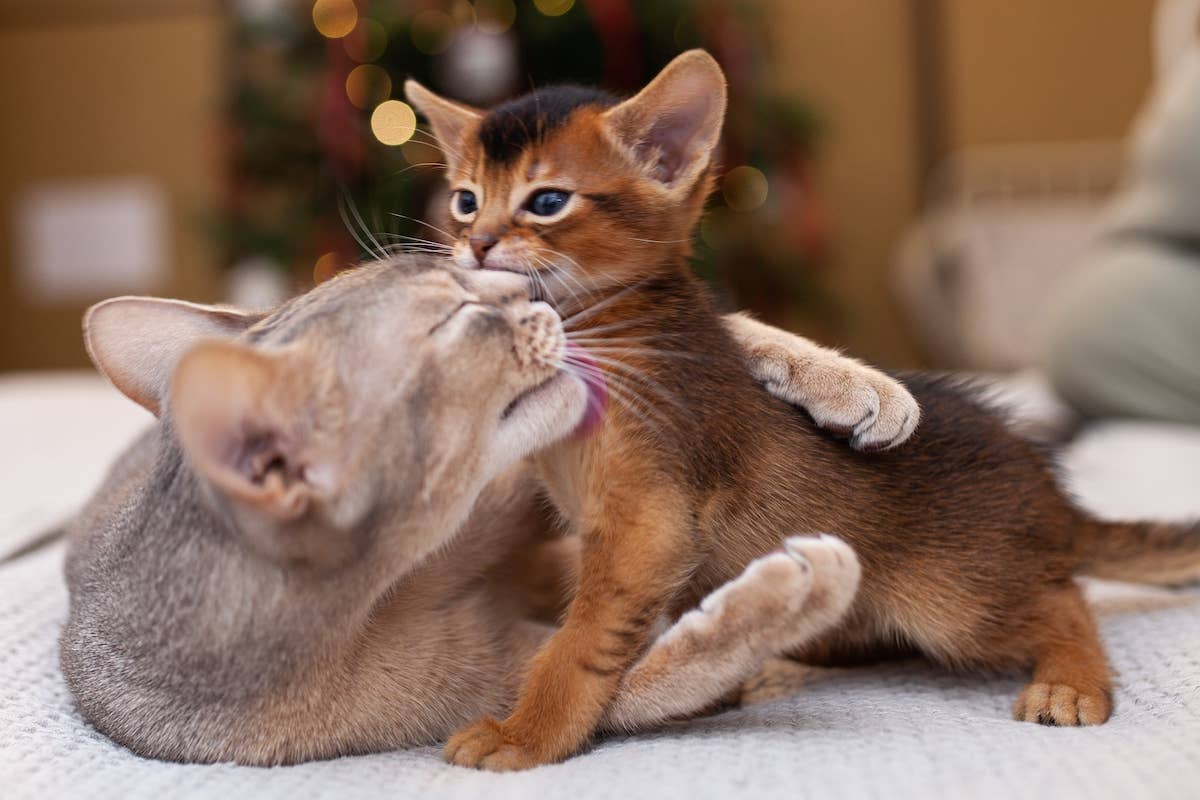
Credit: pethelpful.com
Scientific Studies On Cat Communication
Scientific studies on cat communication reveal fascinating insights into how cats interact—not just with humans but also with each other. These studies help us understand whether different cat breeds can truly comprehend one another or if their communication styles create barriers. Let’s look closely at the research methods, key findings, and what this means for your multi-breed household.
Research Methods
Scientists observe cats in controlled environments and natural settings to study their communication. They use video recordings, behavior analysis, and sometimes even sound playback experiments to see how cats respond to different vocalizations and body language.
Some studies focus on subtle signals like ear position, tail movements, and eye contact. Others analyze meows and purrs to understand if cats recognize breed-specific sounds or if communication is universal among them.
Key Findings
Research shows that cats primarily communicate through body language, which is quite similar across breeds. Tail flicks, ear twitches, and whisker positions carry specific meanings that most cats understand, regardless of breed.
Vocal communication, however, appears more variable. Cats seem to adapt their meows mainly to interact with humans rather than each other. This suggests that different breeds don’t rely heavily on unique vocal signals to communicate among themselves.
Interestingly, cats can pick up on emotional cues and stress signals from any breed, which helps them gauge intentions and reactions. This ability supports a kind of “universal language” of feelings that crosses breed lines.
Implications For Multi-breed Households
If you have cats of different breeds, their body language will likely help them understand each other better than you might expect. Watching how they move, position their ears, or flick their tails can give you clues about their mood and intentions.
However, don’t assume their vocalizations mean the same thing across breeds. Pay attention to the context and individual personalities instead. This awareness helps prevent misunderstandings and reduces conflicts.
Have you noticed your cats responding to each other’s body signals or sounds in surprising ways? Observing their interactions closely can teach you how to support peaceful coexistence in your multi-breed family.
Tips For Helping Cats Communicate
Helping cats communicate effectively is key to fostering peace between different breeds in your home. Cats use subtle body language and sounds, so understanding these can prevent misunderstandings and conflicts. Here are some practical tips to help your feline friends connect better.
Creating A Harmonious Environment
Start by giving each cat their own safe space. Separate feeding areas and cozy resting spots reduce competition and stress. Cats feel more secure when they have control over their territory.
Keep the environment calm and predictable. Sudden changes can confuse cats and disrupt communication. Soft lighting and quiet surroundings encourage relaxed interactions.
Recognizing Stress Signals
Learn to spot signs of discomfort like tail flicking, flattened ears, or avoiding eye contact. These signals show your cat is stressed or unsure. Catching these early helps you intervene before tensions rise.
Sometimes, a cat may hide or stop grooming. These behaviors often mean anxiety. Paying attention to these clues can improve your cats’ communication and wellbeing.
Encouraging Positive Interactions
Use treats and gentle petting to reward calm, friendly behavior between cats. Positive reinforcement builds trust and encourages them to approach each other peacefully. Playtime with shared toys can also boost bonding.
Observe their body language during interactions. If you notice signs of aggression, separate them calmly and try again later. Patience and consistency are essential for successful communication.
Have you noticed your cats using unique ways to ‘talk’ to each other? Sharing your experiences can help others improve their pets’ relationships too.
Credit: www.companionanimalpsychology.com
Frequently Asked Questions
Can Different Cat Breeds Communicate Effectively?
Yes, different cat breeds communicate using universal body language and vocalizations. Their shared instincts help them understand each other well.
Do Cats Recognize Signals From Other Breeds?
Cats recognize common signals like tail position and ear movements. These signals convey emotions and intentions across all breeds.
How Do Breed Differences Affect Cat Interactions?
Breed differences influence play styles and social behavior but do not prevent basic communication. Cats adapt to each other’s signals naturally.
Can Mixed-breed Cats Understand Purebred Cats?
Mixed-breed and purebred cats share communication methods. They can understand each other’s cues and coexist peacefully with time.
Conclusion
Cats from different breeds can often understand each other well. They use body language and sounds to communicate. Even with breed differences, their basic signals stay the same. This helps them get along and share space. Sometimes, they may need time to adjust and learn each other’s ways.
Watching their interactions can be interesting and fun. Understanding this helps owners care better for their pets. Cats show us that communication goes beyond words. They connect through simple, natural cues every day.



Leave a Reply