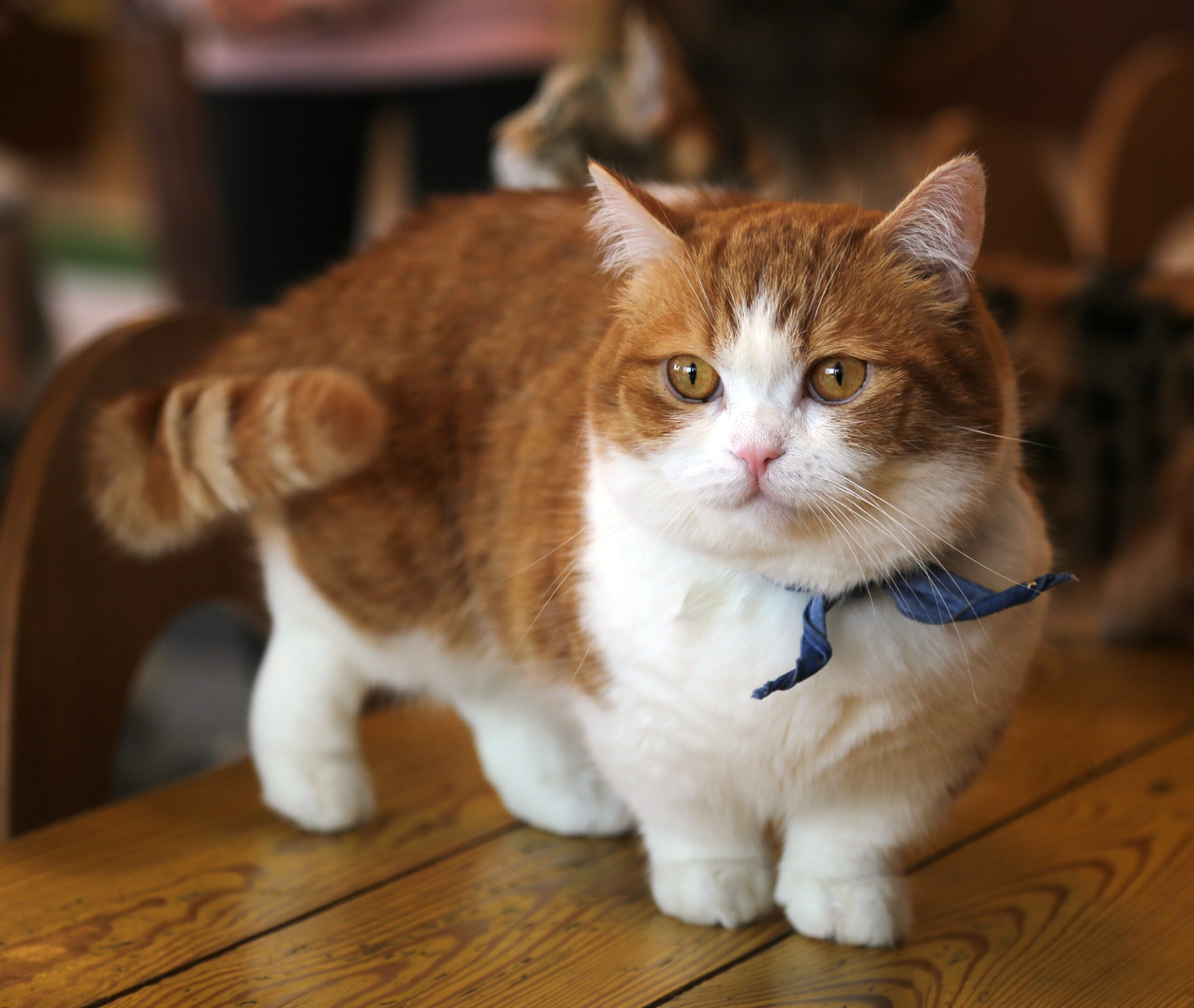
Are you worried about the rapid breeding of Munchkin cats and want to take control? You’re not alone.
Many cat lovers struggle with how to manage and stop the overpopulation of this unique breed. If you care about the health and well-being of Munchkin cats, it’s crucial to understand the steps you can take to prevent unwanted litters.
You’ll discover practical and easy-to-follow methods that will help you stop the breeding of Munchkin cats for good. Keep reading to protect these adorable pets and make a real difference.
Reasons To Control Munchkin Cat Breeding
Controlling the breeding of Munchkin cats is crucial for several important reasons. Without careful management, the consequences can affect the cats’ health, ethical standards in breeding, and the overall cat population. Understanding these reasons helps you make informed decisions about responsible pet ownership and breeding practices.
Health Risks In Munchkin Cats
Munchkin cats are known for their short legs, a trait caused by a genetic mutation. This mutation can lead to serious health problems like spinal issues and arthritis. Breeding without control increases the chance of passing on these conditions, putting kittens at risk from birth.
Have you ever seen a Munchkin struggling to jump or move comfortably? This is often a sign of underlying health complications. By controlling breeding, you help reduce such painful conditions and improve the quality of life for these cats.
Ethical Considerations
Breeding Munchkin cats without regard for their well-being raises ethical questions. Is it fair to bring kittens into the world when they may suffer from physical challenges? Responsible breeders prioritize the cats’ health over appearance or novelty.
You have the power to support ethical breeding practices by choosing not to encourage uncontrolled breeding. Think about the responsibility that comes with owning or breeding a pet with known genetic issues. Your choices can promote kindness and respect toward these animals.
Impact On Cat Population
Uncontrolled breeding contributes to the overpopulation of cats, which often leads to more strays and shelters overwhelmed with animals in need. Munchkin cats, like any breed, require careful breeding to prevent this problem.
When you control breeding, you help maintain a balanced and healthy cat population. This reduces the number of cats facing homelessness and increases the chances that every cat finds a loving home.

Credit: www.petsradar.com
Signs Your Munchkin Cat Is Ready To Breed
Recognizing when your Munchkin cat is ready to breed helps manage their health and control overpopulation. Cats show clear signs that they have reached sexual maturity. These signs include changes in their body and behavior. Knowing these signs allows you to act responsibly and prevent unwanted litters.
Physical Indicators
- Swollen and pinkish genital area in females.
- Increased size of the testicles in males.
- Weight gain and fuller body shape.
- Development of secondary sexual traits, such as a thicker neck in males.
- Appearance of nipples in females, sometimes more pronounced.
Behavioral Changes
- Loud and frequent vocalizations, especially in females.
- Restlessness and pacing around the home.
- Increased affection or rubbing against people and objects.
- Spraying or marking territory with urine.
- Attempts to escape outdoors to find mates.
Spaying And Neutering Benefits
Spaying and neutering Munchkin cats prevents unwanted litters and helps control overpopulation. It also reduces health risks and unwanted behaviors. This simple step supports responsible pet care and keeps cats healthy.
Spaying and neutering offer numerous benefits for Munchkin cats. These procedures prevent unwanted litters, reducing the population growth. They also improve the health and behavior of your feline friend. Let’s dive into the specific advantages.Health Advantages
Spaying and neutering can prolong a cat’s life. Fixed cats have a lower risk of certain cancers. This includes ovarian and testicular cancers. Reduced risk of uterine infections is another benefit. These procedures can also prevent prostate problems. Overall, spaying and neutering lead to healthier lives.Behavioral Improvements
Fixed cats often display calmer behavior. They are less likely to roam. This reduces the risk of accidents. Neutered males are less aggressive. This means fewer fights and injuries. Spayed females don’t experience heat cycles. This leads to a quieter and more relaxed home environment.Long-term Population Control
Spaying and neutering help control the cat population. Fewer kittens mean fewer cats in shelters. This helps provide better care for existing animals. It reduces the strain on animal shelters. Responsible breeding practices ensure healthier generations. This contributes to a balanced ecosystem.Alternatives To Breeding Munchkin Cats
Stopping the breeding of Munchkin cats doesn’t mean you have to miss out on the joy these unique felines bring. There are meaningful alternatives that support the well-being of Munchkin cats while addressing ethical concerns related to breeding. By focusing on adoption and responsible ownership, you can contribute to healthier cat populations and happier homes.
Adoption And Rescue Options
Adopting a Munchkin cat from a shelter or rescue group is a powerful way to help. Many Munchkins need loving homes due to abandonment or previous neglect. When you choose adoption, you give a cat a second chance and reduce the demand for breeding.
Rescue organizations often have adult Munchkins with known temperaments and health histories. This information helps you prepare for the care your new pet requires. Have you considered how adopting could save a life and bring unexpected joy to your home?
- Check local shelters and specialized cat rescues for Munchkin cats.
- Attend cat adoption events to meet cats and learn about their needs.
- Volunteer with rescue groups to understand the challenges cats face.
Promoting Responsible Ownership
Owning a Munchkin cat responsibly means understanding their special needs and health risks. These cats can have spinal issues due to their short legs, so regular vet check-ups are vital. Responsible owners educate themselves and others about proper care instead of encouraging breeding.
Encourage your community to spay or neuter their pets to prevent accidental litters. Share your experiences with other cat lovers to raise awareness. What if more people took responsibility seriously—how would that change the future for Munchkin cats?
- Invest in quality veterinary care tailored to Munchkin cats.
- Support educational campaigns about pet sterilization.
- Promote adoption over purchasing from breeders.
Preventing Unplanned Mating
Preventing unplanned mating is essential to control the breeding of Munchkin cats. It helps avoid unwanted litters and keeps your pets safe. Careful management of their environment reduces the chances of accidental encounters between males and females. This section explains how to stop unplanned mating effectively.
Managing Indoor And Outdoor Access
Control where your Munchkin cats can go. Keep females and males in separate areas during heat cycles. Close doors and windows to prevent escapes. Use cat-proof screens to block outdoor access if needed.
Outdoor access requires extra caution. Allow outdoor time only under supervision or in secure enclosures. This limits contact with unknown cats that may cause unplanned mating.
Supervision And Separation Techniques
Watch your cats closely when they are together. Separate males and females during the female’s heat period. Use separate rooms or crates if needed.
Train your cats to respond to commands and use barriers like baby gates. This helps keep them apart without stress. Consistent supervision prevents accidental matings and keeps your cats safe.

Credit: purebredkitties.com
Caring For Spayed Or Neutered Munchkin Cats
Caring for spayed or neutered Munchkin cats goes beyond the surgery itself. It involves attentive care and lifestyle adjustments to ensure your cat stays healthy and happy. Paying attention to their unique needs after surgery can prevent complications and support their well-being.
Post-surgery Care Tips
After spaying or neutering, your Munchkin cat needs a calm environment to recover. Limit their movement to prevent strain on the incision site. You might find your cat restless; providing a cozy, quiet space helps them relax.
Check the surgical area daily for redness, swelling, or discharge. If you notice anything unusual, contact your vet immediately. Avoid letting your cat lick the wound—using an Elizabethan collar can be very effective.
Feed your cat small, frequent meals and ensure they have plenty of fresh water. Appetite changes are normal but should return to usual within a day or two. Always follow your veterinarian’s instructions about medication and follow-up visits.
Maintaining A Healthy Lifestyle
Spaying or neutering can slow down your Munchkin cat’s metabolism, increasing the risk of weight gain. Are you prepared to adjust their diet accordingly? Feeding measured portions of high-quality cat food helps maintain an ideal weight.
Encourage regular play to keep your Munchkin active and engaged. Short, gentle play sessions are perfect, especially at first. Toys that stimulate their curiosity, like feather wands or laser pointers, can keep them moving without overexertion.
Monitor your cat’s weight monthly to catch any changes early. If you notice a shift, consult your vet about diet or exercise adjustments. Keeping your Munchkin fit reduces health risks and supports their unique build.
Working With Veterinarians And Experts
Stopping the breeding of Munchkin cats is a responsibility that requires more than just good intentions. Working closely with veterinarians and feline experts can make a significant difference in managing your cat’s health and preventing unwanted litters. These professionals bring the knowledge and tools you need to make informed decisions for your pet’s well-being.
Choosing The Right Vet
Your choice of veterinarian can impact how effectively you manage your Munchkin cat’s reproductive health. Look for vets who have experience with Munchkin cats or other breeds with unique health concerns. They will understand the specific risks and challenges associated with the breed, such as spinal issues or complications related to breeding.
Ask potential vets about their approach to spaying and neutering, and whether they offer advice on preventing breeding. You want a vet who listens and provides clear, practical guidance tailored to your cat’s needs. Have you ever considered how much a vet’s expertise can influence your cat’s quality of life?
Regular Health Checkups
Scheduling regular health checkups is essential to monitor your Munchkin cat’s overall condition and reproductive status. These visits allow your vet to detect early signs of health problems that might affect breeding decisions. It’s easier to prevent unwanted litters when you stay ahead of any medical issues.
During these checkups, your vet can discuss sterilization options and the best timing for procedures like spaying or neutering. This ongoing dialogue ensures that your cat remains healthy and that breeding is controlled responsibly. How often do you bring your cat for a checkup, and what has your vet advised about breeding prevention?
Credit: www.petscare.com
Frequently Asked Questions
How Can I Prevent Munchkin Cats From Breeding?
The best way to prevent breeding is to spay or neuter your Munchkin cat. This avoids unwanted litters and reduces health risks.
Why Is Controlling Munchkin Cat Breeding Important?
Controlling breeding helps prevent genetic defects common in Munchkin cats. It also reduces overpopulation and promotes responsible pet ownership.
What Are The Risks Of Breeding Munchkin Cats?
Breeding Munchkin cats can cause spinal issues and joint problems. It may also lead to health complications in kittens.
When Should I Spay Or Neuter My Munchkin Cat?
Spaying or neutering is usually recommended between 4 to 6 months of age. Early surgery helps prevent early pregnancies and unwanted behavior.
Conclusion
Stopping the breeding of Munchkin cats helps protect their health. It prevents genetic problems linked to their short legs. Responsible pet owners play a key role in this effort. Choosing spaying or neutering keeps the cat population under control. Sharing knowledge with others spreads awareness about the risks.
Small actions make a big difference for these cats. Caring for pets means thinking about their well-being first. Let’s work together to keep Munchkin cats safe and healthy.

Leave a Reply