Have you ever wondered how long humans have been shaping the cats we know and love today? Cats have been by our side for thousands of years, but the story of breeding them into different breeds is even more fascinating.
Understanding this history can change the way you see your furry friend and deepen your connection with them. Keep reading, and you’ll discover surprising facts about the origins of cat breeding that might just make you look at your cat in a whole new light.
Credit: www.pbslearningmedia.org
Origins Of Cat Domestication
The story of how cats became part of our lives is fascinating and stretches back thousands of years. Understanding the origins of cat domestication helps you appreciate the unique bond you share with your feline friend. It also reveals how humans and cats evolved together from wild creatures to beloved companions.
Wildcats To Companions
Wildcats, the ancestors of today’s domestic cats, roamed freely across various continents. These solitary hunters were known for their agility and sharp instincts. Over time, some wildcats started living closer to human settlements, drawn by the abundance of rodents.
This shift didn’t happen overnight. It was a gradual process, where wildcats adapted to living near humans. Their natural hunting skills helped protect grain stores from pests, making them valuable without formal breeding. Have you noticed how your cat still shows hunting behaviors? That instinct traces back to those early wildcats.
Early Human-cat Relationships
Humans and cats first connected in a practical way. Early farmers needed pest control, and cats needed food and shelter. This mutual benefit laid the foundation for trust and cooperation between species.
Archaeological evidence shows cats living alongside humans as early as 9,000 years ago in the Near East. These cats were not pets in the modern sense but were tolerated guests. Over generations, people began to appreciate their company beyond utility, leading to more intentional breeding and care.
Think about your cat’s behavior—independent yet affectionate. This balance reflects thousands of years of selective interaction. What small actions do you take to deepen your cat’s trust and bond today?
Credit: www.theguardian.com
Ancient Cat Breeding Practices
Ancient cat breeding practices reveal a fascinating relationship between humans and felines that spans thousands of years. Long before modern breeds appeared, people selectively bred cats for traits they valued, shaping their behavior and appearance. Understanding these early practices helps you appreciate how cats became the companions we know today.
Cats In Ancient Egypt
Ancient Egyptians were among the first to breed cats intentionally. They admired cats not only for their hunting skills but also for their spiritual significance. Cats were often associated with the goddess Bastet, symbolizing protection and fertility.
Egyptians bred cats with specific traits like sleek bodies and distinct markings. These cats were kept as pets and guardians of grain stores, preventing rodent damage. Your domestic cat’s graceful form traces back to these early selective breeding efforts.
Interestingly, harming a cat in Egypt was considered a serious crime. This respect encouraged careful breeding and care. Have you ever noticed how your cat’s personality sometimes feels almost regal? That sense of dignity likely has roots in this ancient reverence.
Cats In Other Ancient Civilizations
Outside Egypt, several ancient cultures valued cats and practiced selective breeding, though in less documented ways. The Romans, for example, kept cats to control pests and admired their independence.
In parts of Asia, cats were bred for traits like calmness and hunting ability. Japanese and Chinese cultures have long histories of valuing cats for companionship and luck. This shows that breeding wasn’t just about looks but also about personality and function.
What traits do you find most important in your cat? Ancient breeders focused on practical qualities, and you might consider these when choosing or caring for your feline friend today.
Medieval And Renaissance Cat Breeding
During the Medieval and Renaissance periods, cat breeding gained momentum in Europe. This era marked a significant shift in how people perceived and interacted with cats. Breeding practices evolved, influenced by cultural and social changes. Cats began to appear more frequently in art and literature, reflecting their rising popularity.
Cats In Europe
Cats arrived in Europe through trade routes. They were initially valued for their hunting skills. Farmers and merchants kept them to control pests. The Black Plague intensified the need for cats. People believed cats could help reduce the rat population. Their presence became more common in households and barns.
Changing Attitudes Toward Cats
During the Renaissance, views on cats changed. Cats gained a more positive reputation. They were no longer seen only as pest controllers. People began to appreciate their companionship. Artists depicted them in paintings, symbolizing mystery and elegance. Literature also portrayed cats in a kinder light.
Superstitions around cats slowly diminished. They were no longer associated solely with witchcraft. Instead, cats became beloved household members. Breeding practices improved, focusing on appearance and temperament. This laid the groundwork for modern cat breeds.
Modern Cat Breeding Emerges
Modern cat breeding began to take shape in the late 19th and early 20th centuries, marking a shift from simply keeping cats as pets to actively shaping their appearance and traits. This period saw a growing interest in defining clear standards for different cat types, which eventually led to the creation of recognized breeds.
As you explore the history of cat breeding, consider how the idea of selectively breeding cats for specific traits changed the way people viewed these animals. It wasn’t just about companionship anymore; breeders aimed to preserve and enhance unique qualities.
Development Of Distinct Breeds
Distinct cat breeds emerged as breeders focused on specific physical and personality traits. They carefully paired cats that exhibited desired features such as coat patterns, eye color, and body shape.
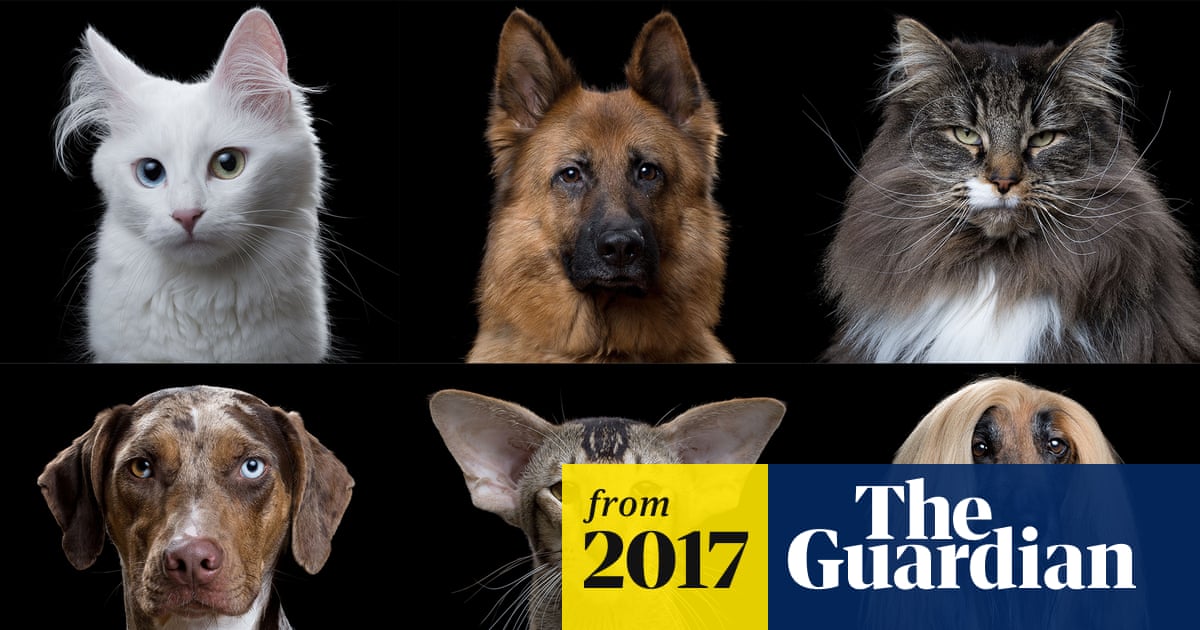
This selective breeding resulted in well-known breeds like the Siamese, Persian, and Maine Coon. Each breed tells a story about human preferences and the environment where the cats were developed.
Have you noticed how some breeds resemble their original regions? For instance, the Norwegian Forest Cat reflects the rugged Scandinavian climate with its thick fur.
Role Of Cat Shows And Clubs
Cat shows and clubs played a crucial role in shaping modern cat breeding. They created platforms where breeders could showcase their cats and compare them against established standards.
These events encouraged breeders to improve their stock and helped popularize various breeds. Clubs also established official rules and registration systems, adding legitimacy to breeding practices.
Think about how competition and community combined to push breeding forward. Without these gatherings, would we have the same diversity of breeds today?
Scientific Advances In Cat Breeding
Scientific advances have dramatically changed the way we breed cats. These developments allow breeders to understand feline genetics better and improve breed standards while addressing health and ethical issues. Understanding these advances can help you make informed decisions if you’re considering breeding or adopting a purebred cat.
Genetics And Breed Standards
Genetics now plays a key role in cat breeding. Breeders use DNA testing to identify specific traits and hereditary diseases early on. This helps maintain breed purity and predict the physical and behavioral traits of kittens.
Breed standards have become more precise due to scientific input. These standards guide breeders on ideal characteristics like coat color, eye shape, and body structure. By following these clear guidelines, breeders can produce cats that meet established qualities and appeal to enthusiasts.
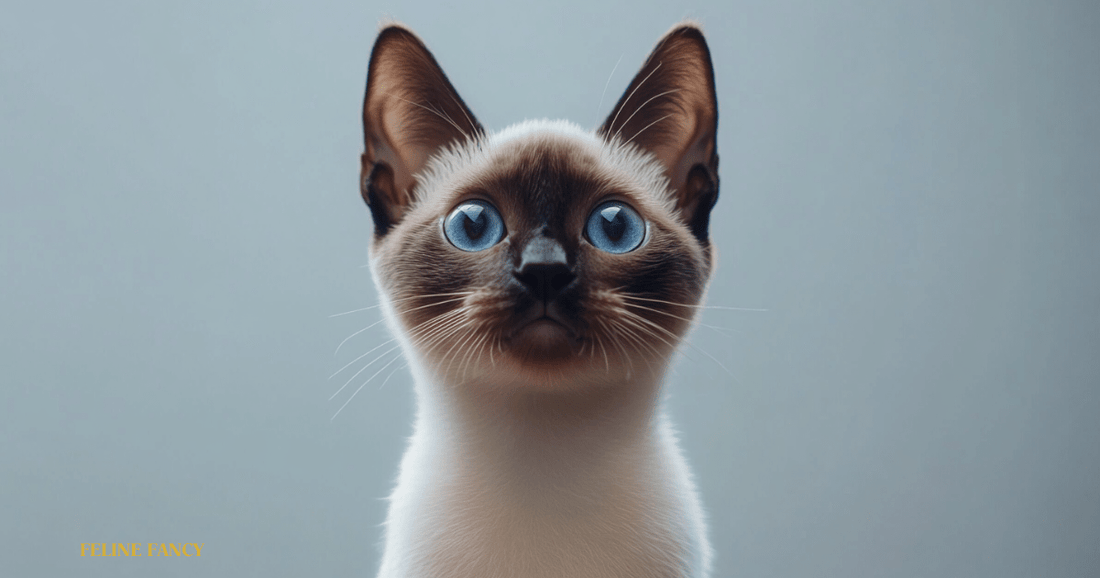
Have you ever wondered how breeders ensure that a Siamese cat’s striking blue eyes and slender body stay consistent through generations? Genetic testing and careful mate selection make this possible.
Health And Ethical Considerations
Health is now at the forefront of cat breeding discussions. Genetic screening helps identify carriers of inherited diseases like hypertrophic cardiomyopathy (HCM) and polycystic kidney disease (PKD). This knowledge allows breeders to avoid pairing cats that could pass on serious health issues.
Ethical breeding practices have gained importance alongside scientific advances. Breeders are more aware of the need to prioritize the well-being of cats rather than just focusing on appearance. This shift encourages responsible breeding that supports both the health of the animals and the satisfaction of their future owners.
Are you aware of the ethical challenges that come with breeding for extreme physical traits? Sometimes, these traits can cause health problems, and it’s up to breeders to balance beauty with the cat’s quality of life.
Popular Cat Breeds And Their Origins
Cat breeding has a rich history that spans thousands of years. Over time, humans have bred cats for specific traits and appearances. This process created many popular breeds with unique origins. Each breed tells a story about where it came from and how it evolved.
Understanding the difference between long-haired and short-haired breeds helps reveal the diversity among cats. Some breeds are common and easy to find. Others are rare and exotic, prized for their unusual looks and origins.
Long-haired Vs. Short-haired Breeds
Long-haired cats have thick, flowing coats. These coats need regular grooming to stay healthy. Famous long-haired breeds include the Persian and Maine Coon. Persians originated in Persia (modern-day Iran) and are known for their calm nature. Maine Coons come from North America and are one of the largest domestic cats.
Short-haired cats have smooth, sleek fur that is easy to care for. Popular short-haired breeds include the Siamese and the British Shorthair. Siamese cats started in Thailand and are known for their striking blue eyes and vocal nature. British Shorthairs come from the UK and are known for their round faces and dense coats.
Exotic And Rare Breeds
Exotic breeds often have unusual features that make them stand out. The Sphynx, for example, has little to no fur. This breed began in Canada and is loved for its playful personality. Another rare breed is the Bengal, which looks wild with its leopard-like spots. Bengals were developed by crossing domestic cats with Asian leopard cats.
Rare breeds may need special care and are less common in homes. The Scottish Fold, with its folded ears, comes from Scotland and is very charming. The Russian Blue, known for its silver-blue coat and green eyes, has roots in Russia. These breeds add variety and excitement to the world of cats.
Future Trends In Cat Breeding
The future of cat breeding holds exciting possibilities. Advances in science and technology will shape how breeders select and care for cats. Ethical concerns and the need to protect rare breeds will also influence the direction of cat breeding. Emerging trends focus on healthier cats and preserving feline diversity.
Technological Innovations
Technology improves breeding accuracy and cat health. DNA testing helps identify genetic diseases early. This allows breeders to avoid passing on harmful traits. Artificial intelligence aids in predicting the best breeding pairs. New tools monitor cat health and behavior more closely. These advances reduce risks and improve the quality of breeds.
Conservation And Preservation Efforts
Protecting rare and endangered cat breeds gains more attention. Breeders work with conservation groups to maintain genetic diversity. Programs aim to save breeds threatened by extinction. Breeding focuses on preserving natural traits and avoiding inbreeding. Education spreads awareness about the importance of breed preservation. This effort helps keep unique cat breeds alive for future generations.
/https://tf-cmsv2-smithsonianmag-media.s3.amazonaws.com/filer/db/72/db72a8de-b239-4c93-baa6-a022798ef3e2/4269817237web.jpg)
Credit: www.smithsonianmag.com
Frequently Asked Questions
How Long Have Humans Bred Cats?
Humans have been breeding cats for over 4,000 years. Ancient Egyptians first domesticated cats around 2000 BCE. Since then, selective breeding developed various cat breeds worldwide.
When Did Cat Breeding Become Popular?
Cat breeding gained popularity in the 19th century. Formal breed standards and cat shows began emerging during this time. This period marked the start of organized cat breeding efforts.
Why Do People Breed Cats?
People breed cats to preserve traits and create new breeds. Breeding helps maintain health, temperament, and appearance. It also satisfies demand for specific breed characteristics.
How Are Cat Breeds Developed?
Cat breeds develop through selective breeding of specific traits. Breeders mate cats with desired features to enhance those traits. This process takes many generations to stabilize a breed.
Conclusion
Cats have been bred by humans for thousands of years. This long history shows our strong bond with them. Breeders have shaped many cat types with unique traits. Each breed tells a story of care and time. Understanding this helps us value cats more.
They are not just pets but part of culture. Our connection with cats will keep growing. Breeding has made cats diverse and special companions. The journey of cat breeding is still ongoing. It reflects how much we cherish these animals.

Leave a Reply