Grooming your cat can be a challenge, especially when they don’t want to stay still. You want to keep your furry friend calm and safe, but you might worry about scratching or stress.
Learning how to properly restrain your cat while grooming is the key to making this task easier for both of you. You’ll discover simple, effective techniques to gently hold your cat without causing fear or discomfort. Keep reading to find out how you can turn grooming time into a peaceful and stress-free routine.

Credit: icatcare.org
Preparing For Grooming
Preparing your cat for grooming sets the stage for a smooth, stress-free session. Taking time before grooming helps your cat feel safe and comfortable. It also makes handling easier and reduces the chance of scratches or bites. Preparation involves picking the right tools, creating a calm space, and choosing the best time to groom.
Choosing The Right Tools
Select grooming tools that fit your cat’s coat type. Use a soft brush for short-haired cats and a comb for long hair. Nail clippers designed for cats prevent accidents. Keep all tools clean and within reach before starting. Having everything ready avoids sudden movements and stress.
Setting A Calm Environment
Find a quiet, cozy spot with good lighting. Avoid noisy or busy areas that can scare your cat. Soft background sounds or gentle music help soothe your pet. Use a non-slip mat on the surface to keep your cat steady. Calm surroundings help your cat stay relaxed and cooperative.
Timing Your Grooming Session
Pick a time when your cat feels calm and sleepy. Right after a meal is often best. Avoid grooming during active or playful moments. Keep sessions short at first to build trust. Gradually increase grooming time as your cat becomes more comfortable.

Credit: www.amazon.com
Techniques To Restrain Your Cat
Restraint helps keep your cat calm and safe during grooming. It prevents sudden moves that may cause injury. Using the right technique makes grooming easier for both you and your cat. Comfort and security matter most. Choose a method that suits your cat’s size and personality.
Using Towels For Gentle Restraint
Wrap your cat gently in a soft towel. Leave the head exposed for easy access. The towel stops your cat from scratching or escaping. Use one hand to hold the wrapped cat steady. Keep the grip firm but gentle. Towels work well for nervous or squirmy cats.
Employing A Grooming Table Or Station
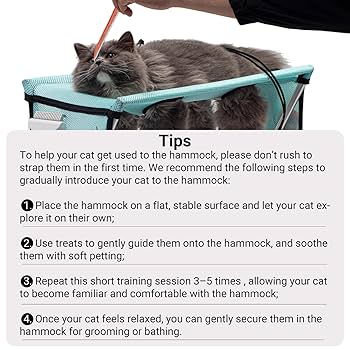
A grooming table offers a stable surface at a good height. Non-slip mats stop your cat from sliding. Some tables have side rails or loops for extra control. Keep your cat comfortable by speaking softly. Grooming stations keep tools close, reducing stress and movement.
Harnesses And Carriers For Control
Use a harness designed for cats to limit movement safely. Attach a leash loosely to prevent sudden escapes. Carriers can calm cats by providing a small, enclosed space. Open the carrier door slowly during grooming. Harnesses and carriers work well for short grooming sessions.
Handling Stressed Or Anxious Cats
Handling a stressed or anxious cat during grooming takes care and calmness. Cats may feel scared or uncomfortable with grooming tools and new experiences. Understanding their feelings helps make grooming easier and safer for both of you.
Patience and gentle handling reduce anxiety. Watch your cat’s body language and respond kindly. Creating a calm environment helps your cat relax and enjoy grooming time more.
Recognizing Stress Signals
Knowing when your cat is stressed helps prevent problems. Common signs include:
- Flattened ears
- Wide eyes or dilated pupils
- Hissing or growling sounds
- Rapid breathing or panting
- Trying to escape or hide
- Tense body or tail flicking
Stop grooming if you see these signals. Let your cat calm down before continuing.
Using Calming Aids And Sprays
Calming aids help reduce anxiety during grooming. Consider these options:
- Feliway sprays mimic cat pheromones and soothe stress
- Soft music or white noise creates a peaceful atmosphere
- Comforting scents like lavender (safe for cats) can help
- Using a cozy towel or blanket makes your cat feel secure
Test calming products before grooming. Watch for any bad reactions.
Taking Breaks And Staying Patient
Short grooming sessions work best with anxious cats. Take breaks often:
- Pause if your cat shows stress signals
- Offer gentle petting or treats during breaks
- Speak softly to reassure your cat
- Repeat grooming steps slowly and calmly
Patience builds trust. Your cat learns to accept grooming over time.

Credit: www.grove.co
Safe Grooming Practices
Grooming your cat can be a wonderful bonding experience, but ensuring it’s done safely is crucial. Cats are naturally squirmy, and grooming can sometimes lead to unintended injuries if not handled correctly. Safe grooming practices not only keep your feline friend comfortable but also prevent any grooming session from turning into a stressful ordeal.
Avoiding Common Injuries
Handling your cat gently is vital to avoid injuries. Use a soft, reassuring voice to calm them, and consider wrapping them in a towel to restrict movement gently. This method, often referred to as the “kitty burrito,” helps prevent scratches and bites.
Be mindful of your cat’s body language. If they seem stressed or agitated, pause and give them a break. This approach not only protects you but also ensures that your cat associates grooming with positive experiences.
Proper Nail Trimming Techniques
Nail trimming can be intimidating, but with the right technique, it becomes straightforward. Use a pair of pet-safe nail clippers, and ensure you have a firm grip on their paw. Trim only the sharp tip of the nail, avoiding the pink area known as the quick, which is sensitive and can bleed if cut.
Make it a habit to reward your cat with a treat after each successful nail trim. This positive reinforcement encourages cooperation and makes future sessions easier. If you’re new to nail trimming, consider watching a tutorial or asking your vet for a demonstration.
Cleaning Ears And Eyes Safely
Cats are pretty good at keeping themselves clean, but sometimes they need a little help with their ears and eyes. Use a damp cotton ball or a pet-safe wipe to gently clean around the ears, avoiding inserting anything into the ear canal. For the eyes, gently wipe away any discharge from the corners.
Regular checks can prevent infections and keep your cat comfortable. Have you noticed your cat shaking its head frequently or tearing up more than usual? It might be time for a quick grooming check-up.
By following these safe grooming practices, you can keep your cat looking and feeling their best. Remember, patience and consistency are your best tools for a successful grooming routine!
When To Seek Professional Help
Grooming your cat at home can be rewarding, but sometimes the task becomes overwhelming or even risky. Knowing when to call in a professional can save both you and your feline friend from unnecessary stress or injury. Recognizing the right moment to seek expert help ensures your cat stays calm, safe, and well-groomed.
Signs Your Cat Needs Expert Grooming
Is your cat constantly resisting grooming, scratching, or biting? Aggressive behavior during brushing or nail trimming often signals the need for professional intervention. Additionally, mats and tangles that are too painful or tight for you to handle safely indicate it’s time to ask for help.
Health issues like skin infections, wounds, or excessive shedding can also require special attention from a groomer or veterinarian. If your cat’s fur is tangled beyond what you can manage, or if grooming sessions turn into battles, professionals have the tools and techniques to manage these challenges effectively.
Finding A Reliable Groomer
Choosing the right groomer matters as much as knowing when to seek one. Look for groomers who specialize in cats and have good reviews or recommendations from other cat owners. It’s a good idea to visit the grooming salon beforehand to check the environment—calm, clean, and cat-friendly spaces make a huge difference.
Ask about their experience with difficult cats and the safety measures they use. A groomer who communicates clearly and shows genuine care for your cat’s comfort can turn grooming into a positive experience. Don’t hesitate to inquire about their licensing and certifications.
Preparing Your Cat For Professional Visits
Before the appointment, help your cat get used to the idea of being handled by someone new. Practice gentle handling and touching of paws, ears, and tail regularly. This can reduce anxiety when the groomer needs to examine or trim those sensitive areas.
Bring familiar items like a favorite blanket or toy to the groomer to create a sense of security. Also, keep your cat’s vaccination records handy and share any health concerns with the groomer in advance. Preparing your cat this way can make professional grooming smoother and less stressful for everyone involved.
Frequently Asked Questions
How Can I Safely Restrain A Cat For Grooming?
Use a towel wrap or a cat grooming bag to gently hold your cat. Avoid tight grip. Ensure comfort and calmness during grooming.
What Tools Help In Restraining Cats During Grooming?
Soft towels, grooming gloves, and calming sprays help manage cats. These tools reduce stress and prevent scratches effectively.
How Do I Calm A Nervous Cat Before Grooming?
Speak softly and pet your cat gently. Use treats and a quiet environment to relax your cat before grooming.
Is It Necessary To Restrain A Cat While Grooming?
Yes, gentle restraint prevents injuries and allows thorough grooming. It keeps both you and your cat safe during the process.
Conclusion
Grooming a cat can be tricky but remains important for their health. Gentle handling helps keep your cat calm and safe. Use soft touches and stay patient throughout the process. Keeping sessions short avoids stress for both of you. Practice regularly to make grooming easier over time.
Remember, a calm cat makes grooming smoother and safer. Simple care routines build trust and comfort between you and your pet. Your efforts help your cat stay clean and happy.



Leave a Reply