
If you have a 9-month-old cat, you might be wondering if it’s time to switch to adult food. You want to give your furry friend the best nutrition, but how do you know when the right moment is?
Feeding your cat the wrong food can affect their health and energy. You’ll discover the signs that show your kitten is ready for adult food and learn how to make the transition smooth and safe. Keep reading to make sure your cat stays happy and healthy every step of the way.
When To Switch To Adult Food
Knowing the right time to switch your cat to adult food is important. Cats need different nutrients as they grow. Feeding the right food helps them stay healthy and active. Transitioning too early or too late can affect their growth and digestion.
Signs Your Cat Is Ready
Watch for changes that show your cat is growing up. Your cat may start eating less kitten food. Energy levels may stabilize instead of constant bursts. Teeth will be stronger and more permanent. Your cat might seem less interested in milk. These signs mean your cat’s body is ready for adult food.
Age Guidelines For Transition
Most cats switch to adult food around nine to twelve months old. Some breeds grow faster or slower, so adjust timing if needed. Kittens smaller than usual might need extra time on kitten food. Larger breeds may need more nutrients for longer. Always introduce adult food gradually over a week or two.

Credit: www.proplanvetdirect.com
Differences Between Kitten And Adult Food
Understanding the differences between kitten and adult cat food is key when deciding if your 9-month-old cat can switch to adult food. Each stage of a cat’s life demands specific nutrition to support their growth, energy, and overall health. Let’s break down what sets these two types of food apart so you can make the best choice for your furry friend.
Nutritional Needs
Kittens require more protein and fat than adult cats. Their bodies are in rapid growth mode, building muscles, bones, and organs, so their food must support this development.
Adult cats need balanced nutrition to maintain their current body condition and prevent weight gain. Feeding a kitten formula to an adult cat can lead to excess calories and nutrients, which might cause health problems.
Calorie Content
Kitten food typically contains higher calories per serving to fuel their active lifestyles and growth spurts. This extra energy helps them explore, learn, and play without running out of steam.
Adult cat food has fewer calories since grown cats are generally less active and require less energy. Offering adult food to a kitten too early might leave them hungry and undernourished.
Ingredient Variations
Kitten foods often include added vitamins and minerals like DHA, which supports brain and eye development. These ingredients are carefully chosen to promote healthy growth.
Adult foods focus more on ingredients that support long-term health, such as antioxidants and joint-supporting nutrients. The ingredient list reflects the changing needs of your cat as they mature.
Have you noticed changes in your cat’s behavior or energy when switching foods? Paying close attention to these details can help you decide when your cat is truly ready to move to adult food.
Benefits Of Adult Cat Food At 9 Months
Feeding your 9-month-old cat adult food can bring several advantages that align with their changing nutritional needs. At this age, your feline friend is transitioning from the rapid growth phase of kittenhood toward a more mature stage. Choosing the right food now helps support this shift smoothly and keeps your cat healthy and active.
Supporting Growth Completion
By 9 months, most cats are nearing the end of their physical growth. Adult cat food is formulated with balanced nutrients that maintain muscle mass and support bone strength without the extra calories kittens need. Switching to adult food can help avoid excess weight gain while still providing essential vitamins and minerals.
I once delayed the switch for my cat and noticed she gained unnecessary weight quickly. Moving to adult food helped regulate her energy and kept her lean. Have you observed any changes in your cat’s activity or weight as they approach one year?
Preventing Overnutrition
Kittens require more calories and protein to fuel rapid development, but continuing kitten food past 9 months can lead to overnutrition. Adult cat food contains lower calorie density, which prevents your cat from consuming too much energy and becoming overweight. This helps avoid health issues like diabetes and joint problems later on.
Keep an eye on your cat’s portion sizes and body condition as you make the transition. Adjusting the amount of food based on their weight and activity level ensures they get just what they need. What feeding habits have you found effective in avoiding overfeeding your cat?

Credit: www.chewy.com
Potential Risks Of Early Switching
Switching a 9-month-old cat to adult food too early can lead to problems. Kittens have special needs that adult food might not meet. This change can affect their growth and health in several ways.
Nutrient Deficiencies
Kittens need more protein, fat, and certain vitamins than adult cats. Adult food may lack these essential nutrients. This can slow their growth and weaken their immune system. Missing nutrients can cause long-term health issues. It is crucial to provide proper nutrition during this stage.
Digestive Issues
Kittens have sensitive stomachs that adjust to their diet slowly. Adult food is harder to digest for young cats. Switching too soon may cause diarrhea or vomiting. This can lead to dehydration and discomfort. A gradual transition helps avoid digestive upset and supports gut health.
How To Transition Safely
Transitioning a 9-month-old cat to adult food requires careful attention. Gradually mix adult food with kitten food. Monitor your cat’s reaction and adjust as needed.
Transitioning your 9-month-old cat to adult food can be a seamless process if done carefully. At this age, your cat’s nutritional needs are changing, demanding a different balance of nutrients. It’s essential to ensure this transition is smooth to avoid digestive upsets and ensure your feline friend continues to thrive. Here’s how you can transition safely.Gradual Mixing Method
Start by gradually mixing a small amount of adult cat food into your cat’s current diet. This method allows your cat’s digestive system to adjust slowly. Over the course of 7 to 10 days, gradually increase the proportion of adult food while decreasing the kitten food. By the end of this period, your cat should be eating only adult food. The gradual approach not only aids digestion but also helps your cat adapt to the new flavors and textures. Are you curious about your cat’s favorite flavors? This transition time is perfect to experiment.Monitoring Your Cat’s Response
Keep a close eye on your cat’s response to the new diet. Look for any signs of digestive distress, such as vomiting or diarrhea. Monitor their overall behavior and energy levels. If any adverse reactions occur, slow down the transition or consult your veterinarian. It’s crucial to ensure your cat is maintaining a healthy weight and coat. Does your cat seem more energetic or lethargic? These are indicators of how well they are adapting to the new diet.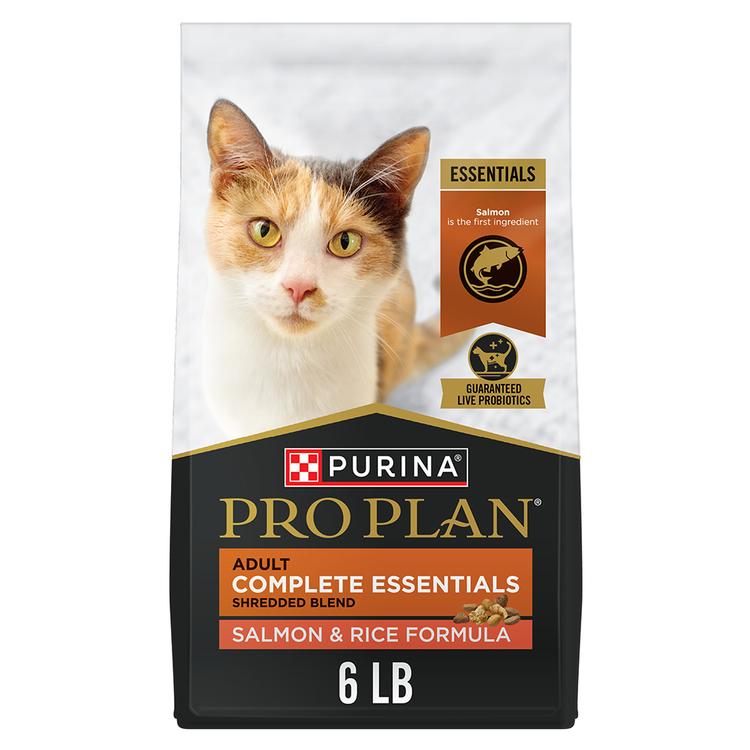
Credit: www.purina.com
Choosing The Right Adult Cat Food
Choosing the right adult cat food for a 9-month-old cat is important for their health. At this age, cats start needing different nutrients than kittens. The food must support their growing body and keep them active. Selecting the best adult food ensures your cat gets the right balance of proteins, fats, and vitamins.
Quality Ingredients
Look for foods with real meat as the first ingredient. Cats need animal protein to stay strong and healthy. Avoid products with too many fillers like corn or wheat. Fresh ingredients provide better nutrition and taste. Foods with added vitamins and minerals help support your cat’s immune system.
Special Dietary Needs
Some cats have allergies or digestive problems. Foods labeled for sensitive stomachs or hypoallergenic formulas can help. If your cat is very active, choose food with higher calories. For less active cats, lower calorie options prevent weight gain. Always consider your cat’s specific needs when picking adult food.
Feeding Schedule And Portion Control
Feeding a 9-month-old cat adult food requires careful attention to both the feeding schedule and portion control. At this age, your cat is transitioning from kittenhood but still growing, so balancing meal frequency and portion sizes is essential to support healthy development without overfeeding. Managing these aspects well can prevent digestive issues and keep your feline friend happy and energetic.
Meal Frequency
At 9 months, your cat’s eating habits are shifting. Unlike the frequent small meals kittens need, your cat can now handle fewer meals a day.
Try feeding your cat 2 to 3 meals daily. This helps maintain steady energy levels and avoids overeating. If your cat seems restless or hungry between meals, a small healthy treat can help.
Have you noticed your cat’s behavior change around feeding times? Adjusting meal times slightly might improve their mood and digestion.
Portion Sizes
Portion control is key when switching to adult food. Adult cat food is more calorie-dense, so your cat needs less volume compared to kitten food.
| Cat Weight (lbs) | Daily Portion (grams) | Meals per Day |
|---|---|---|
| 6-8 | 50-70 | 2-3 |
| 8-10 | 70-90 | 2-3 |
Measure your cat’s food using a kitchen scale or measuring cup. Avoid free-feeding, which can lead to overeating. Watching your cat’s body condition and energy levels will guide you in adjusting portions.
Have you tried varying portion sizes to see what suits your cat best? Sometimes, small tweaks can make a big difference in their health and happiness.
Signs To Consult A Veterinarian
Watching your 9-month-old cat’s behavior and health is important when switching to adult food. Some signs mean a vet visit is necessary. These signs help catch problems early and keep your cat healthy. Pay attention to any changes in your cat’s behavior or health.
Behavioral Changes
- Sudden loss of appetite or refusal to eat
- Increased hiding or withdrawal from family
- Unusual aggression or irritability
- Excessive meowing or vocalization
- Changes in sleep patterns or restlessness
These changes may signal discomfort or illness. A vet can find the cause and help quickly.
Health Concerns
- Vomiting or diarrhea lasting more than a day
- Weight loss or failure to gain weight
- Difficulty breathing or coughing
- Swelling or lumps on the body
- Excessive scratching or skin irritation
Any of these signs need prompt veterinary care. Early treatment improves recovery and comfort.
Frequently Asked Questions
Can A 9-month-old Cat Eat Adult Cat Food?
Yes, a 9-month-old cat can start eating adult cat food. At this age, they are nearing maturity and their nutritional needs change. Adult cat food supports their energy levels and maintains healthy growth. Transition gradually to avoid digestive upset.
When Should I Switch My Kitten To Adult Cat Food?
Switch your kitten to adult cat food around 9 to 12 months old. This period marks the end of rapid growth. Adult food provides balanced nutrients suitable for maintenance rather than growth. Always consult your vet for personalized advice.
What Are The Risks Of Feeding Adult Food Too Early?
Feeding adult food too early may cause nutrient deficiencies. Kittens need higher protein, fats, and calories for growth. Adult food lacks some essential nutrients for kittens. Early switching can lead to poor development and health issues.
How To Transition A 9-month-old Cat To Adult Food?
Transition gradually over 7 to 10 days. Mix increasing amounts of adult food with kitten food daily. This helps prevent stomach upset and encourages acceptance. Monitor your cat’s health and appetite during the switch.
Conclusion
A 9-month-old cat can start eating adult food carefully. Watch your cat’s health and energy each day. Choose high-quality adult food made for cats. Avoid sudden changes; mix old and new food slowly. Proper nutrition helps your cat grow strong and happy.
Always provide fresh water alongside the food. Consult your vet if you notice any problems. Your cat’s needs change as it grows. Feeding the right food supports a long, healthy life. Keep your cat’s diet balanced and safe. Simple steps make a big difference.



Leave a Reply