Grooming your cat can be a challenge, especially when they don’t want to stay still. You might feel frustrated or worried about hurting your furry friend.
But with the right way to gently restrain your cat, grooming becomes easier and safer for both of you. You’ll discover simple, effective techniques that help keep your cat calm and comfortable during grooming. Keep reading, and you’ll learn how to make this important task stress-free—for you and your cat.
Preparing Your Cat
Preparing your cat for grooming is a crucial step that sets the tone for a smooth and stress-free experience. Cats are naturally sensitive to touch and changes in their environment, so taking time to prepare both your cat and your space can make a big difference. How can you make grooming less of a battle and more of a bonding moment?
Choosing The Right Time
Pick a moment when your cat is relaxed and calm, such as after a meal or a play session. Avoid times when they are energetic or anxious, as this can make restraint more difficult. Notice your cat’s natural rhythms—do they have a favorite nap time? That might be the perfect window for grooming.
Creating A Calm Environment
Keep the grooming area quiet and free from distractions. Soft lighting and a comfortable surface help your cat feel secure. You might want to play gentle music or use calming pheromone sprays to reduce stress. Have you noticed how a familiar scent can soothe your cat instantly?
Gathering Grooming Tools
Before you start, assemble all necessary tools within reach. Common items include a brush, comb, nail clippers, and a towel. Having everything ready prevents unnecessary interruptions that could upset your cat. Consider using tools designed specifically for your cat’s coat type for better results.
Safe Restraint Techniques
Keeping your cat calm and secure during grooming is essential for both their comfort and your safety. Safe restraint techniques help prevent accidental scratches and reduce stress for your feline friend. Let’s look at some practical ways to hold your cat gently but firmly, so grooming becomes a smoother experience for you both.
Using Towels And Blankets
Wrapping your cat in a towel or blanket can create a cozy, secure space that limits sudden movements. Lay the towel flat, place your cat in the center, and gently wrap it around their body, leaving the head exposed. This method works well to calm nervous cats and protect your hands from claws.
Make sure the wrap isn’t too tight—your cat should still breathe comfortably and move slightly. You might find that a thicker towel offers better grip and comfort. Have you tried this with your cat? It can surprise you how much calmer they become.
Gentle Hand Positioning
Your hands are the most important tools for safe restraint. Hold your cat’s head gently but firmly with one hand, supporting their body with the other. This keeps them steady without causing fear or discomfort.
Try placing your thumb and forefinger around the scruff if your cat tolerates it, as it mimics how a mother cat carries her kittens. Always watch your cat’s reactions—if they struggle, adjust your grip to be softer. How does your cat respond when you change your hold?
Utilizing Grooming Aids
Grooming aids like harnesses or grooming gloves can assist in controlling your cat safely. A well-fitted harness can restrict movement without causing distress, giving you better control during brushing or nail trims.
Grooming gloves help you feel your cat’s fur texture while gently massaging them, which can distract and relax them. Consider combining these tools with your hands and towels for the best results. Have you noticed your cat’s mood change when using different aids?
Step-by-step Grooming Process
Grooming your cat can be a smooth and even enjoyable experience if you know how to handle them gently and efficiently. Restraining your cat properly during grooming is key to keeping both you and your pet safe. Let’s break down the process into clear, manageable steps that help your cat stay calm and cooperative.
Brushing Tips
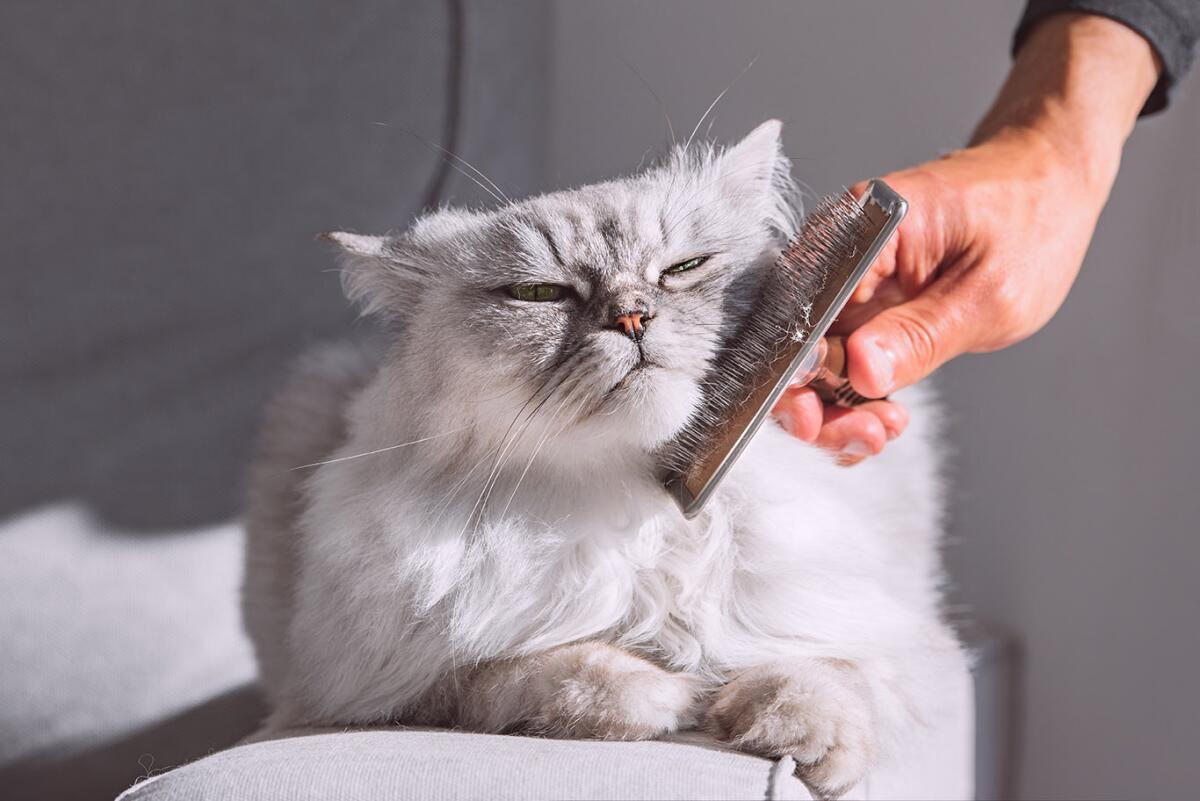
Start by choosing a brush that matches your cat’s fur type—slicker brushes work well for long hair, while rubber brushes suit short hair. Let your cat sniff and explore the brush first to reduce anxiety.
Use slow, gentle strokes, following the direction of hair growth. If your cat tenses or tries to pull away, pause and offer a treat or soft words to reassure them.
Brushing regularly prevents mats and reduces shedding. Have you noticed how your cat’s mood improves after a calm brushing session?
Nail Trimming Methods
Find a comfortable spot where your cat feels secure—your lap or a soft towel on a table works well. Gently press each paw to extend the claws and trim only the sharp tips.
Use nail clippers designed for cats to avoid splitting. If your cat resists, try wrapping them in a towel to limit movement while keeping them calm.
Trim nails every two to three weeks to prevent overgrowth. What’s your go-to trick for keeping nail trimming stress-free?
Bathing Without Stress
Prepare everything beforehand: a shallow tub with warm water, cat-safe shampoo, and towels for drying. Speak softly and move slowly to keep your cat relaxed.
Use a cup or sprayer to wet your cat gently, avoiding the head and ears. Lather shampoo carefully, then rinse thoroughly but calmly.
Dry your cat with a towel and offer a favorite treat right after. Have you tried rewarding your cat post-bath to create a positive association with water?
Managing Stress And Anxiety
Managing stress and anxiety is key to a calm grooming session. Cats can feel scared or uneasy during grooming. Keeping them relaxed helps avoid scratches and makes grooming easier.
Understanding your cat’s feelings helps you act gently and patiently. Small changes in your approach can reduce tension. Creating a calm space and using soothing techniques makes a big difference.
Recognizing Signs Of Discomfort
- Watch for tail flicking or ears flattening.
- Notice if your cat tries to escape or hides.
- Listen for growling, hissing, or meowing loudly.
- Check for tense muscles or wide eyes.
- Recognize if your cat freezes or suddenly moves fast.
Spotting these signs early lets you pause and calm your cat down.
Using Calming Products
- Try pheromone sprays or diffusers to ease nerves.
- Offer calming treats made for pets.
- Use soft blankets with familiar scents.
- Play gentle music or white noise in the background.
- Consider natural supplements after consulting a vet.
These products create a soothing atmosphere for your cat.
Taking Breaks During Grooming
Breaks help your cat stay calm and less stressed. Groom for a few minutes, then pause. Let your cat relax or play before continuing.
Short sessions prevent overwhelming your cat. Use breaks to reward good behavior with gentle petting or treats. This builds trust and makes grooming easier next time.
Training Your Cat For Grooming
Gently wrap your cat in a soft towel to keep it calm and still during grooming. Support the head and body carefully to avoid stress or injury. Patience and calm movements help your cat feel safe while being groomed.
Training your cat for grooming can be a rewarding experience that strengthens your bond. Cats are naturally curious and independent creatures, so introducing grooming routines requires patience and positive reinforcement. By taking small, consistent steps, you can turn grooming into an enjoyable and stress-free activity for both you and your feline friend.Building Positive Associations
Start by associating grooming tools with positive experiences. Let your cat sniff and explore brushes or combs while offering treats or gentle petting. This will help your cat feel more comfortable around grooming tools. Consider placing grooming tools in their favorite spots, like near their bed or food bowl. This way, they become a normal part of the environment. Over time, your cat will begin to see these tools as non-threatening.Short Practice Sessions
Begin with short grooming sessions to prevent overwhelming your cat. A few minutes each day can go a long way in building trust and routine. Focus on areas your cat enjoys being touched, like the back or chin, before moving to more sensitive areas. Gradually increase the length of each session as your cat becomes more accustomed. If your cat shows signs of discomfort or stress, take a break and try again later. Patience is key to making the process smooth and enjoyable.Rewarding Good Behavior
Reward your cat immediately after each grooming session. Use treats, praise, or playtime to reinforce positive behavior and cooperation. This helps your cat associate grooming with fun and rewards. Keep a variety of treats handy, especially those your cat loves the most. This will keep them motivated and eager for the next session. Remember, consistency is crucial for effective training. Training your cat for grooming might seem challenging at first, but with time and patience, it can become a pleasant routine. Have you considered how you can make grooming a bonding activity with your cat?When To Seek Professional Help
Knowing when to seek professional help for grooming your cat can save both you and your pet a lot of stress. Sometimes, despite your best efforts, the task might become too difficult or unsafe. Recognizing these moments is crucial to ensure your cat stays healthy and comfortable.
Signs You Need Assistance
Has your cat become aggressive or overly anxious during grooming? If your pet scratches, bites, or hides consistently, it might be time to get help. Also, check for mats that are too tight or skin irritations you can’t handle safely.
If you notice your cat’s fur thinning or patches of skin redness, don’t wait to consult a professional. Struggling with trimming nails that grow too long or dealing with stubborn dirt and odors are other clear signs you should reach out. Sometimes, your cat’s behavior will tell you more than you expect—are you able to manage without causing pain or fear?
Choosing A Groomer Or Vet
Finding the right professional is about trust and expertise. Look for groomers or vets experienced with cats, especially those who can handle nervous or aggressive animals. Reading reviews and asking for recommendations can guide you to someone who treats your cat with care.
Visit the facility beforehand if possible. Does it feel clean and calm? Are the staff patient and knowledgeable? Your cat’s comfort and safety should be a priority, so don’t hesitate to ask about their methods and certifications.
Preparing For Professional Grooming
Prepare your cat by getting them used to being handled gently at home. Practice short touch sessions on paws, ears, and belly to reduce stress. Bring your cat’s favorite blanket or toy to the appointment to help them feel secure.
Communicate any special needs or concerns to the groomer or vet. Share your cat’s history, temperament, and any health issues. Clear communication helps the professional tailor the grooming process and ensures your cat receives the best care possible.
Frequently Asked Questions
How Do I Safely Restrain A Cat For Grooming?
Use a towel to gently wrap your cat, leaving the head exposed. Hold the cat firmly but calmly to prevent sudden movements. This method keeps your cat secure and reduces stress during grooming.
What Tools Help In Restraining A Cat For Grooming?
A grooming towel, gloves, and a cat grooming harness can help restrain your cat safely. These tools protect you and keep your cat calm. Choose items designed specifically for cats to ensure comfort and safety.
When Is The Best Time To Restrain A Cat For Grooming?
The best time is when your cat is calm or sleepy, often after a meal. Avoid grooming when your cat is agitated or energetic. A relaxed cat makes grooming safer and easier.
How Can I Reduce My Cat’s Stress During Grooming?
Speak softly and use gentle strokes to calm your cat. Offer treats and take breaks if your cat becomes anxious. Creating a quiet environment helps your cat feel secure during grooming.
Conclusion
Grooming a cat can be easier with the right restraint techniques. Stay calm and gentle to keep your cat relaxed. Use soft towels or wraps to hold your cat safely. Take breaks if your cat feels stressed or restless. Practice patience and keep sessions short at first.
Regular grooming helps your cat stay clean and healthy. With time, your cat will trust you more during grooming. Small steps lead to a better grooming experience for both of you.

Leave a Reply