Have you ever noticed your cat licking itself more than usual and wondered if something might be wrong? Cats are known for their grooming habits, but when does this normal behavior turn into a sign of pain or discomfort?
If your furry friend is over grooming, it could be a silent cry for help. Understanding why your cat might be grooming excessively can help you spot pain early and get your pet the care it needs. Keep reading to discover the surprising connection between over grooming and pain in cats—and what you can do to help your beloved companion feel better.
Cats And Grooming Habits
Cats spend a significant part of their day grooming themselves. This behavior is more than just keeping clean; it reflects their physical and emotional well-being. Understanding your cat’s grooming habits can help you spot changes that might indicate discomfort or pain.
Normal Grooming Patterns
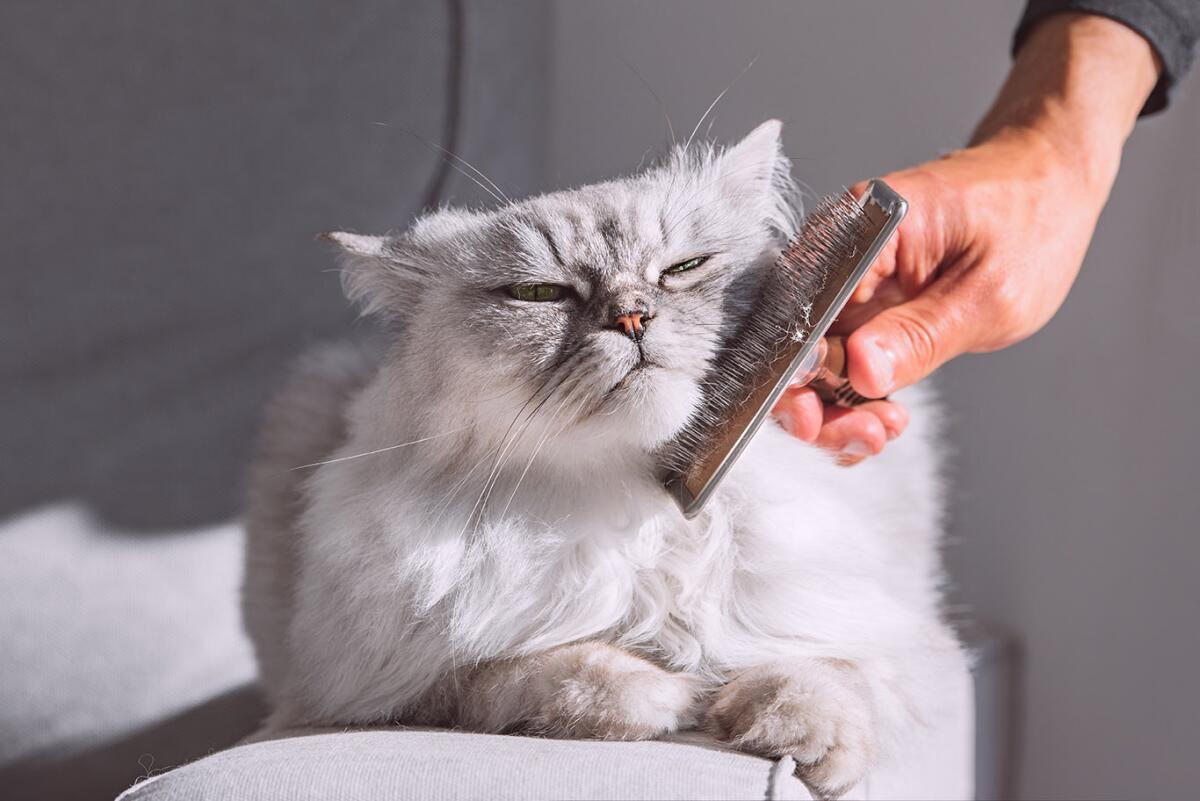
Most cats groom themselves several times a day, using their tongue to clean fur and skin. This routine helps remove dirt, loose hair, and parasites. Usually, grooming sessions last a few minutes and occur after waking up or before sleep.
If your cat suddenly grooms less or more than usual, it might signal an issue. Excessive grooming could lead to bald patches or sores, while too little grooming might result in a matted coat. Pay attention to how your cat grooms different body parts; for example, if they avoid licking a specific area, it could be painful.
Why Grooming Matters
Grooming is crucial for your cat’s hygiene and temperature regulation. It also plays a role in reducing stress and promoting relaxation. When cats are in pain, their grooming habits often change, which can be an early sign of health problems.
Have you noticed your cat licking one spot repeatedly or over-grooming until the skin looks raw? This behavior could be a way to soothe pain or irritation. Observing these signs early lets you consult a vet before the problem worsens.
By knowing what’s normal for your cat’s grooming, you can better understand their health and comfort. Next time you watch your cat clean itself, think about what this behavior tells you about its well-being.
Link Between Pain And Grooming
Cats use grooming to keep clean and calm. Grooming is a normal and healthy habit for cats. But sometimes, cats groom too much. This can be a sign of pain or discomfort. Understanding the link between pain and grooming helps cat owners notice when something is wrong.
Pain changes how cats behave. Over grooming can be a way cats try to soothe themselves. It can also show where the pain is. Watching a cat’s grooming habits gives clues about its health.
How Pain Affects Behavior
Pain makes cats restless and uneasy. They may hide or avoid movement. Grooming more than usual is common. This behavior helps distract from pain. Cats may lick or bite the painful area. This can cause skin damage over time.
Changes in mood can happen too. Cats may seem grumpy or withdrawn. They might stop playing or eating well. Grooming becomes a coping tool. It helps them feel in control.
Reasons For Over Grooming
- Physical Pain:Injuries, arthritis, or skin problems cause discomfort.
- Stress Relief:Grooming reduces anxiety caused by pain or illness.
- Itching and Irritation:Painful spots often itch, leading to licking.
- Attention Seeking:Cats may groom more to get help from owners.
Recognizing over grooming as a pain sign aids early care. It keeps cats healthier and happier.
Common Signs Of Over Grooming
Spotting the signs of over grooming in your cat can be crucial, especially if it’s linked to pain. Over grooming isn’t just about neatness gone too far—it often signals discomfort or stress your cat might be experiencing. Recognizing these signs early helps you take action before the problem worsens.
Visible Skin Irritations
One of the most obvious signs of over grooming is irritated skin. You might notice redness, swelling, or even small sores on areas your cat licks the most. These irritations aren’t just cosmetic; they show your cat is likely focusing on a spot that causes pain or discomfort.
If you see scabs or scaly patches, don’t ignore them. These can develop from constant licking and scratching, making the skin more vulnerable to infections. Have you checked your cat’s favorite grooming spots for any unusual marks lately?
Hair Loss Patterns
Hair loss is another clear indicator of over grooming. Unlike normal shedding, this hair loss appears in specific patches where your cat obsessively licks or bites. These bald spots can vary in size and may look uneven or ragged.
Pay attention to areas like the belly, legs, or tail base—cats often target these when in pain. If your cat suddenly has smooth patches of skin where fur used to be thick, it’s a red flag worth investigating with your vet.
Excessive Licking And Biting
Excessive licking or biting is usually how cats try to soothe themselves. But when this behavior becomes relentless, it causes more harm than good. You might catch your cat licking one spot for minutes on end or biting at their paws or limbs repeatedly.
This behavior often signals underlying pain or anxiety. Ask yourself: is your cat grooming more than usual, or focusing on one area without stopping? Observing these habits closely can reveal a lot about their health and comfort.
Health Issues Behind Over Grooming
Over grooming in cats can signal hidden health problems. Cats may groom excessively when they experience pain or discomfort. Understanding the health issues behind this behavior helps in providing better care. Common causes include injuries, arthritis, and dental problems. Each of these can trigger pain that leads to over grooming.
Injuries And Wounds
Injuries cause pain and irritation. Cats often lick wounds to soothe the area. This licking can become excessive and lead to hair loss or sores. Persistent grooming may prevent healing and worsen the injury. Monitoring for cuts, bites, or bruises is essential.
Arthritis And Joint Pain
Arthritis causes joint stiffness and discomfort. Cats may groom more to ease the pain. They often focus on painful joints or surrounding areas. This behavior can cause bald spots or skin damage. Early detection helps manage arthritis symptoms effectively.
Dental Problems
Pain in the mouth can make cats groom their face or neck more often. Issues like tooth decay or gum disease trigger this response. Over grooming due to dental pain can cause skin irritation. Regular dental check-ups can prevent these problems.
Behavioral Causes To Consider
Cats may groom themselves excessively as a response to pain or discomfort. This behavior can signal stress or injury that needs attention. Observing changes in grooming helps identify possible health issues early.
When cats over groom, it might not always be due to physical pain. Sometimes, the root cause lies in their behavior. Understanding these behavioral triggers can help you address the problem effectively and improve your feline friend’s well-being. Let’s explore some of the most common behavioral causes that might lead your cat to over groom.Stress And Anxiety
Cats, much like humans, can experience stress and anxiety. A change in environment, new family members, or even alterations in their daily routine can trigger these feelings. Over grooming becomes a coping mechanism, providing them with comfort and a sense of control. Have you ever noticed your cat grooming excessively after you’ve had a big move or introduced a new pet into the home? It’s their way of dealing with the change. Addressing the source of stress can often reduce or eliminate the over grooming behavior.Boredom And Lack Of Stimulation
Imagine being stuck in a room with nothing to do all day—it’s no surprise that boredom can lead to over grooming in cats. When they lack mental and physical stimulation, they might resort to excessive grooming as a form of entertainment or to pass the time. Offering engaging toys, interactive play sessions, and vertical spaces can keep your cat occupied and mentally stimulated. A friend of mine introduced a simple laser pointer game for her cat, and it worked wonders in curbing the over grooming behavior. How can you make your cat’s environment more exciting and enriching? By understanding these behavioral causes, you can take proactive steps to help your cat live a more balanced and fulfilling life. Remember, your attentive care can make all the difference.When To Consult A Vet
Knowing when to consult a vet is crucial if your cat is over grooming due to pain. Over grooming can hide deeper health issues that need professional care. Early vet visits help prevent serious problems and relieve your cat’s discomfort quickly.
Recognizing Serious Symptoms
Watch for these signs to know if your cat needs a vet:
- Hair loss in patches or bald spots
- Red, swollen, or raw skin
- Constant licking or biting at one area
- Changes in appetite or drinking habits
- Lethargy or hiding more than usual
- Sudden aggression or unusual behavior
- Signs of limping or difficulty moving
These symptoms may indicate infections, allergies, or injuries. Prompt action can stop these issues from worsening.
What To Expect During A Vet Visit
The vet will examine your cat’s skin and fur closely. They may check for parasites like fleas or mites. Your cat’s overall health will be assessed, including weight and behavior.
Tests such as skin scrapings or blood work might be needed. The vet will ask about your cat’s grooming habits and any changes you noticed. Treatment plans may include medication, special shampoos, or changes in diet.
The vet will also give advice on how to reduce your cat’s stress and prevent over grooming. Follow-up visits might be necessary to track progress and adjust care.
Treatment Options For Over Grooming
Over grooming in cats can signal underlying pain or stress. Addressing this issue requires a mix of treatments. These focus on easing pain, changing behavior, and improving the cat’s environment. Proper care helps reduce over grooming and improves quality of life.
Medical Treatments
Veterinarians often start with medical treatments. Pain relief medications can help if over grooming is due to pain. Anti-inflammatory drugs reduce swelling and discomfort. Sometimes, antibiotics treat skin infections caused by excessive licking. Regular check-ups monitor progress and adjust treatments as needed.
Behavioral Therapies
Behavioral therapy targets habits that cause over grooming. Techniques include gentle distraction and positive reinforcement. Training helps the cat focus on other activities. Stress reduction methods like pheromone sprays calm anxious cats. Patience and consistency are key to success in these therapies.
Environmental Enrichment
Improving the cat’s environment can lower stress and stop over grooming. Provide toys, scratching posts, and climbing areas. Interactive play keeps cats busy and happy. A calm, quiet space helps reduce anxiety. Changing feeding routines or adding puzzle feeders also helps keep cats mentally engaged.
Preventing Over Grooming In Cats
Cats may groom themselves excessively when they feel pain or discomfort. Over grooming can signal underlying health issues that need attention. Watching for changes helps protect your cat’s well-being.
Preventing over-grooming in cats is crucial for their well-being. Cats often groom themselves to stay clean and relaxed. But excessive grooming can signal stress or pain. Understanding its causes helps in finding solutions. Let’s explore ways to prevent over-grooming in cats.Regular Health Checks
Regular vet visits are essential for your cat’s health. They help identify underlying health issues early. A check-up can reveal pain sources that cause over-grooming. Regular dental and eye exams are also important. Pain in these areas can lead to excessive grooming. Vaccinations and parasite control play a role too. They prevent infections that cause discomfort.Creating A Comfortable Environment
A stress-free environment reduces over-grooming. Provide a quiet space for your cat to relax. Ensure they have a cozy bed and safe hiding spots. Toys and scratching posts keep them entertained and active. Their environment should be free from loud noises. Consistent routines for feeding and playtime create stability. Clean litter boxes regularly to maintain hygiene.Frequently Asked Questions
Do Cats Groom Excessively When They Are In Pain?
Yes, cats often groom excessively when in pain. This behavior helps soothe discomfort and mask injury. Over-grooming can indicate stress or health issues like arthritis or skin problems. Monitoring grooming habits helps detect pain early and ensures timely veterinary care.
Why Do Cats Lick Certain Spots Repeatedly?
Cats lick specific spots repeatedly to relieve pain or irritation. This focused grooming can signal injury, inflammation, or skin conditions. It’s a coping mechanism that provides temporary comfort. Persistent licking warrants a veterinary check to identify and treat underlying causes.
Can Over-grooming Cause Health Problems In Cats?
Yes, over-grooming can cause skin irritation, hair loss, and wounds. It may lead to infections if untreated. Over-grooming is often a sign of pain or anxiety. Addressing the root cause is essential to prevent further health issues.
How To Tell If A Cat’s Grooming Is Pain-related?
Look for sudden changes in grooming habits or focused licking on one area. Excessive grooming paired with limping or hiding suggests pain. Consult a vet if grooming causes hair loss or skin damage. Early diagnosis helps manage pain effectively.
Conclusion
Cats may groom more when they feel pain or stress. This behavior helps them cope and soothe discomfort. Watch for signs like bald spots or sores from too much licking. A vet visit can find the cause and offer relief.
Paying attention keeps your cat healthy and happy. Remember, gentle care matters most to your furry friend.

Leave a Reply