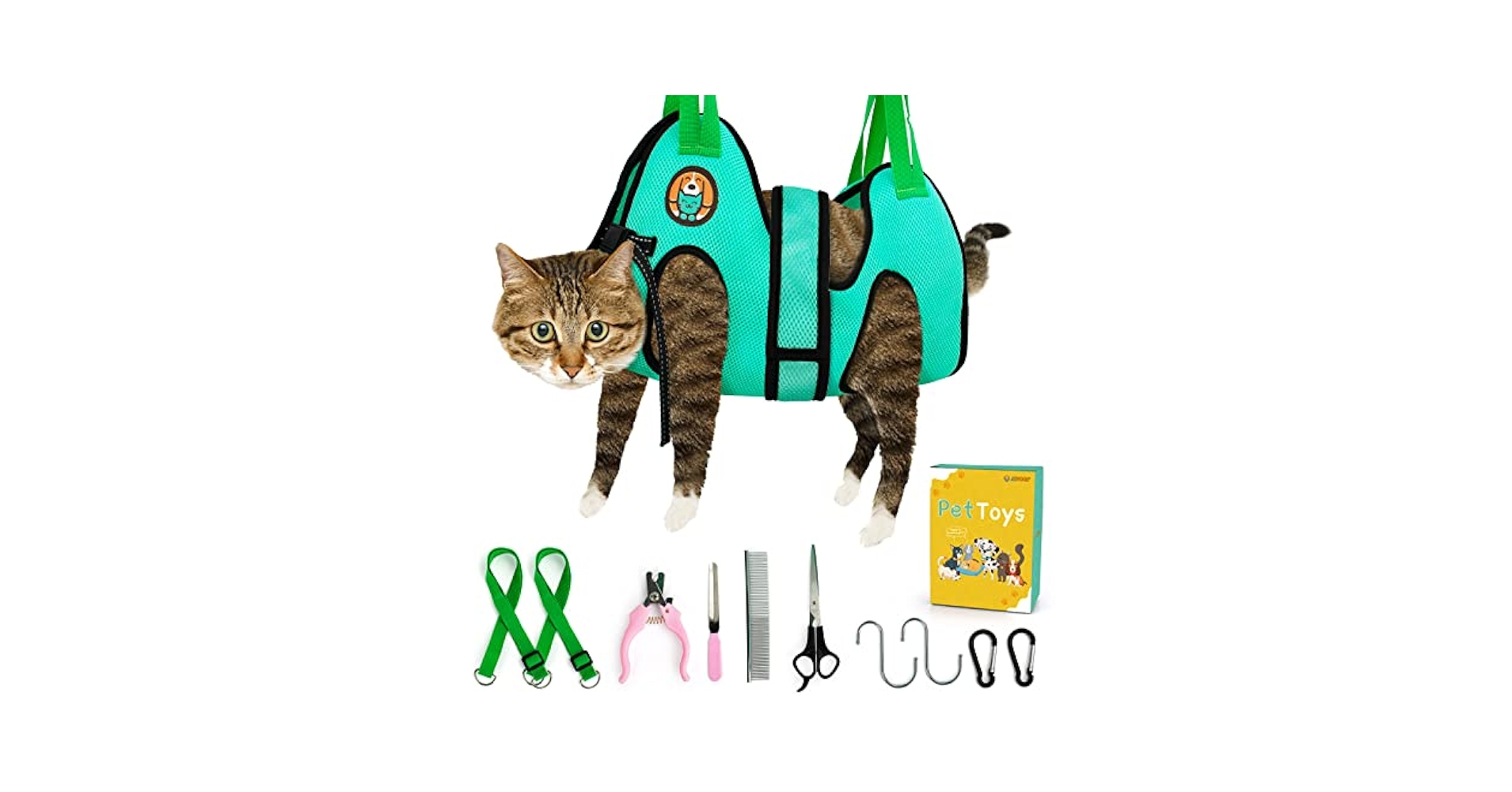
If you have a cat, you know how tricky grooming can be. Cats often get restless or scared, making the process stressful for both of you.
But what if you could help your furry friend relax and stay calm during grooming? Learning how to put a cat to sleep for grooming isn’t about anything harmful—it’s about making your cat comfortable and safe. You’ll discover simple, effective ways to ease your cat into a peaceful state before grooming.
Keep reading, and you’ll find out how to turn grooming time into a calm, stress-free experience for you and your pet.
Preparing Your Cat For Grooming
Preparing your cat for grooming helps make the process smooth and less stressful. A calm cat is easier to handle and less likely to resist. Gentle preparation builds trust and reduces anxiety. Start by considering the best time and place. Gather all supplies before you begin. Small steps lead to a better grooming experience for both you and your cat.
Choosing The Right Time
Pick a time when your cat feels relaxed. After a nap is often a good choice. Avoid times when your cat is very active or hungry. A calm cat stays still longer during grooming. Keep sessions short if your cat is new to grooming.
Creating A Calm Environment
Find a quiet room without loud noises or distractions. Soft lighting helps your cat feel safe. Use a soft blanket or towel for comfort. Speak softly and move slowly to avoid startling your cat. Play gentle music if it soothes your pet.
Gathering Necessary Supplies
Have all tools ready before you start. Common supplies include:
- Cat brush or comb
- Cat-safe shampoo (if bathing)
- Nail clippers designed for cats
- Towels for drying
- Treats to reward good behavior
Check that tools are clean and in good condition. This saves time and keeps grooming safe.

Credit: www.preventivevet.com
Calming Techniques Before Grooming
Calming your cat before grooming helps reduce stress and makes the process smoother. Cats feel safer when you create a calm environment. Use simple, gentle techniques to prepare your cat. This helps build trust and cooperation during grooming.
Using Gentle Touch And Voice
Speak softly to your cat in a calm tone. Use slow, gentle petting to relax muscles. Avoid sudden movements that might scare your cat. Softly stroking the head and back soothes most cats. Keep your hands warm to avoid discomfort. Pause often to watch your cat’s reaction.
Familiarizing Your Cat With Tools
Show grooming tools to your cat before using them. Let your cat sniff and explore brushes or combs. Place the tools near your cat’s resting area. Touch your cat gently with the tools without grooming at first. This reduces fear and builds positive associations. Gradually introduce the tools during short sessions.
Applying Pheromone Sprays Or Diffusers
Pheromone sprays create a calming environment for cats. Spray near the grooming area about 15 minutes before starting. Diffusers work well in rooms where grooming happens often. These products mimic natural cat pheromones. They help reduce anxiety and promote relaxation. Use them regularly for best results.
Safe Ways To Help Your Cat Relax
Helping your cat relax before grooming is essential for a smooth experience. Cats feel safer and calmer in a quiet, gentle environment. Using calm techniques reduces stress and makes grooming easier for both you and your cat.
Using Soft Music Or White Noise
Soft music or white noise creates a calming background. It blocks sudden sounds that might scare your cat. Choose gentle tunes or steady sounds to soothe your pet. Keep the volume low to avoid startling your cat.
Offering Treats And Positive Reinforcement
Treats encourage your cat to stay calm and cooperative. Give small, tasty rewards during grooming sessions. Praise your cat with a soft voice to build trust. Positive reinforcement helps your cat link grooming with good feelings.
Employing Light Massage Or Strokes
Gentle strokes or a light massage relax your cat’s muscles. Focus on areas your cat enjoys, such as behind the ears or under the chin. Use slow, smooth movements to avoid causing discomfort. This touch helps your cat feel safe and cared for.

Credit: www.amazon.com
When And How To Use Sedatives
Using sedatives to help your cat relax during grooming can be a helpful option, but it requires careful thought and responsibility. Knowing when sedation is appropriate and how to use it safely can make the experience less stressful for both you and your pet. Let’s look at how to approach sedative use wisely.
Consulting A Veterinarian
Always start by talking to your veterinarian before giving your cat any sedatives. Your vet can assess your cat’s health, age, and behavior to determine if sedation is necessary and safe.
Discuss your cat’s medical history in detail, including any allergies or previous reactions to medications. This step ensures you avoid substances that could harm your cat.
Have you ever given your cat a new medication without checking with a vet first? It’s easy to think a little sedative won’t hurt, but unexpected side effects can happen.
Choosing Safe Sedation Options
Not all sedatives are created equal. Your veterinarian will recommend options that are proven safe and effective for cats.
Some common sedatives include:
- Gabapentin:Often used to reduce anxiety and calm cats before grooming.
- Alprazolam:A mild anti-anxiety medication suitable for short-term use.
- Prescription sedatives:Specific drugs prescribed by your vet tailored to your cat’s needs.
Never use human sedatives or over-the-counter drugs without vet approval. These can be toxic and dangerous for your pet.
Administering Medication Properly
Follow your veterinarian’s instructions exactly when giving sedatives. Dosage and timing are critical for safety and effectiveness.
Use tools like pill pockets or syringes to make administration easier and less stressful for your cat. Make sure your cat is calm and comfortable before giving medication.
Watch your cat closely after giving sedatives. If you notice anything unusual—like excessive drooling, vomiting, or difficulty breathing—contact your vet immediately.
Have you prepared a quiet, safe space for your cat to recover after sedation? Providing a calm environment helps your cat stay relaxed and ready for grooming.
Grooming Tips For A Relaxed Cat
Grooming a cat can be challenging. Keeping your cat calm is key. A relaxed cat makes grooming easier and safer. Here are some tips to ensure your cat remains calm during grooming sessions.
Starting With Short Sessions
Begin with short grooming sessions. Five minutes is a good start. Gradually increase the duration as your cat gets used to it. This helps your cat become familiar with the process without feeling overwhelmed.
Handling Sensitive Areas Gently
Approach sensitive areas with care. Ears, belly, and paws are delicate. Use a soft brush and gentle strokes. Pay attention to your cat’s reactions. If your cat seems uncomfortable, ease off the pressure.
Stopping If Your Cat Becomes Stressed
Watch for signs of stress. If your cat hisses or tries to escape, stop. Pushing your cat can lead to fear. Allow your cat to take breaks. This builds trust and makes future sessions easier.
Alternatives To Sedation For Grooming
Finding alternatives to sedation for grooming your cat can make the experience less stressful for both of you. Sedation isn’t always necessary if you approach grooming with patience and the right techniques. Let’s look at some effective options that keep your cat calm and cooperative during grooming sessions.
Professional Grooming Services
Sometimes, handing over grooming to a professional is the best choice. Groomers have experience handling anxious cats and use gentle methods that minimize stress.
They often have special tools and calming techniques that you might not have at home. Plus, a pro can spot skin issues or mats that need extra care, saving you time and worry.
Have you ever watched a groomer work? Their calm confidence can help your cat feel safe, which you might find hard to replicate alone.
Using Grooming Gloves Or Brushes
Grooming gloves or soft brushes can make brushing less intimidating for your cat. The gentle touch mimics petting, turning grooming into a bonding moment rather than a chore.
Start with short sessions and gradually increase the time as your cat gets more comfortable. Pay attention to their reaction to find the spots they enjoy most.
Could switching to a grooming glove change your cat’s attitude toward brushing? Many owners see less resistance this way.
Regular Maintenance To Reduce Stress
Keeping grooming a regular routine helps your cat get used to the process. Short, consistent sessions prevent mats and tangles, which can cause pain and anxiety.
Try to groom your cat in a quiet, familiar spot where they feel safe. This lowers their stress and makes grooming smoother over time.
What small changes can you make today to turn grooming into a positive habit for your cat?
Recognizing Signs Of Stress Or Discomfort
Recognizing signs of stress or discomfort in your cat is key before grooming. Cats often hide their feelings well. Watching for subtle clues helps keep grooming safe and calm. Understanding these signs can prevent harm to your cat and ease the process.
Behavioral Indicators
- Hiding or avoiding you suddenly
- Growling, hissing, or swatting
- Restlessness or pacing around
- Excessive licking or biting themselves
- Refusing food or treats
- Sudden aggression or irritability
Physical Symptoms
- Trembling or shaking
- Rapid breathing or panting
- Dilated pupils or wide eyes
- Excessive drooling
- Flattened ears or tail tucked
- Shivering or stiffness in movement
When To Seek Veterinary Help
Seek help if your cat shows severe or lasting signs of stress. Sudden aggression, refusal to eat, or heavy breathing need attention. Physical injuries or unusual behavior after grooming require a vet visit. Early care can prevent serious problems.

Credit: www.amazon.co.uk
Frequently Asked Questions
How Can I Safely Put My Cat To Sleep For Grooming?
Use calming techniques like gentle petting or a quiet room. Avoid sedation unless advised by a vet. Always ensure the cat feels secure and stress-free during grooming.
What Are The Best Calming Products For Cat Grooming?
Products like pheromone sprays, calming collars, or herbal supplements help relax cats. Choose vet-recommended options to ensure safety and effectiveness during grooming sessions.
When Should I Consider Sedation For Cat Grooming?
Sedation is only for extremely anxious or aggressive cats. Consult your vet to evaluate health risks and get the right sedative dosage if necessary.
How Long Does A Cat Stay Asleep During Grooming Sedation?
Sedation effects usually last between 30 minutes to 2 hours. The vet monitors your cat closely to ensure safe awakening post-grooming.
Conclusion
Putting a cat to sleep for grooming takes patience and care. Use gentle touches and calm words to help your cat relax. Create a quiet space and avoid sudden movements. Remember, your cat trusts you, so stay calm and kind.
Always watch for signs of stress or discomfort. If unsure, ask a vet for advice. Keeping grooming safe and gentle helps your cat feel happy. A calm cat makes grooming easier for both of you. Keep practicing these steps for better results each time.




Leave a Reply