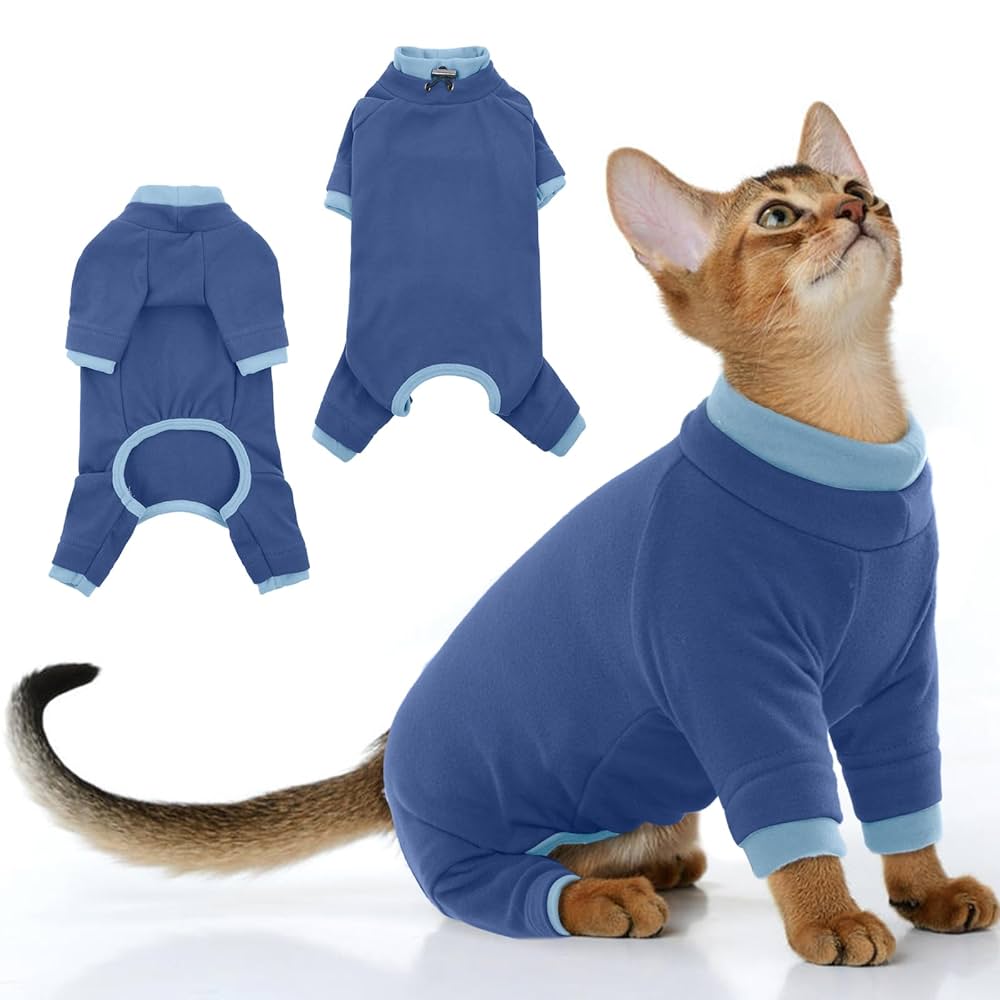
Is your cat spending too much time licking and biting its fur? Over grooming can lead to bald patches, irritated skin, and even infections.
If you’re worried about your furry friend’s health and comfort, you’re not alone. Understanding why your cat over grooms and learning simple ways to stop this behavior can make a huge difference. Keep reading to discover easy, effective steps you can take right now to help your cat feel better and look their best.

Credit: www.amazon.sg
Causes Of Over Grooming
Understanding the causes of over grooming in cats is key to stopping this behavior. Over grooming isn’t just a quirky habit; it often signals an underlying problem. Identifying the root cause helps you provide the right care and relief your cat needs.
Stress And Anxiety
Cats can over groom due to stress or anxiety, much like people might bite their nails when nervous. Changes in their environment—like a new pet, moving to a new home, or loud noises—can trigger this behavior.
Have you noticed your cat licking more after a stressful event? This repetitive grooming can serve as a self-soothing mechanism but can quickly become harmful.
Allergies And Skin Issues
Allergies often cause itchiness, prompting cats to groom excessively. Common allergens include certain foods, dust mites, or pollen. Skin issues such as dry skin or dermatitis also lead to over grooming as your cat tries to relieve discomfort.
Pay attention if your cat’s fur looks patchy or if you see redness—these signs often point to skin problems needing veterinary care.
Parasites And Infections
Fleas, mites, and other parasites are frequent culprits behind over grooming. Even a single flea can cause intense itching, making your cat lick or bite the area nonstop.
Infections, whether bacterial or fungal, can also cause irritation. If your cat is grooming a specific spot repeatedly, it’s worth a vet visit to check for parasites or infections.
Behavioral Factors
Some cats develop over grooming as a compulsive behavior without a clear medical cause. This may be due to boredom or lack of stimulation in their daily lives.
Have you noticed your cat grooming more when left alone for hours? Increasing playtime and environmental enrichment can sometimes break this cycle.

Credit: www.reddit.com
Signs To Watch For
Noticing signs of over grooming early helps protect your cat’s health. Cats often hide pain or stress, so watch closely for changes in their skin and behavior. Identifying these signs allows you to act quickly and prevent serious problems.
Bald Patches And Sores
Look for areas where fur is missing. Bald patches may appear red or irritated. Sores can develop from constant licking or scratching. These spots often show up on the belly, legs, or neck. Check your cat’s coat regularly for any unusual marks.
Excessive Licking Patterns
Notice if your cat licks one spot more than usual. Over grooming often targets the same area repeatedly. Your cat may lick until the skin looks shiny or raw. This behavior can increase during stress or anxiety. Watch for repeated licking that lasts longer than normal grooming.
Changes In Behavior
Over grooming sometimes comes with shifts in mood or habits. Your cat might seem restless or hide more than before. Appetite changes or irritability can also show stress. Pay attention if your cat becomes less social or more withdrawn. These signs help catch problems before they get worse.
Environmental Adjustments
Adjusting your cat’s environment can significantly reduce over grooming. Small changes in their daily surroundings often calm their nerves and keep them busy. You might be surprised how simple shifts can lead to big improvements.
Creating A Calm Space
Your cat needs a quiet, safe spot away from household noise and activity. Set up a cozy corner with soft bedding where your cat can retreat anytime. Adding a few familiar toys or a piece of your worn clothing can comfort them.
Think about the areas where your cat feels stressed. Is it near loud appliances or busy doorways? Moving their resting place away from these triggers can lower anxiety and decrease over grooming.
Providing Mental Stimulation
Boredom often leads cats to groom excessively. Offer puzzle feeders or interactive toys to keep their minds engaged. You can even hide treats around the house to encourage natural hunting behaviors.
Rotate toys regularly to maintain your cat’s interest. Have you noticed how your cat reacts when new objects appear? Their curiosity can be a great tool to divert attention from grooming.
Improving Diet And Nutrition
Nutrition impacts your cat’s skin health and overall mood. Ensure their diet includes essential fatty acids like omega-3 and omega-6, which support skin repair. Consult your vet about adding supplements if needed.
Hydration matters too. Cats often don’t drink enough water, leading to dry skin and itchiness. Try feeding wet food or adding water to dry food to increase fluid intake and reduce grooming caused by discomfort.
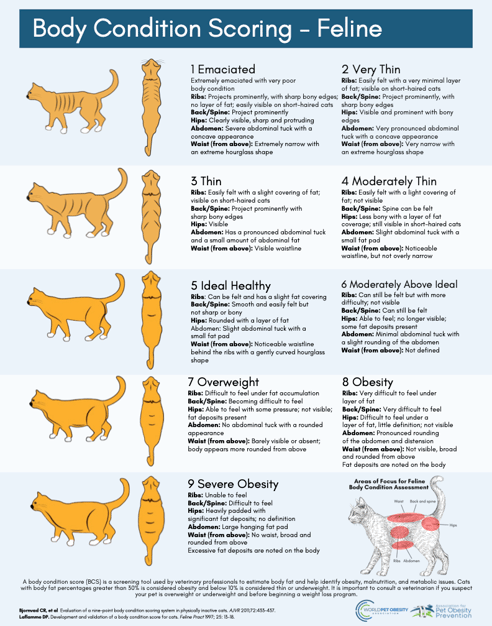
Credit: www.preventivevet.com
Medical Treatments
Medical treatments play a crucial role in stopping your cat from over grooming. Over grooming often signals an underlying health issue that needs professional attention. Taking the right medical steps can bring relief to your pet and prevent further damage to their skin and fur.
Veterinary Diagnosis
First, your cat needs a thorough checkup by a veterinarian. This helps identify any infections, parasites, or skin conditions causing the over grooming. Without a clear diagnosis, treatment might only mask the problem without solving it.
During the exam, the vet may:
- Perform skin scrapings or allergy tests
- Check for fleas or mites
- Look for signs of stress or behavioral issues
Have you noticed your cat constantly licking or biting a specific spot? Sharing these observations with your vet can speed up diagnosis.
Medications And Topicals
Once the cause is identified, medications can help reduce irritation and inflammation. Your vet might prescribe antibiotics or antifungal creams if infections are present. Steroid creams or oral medications often reduce itchiness and calm the skin.
Topical treatments like medicated shampoos or sprays soothe your cat’s skin directly. Always follow dosage instructions carefully and watch for side effects. Sometimes, a small change in medication timing can make a big difference in your cat’s comfort.
Allergy Management
Allergies are a common reason cats over groom. Managing these allergies requires patience and a tailored approach. Your vet can help identify allergens through tests or elimination diets.
Common allergy triggers include:
- Specific foods or ingredients
- Pollen or dust mites
- Certain cleaning products or fabrics
After pinpointing allergens, you can reduce your cat’s exposure and use antihistamines or immune-modulating drugs to control symptoms. Have you considered if changes in your home environment might be affecting your cat’s skin?
Behavioral Interventions
Behavioral interventions help reduce cats’ over grooming by addressing stress and boredom. Providing toys and interactive play keeps cats engaged and calm. Creating a quiet, safe space also lowers anxiety and discourages excessive licking.
Cats may over-groom due to stress or boredom. Behavioral interventions can help manage this habit. These methods focus on changing the cat’s behavior. They provide distractions and positive experiences. Let’s explore some effective techniques.Redirecting Attention
Distract your cat with interactive play. Use toys that mimic prey. Wand toys or laser pointers can engage them. This reduces the time spent grooming. Ensure play sessions are regular. Consistency helps break the habit.Using Enrichment Toys
Introduce enrichment toys to stimulate your cat’s mind. Puzzle feeders challenge them and slow down eating. Toys with hidden treats keep them busy. Rotate toys to maintain interest. A variety of toys can prevent boredom.Positive Reinforcement Techniques
Reward your cat for not over-grooming. Use treats or affection as rewards. Praise them when they engage in play. This encourages desired behavior. Avoid scolding or punishment. Positive reinforcement builds trust and confidence.When To Seek Professional Help
Sometimes, despite your best efforts, your cat’s over grooming won’t stop. Knowing when to seek professional help can save your cat from further discomfort and help you find the right solution faster. Don’t wait too long to act, especially if the problem persists or worsens.
Recognizing Persistent Issues
If your cat continues to groom excessively for more than a few weeks, it’s a red flag. Look out for raw, bald patches or open sores on the skin. These signs mean your cat isn’t just grooming out of habit but might be in pain or distress.
Also, if you notice behavioral changes like hiding, aggression, or lack of appetite alongside the over grooming, it’s time to act. These symptoms suggest something deeper than just stress or boredom. Your cat’s health and happiness depend on prompt attention.
Choosing A Veterinary Behaviorist
A veterinary behaviorist is a professional trained to diagnose and treat behavior problems linked to medical issues. They work closely with your regular vet to find underlying causes of over grooming, such as anxiety or allergies.
When selecting a behaviorist, check their credentials and experience with cats specifically. Not all veterinarians have the specialized training needed for behavioral issues. Ask your vet for recommendations or search for certified veterinary behaviorists through professional associations.
Remember, reaching out to a specialist isn’t a sign of failure but a smart step toward your cat’s well-being. Have you considered how much better your cat’s life could be with the right guidance and treatment?
Frequently Asked Questions
What Causes Cats To Over Groom Themselves?
Cats over groom due to stress, allergies, parasites, or skin infections. Identifying the root cause helps prevent over grooming effectively.
How Can I Reduce My Cat’s Grooming Anxiety?
Provide a calm environment, interactive play, and regular affection. Using pheromone diffusers can also ease your cat’s grooming anxiety.
Are Dietary Changes Helpful For Over Grooming Cats?
Yes, a balanced diet rich in omega-3 fatty acids improves skin health. Consult your vet to find the best food for your cat.
When Should I See A Vet For Over Grooming?
Visit a vet if your cat has bald patches, wounds, or persistent licking. Early diagnosis prevents further skin damage and discomfort.
Conclusion
Preventing cats from over grooming helps keep them healthy and happy. Watch your cat’s behavior and spot any changes early. Provide a calm space and regular playtime to reduce stress. Use vet advice for skin or health problems. Small steps make a big difference in your cat’s comfort.
Caring for their needs shows how much you love them. Keep grooming gentle and fun to avoid problems. Stay patient and consistent for the best results. Your cat will thank you with a shiny, healthy coat.


Leave a Reply