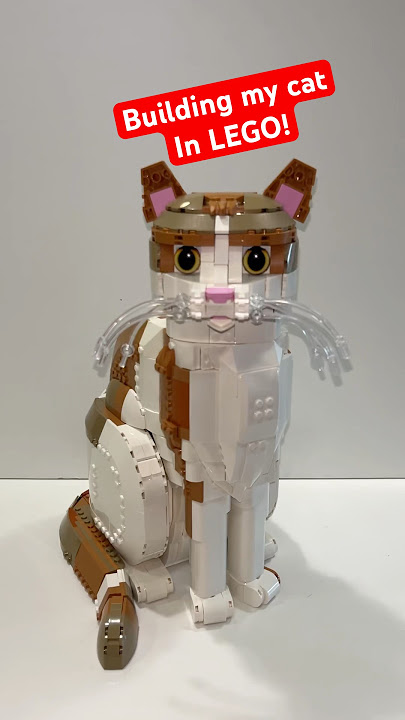
Are you looking for a fun and creative way to keep your cat entertained? Making a Lego cat toy is easier than you think, and it can provide hours of play for your furry friend.
Imagine watching your cat pounce and bat at a toy you built yourself, using simple Lego pieces you already have at home. In this guide, you’ll discover step-by-step instructions to create a safe, durable, and exciting toy that your cat will love.
Ready to turn your Lego bricks into your cat’s new favorite plaything? Let’s get started!
Materials Needed
Gathering the right materials is key to making a safe and fun Lego cat toy. Choose items that are sturdy, non-toxic, and suitable for pets. Avoid anything too small or sharp that might harm your cat.
Understanding what materials to use helps create a toy your cat will enjoy. Keep the list simple and safe to protect your furry friend.
Choosing Safe Lego Pieces
- Use large Lego bricks to avoid choking hazards
- Pick pieces with smooth edges to prevent scratches
- Avoid tiny Lego parts that cats can swallow
- Ensure all pieces are clean and free from harmful chemicals
- Prefer bricks made from non-toxic plastic
Additional Supplies
- Strong, pet-safe glue for attaching pieces
- Soft yarn or string to add texture
- Catnip to make the toy more attractive
- Scissors with rounded tips for safety
- Small bells or feathers as optional decorations
Design Ideas
Designing a Lego cat toy is all about sparking curiosity and playfulness. Your goal is to create something that grabs your cat’s attention and encourages interaction. Think about shapes and features that feel fun and safe for your feline friend.
Simple Toy Shapes
Start with basic shapes like balls, cubes, or small towers. Cats love to chase and bat around lightweight objects that roll or wobble. Using smooth, rounded Lego pieces can help avoid sharp edges that might hurt your pet.
Try combining a few bricks to make a small ball or a dangling cube. Even stacking a few blocks to create a mini tower invites your cat to knock it down, keeping their natural hunting instincts active. Have you noticed how your cat reacts to different shapes around the house?
Interactive Features
Add elements that move or make noise to keep your cat engaged longer. Attaching small bells or feathers to your Lego creation can make the toy irresistible. You can also design parts that spin or slide, so your cat can paw and explore.
Think about including a hidden compartment where you can place treats or catnip. This adds a reward system that encourages your cat to interact more with the toy. What kind of interactive features do you think your cat would enjoy the most?
Step-by-step Assembly
Assembling a Lego cat toy is a fun and creative activity. Follow clear steps to build a toy your cat will enjoy. The process involves creating a sturdy base, adding parts that move, and making sure all pieces fit tightly. This guide helps you build a safe and entertaining toy in no time.
Building The Base
Start with a flat Lego plate for stability. Use larger bricks to form a solid foundation. Make sure the base is wide enough to prevent tipping. Connect pieces tightly to avoid gaps. This base will support the moving parts later.
Adding Movable Parts
Choose small Lego pieces like wheels or hinges. Attach them so they can spin or move freely. Test each part to ensure smooth motion. Movable pieces create excitement for your cat. Keep parts low to the base for safety.
Securing Loose Pieces
Check all connections carefully. Press each Lego piece firmly to lock it in place. Use additional bricks to cover weak spots. Avoid leaving small parts that could detach easily. Strong assembly keeps the toy durable and safe for play.
Safety Tips
Creating a Lego cat toy can be a fun and rewarding project, but safety should always be your top priority. Cats are curious creatures and can easily get hurt by small or loose parts. Paying close attention to safety tips ensures your furry friend enjoys the toy without any risks.
Avoiding Small Detachable Parts
Small pieces can be a choking hazard for your cat. Avoid using Lego bricks that can easily come apart or break into tiny fragments. Choose larger, solid pieces that lock firmly together to prevent accidental swallowing.
I once built a Lego toy with tiny connectors that my cat tried to chew off immediately. It was stressful to watch her play, so I switched to bigger blocks. This simple change made the toy much safer and more durable.
Check every piece for loose parts before giving the toy to your cat. If any piece feels unstable or can detach with a light tug, remove it or reinforce it with non-toxic glue safe for pets.
Supervision During Play
Never leave your cat alone with the Lego toy. Supervision lets you intervene if your cat starts chewing or breaking off pieces. This habit can quickly turn a fun toy into a dangerous object.
Observe how your cat interacts with the toy. Some cats are gentle, while others may aggressively bite or claw. Adjust the toy’s design based on your cat’s play style to keep them safe.
Have you noticed your pet’s favorite toys breaking or getting damaged? It could be a sign that the toy isn’t suitable without supervision. Staying nearby during playtime helps prevent accidents and keeps your cat happy.
Customizing Your Toy
Customizing your Lego cat toy makes it unique and fun for your pet. Personal touches can keep your cat interested and engaged. Small changes in design help create a special plaything just for your furry friend.
Using Colors And Textures
Choose bright colors to catch your cat’s eye. Cats notice contrasts and patterns better than plain colors. Mix smooth Lego pieces with rough or ridged ones. Different textures offer a new feeling your cat will enjoy. Use soft, flexible pieces for parts your cat can bite or paw at safely.
Incorporating Catnip
Add catnip to make the toy irresistible. Use small pouches filled with dried catnip inside the Lego build. Secure pouches so they don’t fall out during play. Catnip stimulates your cat and keeps it curious. Refresh the catnip often to keep the toy exciting.

Credit: www.reddit.com
Cleaning And Maintenance
Keeping your Lego cat toy clean and in good shape is important. Dirt and wear can make the toy unsafe or less fun for your cat. Regular cleaning and checks help the toy last longer. It also keeps your cat healthy and happy.
Safe Cleaning Methods
Use mild soap and warm water to clean the Lego pieces. Avoid harsh chemicals that can harm your cat. Soak the toy for a few minutes, then use a soft brush to remove dirt. Rinse well to remove all soap. Let the toy dry completely before giving it back to your cat.
Do not use a dishwasher or washing machine. Heat and strong detergents can damage the Lego bricks. Wipe the toy with a damp cloth if it only needs light cleaning.
Inspecting For Wear
Check the Lego toy often for broken or loose pieces. Sharp edges or small parts can hurt your cat. Look for cracks or chips in the bricks. Replace or fix damaged parts right away.
Make sure all pieces are tightly connected. Loose bricks can come off and cause choking. Keep the toy safe by inspecting it before each playtime.
Troubleshooting Common Issues
Common problems like loose pieces or sharp edges can affect your Lego cat toy. Check connections carefully and smooth any rough parts for safety. Simple fixes keep the toy fun and safe for your cat.
Creating a Lego cat toy is a fun and rewarding activity, but sometimes things don’t go as planned. You might encounter issues such as pieces breaking or your cat losing interest in the toy. Addressing these problems can enhance both your building experience and your cat’s playtime. Let’s explore some practical solutions to tackle these common challenges.Fixing Broken Pieces
Broken Lego pieces can be a real bummer, especially when you’ve just finished creating a masterpiece. It’s important to handle Lego bricks gently to avoid breakage. If a piece does break, consider gluing it back together with a small amount of non-toxic glue. Keep a stash of spare pieces from old Lego sets. They can be lifesavers when you’re missing a critical piece or need to replace a broken one. If you’re lacking specific pieces, online Lego communities often have trading forums where you can find what you need.Encouraging Cat Interest
Sometimes, despite your best efforts, your cat might not show interest in the new Lego toy. Try incorporating elements that intrigue your cat, like dangling strings or adding a bell that jingles. Observe what types of toys your cat usually enjoys. Use this insight to modify your Lego design, maybe by adding movable parts or using bright colors. Consider placing a bit of catnip on or around the toy. This can magically transform it into the most fascinating object in the room. What other creative ideas can you think of to keep your cat engaged?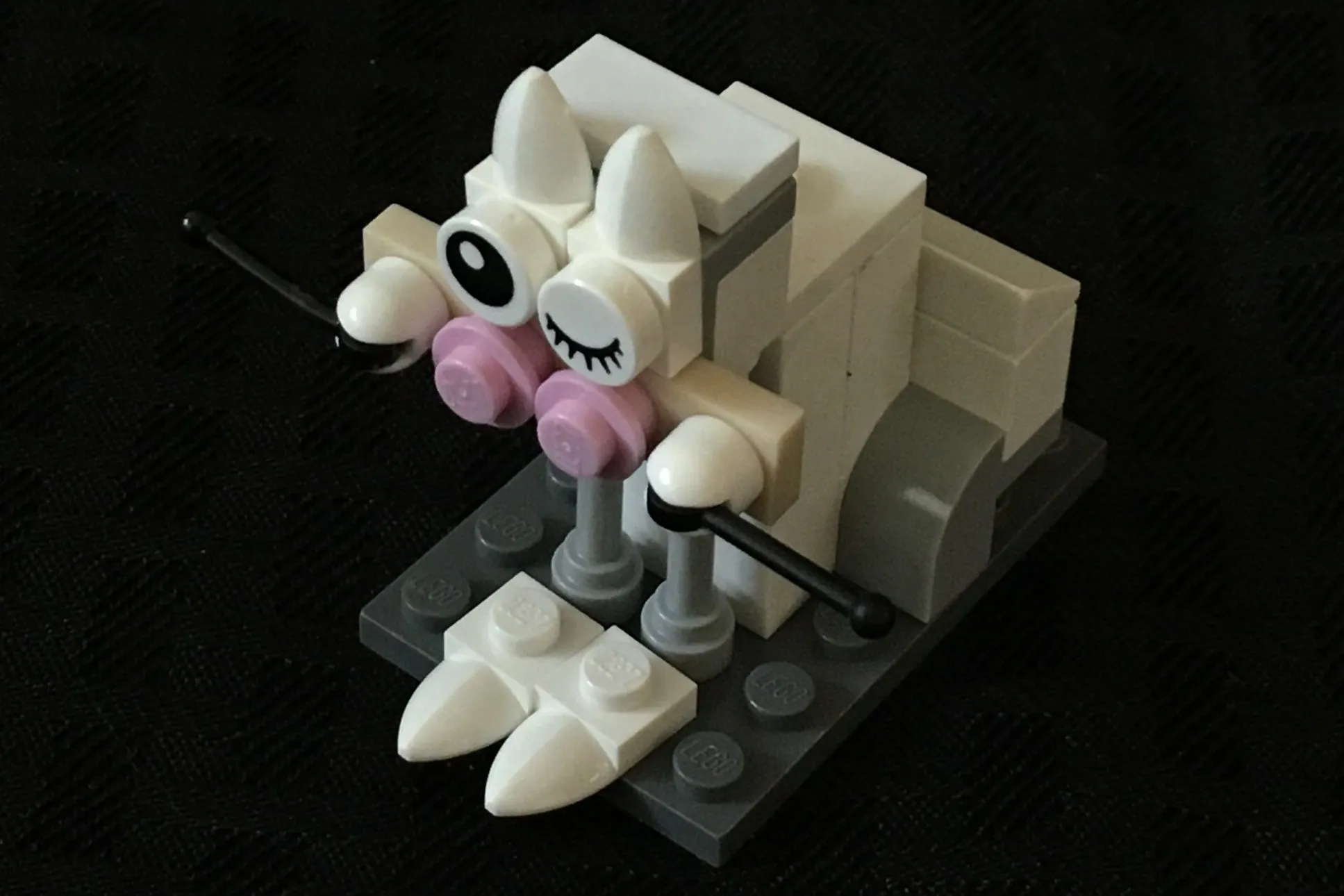
Credit: beta.ideas.lego.com

Credit: www.youtube.com
Frequently Asked Questions
What Materials Are Needed To Make A Lego Cat Toy?
You need various Lego bricks, including small pieces for safety. Use non-toxic, pet-safe Lego sets. Avoid sharp or loose parts to ensure your cat’s safety during play.
How Do I Ensure The Lego Toy Is Safe For Cats?
Secure all Lego pieces tightly to prevent choking hazards. Avoid small or breakable parts. Regularly inspect the toy for damage and remove any loose pieces immediately.
Can Lego Cat Toys Be Customized For Different Cats?
Yes, Lego cat toys can be easily customized. Use different shapes, colors, and sizes to match your cat’s preferences and play style. Custom builds keep playtime engaging and fun.
How Long Does It Take To Make A Lego Cat Toy?
Building a simple Lego cat toy usually takes 15 to 30 minutes. Complex designs may take longer. Time depends on your experience and the toy’s complexity.
Conclusion
Making a Lego cat toy is simple and fun. You can create a safe, colorful toy using basic Lego pieces. Your cat will enjoy chasing and batting the toy around. It keeps your pet active and happy. Plus, building the toy is a great way to spend time creatively.
Try different shapes and sizes to see what your cat likes best. This small project brings joy to both you and your furry friend. Give it a try and watch your cat play!


Leave a Reply