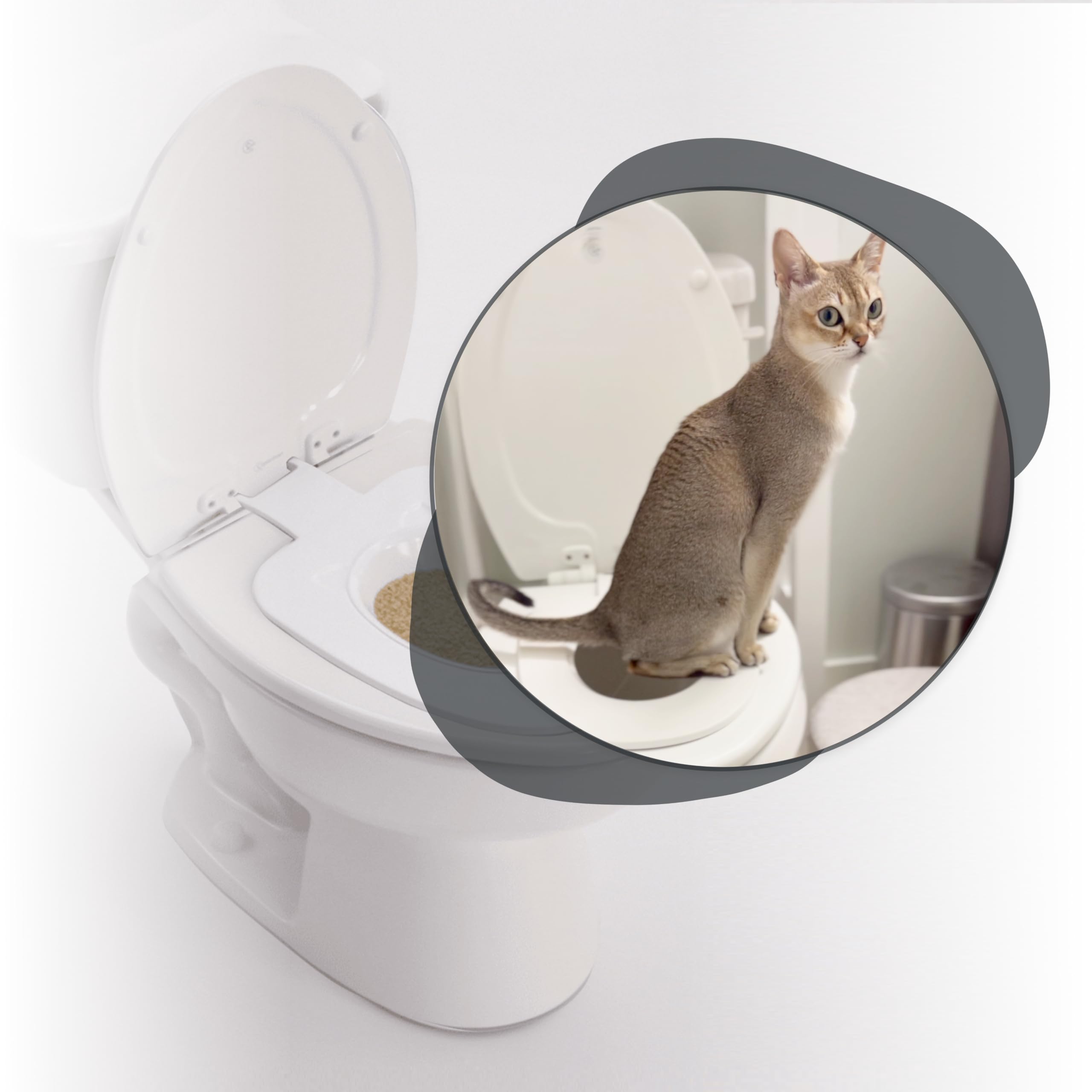
Potty training your cat might sound challenging, but it’s easier than you think. Imagine your home staying clean, your cat happily using the right spot every time, and no more messes to worry about.
You want a stress-free way to teach your furry friend where to go, and this guide will show you exactly how. Keep reading to discover simple, effective steps that make potty training your cat a smooth experience for both of you.
Credit: www.whiskas.com.ph
Choosing The Right Litter Box
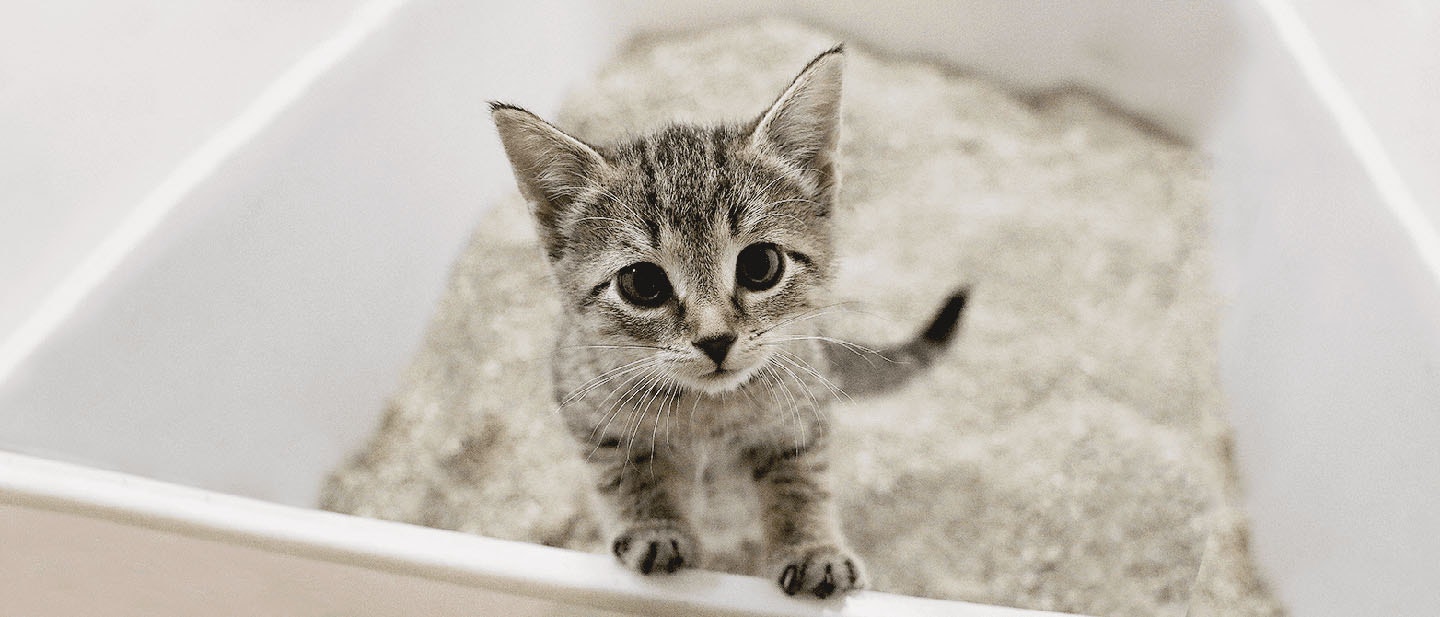
Choosing the right litter box is key for successful cat potty training. Cats feel comfortable using a box that suits their size and habits. A well-chosen litter box encourages consistent use and helps avoid accidents.
Comfort and accessibility matter most. Cats dislike cramped or hard-to-reach boxes. Picking the right box type and placing it properly makes training easier for both you and your cat.
Types Of Litter Boxes
- Open Litter Boxes:Easy to enter and clean. Good for cats that dislike enclosed spaces.
- Covered Litter Boxes:Provide privacy and reduce odor. Some cats may feel trapped or avoid them.
- Self-Cleaning Litter Boxes:Automatically scoop waste. Useful for busy owners but can be noisy.
- Top-Entry Litter Boxes:Help prevent litter scatter. Best for cats that jump in and out quickly.
Size And Placement Tips
- Choose a box large enough for your cat to turn around easily.
- For kittens, pick a box with low sides for easy entry.
- Place the litter box in a quiet, low-traffic area.
- Avoid placing it near food or water bowls.
- Keep the box away from noisy appliances or busy hallways.
- Ensure the box is always clean to encourage use.

Credit: www.amazon.com
Selecting The Best Litter
Choosing the right litter is crucial when potty training your cat. The litter not only affects your cat’s comfort but also influences how quickly they adapt to the new habit. Picking the best type can save you from frustration and keep your home fresh.
Clumping Vs Non-clumping
Clumping litter forms solid clumps when your cat urinates, making it easier to scoop out waste. This keeps the box cleaner for longer and reduces odor. However, some cats dislike the texture, so watch your cat’s reaction closely.
Non-clumping litter absorbs moisture but doesn’t form clumps. It usually requires more frequent changes to prevent odor buildup. If you’ve noticed your cat prefers a softer surface, non-clumping might be the better choice.
Have you noticed your cat avoiding the box? Try switching between these types to see which one feels right to them. Comfort can be a game changer in training success.
Scented Or Unscented
Scented litter masks odors with fragrances, which can help keep your home smelling fresh. But some cats find strong scents off-putting and may avoid the litter box altogether. I once switched to unscented after my cat refused to use a scented box, and the difference was immediate.
Unscented litter is often the safest bet for sensitive noses. It allows you to detect natural odors early, so you can clean more often. Plus, it reduces the risk of respiratory irritation for both you and your pet.
Ask yourself: does your cat seem bothered by smells? Testing a few options can reveal what your cat prefers and lead to a smoother potty training process.
Introducing The Litter Box
A clean litter box encourages cats to use it for their bathroom needs. Placing it in a quiet, easy-to-access spot helps your cat learn quickly. Regular cleaning keeps your cat comfortable and willing to use the box.
Introducing the litter box to your feline friend is a crucial step in potty training. It’s the cornerstone of ensuring they have a safe and comfortable space to do their business. A well-chosen litter box can make this process smoother and more pleasant for both you and your cat.Familiarizing Your Cat
Begin by placing the litter box in a quiet and easily accessible area. Cats appreciate privacy, and a busy location might discourage them from using it. Ensure it’s far from their food and water bowls to keep their instincts satisfied. Allow your cat to sniff and explore the litter box on their own terms. You might notice them curiously pawing at the litter, which is a good sign. This exploration helps them understand that this is their designated area for bathroom activities.Encouraging Exploration
To spark curiosity, sprinkle a little bit of your cat’s favorite treat near the litter box. This positive association can motivate them to investigate further. Observing your cat’s behavior can also give you clues about their comfort level with the new setup. Another effective strategy is to gently place your cat in the litter box after meals or naps. This timing aligns with their natural potty schedule, increasing the chance they’ll use it. Have you ever noticed how cats often dig in soil or sand? The texture of the litter mimics these natural surfaces, making it more appealing for them to dig and bury. With patience and encouragement, your cat will soon feel at ease with their litter box. Their comfort is key to successful potty training, so take the time to make this introduction as seamless as possible.Establishing A Routine
Establishing a routine is key to helping your cat get comfortable with potty training. Cats thrive on consistency, so setting regular times for feeding and bathroom breaks can make a big difference. A well-planned schedule reduces accidents and makes the training process smoother for both you and your feline friend.
Feeding And Bathroom Schedule
Your cat’s bathroom habits often follow their eating patterns. Feeding your cat at the same times every day helps regulate their digestion and bathroom needs. Try to offer meals twice or three times daily, then observe when your cat typically needs to go.
After feeding, expect your cat to want to use the litter box within 15 to 30 minutes. Use this window to gently guide them to their designated potty area. This timing helps create a natural link between eating and bathroom use, making potty training easier.
Positive Reinforcement
Encouraging your cat with rewards builds good bathroom habits quickly. Each time your cat uses the potty area correctly, offer treats, gentle praise, or playtime. This shows your cat that using the potty is a positive behavior worth repeating.
Avoid scolding or punishment for accidents, as this can confuse or scare your cat. Instead, clean up messes promptly and calmly guide your cat back to the potty area. Have you noticed how your cat responds to rewards versus discipline? This insight can help you tailor your approach.
Handling Accidents
Handling accidents is a normal part of potty training a cat. Patience and care help your cat learn better habits. Cleaning up quickly prevents bad smells and stops your cat from using the same spot again. How you react to accidents shapes your cat’s behavior. Staying calm and using the right cleaning methods keeps the training on track.
Cleaning Techniques
Use an enzyme cleaner to remove urine smells completely. Avoid ammonia-based products as they smell like urine to cats. Blot wet areas with paper towels instead of rubbing. Wash any fabric with cold water and mild detergent. Clean hard floors with a pet-safe disinfectant. Thorough cleaning stops your cat from returning to the same spot.
Avoiding Punishment
Never yell or hit your cat after an accident. Cats do not understand punishment and may become scared. Stay calm and gently guide your cat to the litter box. Reward your cat with treats or praise when it uses the right place. Positive training encourages good habits faster than punishment. Patience builds trust and helps your cat feel safe.
Gradual Transition To The Toilet
Moving your cat from a litter box to the toilet takes patience and care. A gradual transition helps your cat adjust without stress. This process breaks down the change into small, manageable steps. It keeps your cat comfortable and confident throughout the training.
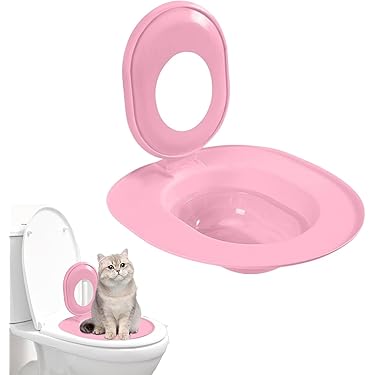
Using Training Seats
Training seats fit over the toilet bowl. They hold litter and give your cat a familiar surface. These seats come in different sizes and shapes. Choose one that suits your cat’s comfort.
Start by placing the training seat on the closed toilet lid. Let your cat explore it freely. Gradually raise the toilet seat so your cat learns to balance. Keep the litter in the training seat at first. This helps your cat feel secure.
Step-by-step Progression
- Begin with a full training seat filled with litter on the toilet.
- Reduce litter quantity little by little over several days.
- Slowly enlarge the hole in the training seat to expose the water.
- Encourage your cat to balance on the seat while using the toilet.
- Remove the training seat once your cat uses the toilet confidently.
Patience is key in each step. Watch your cat’s behavior closely. Move to the next stage only when your cat feels ready. Praise and reward your cat to build positive habits. This careful approach helps your cat succeed with toilet training.
Common Challenges
Potty training a cat can be rewarding but comes with common challenges. These issues can slow progress and cause frustration. Knowing these challenges helps prepare and manage them effectively. Patience and understanding play key roles in success.
Dealing With Resistance
Some cats resist potty training at first. They may avoid the new toilet setup or act scared. This behavior often comes from fear or confusion. Avoid forcing your cat, which increases stress.
Try these tips to ease resistance:
- Introduce the toilet gradually, step by step.
- Use positive rewards like treats and praise.
- Keep the toilet area clean and quiet.
- Give your cat time to adjust to changes.
Health Issues To Watch
Health problems can affect potty training success. Cats with urinary tract infections or constipation may avoid the toilet. Watch for signs like frequent urination, blood, or straining.
Consult a vet if you notice:
- Sudden changes in bathroom habits
- Excessive licking of the genital area
- Signs of pain or discomfort
- Loss of appetite or lethargy
Addressing health issues quickly ensures your cat stays comfortable and training stays on track.
Credit: www.amazon.com
Maintaining Good Habits
Maintaining good habits is key to ensuring your cat continues to use the potty consistently. It’s not just about training once but about keeping the routine smooth and stress-free for your furry friend. Staying attentive and proactive can prevent many common setbacks in potty training.
Regular Cleaning
Keeping the potty area clean encourages your cat to use it regularly. Cats are naturally clean animals and may avoid a dirty potty. Make it a habit to scoop out waste daily and wash the tray with mild soap weekly.
Using unscented cleaners is best since strong smells can deter your cat. You might notice your cat’s preference for a certain type of litter or tray during cleaning sessions—use this to your advantage. Have you seen your cat hesitate or sniff around before using the potty? That’s a sign to check cleanliness.
Monitoring Behavior Changes
Watch for any shifts in your cat’s potty habits or behavior that might signal discomfort or confusion. Sudden avoidance or accidents outside the potty can indicate stress, illness, or dislike for the setup. Early detection helps you address issues before they become habits.
Keep a simple journal or notes on your cat’s potty times and any unusual actions. This way, you can spot patterns or triggers causing changes. Have you noticed your cat acting restless or hiding more often? It could be related to potty habits needing your attention.
Frequently Asked Questions
How Long Does Cat Potty Training Usually Take?
Cat potty training typically takes 4 to 6 weeks. Consistency and patience are key. Each cat learns at its own pace, so some may take longer.
What Supplies Are Needed For Cat Potty Training?
You need a special cat toilet seat, treats, and patience. Also, a clean litter box during the transition helps the cat adjust smoothly.
Can All Cats Be Potty Trained Successfully?
Most cats can be potty trained, but some may resist. Age, temperament, and past habits affect success. Young cats often adapt more easily.
How To Prevent Accidents During Potty Training?
Keep the litter box accessible and clean. Reward your cat for using the toilet. Avoid punishment, as it can cause stress and setbacks.
Conclusion
Potty training your cat takes time and patience. Stay calm and keep routines steady. Reward small successes to encourage good habits. Expect some accidents; they are part of learning. Use gentle guidance, not punishment, for best results. Soon, your cat will use the potty confidently.
Enjoy the cleaner home and easier cleanup. Remember, every cat learns at its own pace. Keep trying, and success will come with care.



Leave a Reply