If you’re a cat owner, you know that a smelly litter box can quickly turn your home into an uncomfortable place. You want your furry friend to feel happy and healthy, but you also want your space to stay fresh and clean.
The good news is, you don’t have to choose between the two. You’ll discover simple, effective ways to stop your litter box from smelling bad. These easy tips will help you enjoy a fresher home and a happier cat — so keep reading and say goodbye to unpleasant odors for good.

Credit: catit.ca
Choose The Right Litter
Choosing the right cat litter is a game-changer for keeping your litter box fresh. The type of litter you pick directly impacts odor control, ease of cleaning, and your cat’s comfort. Let’s break down some key factors to help you make the best choice for a smell-free home.
Clumping Vs Non-clumping Options
Clumping litter forms solid clumps when your cat urinates, making it easier to scoop out waste quickly. This means odors don’t linger as long because the mess is removed promptly. Non-clumping litter absorbs moisture but doesn’t form clumps, so you need to change the entire box more often to avoid smells.
If you prefer less frequent full changes, clumping litter might save you time and keep your space fresher. Have you noticed how much easier cleaning is with clumping litter? That convenience often leads to better odor control simply because you’re scooping more often.
Litter Materials And Odor Control
Different materials affect how well litter controls odor. Clay-based litters are popular and affordable but can be dusty and less eco-friendly. Natural options like corn, wheat, or walnut shells tend to control odor well and are biodegradable.
Some litters include activated charcoal or baking soda to trap smells. Think about your cat’s preferences and allergies too—some cats dislike dusty litters or ones with strong additives. Trying a few types can reveal which material keeps your home smelling fresh without upsetting your cat.
Scented Vs Unscented Litter
Scented litters mask odors with fragrances, but not every cat or owner likes them. Some cats avoid scented litter because it irritates their sensitive noses, leading them to avoid the box altogether. Unscented litter relies on its natural odor control, which can be more effective and less bothersome.
Ask yourself: Does your cat react negatively to strong smells? If yes, unscented litter is safer. If your nose is sensitive to cat odors, a mild scent might help without overwhelming you or your feline friend. Balancing your comfort with your cat’s preferences is key to a happy, odor-free litter box.

Credit: aminpetshop.com
Keep The Litter Box Clean
Keeping your cat’s litter box clean is the most effective way to stop bad smells from taking over your home. A clean box not only controls odor but also keeps your cat happy and healthy. It might seem like a chore, but developing a simple routine can make a huge difference.
Daily Scooping Habits
Scooping waste every day is key to preventing odors from building up. Removing clumps and solid waste promptly stops bacteria from growing and spreading smells. Set a reminder if you need to—consistency is what keeps the box fresh.
Try to scoop at least once in the morning and once at night if possible. This routine reduces ammonia smell and keeps your cat comfortable. Have you noticed how quickly the litter box can get smelly if scooping is skipped for a day?
Weekly Deep Cleaning
Even with daily scooping, the litter box needs a thorough wash once a week. Empty all the litter, scrub the box with mild soap and warm water, and rinse well. Avoid harsh chemicals that can irritate your cat’s paws or nose.
Dry the box completely before adding fresh litter to prevent clumping issues. Doing this deep clean regularly removes buildup that daily scooping can’t reach. How often do you deep clean your cat’s box? Adjusting this schedule might improve the smell a lot.
Proper Disposal Techniques
How you dispose of the scooped waste also affects odor control. Use a sealed trash bag or a dedicated waste bin with a tight lid. This prevents smells from escaping and attracting pests.
Empty the trash frequently, especially in warm weather. Some cat owners even wrap waste in newspaper before bagging it to reduce odor leaks. What disposal method works best in your home to keep the air fresh?
Optimize Litter Box Placement
Optimizing the placement of a cat litter box is essential for minimizing odors. A well-placed litter box can make all the difference in keeping your home smelling fresh. Consider the location carefully to ensure your cat feels comfortable while odors stay contained. Below are some tips to help you choose the best spot for your cat’s litter box.
Avoiding Humid Or Enclosed Spaces
Humidity can trap odors, making them linger longer. Avoid placing the litter box in bathrooms or damp basements. Enclosed spaces also restrict air circulation, which can intensify smells. Choose open areas where air can flow freely.
Ensuring Good Ventilation
Good ventilation helps disperse odors quickly. Place the litter box near a window or vent if possible. This setup allows fresh air to circulate, reducing smells. Avoid corners where air tends to stagnate.
Choosing Quiet, Accessible Spots
Cats prefer quiet areas where they feel safe. Avoid placing the litter box near loud appliances like washing machines. Ensure the spot is easily accessible for your cat at all times. A peaceful, accessible location encourages regular use of the litter box.

Credit: www.skoutshonor.com
Use Odor Absorbers
Using odor absorbers is a smart way to keep your cat’s litter box smelling fresh. These products work by neutralizing or trapping the bad smells rather than just covering them up. Adding odor absorbers can make a noticeable difference in your home’s air quality, especially if your cat uses the box frequently.
Baking Soda Benefits
Baking soda is a simple, affordable, and effective odor absorber you can easily add to your cat’s litter box. It helps neutralize ammonia and other unpleasant smells without harming your cat.
Just sprinkle a thin layer of baking soda at the bottom of the litter box before adding the litter. This small step can reduce odors significantly and keep the box smelling fresher for longer.
Activated Charcoal Options
Activated charcoal is another powerful odor absorber that traps smelly molecules inside its porous structure. You can find activated charcoal in small sachets or granules designed specifically for litter boxes.
Place a charcoal packet near or inside the litter box area to help absorb odors continuously. It’s a great choice if you want a natural, chemical-free option that works silently in the background.
Commercial Odor Control Products
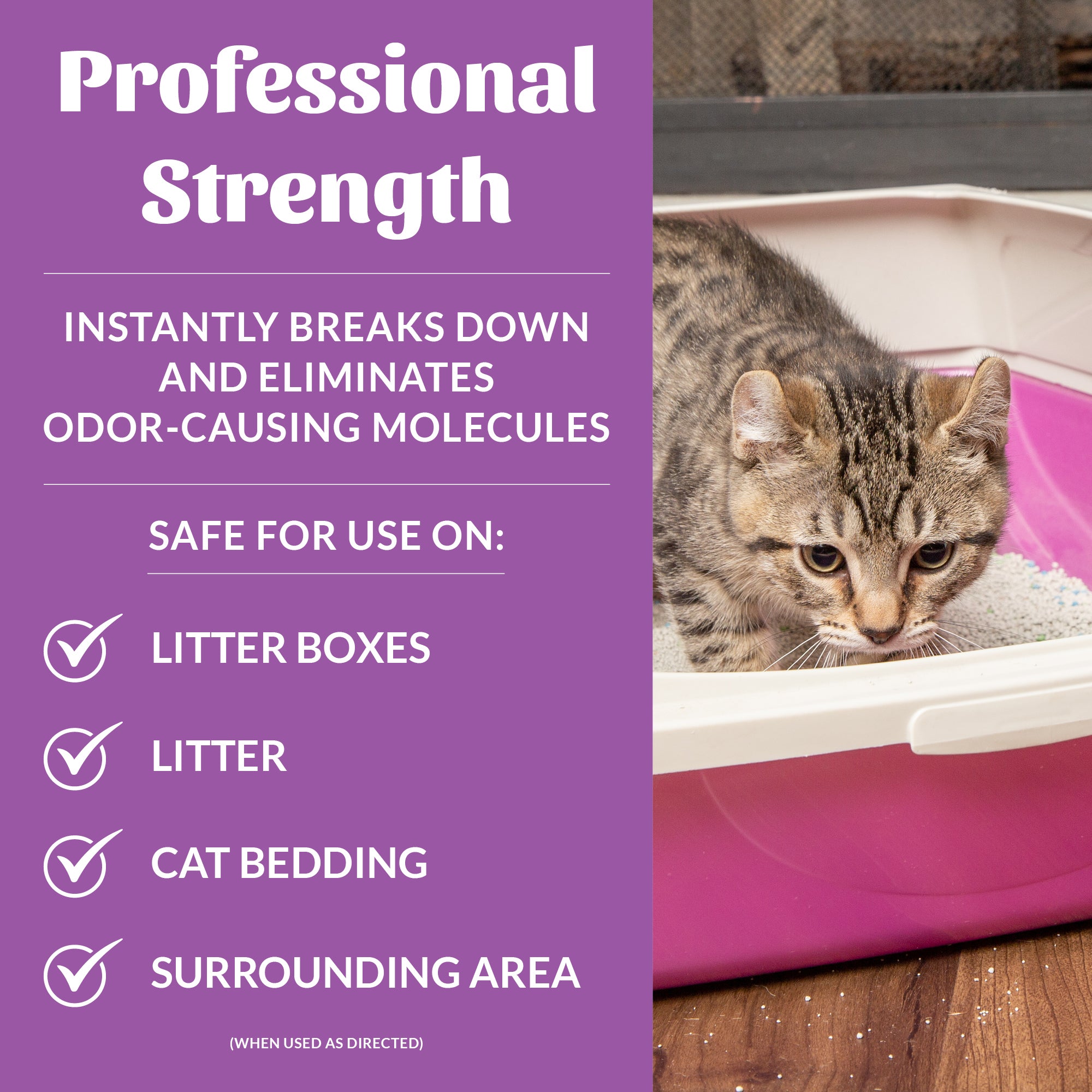
There are many commercial products made to control litter box odors, including sprays, crystals, and additives you mix with the litter. These products often contain enzymes or natural ingredients that break down odor-causing compounds.
- Sprays: Use these to quickly refresh the litter box surface without disturbing your cat.
- Crystals: Add these to the litter to absorb moisture and trap smells.
- Additives: Mix these with your regular litter to enhance odor control throughout the week.
Have you tried any of these options before? Sometimes combining two or more odor absorbers can give you the best results and keep your home smelling clean and inviting.
Try Alternative Litter Box Types
Trying different types of litter boxes can help reduce bad odors. Some boxes trap smells better. Others clean themselves or use special trays. Choosing the right box makes a big difference in how your home smells.
Covered Vs Open Boxes
Covered litter boxes have a lid that helps keep smells inside. They also give cats privacy. But, some cats feel trapped and avoid covered boxes. Open boxes let air flow freely, which reduces moisture and odors. They are easier to clean but might let smells spread more.
Self-cleaning Litter Boxes
Self-cleaning boxes remove waste automatically after your cat uses them. This keeps the box fresh and cuts down on smell. These boxes need power and some maintenance. They save time and help keep the litter box clean all day.
Disposable Litter Trays
Disposable litter trays are single-use boxes. After they get dirty, you throw them away. They are easy to use and reduce odor quickly. Perfect for travel or short-term use. These trays avoid the buildup of smells over time.
Maintain Your Cat’s Health
Maintaining your cat’s health plays a key role in keeping the litter box fresh. Healthy cats produce less smelly waste. Paying attention to their diet, water intake, and regular vet visits helps control odor. A healthy cat means a cleaner home environment.
Diet’s Effect On Odor
Your cat’s food affects the smell of their waste. Poor quality food can cause strong odors. Choose high-quality, balanced cat food. Foods rich in protein and low in fillers create less smelly waste. Avoid sudden diet changes to prevent digestive upset.
Hydration And Urine Smell
Water intake influences urine concentration and odor. Cats that drink enough water produce lighter, less smelly urine. Provide fresh water daily. Use water fountains to encourage drinking. Wet cat food also helps increase hydration.
Regular Vet Checkups
Regular vet visits catch health issues early. Urinary tract infections and kidney problems can cause strong odors. Early treatment reduces smell and discomfort for your cat. Schedule yearly checkups and report any changes in litter box habits.
Frequently Asked Questions
How Often Should I Clean A Cat Litter Box?
Clean the litter box daily by scooping waste. Replace all litter and wash the box weekly to prevent odors and bacteria buildup.
What Type Of Litter Controls Odor Best?
Clumping clay litter with activated charcoal or baking soda works well. These materials absorb moisture and neutralize unpleasant smells effectively.
Can Litter Box Liners Help Reduce Smell?
Yes, liners make cleaning easier and keep the box cleaner. They help prevent waste from sticking to the box, reducing odor and mess.
Does Location Affect Litter Box Odor?
Placing the box in a well-ventilated, low-traffic area helps. Proper airflow disperses smell and keeps the area fresh for your cat and home.
Conclusion
Keeping a cat litter box fresh takes regular care and simple steps. Scoop waste daily to stop smells fast. Use good quality litter that clumps well. Clean the box with mild soap and water often. Place the box in a well-ventilated spot.
These small actions make a big difference. Enjoy a cleaner, fresher home with less odor. Your cat will thank you too. Easy habits create a better space for both of you.



Leave a Reply