Is your cat not grooming himself as much as he used to? You might be worried about his health or how untidy he looks.
Cats naturally keep themselves clean, but sometimes they need a little help to get back into the habit. What if you could encourage your furry friend to groom more often, without stress or force? You’ll discover simple and effective ways to gently motivate your cat to take better care of himself.
Keep reading—your cat’s comfort and happiness depend on it!
Benefits Of Cat Grooming
Cat grooming is more than just a way to keep your pet looking good. It plays a key role in their overall health. Grooming helps cats remove dirt, loose fur, and parasites. Encouraging your cat to groom more often boosts their well-being and comfort. Understanding the benefits of grooming can help you support your cat’s natural habits.
Health And Hygiene
Grooming keeps your cat’s skin clean and healthy. It removes dirt and harmful bacteria. This reduces the risk of infections and skin problems. Regular grooming also helps control parasites like fleas. Cats that groom themselves often stay healthier and feel better.
Reducing Hairballs
When cats groom, they swallow loose hair. This can form hairballs in their stomach. Grooming more often helps remove loose fur before it is swallowed. This lowers the chance of hairball formation. Less hairballs mean your cat will vomit less and feel more comfortable.
Improving Coat Appearance
Grooming spreads natural oils across your cat’s fur. This keeps the coat shiny and smooth. Cats that groom themselves regularly have soft, clean fur. Their coat looks healthy and bright. A well-groomed coat also helps your cat stay warm and protected.
Reasons Cats Groom Less
Understanding why your cat grooms less can help you support their health and happiness better. Cats are usually meticulous groomers, so a drop in grooming can signal changes in their life or health. Let’s look at the common reasons behind this behavior.
Age And Mobility Issues
Older cats often struggle with grooming because of reduced flexibility and joint pain. If you notice your senior cat skipping grooming sessions, arthritis or muscle stiffness might be the cause. You can help by gently brushing your cat to remove loose fur and keep their coat clean.
Stress And Anxiety
Stress can lead cats to groom less or sometimes over-groom, causing skin issues. Changes like moving to a new home, new pets, or loud noises can trigger anxiety in your cat. Creating a calm and predictable environment can encourage your cat to feel safe enough to groom regularly.
Health Problems
Illnesses like skin infections, dental pain, or obesity often reduce a cat’s desire or ability to groom. A cat in pain might avoid licking certain areas, leading to a messy or matted coat. If your cat’s grooming habits change suddenly, a vet checkup is essential to rule out medical issues.
Encouraging Self-grooming
Encouraging your cat to groom himself more often can improve his coat health and reduce the need for your intervention. Cats naturally groom to stay clean, but certain factors like stress or health issues can reduce this behavior. Helping your cat enjoy grooming sessions can make a big difference in his overall wellbeing.
Regular Brushing Sessions
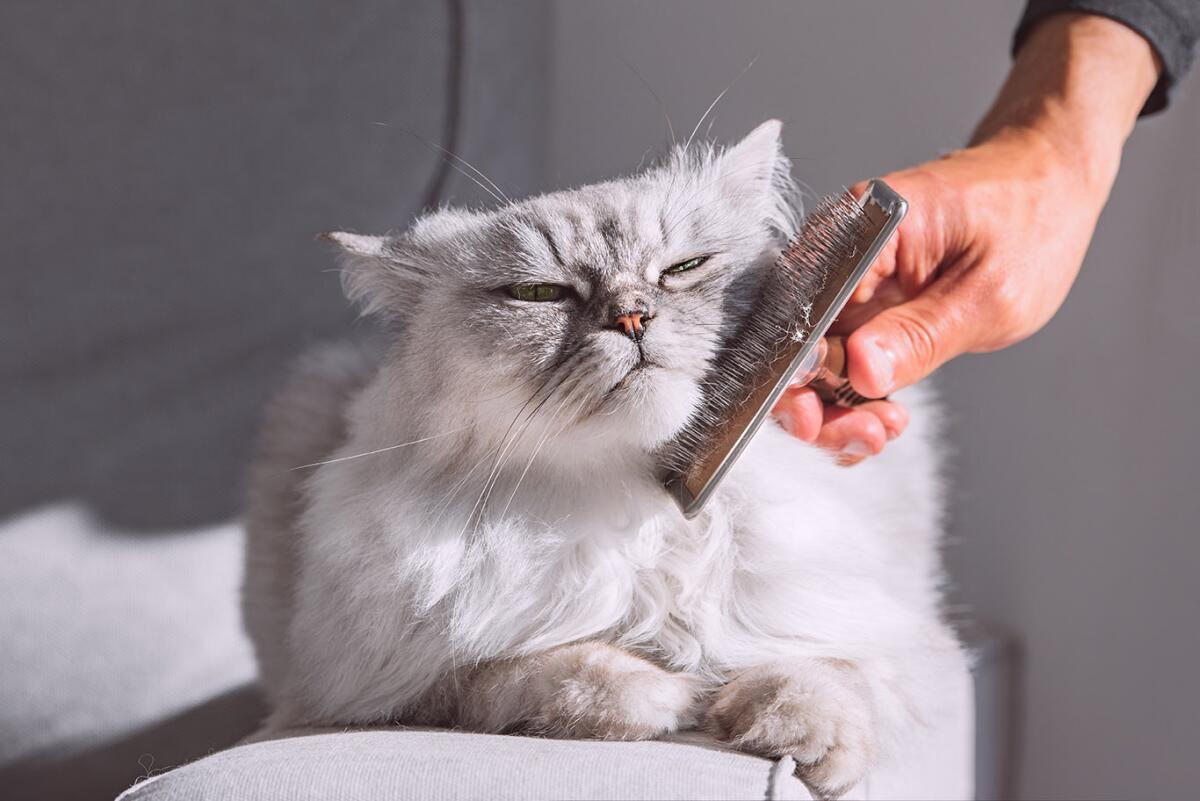
Brushing your cat regularly can stimulate his natural grooming instincts. Use a soft brush and keep sessions short and positive to avoid stress. Notice how your cat reacts—some prefer gentle strokes, while others like firmer brushing.
Try to brush at the same time each day to create a routine. This can remind your cat that grooming is a pleasant and regular part of his day. Over time, this consistency encourages him to groom himself more often too.
Creating A Calm Environment
Stress can stop your cat from grooming properly. Make sure your cat has a quiet, comfortable spot where he feels safe. Avoid loud noises, sudden movements, or overcrowded spaces around your cat’s resting area.
Adding soft bedding and a few favorite toys can make grooming time more inviting. Ever noticed how your cat grooms more after a peaceful nap? A calm environment can trigger this natural grooming behavior more often.
Providing Proper Nutrition
Your cat’s diet affects his skin and coat health directly. Feeding high-quality food rich in omega-3 and omega-6 fatty acids supports a shiny, healthy coat. A well-nourished cat feels better and is more likely to groom himself.
Check if your cat shows any signs of allergies or sensitivities, as these can cause skin problems and reduce grooming. Have you considered switching to a diet formulated for skin and coat health? This simple change might encourage your cat to take better care of his fur on his own.
Using Grooming Tools
Using grooming tools can encourage your cat to groom more often by making the process easier and more enjoyable for them. These tools help remove loose fur and dirt, which reduces itchiness and discomfort. Plus, regular brushing can stimulate natural oils in their coat, keeping their fur healthy and shiny.
Types Of Brushes And Combs
Different cats need different grooming tools depending on their coat type. Here are some common options to consider:
- Slicker brushes:Great for removing loose hair and preventing mats, especially in long-haired cats.
- Bristle brushes:Ideal for short-haired cats to remove surface dirt and distribute natural oils.
- Wide-tooth combs:Perfect for detangling and gently removing knots without hurting your cat.
- Rubber grooming gloves:These mimic petting and can be less intimidating for shy cats.
Which of these tools do you think your cat would tolerate best? Trying a few can help you find the one they prefer.
Introducing Tools Gradually
Start by letting your cat sniff and explore the grooming tools without using them. This helps reduce fear and builds trust.
Then, gently touch your cat with the brush or glove for just a few seconds at a time. Reward them with treats and praise to create a positive association.
Increase grooming time slowly as your cat becomes more comfortable. Consistency is key—short, regular sessions work better than long, infrequent ones.
Have you noticed how your cat reacts to new things? Paying attention to their body language can tell you when to pause or try again later.
Maintaining Cat’s Comfort
Encourage your cat to groom more by keeping its fur clean and free of mats. Regular brushing helps your cat feel comfortable and promotes self-grooming. Provide a calm environment where your cat feels safe and relaxed.
Maintaining your cat’s comfort is essential for encouraging self-grooming. Cats are naturally inclined to groom themselves, but sometimes they need a little help to get back on track. Ensuring their comfort can make a significant difference in their grooming habits.Keeping Fur Clean And Dry
Cats prefer their fur to be clean and dry, much like you enjoy clean clothes. If your cat’s fur is often wet or dirty, they might avoid grooming altogether. Regularly brushing your cat can help remove loose hair and dirt, making it easier for them to maintain their coat. Consider the environment your cat is in. Is there a damp spot they frequently lie in? Provide a clean, dry, and soft spot for them to relax.Avoiding Over-bathing
Over-bathing can strip the natural oils from your cat’s skin, making grooming uncomfortable. Cats are generally good at keeping themselves clean without frequent baths. If you notice your cat’s fur is greasy or smelly, consult your vet before deciding on a bathing routine. When bathing is necessary, use cat-specific shampoo. A gentle product will help maintain their skin’s natural balance. Always dry them thoroughly after a bath to prevent any dampness that can deter grooming. Have you ever wondered if your cat avoids grooming because they are uncomfortable? By ensuring their comfort, you can encourage them to resume their natural grooming habits.When To Seek Vet Help
Knowing when to seek veterinary help is crucial if your cat isn’t grooming properly. Sometimes, a decrease in self-grooming signals an underlying problem that only a professional can address. Don’t wait too long—early intervention can prevent small issues from becoming serious health concerns.
Identifying Skin Issues
Check your cat’s skin and fur regularly for signs of irritation. Look for redness, scabs, bald spots, or unusual flakes. These can be signs of allergies, infections, or parasites that make grooming uncomfortable or painful.
If you notice persistent scratching or biting at specific areas, it’s a red flag. Cats often stop grooming when their skin hurts or feels itchy. Bringing these symptoms to the vet’s attention helps diagnose conditions like dermatitis or flea infestations quickly.
Checking For Pain Or Discomfort
Observe your cat’s movement and behavior closely. Is your cat limping or avoiding certain positions? Pain in joints or muscles can reduce grooming frequency because cleaning requires flexibility and balance.
Your cat might also show signs of discomfort when you touch certain spots. If your pet flinches or pulls away, it’s time to get a vet’s opinion. Conditions such as arthritis or injury often go unnoticed but directly affect grooming habits.
Frequently Asked Questions
How Can I Encourage My Cat To Groom More Often?
Provide regular brushing to stimulate grooming instincts. Keep your cat’s coat clean and comfortable. Offer a calm environment to reduce stress, which may hinder grooming habits.
What Diet Supports Healthy Grooming In Cats?
Feed a balanced diet rich in omega-3 and omega-6 fatty acids. Proper nutrition improves coat health and encourages regular self-grooming. Hydration also plays a key role in maintaining skin and fur quality.
Can Stress Affect My Cat’s Grooming Habits?
Yes, stress can cause your cat to groom less or over-groom. Create a peaceful space, use calming sprays, and maintain a consistent routine to reduce anxiety and promote natural grooming behavior.
How Often Should I Groom My Cat To Help Them?
Brush your cat daily or at least several times a week. Regular grooming removes loose fur and stimulates natural grooming. It also helps prevent matting and keeps the coat shiny.
Conclusion
Helping your cat groom more often takes time and patience. Offer gentle brushing to make grooming pleasant. Keep your cat’s environment clean and calm. Provide a healthy diet to support skin and fur. Watch for any signs of health issues.
Small changes can lead to better grooming habits. Remember, happy cats groom themselves more. Keep trying different methods until you find what works. Your cat’s comfort is the key to success. Enjoy the bond formed through regular care.

Leave a Reply