Have you ever wondered if you can teach your adult cat to groom itself better? You might think grooming is something cats just know how to do from the start.
But what if your cat needs a little help? Imagine having a cleaner, healthier cat without spending extra money on grooming services. You’ll discover simple, effective ways to encourage your adult cat to take better care of its coat. Keep reading, because your cat’s comfort and happiness could improve more than you expect.
Why Grooming Matters For Adult Cats
Grooming is more than just keeping your adult cat looking neat. It plays a vital role in their overall health and well-being. Understanding why grooming matters can help you appreciate the value of teaching your cat these habits, even later in life.
Health Benefits Of Grooming
Regular grooming helps remove dirt, loose fur, and potential parasites from your cat’s coat. This reduces the risk of skin infections and mats that can cause discomfort or pain.
Grooming also stimulates blood circulation, which supports healthy skin and fur. It can even help you spot early signs of health issues, like lumps or wounds, before they become serious.
Have you noticed how cats often groom themselves after eating or resting? This instinct helps maintain cleanliness and prevent illness.
Behavioral Impact
Grooming isn’t just physical; it has a calming effect on cats. When you groom your adult cat, it mimics the social bonding they experience with their mother or other cats.
This interaction can reduce stress and anxiety, especially in cats that may feel isolated. It also strengthens the trust between you and your pet.
Teaching your cat to accept grooming can improve their tolerance for handling during vet visits or when you need to check for ticks. How might your cat’s behavior change if grooming became a regular, positive experience?
Challenges In Teaching Grooming To Adult Cats
Teaching an adult cat to groom can be quite challenging. Adult cats have established habits and preferences. Changing these routines takes patience and understanding. Grooming is a natural activity for cats, but some may resist human help. Recognizing the challenges helps in approaching training with care.
Common Obstacles
Adult cats may fear grooming tools like brushes or combs. Some cats dislike being touched in certain areas. Sensitivity to touch varies between cats. Older cats might have health issues making grooming uncomfortable. Cats can be stubborn and avoid new activities. Stress or anxiety can make grooming harder.
- Fear of grooming tools
- Dislike of physical touch
- Health issues causing discomfort
- Resistance to change
- Stress and anxiety
Understanding Cat Behavior
Cats communicate through body language. A twitching tail or flattened ears shows discomfort. Sudden movements can startle cats during grooming. Trust is key to teaching grooming. Building a bond takes time and patience. Cats groom themselves for hygiene and comfort. Mimicking natural grooming can help cats accept human help.
Tools For Grooming Success
Grooming an adult cat takes patience and the right tools. Using proper equipment makes the process smoother for both you and your cat. The right tools help remove loose fur, dirt, and prevent matting. They also make your cat feel comfortable and cared for during grooming sessions.
Choosing The Right Brushes
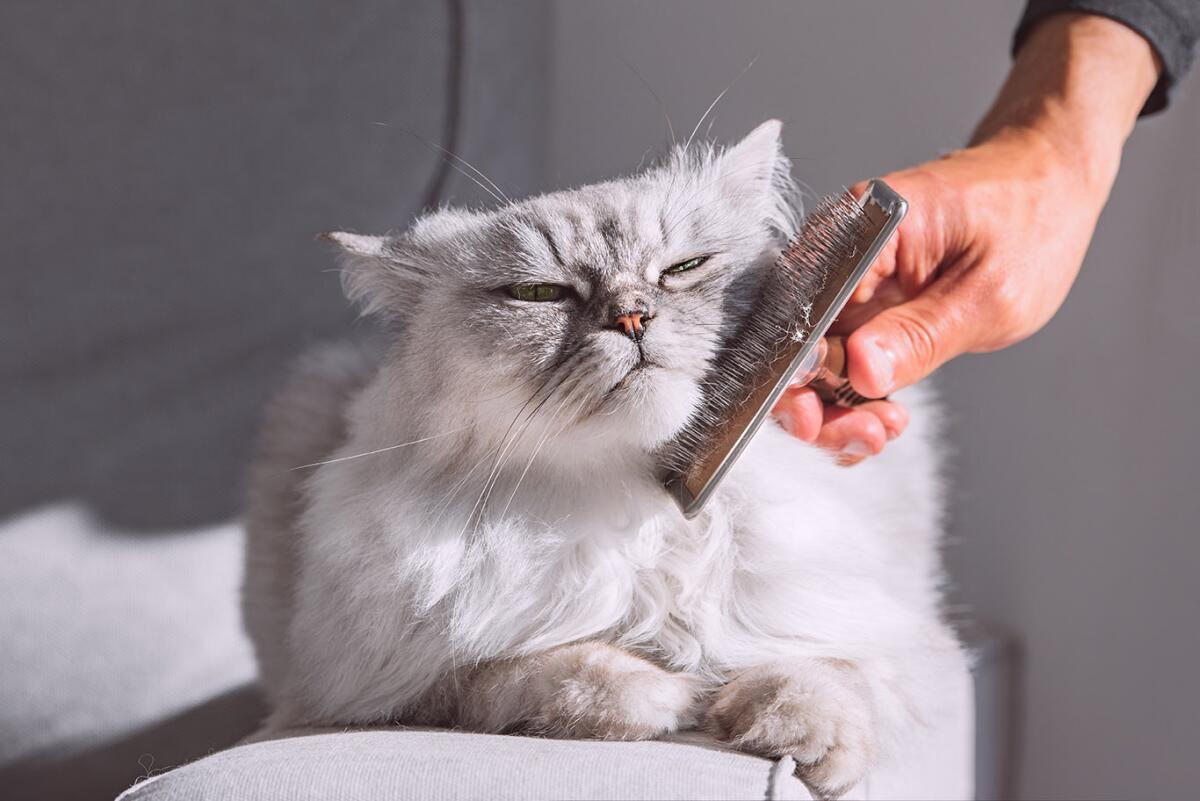
Select brushes that suit your cat’s fur type and length. Short-haired cats need soft bristle brushes to gently remove loose hair. Long-haired cats benefit from slicker brushes that can reach through thick fur and remove tangles. A comb with wide and narrow teeth helps catch mats and knots carefully.
- Soft bristle brushes for short hair
- Slicker brushes for long hair
- Wide and narrow-tooth combs for mats
Choose brushes that feel gentle on your cat’s skin. Avoid harsh bristles that can cause discomfort or skin irritation. A comfortable brush encourages your cat to stay calm and relaxed.
Additional Grooming Supplies
Besides brushes, other tools help maintain your cat’s hygiene. Nail clippers keep claws trimmed and prevent scratches. Pet-safe wipes clean your cat’s face and paws without water. A grooming glove can help remove loose hair while petting your cat.
- Nail clippers for safe trimming
- Pet-safe wipes for cleaning
- Grooming gloves for gentle hair removal
Keep grooming supplies organized in one place. This makes grooming sessions quicker and less stressful. Have treats ready to reward your cat after grooming. Positive experiences build trust and encourage good grooming habits.
Step-by-step Grooming Training
Teaching an adult cat to groom takes patience and understanding. Each cat has its own personality and comfort level, so your approach should be gentle and customized. The key is to build trust while making grooming a positive experience.
Creating A Comfortable Environment
Start by choosing a quiet, calm space where your cat feels safe. Avoid loud noises or sudden movements that can startle them. A soft blanket or your cat’s favorite resting spot works well to create a relaxing atmosphere.
Try sitting near your cat without touching them at first. Let them come to you on their own terms. This helps your cat associate the grooming area with comfort, not stress.
Introducing Grooming Gradually
Begin by gently running your fingers over your cat’s fur to get them used to touch. Keep sessions very short—just a few seconds—and stop if your cat shows signs of discomfort. You can slowly increase the time as your cat becomes more relaxed.
Use a soft brush that won’t irritate their skin. Brush in the direction of hair growth to avoid pulling. Watch your cat’s body language closely; if they seem tense or try to move away, take a break and try again later.
Positive Reinforcement Techniques
Reward your cat immediately after grooming with their favorite treat or some gentle petting. This helps them connect grooming with something enjoyable. Speak in a calm, soothing voice to keep the mood positive.
Consistency is important. Try grooming at the same time every day so your cat knows what to expect. Have you noticed how some cats seem to prefer certain treats or pets during grooming? Use those preferences to make the experience better tailored to your cat.
Dealing With Resistance And Anxiety
Teaching an adult cat to groom can be challenging, especially when they resist or show signs of anxiety. Understanding how to handle this resistance calmly can make a huge difference. Your patience and approach will set the tone for your cat’s comfort and willingness to learn.
Signs Of Stress In Cats
Recognizing stress in your cat early helps you adjust your grooming approach before things escalate. Watch for behaviors like:
- Hiding or avoiding you
- Hissing, growling, or swatting
- Rapid breathing or panting
- Tense body posture or flattened ears
- Excessive licking or grooming themselves
If your cat shows these signs, pause and give them space. Pushing too hard can increase anxiety and create negative associations with grooming.
Calming Strategies
Building trust takes time, so start slow. Try petting your cat gently in spots they like before introducing any grooming tools. Use soft voices and slow movements to keep them at ease.
Consider these calming tips:
- Offer treats or their favorite snacks during grooming sessions to create positive links.
- Use a pheromone diffuser or spray to reduce stress signals in the room.
- Keep grooming sessions short and end them on a good note, even if only a few strokes are done.
- Choose a quiet, comfortable spot free from distractions.
Have you noticed how a calm environment changes your cat’s behavior? Try adjusting your routine to match their pace. Your cat’s comfort is the key to success.
Maintaining Grooming Habits Long-term
Ensuring that your adult cat maintains grooming habits long-term is crucial for their overall health and happiness. It might seem like a daunting task, but with consistency and attention, you can help your feline friend stay clean and comfortable. Let’s explore some practical ways to keep those grooming routines on track.
Establishing A Routine
Creating a consistent grooming schedule is key. Cats thrive on routine, and knowing what to expect can reduce their stress. Try grooming your cat at the same time every day, perhaps after their morning meal or just before bedtime.
Incorporate grooming into your daily interactions. A quick brush while your cat is lounging on your lap can reinforce positive associations with grooming. Make grooming a bonding experience, not a chore.
Use treats and praise as incentives. Reward your cat with a small treat or extra petting after a grooming session. This positive reinforcement will encourage them to look forward to grooming time.
Monitoring Your Cat’s Coat Health
Regular grooming sessions are the perfect opportunity to keep an eye on your cat’s coat and skin health. Look for any unusual signs such as bald patches, redness, or dandruff. These could indicate underlying health issues that need attention.
Pay attention to changes in your cat’s grooming habits. Is your cat grooming excessively or not enough? Such changes can be signals of stress or health problems. Consult your vet if you notice anything concerning.
Keep your grooming tools clean and in good condition. Dirty brushes can spread bacteria and cause skin irritation. Regularly wash and inspect your grooming tools to ensure they are safe and comfortable for your cat.
Maintaining a grooming routine is not just about keeping your cat looking good. It’s an essential aspect of their health care. Are you ready to make grooming a stress-free and enjoyable part of your cat’s life?
When To Seek Professional Help
Knowing when to seek professional help is important for adult cat grooming. Some grooming problems need expert care. Ignoring these issues can cause more stress for your cat and you. Early action keeps your cat healthy and comfortable. Recognize signs that show your cat needs outside help.
Identifying Grooming Issues
Check your cat’s coat and skin regularly. Look for mats, tangles, or bald spots. Notice if your cat scratches or bites itself often. Watch for redness, swelling, or sores on the skin. Smell unpleasant odors from the fur. See if your cat avoids grooming or seems in pain. These signs can mean health or grooming problems.
Veterinary And Groomer Support
Veterinarians can find health causes behind grooming problems. They can treat infections, allergies, or parasites. Professional groomers have tools and skills for tough mats and nails. They handle shy or scared cats carefully. Both vets and groomers offer advice on home grooming. Regular visits keep your cat clean and happy.
Frequently Asked Questions
Can Adult Cats Learn New Grooming Habits?
Yes, adult cats can learn grooming habits with patience and consistent guidance. Positive reinforcement helps them adapt to new routines effectively.
How Long Does It Take To Teach Grooming?
Teaching grooming varies by cat but usually takes several weeks of daily practice and encouragement to establish habits.
What Tools Help Teach An Adult Cat Grooming?
Use soft brushes, grooming wipes, and treats to encourage grooming. These tools make the process comfortable and rewarding for your cat.
Why Might An Adult Cat Resist Grooming?
Resistance can stem from fear, pain, or past trauma. Identifying the cause helps tailor a gentle grooming approach.
Conclusion
Teaching an adult cat to groom takes time and patience. Cats learn best with gentle encouragement and praise. Start slow, offering help during grooming sessions. Your cat will feel safer and more relaxed this way. Regular practice helps build trust between you and your pet.
Not all cats will groom themselves fully, but they can improve. Keep your expectations realistic and enjoy small progress steps. Grooming strengthens your bond and keeps your cat healthy. Try often, stay calm, and celebrate each little success.

Leave a Reply