Do you want your cat to enjoy playtime more? Getting your furry friend excited about toys can be tricky.
But when your cat plays, it stays healthy, happy, and active. Imagine watching your cat chase, pounce, and have fun with toys you picked just for them. You’ll discover simple and effective ways to make your cat play with toys every day.
Keep reading to unlock the secrets that will turn your quiet kitty into a playful companion.
Credit: thekindpet.com
Choose The Right Toys
Choosing the right toys is key to making your cat play more. Cats have different tastes. Picking toys they like keeps them active and happy. The right toy matches your cat’s size, age, and personality. It also keeps playtime safe and fun. Understanding what kind of toys cats prefer helps you make better choices.
Types Cats Prefer
Cats enjoy toys that mimic prey. Small, light toys are easy to bat and chase. Toys with feathers or strings catch their attention fast. Many cats love toys that move or make sounds. Soft balls, mice, and wand toys are popular choices. Some cats like puzzle toys that challenge their mind. Watch your cat play to learn their favorites.
Safety First
Safety is important when choosing toys. Avoid small parts that can be swallowed. Check for loose strings or parts that can break off. Use non-toxic materials to protect your cat’s health. Toys should be sturdy and well-made. Inspect toys regularly for damage. Replace any broken or worn toys immediately to prevent accidents.
Interactive Vs Solo Toys
Interactive toys involve you and your cat playing together. Examples include wand toys and laser pointers. These toys build trust and keep your cat active. Solo toys let your cat play alone. Balls, catnip toys, and scratching posts are good solo toys. Both types are important. Mix interactive and solo toys for variety and fun.

Credit: www.yahoo.com
Create An Inviting Play Space
Creating an inviting play space is essential to encourage your cat to interact with their toys. Cats need a spot that feels safe, fun, and easy to access. When you tailor a play area to your cat’s preferences, you’ll notice more curiosity and enthusiasm from your furry friend.
Comfort And Accessibility
Make sure the play area is cozy and easy for your cat to reach. Soft rugs or cushions provide a comfortable spot for them to rest between play sessions. Place toys within their natural reach to avoid frustration—think about where your cat usually lounges or spends time.
Have you ever seen a cat ignore toys simply because they’re placed too high or in a cluttered corner? Keeping toys at eye level and within their usual roaming zones invites more interaction.
Minimize Distractions
Choose a quiet area away from loud noises and busy human traffic. Too many distractions can make your cat anxious or disinterested in playing. A calm environment helps your cat focus on the toys and enjoy their playtime.
Consider turning off the TV or closing doors to other rooms during play sessions. Your cat’s attention is precious; protect it by reducing interruptions.
Use Vertical Spaces
Cats love to climb and explore heights. Adding shelves, cat trees, or window perches can transform your play space into an exciting playground. Vertical areas give your cat more room to play and feel in control.
Have you noticed how your cat often jumps on counters or bookshelves? Giving them safe, designated vertical spots keeps their interest high and helps prevent unwanted climbing on furniture.
Use Playtime Techniques
Using specific playtime techniques can turn your cat’s interest in toys from lukewarm to lively. These techniques tap into your cat’s natural hunting instincts and reward systems, making play more exciting and rewarding. Let’s dive into a few simple ways you can boost your cat’s enthusiasm during playtime.
Mimic Prey Movements
Cats are natural hunters, so moving toys like real prey can spark their curiosity and excitement. Wiggle a feather wand just out of reach or drag a string slowly across the floor to simulate a mouse or bird.
Try changing the speed and direction randomly—it keeps your cat guessing and engaged. Have you noticed how your cat’s eyes lock on and their body tenses before they pounce? That’s the thrill of the chase, and you can trigger it easily by adjusting your toy’s movements.
Incorporate Treats
Adding treats into play makes the experience rewarding beyond just fun. Hide small treats inside puzzle toys or toss a few near the toy to encourage your cat to interact more.
This technique connects play with positive outcomes, reinforcing your cat’s desire to engage. Think about how your cat’s excitement grows when they spot a treat—using that motivation during playtime can work wonders.
Short And Frequent Sessions
Cats often prefer quick bursts of activity rather than long, tiring playtimes. Keep play sessions short—around 5 to 10 minutes—but repeat them several times a day.
This approach fits into your cat’s natural energy cycles and prevents them from losing interest. Have you tried multiple short sessions and noticed your cat’s eagerness to play again soon after? It’s a powerful way to maintain their attention without overwhelming them.
Encourage Curiosity And Exploration
Encouraging your cat’s curiosity and exploration is key to keeping playtime exciting and engaging. Cats get bored quickly when toys stay the same, so mixing things up helps maintain their interest. You can create a playful environment that taps into their natural instincts to hunt and discover.
Rotate Toys Regularly
Instead of leaving all toys out at once, try rotating them every few days. Put some toys away in a box and bring out a different set later. This simple trick makes old toys feel new again and sparks your cat’s interest.
I noticed my cat ignored her toys after a week, but when I switched them out, she became playful again within minutes. Have you ever observed your cat suddenly lose interest? Try this rotation and watch her curiosity return.
Introduce New Scents
Cats rely heavily on smell, so adding new scents to toys can make playtime more appealing. You can lightly rub a toy with catnip or even your own scent. This change makes the toy more intriguing and encourages your cat to explore it.
Sometimes, just placing a fresh toy near a window where it picks up outside scents can pique your cat’s curiosity. What scents does your cat respond to? Experiment with different smells and see which ones trigger play.
Hide Toys For Discovery
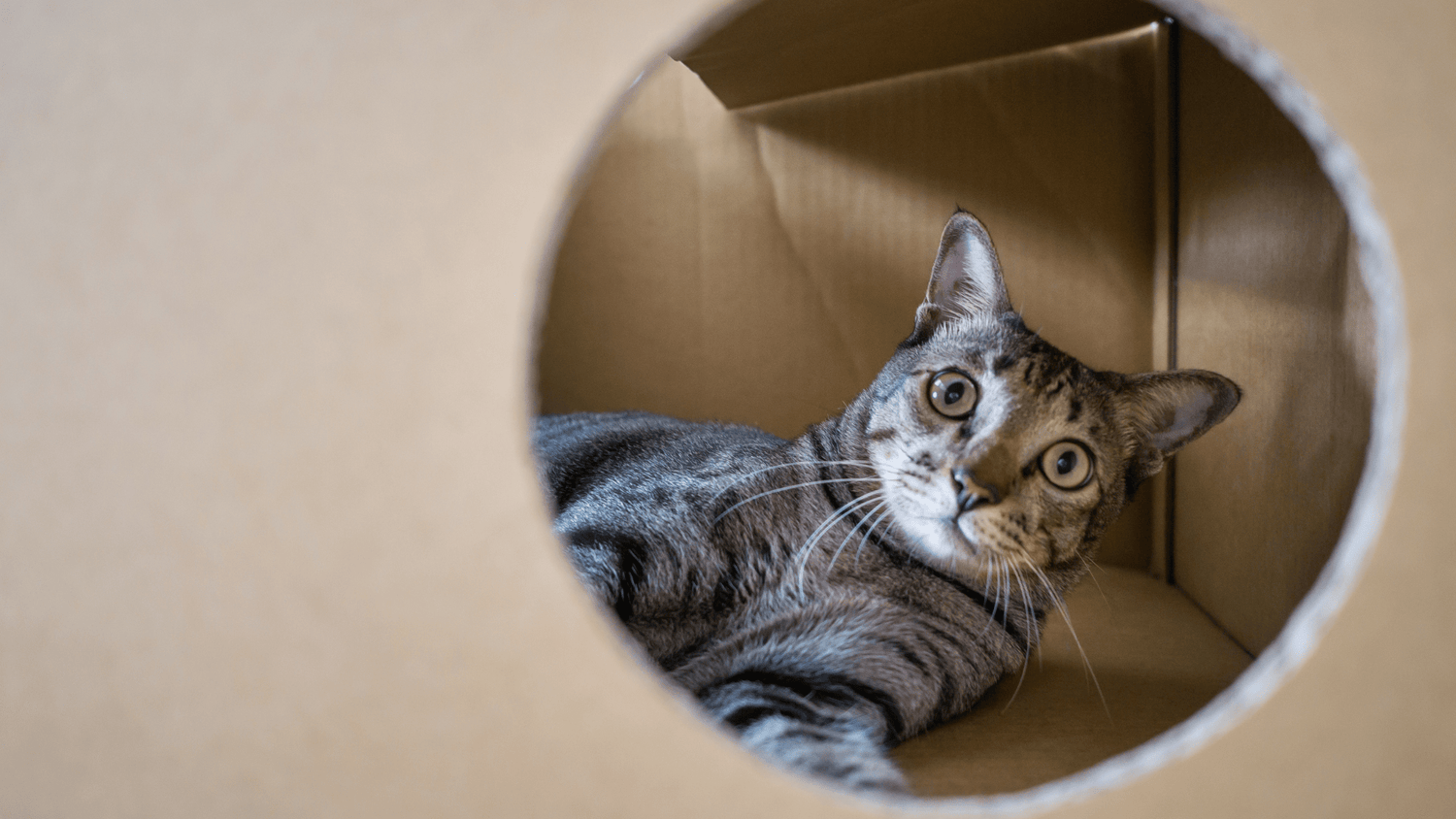
Hiding toys around your home turns play into a fun game of discovery. Tuck toys under cushions, behind doors, or inside boxes to encourage your cat to hunt and explore. This mimics the natural behavior of stalking and finding prey.
One day, I hid a favorite toy under a blanket, and my cat spent ten minutes eagerly pawing and searching. How often do you let your cat “hunt” for toys? Creating little treasure hunts can keep her mind sharp and body active.
Engage With Your Cat
Engaging with your cat during playtime can strengthen your bond. Cats love interactive play. It keeps them active and happy. Playing with your cat can also reduce stress. This section covers how to engage with your cat effectively.
Join The Play
Get down to their level. Use toys like feathers or strings. Move them around to catch your cat’s attention. Try different speeds and directions. Make it a fun chase. Your involvement makes playtime more exciting.
Watch For Preferences
Every cat has favorite toys. Some love balls, others prefer stuffed mice. Observe which toys they choose often. Offer a variety and note their reactions. This helps you understand their likes. It makes playtime more enjoyable.
Respect Their Mood
Cats have different moods. Some days they’re playful, other days they’re calm. Don’t force them to play. If they walk away, let them be. Try again later. Understanding their mood ensures a positive experience.

Credit: www.animalhumanesociety.org
Address Common Play Issues
Getting your cat to play with toys can sometimes feel like a puzzle. Cats have unique personalities and preferences, so it’s normal to face some common play issues. Addressing these problems directly can make playtime more enjoyable for both of you and keep your kitty active and happy.
Overcome Toy Disinterest
Your cat might ignore toys simply because they don’t catch their attention. Try rotating toys regularly to keep things fresh and exciting. Some cats prefer toys that mimic prey, like feather wands or small balls, while others like soft plush toys.
Have you noticed your cat’s reaction to different textures or sounds? Watching closely can help you discover what sparks their interest. Adding a bit of catnip or moving the toy unpredictably can also make a big difference.
Avoid Overstimulation
Too much excitement can overwhelm your cat and make them lose interest quickly. Short play sessions with breaks often work better than long, intense ones. Pay attention to signs like tail flicking or sudden biting to know when it’s time to pause.
You don’t want your cat to associate playtime with stress. Gentle interactions and calm energy help maintain their enthusiasm. How often do you let your cat rest between play sessions?
Handle Aggressive Behavior
Sometimes, play can turn aggressive, which can be confusing or even scary. If your cat bites or scratches hard, stop the game immediately and give them space. Redirect their energy toward toys instead of your hands or feet.
Using interactive toys like laser pointers or wand toys keeps your hands safe and makes play more fun. Consistency is key—reward gentle play with treats or praise to encourage good behavior. Have you tried setting clear boundaries during playtime?
Frequently Asked Questions
How Do I Encourage My Cat To Play With Toys?
Introduce toys gradually and use interactive play to engage your cat. Use treats and praise to motivate interest. Rotate toys regularly to maintain novelty and prevent boredom. Play sessions should be short but frequent to keep your cat curious and active.
What Types Of Toys Do Cats Prefer Most?
Cats often prefer toys that mimic prey, such as feather wands, laser pointers, and small balls. Toys that move or make noise also stimulate their hunting instincts. Soft stuffed toys are good for cats that like to carry or cuddle their toys.
How Often Should I Play With My Cat Daily?
Aim for at least two 10-15 minute play sessions each day. This helps keep your cat physically active and mentally stimulated. Regular play prevents boredom and promotes a healthy bond between you and your cat.
Can I Make Homemade Toys For My Cat?
Yes, homemade toys like paper balls, cardboard boxes, and string can be great fun. Ensure they are safe and free from small parts that can be swallowed. Homemade toys are cost-effective and can be customized to your cat’s preferences.
Conclusion
Cats need play to stay happy and healthy. Choose toys that match their style and energy. Change toys often to keep their interest alive. Play together to build trust and fun moments. Watch your cat’s reactions and try new ideas.
Patience helps your cat enjoy playtime more. Keep sessions short but frequent for best results. Enjoy the special bond that play creates. Your cat will thank you with purrs and joy.


Leave a Reply