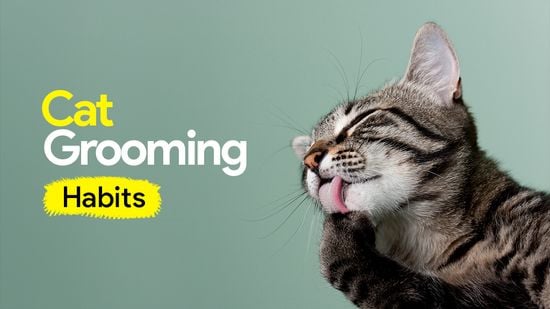
Have you ever wondered how often your cat needs grooming? Keeping your furry friend clean and comfortable is more important than you might think.
But how do you know if you’re grooming your cat enough—or maybe too much? Understanding the right grooming routine can make a big difference in your cat’s health and happiness. You’ll discover simple tips and expert advice to help your cat look and feel their best every day.
Keep reading to find out how often your cat should be groomed and why it matters to you both.
Credit: www.latimes.com
Cat Grooming Basics
Understanding the basics of cat grooming helps you keep your feline friend comfortable and healthy. Grooming isn’t just about making your cat look good—it supports their well-being. Let’s break down why grooming is important, the different types of cat coats you might encounter, and the tools you’ll need to get started.
Why Grooming Matters
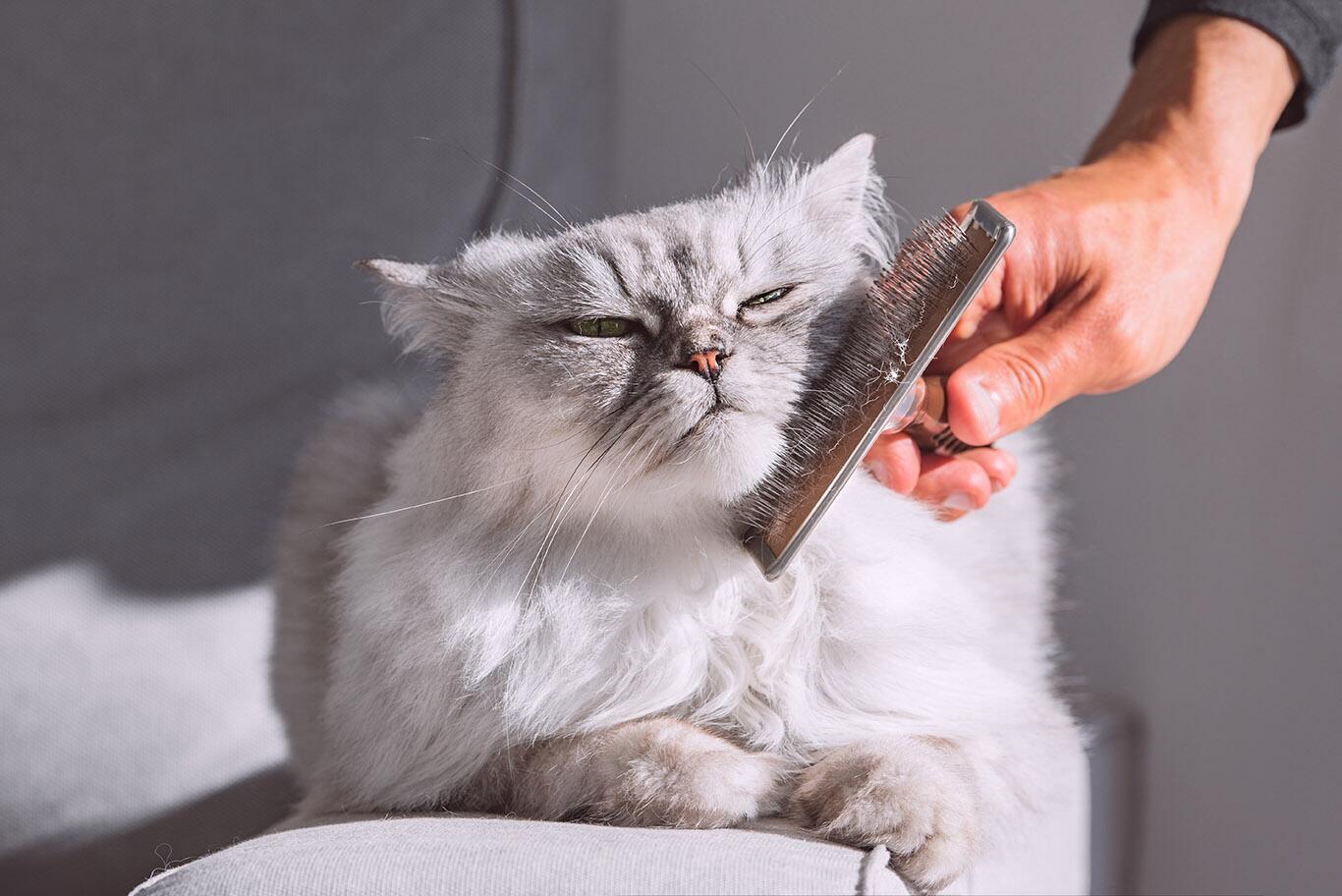
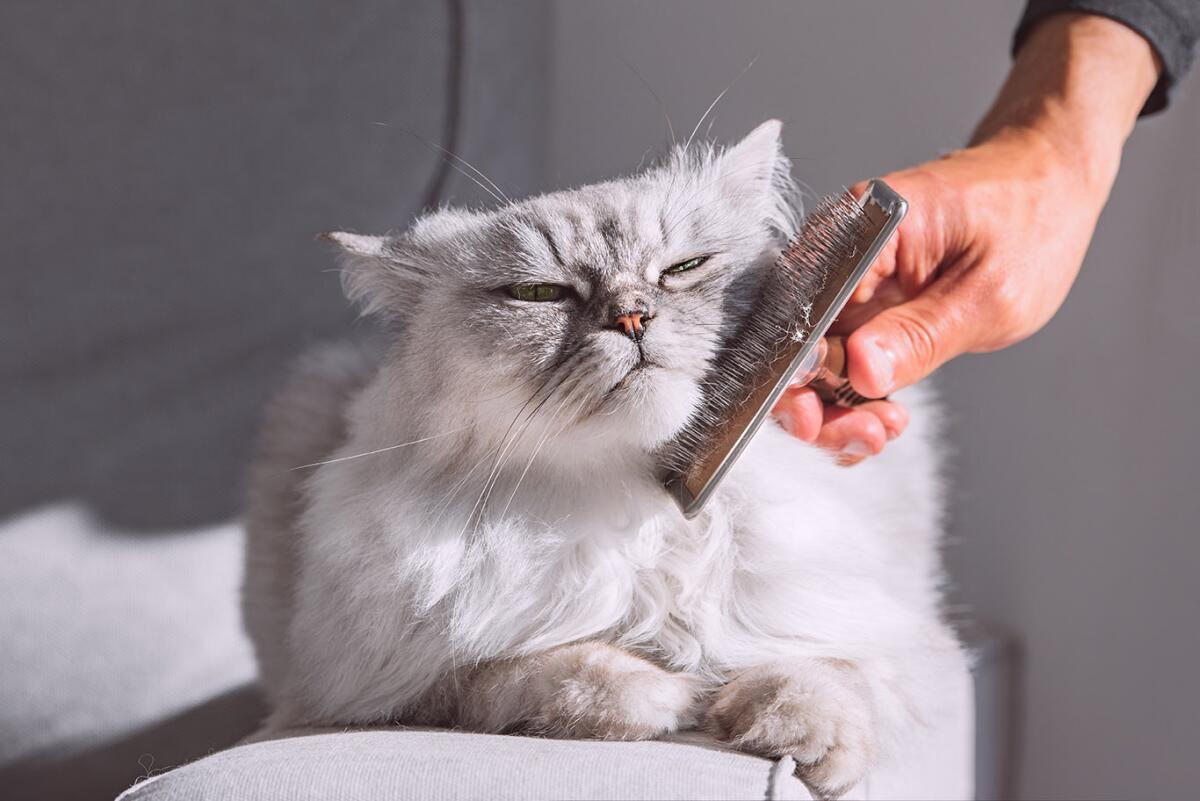
Grooming removes loose fur and dirt, reducing hairballs and skin problems. It also gives you a chance to check for ticks, fleas, or unusual lumps. Regular grooming strengthens your bond with your cat—have you noticed how some cats just love the attention during brushing?
Ignoring grooming can lead to matted fur, which causes discomfort and skin infections. Plus, a well-groomed cat usually feels happier and more relaxed. How often you groom depends on your cat’s coat and lifestyle, but staying consistent is key.
Types Of Cat Coats
Cats come with a variety of coat types, each needing a different grooming approach. Short-haired cats usually require less frequent brushing, maybe once a week. Long-haired breeds, like Persians or Maine Coons, need daily attention to prevent tangles and mats.
Some cats have double coats, which means they shed more during seasonal changes. These cats benefit from extra grooming sessions during shedding season. Understanding your cat’s coat type helps you pick the right grooming schedule and tools.
Common Grooming Tools
You don’t need fancy equipment to groom your cat effectively. A basic set includes:
- Slicker brush:Great for removing loose fur and preventing mats, especially on long-haired cats.
- Comb:Helps detangle and smooth out the fur after brushing.
- Nail clippers:Essential for keeping your cat’s claws in check and avoiding scratches.
- Grooming wipes or damp cloth:Useful for cleaning the face and paws without a full bath.
Have you tried different brushes to see which your cat prefers? Some cats dislike stiff bristles but love soft rubber brushes. Experimenting can make grooming a more pleasant experience for both of you.
Grooming Frequency
Grooming frequency varies based on a cat’s coat type and age. Regular grooming keeps cats clean and healthy. It also reduces shedding and prevents hairballs. Understanding how often to groom helps maintain your cat’s comfort.
Short-haired Cats
Short-haired cats need less grooming than long-haired ones. Brushing once a week usually works well. This removes loose hair and dirt. It also helps spot skin issues early. Bathing is rarely needed unless the cat gets dirty.
Long-haired Cats
Long-haired cats require more frequent grooming. Daily brushing prevents mats and tangles. These mats can hurt and trap dirt. Regular grooming also reduces shedding around the house. Bathing every few months can help keep their coat clean.
Kittens And Senior Cats
Kittens need gentle grooming to get used to it. Brush them a few times per week. This helps their coat grow healthy. Senior cats may need more help grooming. Older cats might struggle to clean hard spots. Brush them more often to keep their fur tidy.
Signs Your Cat Needs Grooming
Recognizing when your cat needs grooming is important for its health. Cats often hide discomfort, so watch for subtle signs. Grooming keeps their coat shiny and skin healthy. Noticing changes early helps prevent bigger problems.
Mattes And Tangles
Mattes form when fur gets twisted and stuck together. They can pull on your cat’s skin and cause pain. Tangles make fur look messy and dull. Cats with long hair need more attention to avoid mats. Check your cat’s coat regularly for knots.
Excess Shedding
Shedding happens naturally, but too much fur on furniture or clothes is a red flag. It may mean your cat needs grooming to remove loose hair. Brushing reduces shedding and keeps fur smooth. Watch for bald spots or uneven fur patches.
Skin Irritations
Skin irritations show as redness, bumps, or scabs. Cats may scratch or lick these areas often. Irritations can come from dirt, allergens, or parasites. Grooming helps clean the skin and spot problems early. Look for flaky or oily patches on the skin.
Grooming Techniques
Grooming your cat is more than just keeping them clean; it’s about maintaining their health and comfort. Different techniques suit different cats, depending on their coat type and personality. Understanding these grooming methods helps you keep your feline friend happy and looking great.
Brushing Tips
Brushing your cat regularly removes loose fur and prevents mats. Short-haired cats usually need brushing once a week, while long-haired cats benefit from daily sessions.
Choose a brush that suits your cat’s fur texture. For example, a slicker brush works well for long-haired cats, while a rubber brush is great for short-haired ones.
Make brushing a positive experience by offering treats and gentle strokes. Have you noticed how your cat’s mood changes when you brush them carefully?
Bathing Guidelines
Cats generally groom themselves, so baths aren’t often necessary. However, if your cat gets into something sticky or dirty, a bath can be helpful.
Use warm water and a cat-friendly shampoo. Avoid human shampoos as they can irritate your cat’s skin.
Keep the bath short and calm your cat throughout. Have a towel ready to dry them quickly and prevent chills.
Nail Care
Trimming your cat’s nails regularly prevents scratching damage and helps them stay comfortable. Aim to trim every 1-2 weeks depending on how fast their nails grow.
Use a special cat nail clipper and avoid cutting too close to the pink quick to prevent pain and bleeding.
Try clipping when your cat is relaxed or sleepy to reduce stress. Have you ever seen your cat knead with trimmed nails? It’s much less painful for everyone!
Professional Grooming
Professional grooming can enhance your cat’s health and appearance. While cats groom themselves, professional services offer deeper care. Groomers provide thorough cleaning, trimming, and detangling. This ensures your cat stays clean and comfortable. Regular grooming can also prevent fur-related health issues.
When To Visit A Groomer
Not all cats need frequent professional grooming. Long-haired breeds may require monthly visits. Short-haired cats might need less frequent trips. Seasonal shedding may also influence grooming schedules. If your cat struggles with self-grooming, consider more frequent visits.
Choosing The Right Groomer
Research is key to finding a good groomer. Check reviews and ask for recommendations. Visit the facility to ensure cleanliness and safety. Discuss your cat’s needs with the groomer. Ensure they are experienced with your cat’s breed. A qualified groomer will prioritize your cat’s comfort and safety.
Cost Considerations
Professional grooming costs vary by location and service. Basic services include washing, brushing, and nail trimming. Specialized services like de-matting may incur extra charges. Some groomers offer package deals for regular visits. Compare prices and services to find the best fit for your budget.
Credit: pethelpful.com
Grooming Challenges
Grooming your cat can be a rewarding experience, but it often comes with unexpected challenges. Some cats resist grooming due to fear or discomfort, while others may show aggressive behavior. Staying consistent with grooming routines can feel like an uphill battle, yet it’s essential for your cat’s health and happiness.
Dealing With Anxious Cats
Anxiety can turn grooming time into a stressful event for both you and your cat. You might notice your cat hiding or trembling when you bring out the brush. Try breaking grooming into short sessions—just a few minutes at a time—to help your cat feel safe.
Using calming sprays or gentle petting before grooming can ease tension. Have you noticed your cat relax more after a quiet cuddle? That moment can be your cue to start brushing gently, building trust step by step.
Handling Aggressive Behavior
When your cat swats or bites during grooming, it’s a clear sign they’re uncomfortable. Protect yourself with gloves and use slow, deliberate movements to avoid startling them. Sometimes, grooming tools with softer bristles can reduce irritation and make your cat less defensive.
Consider grooming your cat when they’re sleepy or relaxed after a meal. Have you tried redirecting their energy with a toy before grooming? This can help reduce aggression by releasing some of their pent-up energy beforehand.
Maintaining Consistency
Consistency is key, but life gets busy, and skipping grooming sessions happens. Setting a specific time each week can help you and your cat expect and prepare for grooming. Cats thrive on routine—does your cat seem calmer when grooming happens regularly?
Keep grooming tools handy in a convenient spot to make the process easier. You might also keep a grooming checklist to track sessions and notice patterns in your cat’s behavior. This small habit can make a big difference in maintaining a smooth grooming routine.
Health Benefits Of Grooming
Grooming is more than just keeping a cat clean. It plays a big role in their health and happiness. Regular grooming helps cats stay healthy by preventing problems and spotting issues early. It also keeps their skin and coat in good shape. Understanding these benefits shows why grooming is important for every cat owner.
Preventing Hairballs
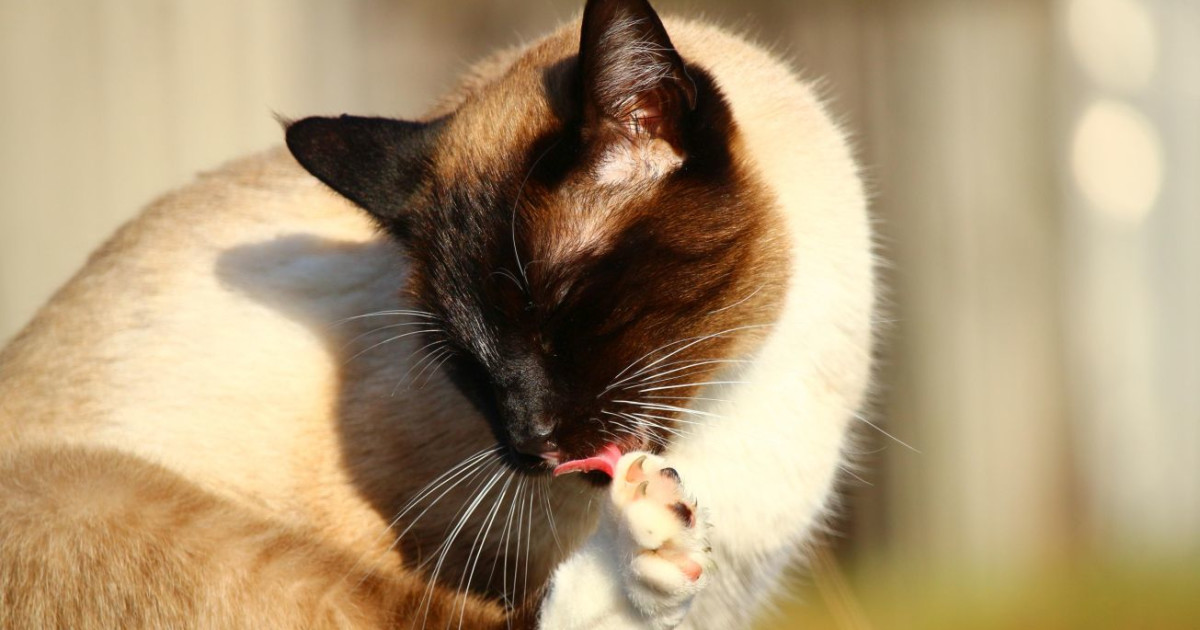
Cats groom themselves by licking their fur. This can lead to swallowing loose hair. Loose hair can form hairballs in their stomach. Hairballs can cause discomfort and digestive problems. Regular brushing removes loose fur. It lowers the chance of hairball formation. Brushing also helps cats pass hair more easily.
Detecting Health Issues Early
Grooming time lets owners check their cat’s body closely. You can spot lumps, bumps, or skin changes early. Early detection means quicker treatment. Grooming helps find fleas, ticks, and other pests. It also reveals wounds or infections before they worsen. Regular checks keep cats healthier longer.
Promoting Skin Health
Brushing spreads natural oils over a cat’s coat. These oils keep the fur shiny and soft. Grooming removes dead skin and dirt. It reduces itchiness and dry patches. Good grooming helps prevent skin infections. It also promotes better blood flow to the skin. Healthy skin means a happier cat.

Credit: www.latimes.com
Frequently Asked Questions
How Often Should Indoor Cats Be Groomed?
Indoor cats typically need grooming once every two weeks. This helps remove loose fur and prevents hairballs. Regular grooming keeps their coat healthy and reduces shedding around the house.
Do Long-haired Cats Require More Grooming?
Yes, long-haired cats need grooming at least three to four times a week. Their fur can easily mat and tangle without frequent brushing. Proper grooming prevents discomfort and skin issues.
Can Grooming Frequency Affect A Cat’s Health?
Regular grooming improves a cat’s skin and coat health. It helps detect parasites, wounds, or infections early. Grooming also reduces hairballs and promotes better hygiene, positively impacting overall health.
Should Kittens Be Groomed Differently Than Adult Cats?
Kittens need gentle grooming more frequently, usually two to three times a week. This helps them get used to grooming routines. Adult cats can be groomed less often depending on their coat type.
Conclusion
Cats need regular grooming to stay healthy and happy. Short-haired cats may only need brushing once a week. Long-haired cats benefit from daily grooming to avoid tangles. Pay attention to your cat’s coat and skin for signs of problems. Grooming also helps reduce shedding and hairballs.
Make grooming a calm and gentle routine. This keeps your cat comfortable and helps build trust. Remember, every cat is different and may need different care. Keep grooming simple, consistent, and caring for the best results.

Leave a Reply