Grooming your cat can be a challenge when they won’t sit still. You want to keep your furry friend clean and healthy, but their constant movement makes it hard.
What if you could make grooming calm and easy for both of you? You’ll discover simple, effective ways to keep your cat still during grooming. These tips will help reduce stress and turn grooming time into a peaceful bonding moment.
Keep reading to learn how to make grooming a smooth experience for your cat—and for you.
Create A Calm Environment
Creating a calm environment is key to keeping your cat still during grooming. Cats are sensitive to their surroundings, so making the space peaceful helps reduce their stress and fidgeting. You want your cat to feel safe and relaxed, which makes grooming easier for both of you.
Choose A Quiet Space
Pick a spot in your home that is free from noise and distractions. Avoid busy rooms or areas with lots of foot traffic where your cat might get startled. A quiet corner or a small room with the door closed can work wonders.
Think about your cat’s favorite resting places. If your cat already feels comfortable there, grooming in that space can make the experience less intimidating. Have you noticed how your cat reacts differently in noisy versus calm areas?
Use Soothing Sounds
Soft music or white noise can help mask sudden sounds that might scare your cat. Try playing gentle classical music or nature sounds at a low volume during grooming sessions. This background noise can create a steady, comforting atmosphere.
Some cats respond well to the hum of a fan or air purifier, which may become a calming presence. Experiment with different sounds to see what your cat prefers. Have you tried using sound to help your cat relax before?
Maintain Comfortable Temperature
Your cat’s comfort extends beyond noise and space to the room’s temperature. Make sure the grooming area is neither too hot nor too cold. A moderate temperature keeps your cat physically comfortable and less likely to squirm.
Consider the season and your home’s heating or cooling settings. If your cat tends to get chilly, a warm blanket or soft towel might help them feel cozy. What temperature does your cat seem to relax best in?
Credit: www.latimes.com
Prepare Your Grooming Tools
Getting your cat to stay calm during grooming starts long before you even pick up a brush. Preparing your grooming tools carefully sets the stage for a smoother experience. When everything is ready and within reach, you reduce the chance of interruptions that might unsettle your cat.
Select The Right Brush
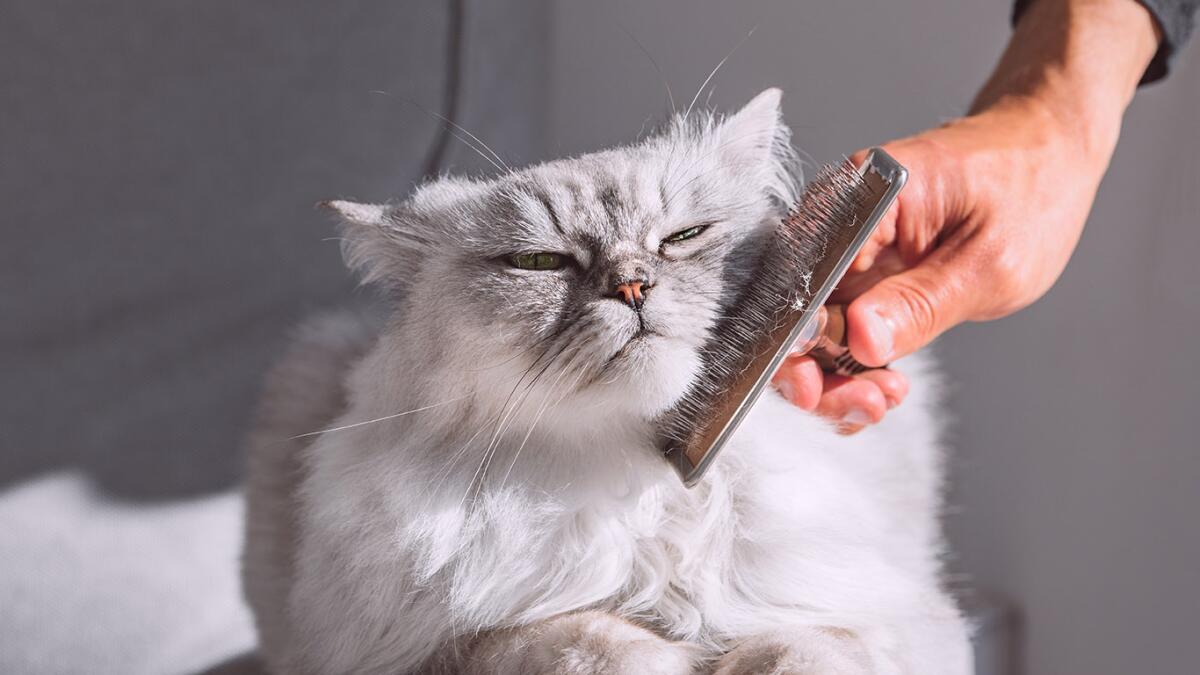
Choosing the right brush is more important than you might think. Cats with long hair need a wide-toothed comb or slicker brush to detangle knots gently. Short-haired cats do better with a soft-bristle brush that removes loose fur without irritating the skin.
Think about your cat’s coat type and sensitivity. Using the wrong brush can make your cat fidget or even scratch, turning grooming into a struggle. Have you noticed your cat’s reaction to different brushes before? That can guide you to the best choice.
Keep Tools Within Reach
Gather all your grooming tools before starting and place them close by. This includes brushes, nail clippers, a towel, and even a small comb. Moving around too much during grooming breaks your cat’s focus and can cause stress.
Imagine trying to hold a squirming cat while rushing to grab a lost brush. Keeping everything handy lets you stay calm and in control. Have you ever had to pause grooming because you couldn’t find a tool? Avoid that by preparing ahead.
Use Treats For Positive Reinforcement
Treats can work wonders in keeping your cat still during grooming sessions. Use small, tasty treats to reward calm behavior and patience. This helps your cat associate grooming with something positive.
Try giving a treat after brushing a few strokes or when your cat relaxes. Over time, your cat will learn that staying still means getting a reward. What kind of treats does your cat love most? Picking the right one can make a big difference.
Build Trust With Your Cat
Building trust with your cat is key to successful grooming sessions. Cats need to feel safe and calm to stay still. Trust helps reduce their stress and makes grooming easier. Patience and gentle care create a strong bond between you and your pet.
Start With Short Sessions
Begin grooming with very short sessions. Just a few minutes at first. Let your cat get used to your touch and the grooming tools. Short sessions keep your cat from feeling overwhelmed. Gradually increase the time as your cat becomes more comfortable.
Offer Gentle Petting
Use soft, slow strokes to pet your cat. Focus on areas they like, such as behind the ears or under the chin. Gentle petting calms your cat and builds positive feelings. It helps your cat trust your hands during grooming.
Recognize And Respect Limits
Watch your cat’s body language carefully. Signs of stress include tail flicking, ears back, or trying to escape. Stop grooming if your cat shows these signs. Respecting their limits keeps trust strong. Return to grooming only when your cat feels ready again.

Credit: www.amazon.com
Techniques To Keep Your Cat Still
Gently wrapping your cat in a towel can prevent sudden moves during grooming. Using soft voices and slow motions helps keep your cat calm and still. Offering treats before and after grooming encourages patience and cooperation.
Grooming your cat can sometimes feel like a challenging task, especially if your feline friend is not a fan of being still. Finding the right techniques to keep your cat calm and stationary can make this process much smoother. By understanding and using some simple methods, you can make grooming a more enjoyable experience for both you and your cat. Let’s dive into some effective techniques to keep your cat still during grooming sessions.Use Gentle Restraints
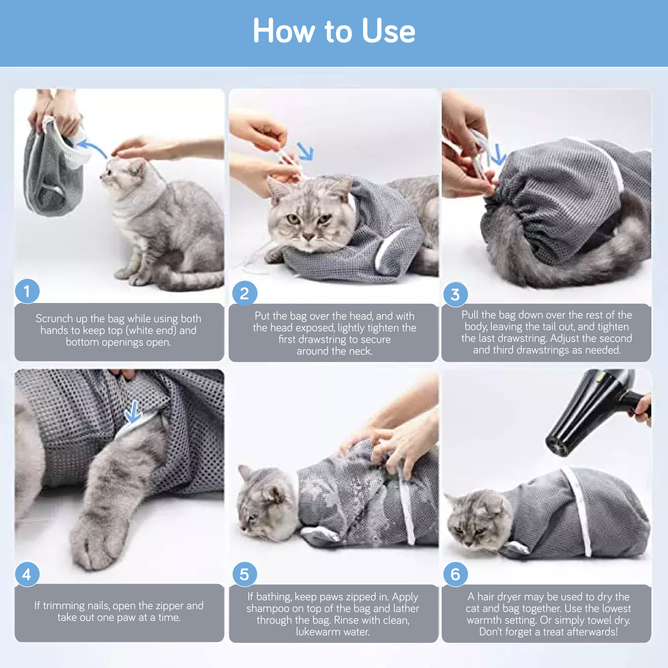
Gentle restraints can be your best friend when grooming a fidgety cat. Soft, adjustable harnesses are perfect for this purpose, as they keep your cat secure without causing discomfort. You might also find a helping hand from a friend to be useful, as they can gently hold your cat while you groom. Position your cat on a non-slip surface, like a rubber mat, which can give them a sense of stability. Always ensure that the restraints are not too tight. It’s all about creating a safe and calm environment.Distract With Toys Or Treats
Distraction is an excellent way to keep your cat occupied and still. Keep your cat’s favorite toy within reach and engage them in play while you groom. This not only diverts their attention but also makes grooming a positive experience. Treats can work wonders too. Offer small, bite-sized treats intermittently to reward good behavior. Using treats can create a positive association with grooming, making future sessions much easier.Employ Towel Wrapping Method
Towel wrapping, often called the “kitty burrito,” is a tried-and-true method for keeping cats still. Gently wrap your cat in a large, soft towel, leaving only the area you wish to groom exposed. This method provides comfort and security, similar to swaddling a baby. Ensure the towel is snug but not too tight, allowing your cat to breathe comfortably. It’s a great way to keep them calm and focused while you trim their nails or brush their fur. These techniques, when done with care and patience, can transform grooming into a stress-free experience. Have you tried any of these methods with your cat?Manage Cat’s Behavior During Grooming
Managing your cat’s behavior during grooming is key to making the experience smooth for both of you. Cats can be sensitive to touch and sudden movements, so understanding how to keep them calm helps prevent struggles and stress. Here’s how you can guide your cat into staying still and cooperating during grooming sessions.
Stay Calm And Patient
Your mood sets the tone for your cat. If you stay calm, your cat is more likely to relax too. Speak softly and move slowly to avoid startling your cat.
I once tried rushing through grooming because I was short on time. The cat sensed my tension and became restless. Slowing down and taking a gentle approach made a huge difference in how cooperative she became.
Watch For Signs Of Stress
Learn to read your cat’s body language to know when they are uncomfortable. Look for tail flicking, ears flattening, or sudden attempts to escape. These are clear signals that your cat needs a break or a change in approach.
Ignoring stress signs often escalates resistance. Instead, pause and try to soothe your cat with gentle petting or soft words. This respect builds trust and makes grooming less of a battle.
Take Breaks When Needed
Short grooming sessions work better than long, continuous ones. If your cat starts to fidget or seems overwhelmed, stop and give them time to relax. Even a few minutes away can reset their mood.
Try breaking grooming into stages: brush a little, pause, then continue. This prevents frustration and helps your cat associate grooming with calm, positive experiences.
Credit: hellopetsinc.com
Tips For Specific Grooming Tasks
Grooming your cat can be challenging if they don’t stay still. Each grooming task requires a slightly different approach to keep your feline calm and cooperative. Understanding how to handle these tasks with care makes the process easier for both of you.
Brushing Long Vs. Short Hair
Long-haired cats need gentle brushing every day to prevent mats and tangles. Use a wide-toothed comb first to detangle, then follow with a soft brush to smooth the coat. If your cat starts to squirm, pause and give them a treat or gentle petting before continuing.
Short-haired cats usually need less frequent brushing—once a week is often enough. A rubber brush or grooming glove works well to remove loose fur. Have you noticed how some cats prefer the feeling of a glove over a brush? Trying different tools can help you find what your cat likes best.
Nail Trimming Tricks
Trimming nails can be stressful, but small changes help. Hold your cat in your lap or wrap them gently in a towel, leaving one paw exposed at a time. Talk to your cat softly to keep them calm during the process.
Only trim the sharp tip of the nail, avoiding the pink quick inside. If you accidentally cut the quick, apply styptic powder or cornstarch to stop the bleeding quickly. Do you keep nail clippers in an easy-to-reach spot? Having everything ready before you start saves time and stress.
Cleaning Ears Safely
Ear cleaning requires extra caution. Use a cotton ball or soft cloth dampened with a vet-approved ear cleaner. Avoid cotton swabs, which can push debris deeper or hurt your cat’s ear canal.
Gently wipe the outer ear and the entrance to the ear canal. If your cat resists, stop immediately and try again later. Have you checked your cat’s ears for signs of infection like redness or odor? If so, consult your vet before cleaning further.
When To Seek Professional Help
Knowing when to seek professional help during cat grooming is important. Some cats resist grooming no matter what you try. Stress and injury risks rise if you force the process. Professionals have the right tools and skills to handle difficult cats safely. They can make grooming easier for both you and your pet.
Identifying Grooming Challenges
Watch your cat’s behavior during grooming sessions. Signs like aggressive scratching, biting, or hiding show discomfort. Matted fur that is hard to comb also signals a problem. If grooming causes too much stress or injury, professional help is needed. Persistent issues like skin problems or wounds require expert care.
Finding A Trusted Groomer
Look for groomers with good reviews and experience in cat care. Ask about their approach to handling nervous or aggressive cats. Choose a groomer who uses gentle methods and proper equipment. Visit the grooming salon to check cleanliness and safety. A trusted groomer will put your cat’s comfort first.
Benefits Of Professional Grooming
- Reduces stress for both cat and owner
- Prevents injury with expert handling
- Ensures thorough cleaning and coat care
- Identifies health issues early
- Saves time and effort for busy owners
Frequently Asked Questions
How Can I Calm My Cat Before Grooming?
Gently pet your cat and speak softly to reduce anxiety. Use treats and a calm environment to relax your cat before grooming.
What Tools Help Keep A Cat Still During Grooming?
Use a grooming brush with a comfortable handle and a non-slip mat. These tools help your cat feel secure and stay still.
How Long Should Grooming Sessions Last For Cats?
Keep sessions short, around 5 to 10 minutes. Gradually increase time as your cat becomes more comfortable with grooming.
Can I Use Treats To Keep My Cat Still?
Yes, treats reward good behavior and keep your cat focused. Use small, tasty treats sparingly during grooming for best results.
Conclusion
Keeping your cat calm during grooming takes patience and care. Use gentle touches and speak softly to soothe them. Short sessions work best to avoid stress. Always reward your cat with treats or praise afterward. Remember, every cat is different, so try what suits yours best.
With time, grooming can become a peaceful routine for both of you. Trust and kindness make all the difference.



Leave a Reply