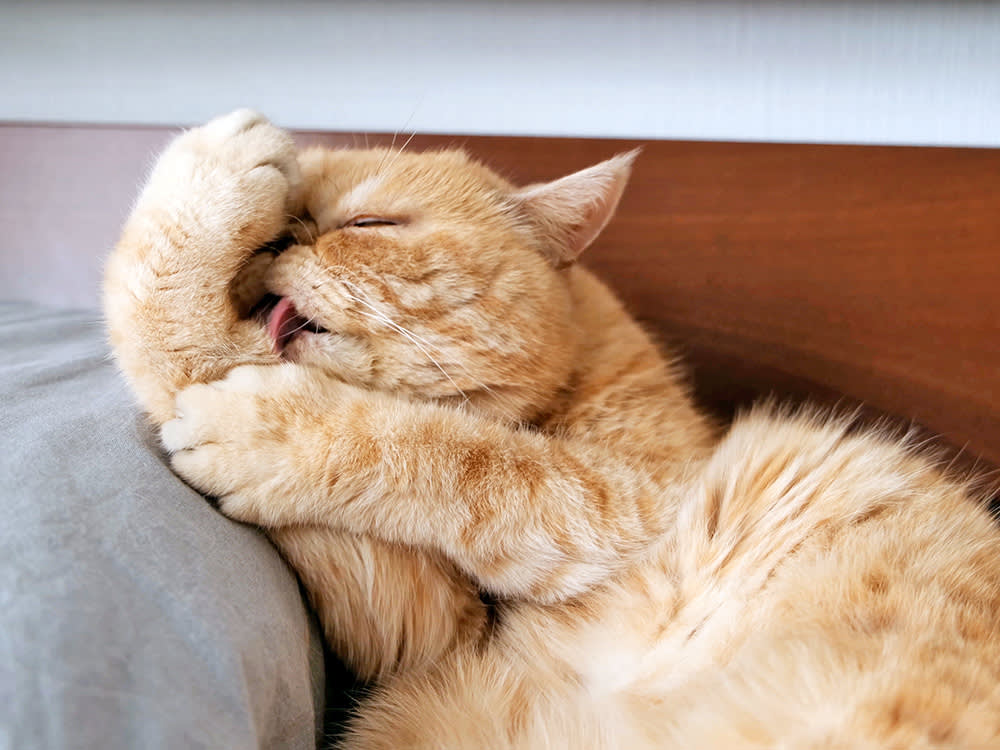
Is your cat not grooming itself like it used to? You might be wondering how to clean your furry friend without causing stress or discomfort.
When cats stop grooming, their fur can get dirty, matted, and even unhealthy. But don’t worry—this guide will show you simple, effective ways to help your cat stay clean and comfortable. By the end, you’ll know exactly what to do to keep your cat happy and healthy, even when it’s not grooming on its own.
Keep reading to discover easy tips that work!
Signs Of Poor Grooming
Noticing your cat isn’t grooming itself properly can be worrying. Cats usually keep themselves clean and tidy, so a change in this habit often signals an underlying issue. Recognizing the signs early helps you take action before the problem worsens.
Changes In Coat Appearance
Look closely at your cat’s fur. Is it dull instead of shiny? Matted or clumped fur is another clear sign your cat isn’t grooming well. You might also spot bald patches or excessive shedding, which can indicate discomfort or illness.
Sometimes, the coat looks greasy or dirty, which is unusual for cats since they are typically meticulous about cleanliness. Have you noticed your cat’s fur feeling sticky or smelling off? These are red flags that should not be ignored.
Behavioral Indicators
Your cat’s behavior gives important clues too. If your cat avoids cleaning itself or spends less time licking its fur, it might be feeling unwell or stressed. Watch for excessive scratching or biting, which could mean skin irritation or parasites.
Does your cat hide more or show signs of depression? These changes can reduce grooming instincts. You might even catch your cat licking one spot repeatedly, indicating pain or discomfort.
Health Issues Linked To Grooming
Poor grooming often points to health problems. Dental pain, arthritis, or obesity can make it hard for your cat to reach certain areas. Sometimes, skin infections or allergies cause irritation that stops your cat from grooming.
Have you considered if your cat might have an underlying illness? Conditions like diabetes or kidney disease can reduce energy and interest in grooming. Checking with a vet can uncover hidden health issues that need treatment.
)
Credit: www.northroadvet.com.au
Causes Of Grooming Problems
Understanding why your cat stops grooming itself is key to helping it stay clean and healthy. Several factors can interfere with your cat’s grooming habits, and identifying these causes will guide you on how to assist your furry friend effectively. Let’s look at some common reasons behind grooming problems.
Medical Conditions
Health issues often stop cats from grooming properly. Pain from arthritis or injuries can make it hard for them to reach certain spots. Skin infections or parasites may cause discomfort, leading your cat to avoid grooming altogether.
If you notice your cat has patches of matted fur or an unpleasant odor, it’s a signal to check for medical problems. Have you seen your cat licking one area excessively or hiding more than usual? These signs might mean your cat needs a vet visit.
Stress And Anxiety
Cats are sensitive creatures. Changes in their environment, like a move or a new pet, can make them anxious. This stress can reduce their grooming behavior, as they focus more on coping with emotions than self-care.
Have you observed your cat acting restless or hiding more? These behaviors often go hand in hand with grooming issues. Creating a calm and safe space can encourage your cat to resume grooming.
Age And Mobility Challenges
Older cats or those with mobility problems often struggle to groom themselves. Stiff joints or muscle weakness limit their ability to clean hard-to-reach areas. This can lead to dirty or matted fur, which requires your help.
Think about your cat’s daily movements. Does it avoid jumping or climbing? Assisting with grooming can improve your cat’s comfort and prevent skin problems linked to poor hygiene.
Safe Cleaning Methods
Gently brush your cat’s fur to remove dirt and loose hair. Use a damp cloth with warm water for spot cleaning sensitive areas. Avoid harsh chemicals to keep your pet safe and comfortable.
Keeping your cat clean can become a challenge, especially if they have stopped grooming themselves. Cats are naturally inclined to keep themselves clean, but health issues or age can interrupt this habit. In such cases, knowing safe cleaning methods is crucial for maintaining your feline friend’s hygiene and comfort. Let’s explore some safe and effective cleaning techniques that can help you care for your cat.Bathing Tips For Cats
Bathing a cat can be a daunting task, but it doesn’t have to be a nightmare. Use a gentle, cat-specific shampoo and lukewarm water to ensure your cat’s skin remains healthy. Make sure the room is warm and have a towel ready for a quick wrap-up post-bath to prevent them from getting cold. Consider using a non-slip mat in the sink or tub to keep your cat steady.Using Pet-friendly Wipes
Pet-friendly wipes are a convenient alternative for quick clean-ups. They’re perfect for spot-cleaning or when your cat is too stressed for a full bath. Ensure the wipes are unscented and alcohol-free to prevent irritation on your cat’s sensitive skin. Keep a pack handy for those unexpected muddy pawprints or messy mealtime incidents.Brushing And Detangling Fur
Regular brushing is essential to prevent matting and remove loose fur. Use a brush suitable for your cat’s coat type; for instance, a slicker brush works wonders for long-haired cats. Brushing not only keeps the fur clean but also stimulates the skin and promotes healthy blood circulation. If you encounter tangles, gently work through them with a detangling spray designed for pets. By taking these steps, you can ensure your cat stays clean and comfortable even when they’re not grooming themselves. Have you tried these methods, or do you have other tricks up your sleeve?
Credit: www.pethonesty.com
Tools For Cleaning
Cleaning a cat that isn’t grooming itself requires the right set of tools. These tools not only make the process easier but also keep your cat comfortable and stress-free. Choosing the right brushes, shampoos, and accessories ensures you can maintain your cat’s hygiene effectively.
Types Of Brushes
Brushes come in different styles, each designed for specific fur types and needs. A slicker brush works well for removing loose fur and preventing mats, especially in long-haired cats.
For sensitive skin, a rubber grooming brush can gently massage your cat and clean without causing irritation. If your cat has very fine or short fur, a bristle brush can smooth the coat and remove dirt.
Have you noticed your cat avoiding grooming because of discomfort? Switching to a softer brush might make a big difference.
Shampoos And Conditioners
Choosing the right shampoo is crucial. Use a gentle, cat-specific shampoo that won’t dry out their skin or cause allergic reactions.
Conditioners help keep the fur soft and tangle-free, making daily grooming easier if your cat struggles to maintain their coat. Look for products with natural ingredients like aloe vera or oatmeal, which soothe irritated skin.
Have you ever tried a shampoo and saw your cat scratching more? It might be time to check the label for harsh chemicals.
Cleaning Accessories
Besides brushes and shampoos, certain accessories make cleaning less stressful. A grooming glove, for example, can help remove loose hair while petting your cat, turning grooming into a bonding moment.
Microfiber towels are great for drying your cat quickly without rubbing harshly. Also, consider a gentle spray bottle for spot cleaning dirty patches between full baths.
What small changes could you make with these tools to help your cat feel more comfortable during cleaning?
When To Seek Veterinary Help
Knowing when to seek veterinary help for a cat that isn’t grooming itself is crucial. Ignoring the problem can lead to serious health issues. You want to catch warning signs early to keep your feline friend comfortable and healthy.
Recognizing Serious Symptoms
Watch out for sudden changes in your cat’s behavior, such as lethargy or loss of appetite. Skin problems like redness, sores, or excessive dandruff could signal an underlying issue. If your cat’s fur looks matted or greasy, or if it starts scratching a lot, these are clear signs to call the vet.
Have you noticed your cat hiding more than usual or showing signs of pain? These emotional and physical cues often accompany grooming neglect. Don’t wait for the problem to worsen—early action makes a big difference.
Professional Grooming Services
Sometimes your cat might need professional grooming to get back on track. Groomers can safely remove mats and clean areas your cat can’t reach. This is especially helpful for older or overweight cats who struggle to groom themselves properly.
Using a professional service can prevent skin infections and discomfort caused by poor hygiene. Ask your vet for recommendations if you’re unsure where to find a trustworthy groomer. Have you tried grooming your cat but found it stressful? A professional might handle it better.
Treatment For Underlying Conditions
Grooming problems often stem from medical issues like arthritis, dental pain, or skin infections. Your vet will conduct a thorough exam to diagnose conditions that stop your cat from grooming. Treatment could include pain relief, antibiotics, or special diets.
Understanding the root cause helps you support your cat’s recovery and prevent future problems. If your cat suddenly stops grooming, could there be a hidden health issue? Don’t hesitate to get a professional opinion to protect your pet’s wellbeing.
Preventive Care Strategies
Preventive care plays a key role in keeping your cat clean and healthy, especially if it stops grooming itself. Taking steps early can help avoid skin problems, discomfort, and infections. Simple habits and a calm environment support your cat’s well-being and encourage natural grooming behaviors.
Regular Grooming Routine
Brush your cat daily to remove loose fur and dirt. Use a soft brush suited for your cat’s coat type. Regular grooming prevents mats and tangles that cause discomfort. It also helps you spot skin issues like redness or fleas early. Grooming sessions build trust and comfort between you and your cat.
Diet And Hydration
Feed a balanced diet rich in nutrients to keep your cat’s skin and coat healthy. Omega-3 fatty acids improve fur quality and reduce dryness. Fresh water must be available at all times to keep your cat hydrated. Proper hydration supports skin elasticity and natural oil production.
Creating A Stress-free Environment
Stress can stop cats from grooming themselves. Provide a quiet, safe space where your cat feels secure. Keep a consistent daily routine to reduce anxiety. Offer cozy hiding spots and plenty of toys for mental stimulation. Calm surroundings encourage your cat to relax and groom naturally.
Credit: hellopetsinc.com
Frequently Asked Questions
Why Is My Cat Not Grooming Itself?
Cats may stop grooming due to illness, pain, stress, or aging. Poor grooming can indicate health issues like arthritis or skin problems. Observe your cat’s behavior and consult a vet if grooming suddenly decreases to address any underlying causes promptly.
How Can I Safely Clean My Cat That Won’t Groom?
Use a damp, soft cloth or pet-friendly wipes to gently clean your cat’s fur. Avoid harsh soaps or human products. Regular brushing can also help remove dirt and loose fur, keeping your cat clean and comfortable without causing stress.
When Should I See A Vet For Grooming Issues?
Visit a vet if your cat stops grooming for more than a few days or shows signs of illness. Symptoms like lethargy, skin irritation, or weight loss require professional evaluation to rule out medical problems affecting grooming habits.
What Grooming Tools Help Clean A Cat Not Grooming?
Use a gentle brush, grooming gloves, or pet wipes to clean and stimulate your cat’s coat. These tools help remove dirt and mats while promoting healthy skin. Choose products designed specifically for cats to ensure safety and comfort.
Conclusion
Cleaning a cat that does not groom itself takes patience and care. Use gentle wipes or a damp cloth to keep its fur clean. Regular brushing helps remove dirt and loose hair. Watch for signs of illness or discomfort. Keep the cat comfortable and calm during cleaning.
Small, steady steps make the process easier. Your cat will feel better and look healthier with your help. Taking time to clean your cat shows love and care. Remember, a clean cat is a happy cat.



Leave a Reply