Are you worried about your cat’s digestion and overall health? Just like humans, cats need a happy gut to feel their best every day.
If your furry friend has upset stomachs, low energy, or picky eating habits, improving their gut health could be the key to turning things around. You’ll discover simple and effective ways to boost your cat’s digestive system. Keep reading to learn how small changes can make a big difference in your cat’s happiness and well-being.

Credit: www.weruva.com
Signs Of A Healthy Cat Gut
Recognizing the signs of a healthy gut in your cat is key to ensuring their overall well-being. A well-functioning digestive system supports nutrient absorption, immune defense, and even mood regulation. Paying attention to subtle cues can help you catch problems early and maintain your cat’s vitality.
Normal Digestion Patterns
Watch how your cat eats and digests food. A healthy cat usually eats with enthusiasm and shows no signs of discomfort afterward.
Regular meals should be followed by smooth digestion without vomiting or excessive gas. If your cat burps occasionally or has minor stomach noises, it’s often normal, but persistent issues may signal trouble.
Ask yourself: Is your cat finishing meals without hesitation? Are there any sudden changes in appetite or digestion? These questions help you monitor their gut health closely.
Healthy Stool Characteristics
Healthy stool is a reliable indicator of gut function. Look for well-formed, moist stools that are easy to pick up.
Consistency should be firm but not hard, and color typically ranges from light to dark brown. Any sudden changes, like diarrhea, constipation, or unusual colors, deserve your attention.
- Normal stool should not have mucus or blood.
- It should be odorless or have a mild smell, not foul.
- Regular bowel movements, roughly once a day, indicate good gut rhythm.
Behavioral Indicators
Your cat’s behavior can reveal a lot about their digestive health. A cat with a healthy gut is usually active and playful, showing no signs of discomfort or lethargy.
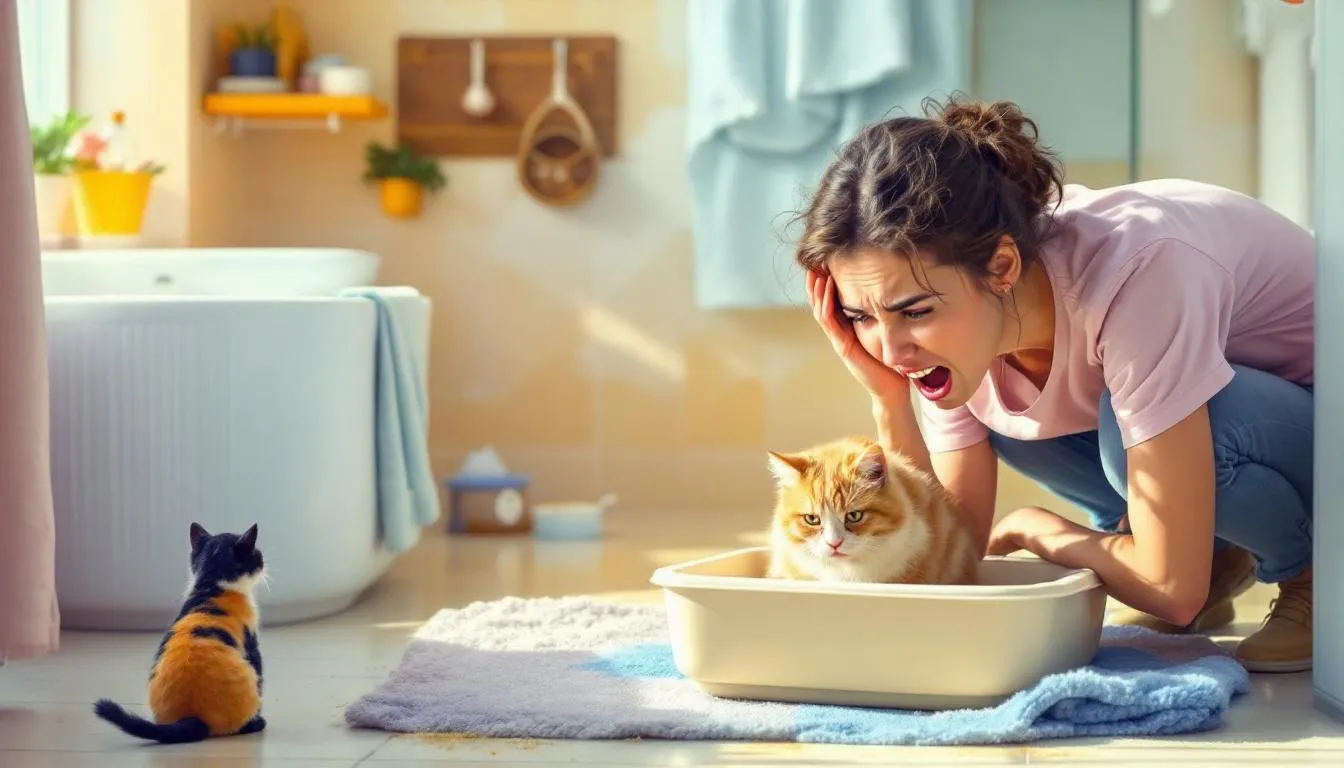
Notice if your cat avoids the litter box or shows restlessness after eating. These behaviors often hint at digestive upset.
Does your cat groom regularly and maintain a shiny coat? These small habits often reflect a balanced gut and proper nutrient absorption, connecting digestion to overall health.

Credit: www.animalbiome.com
Common Causes Of Gut Issues In Cats
Gut health is vital for a cat’s overall well-being. Many cats suffer from digestive issues without clear reasons. Understanding common causes helps you spot problems early. Knowing what affects your cat’s gut can guide better care.
Dietary Imbalances
Improper nutrition often leads to gut problems in cats. Feeding low-quality food can cause upset stomachs. Sudden diet changes may disturb the digestive system. Cats need a balanced mix of proteins, fats, and fibers. Too much or too little of these can cause diarrhea or constipation.
Stress And Environment
Stress affects a cat’s gut health deeply. Changes in routine or surroundings can upset their stomach. Loud noises, new pets, or moving house are common stress triggers. Stress can slow digestion or cause inflammation. A calm environment supports a healthy gut.
Infections And Parasites
Bacteria, viruses, and parasites often cause gut issues in cats. Common parasites like worms affect digestion and nutrient absorption. Infections can cause vomiting, diarrhea, and lethargy. Regular vet checks and parasite control keep gut problems away. Clean living areas reduce infection risks.
Choosing The Right Diet
Choosing a diet rich in fiber and probiotics helps support your cat’s digestive system. Feeding balanced meals with quality ingredients promotes healthy gut bacteria and better digestion. Avoiding fillers and artificial additives can reduce stomach upset and improve overall gut health.
Choosing the right diet is crucial for improving your cat’s gut health. The food your cat eats directly affects their digestive system and overall well-being. By selecting the right ingredients, you can support their gut health and keep them purring with happiness.High-quality Protein Sources
Cats are obligate carnivores, meaning they need a diet rich in animal protein. Look for cat foods that list real meat, like chicken or fish, as the first ingredient. Avoid those with meat by-products, as they offer less nutritional value. Providing your cat with high-quality protein not only aids in digestion but also supports muscle health. You might notice your cat being more energetic and playful with the right protein intake.Incorporating Fiber
Fiber is essential for a healthy digestive system. It helps regulate bowel movements and can prevent issues like constipation. Consider adding a small amount of pumpkin or a fiber-rich supplement to your cat’s diet. Just like in humans, fiber aids in keeping things moving smoothly in your cat’s gut. It also supports the growth of beneficial gut bacteria, which can enhance digestion and nutrient absorption.Avoiding Harmful Ingredients
Some ingredients can be harmful to your cat’s gut health. Artificial preservatives, colors, and flavors are often unnecessary and can lead to digestive upset. Read labels carefully and opt for natural, wholesome ingredients. Grains like corn and wheat can also be problematic for some cats, leading to allergies or digestive issues. Choosing grain-free options might be the right choice if your cat shows signs of intolerance. By making these dietary changes, you’re setting your cat up for better gut health and a happier life. Have you noticed any changes in your cat’s behavior or health after switching their diet? It might be worth trying these tips to see the difference yourself.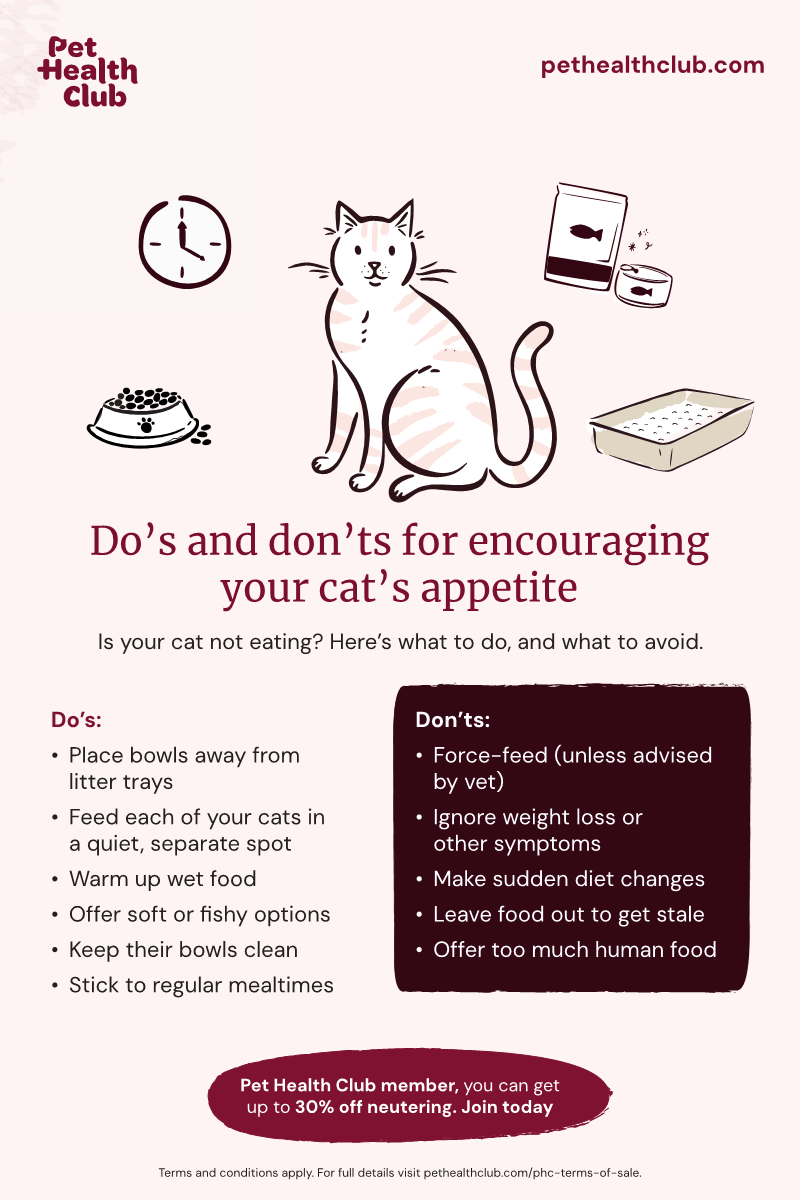
Credit: www.pethealthclub.com
Probiotics And Supplements
Probiotics and supplements play a vital role in improving your cat’s gut health. They help balance the good bacteria in the digestive system. This balance supports digestion, nutrient absorption, and overall wellness. Using the right probiotics and supplements can reduce digestive problems and boost your cat’s immune system.
Benefits Of Probiotics
Probiotics introduce healthy bacteria into your cat’s gut. This helps fight harmful bacteria and reduces inflammation. They improve digestion and help with issues like diarrhea and constipation. Probiotics also strengthen your cat’s immune defenses. Regular use may lead to better nutrient absorption and more energy.
Safe Supplement Options
Choose supplements made specifically for cats. Look for products with natural ingredients and no artificial fillers. Common safe supplements include:
- Probiotic powders or capsules
- Digestive enzymes
- Omega-3 fatty acids
- Prebiotics to feed good bacteria
Always check the dosage and instructions carefully. Avoid giving human supplements as they can harm your cat.
Consulting Your Veterinarian
Talk to your vet before starting any new supplement. Your vet can recommend the best probiotics for your cat’s needs. They will ensure the supplement won’t interfere with any medications. Regular check-ups help monitor your cat’s gut health progress. Always follow your vet’s advice for safe and effective care.
Hydration And Its Role
Hydration plays a key role in maintaining your cat’s gut health. Water helps break down food and supports digestion. It also flushes out toxins and keeps the intestines working well. Without enough water, your cat may face constipation and poor nutrient absorption. Keeping your cat well hydrated ensures their digestive system stays smooth and healthy.
Importance Of Water Intake
Water is essential for all bodily functions. It softens stool and prevents constipation. Proper hydration supports good bacteria in the gut. These bacteria help digest food and protect against illness. Cats often drink less water than needed. This can lead to dehydration and digestive problems. Providing fresh water daily is vital for your cat’s health.
Encouraging Drinking Habits
Many cats are picky about drinking water. Try these tips to encourage them:
- Place multiple water bowls around the house.
- Use a cat water fountain for fresh, moving water.
- Keep water bowls clean and refill often.
- Try different bowl materials like ceramic or stainless steel.
- Add a splash of low-sodium broth to water to enhance flavor.
Observe your cat’s preferences and habits to increase water intake.
Wet Vs. Dry Food Impact
Wet food contains more moisture than dry food. Feeding wet food helps increase your cat’s water intake naturally. It can reduce the risk of urinary and digestive issues. Dry food has less water and may require your cat to drink more. Mixing wet and dry food balances hydration and nutrition. Choose high-quality food for better gut health and hydration support.
Creating A Stress-free Environment
Creating a stress-free environment is key to improving your cat’s gut health. Stress can upset the balance of bacteria in their digestive system, leading to discomfort and other health issues. By focusing on reducing stress, you help your cat maintain a happy, healthy gut.
Reducing Household Stressors
Think about what might be stressing your cat at home. Loud noises like vacuum cleaners or frequent visitors can make your cat anxious. Try to keep noise levels down and create quiet zones where your cat can retreat.
Also, avoid sudden changes in their environment. Cats dislike unpredictability, so keep feeding times and litter box locations consistent. Have you noticed your cat hiding or acting restless? These could be signs of stress you can address.
Providing Comfortable Spaces
Your cat needs cozy, safe spots to relax. Add soft bedding in quiet corners away from heavy foot traffic. Cats feel safer when they can observe their surroundings from a high perch, so consider adding a cat tree or shelves.
Make sure these spaces are clean and free from strong smells that might bother your cat. A calm resting area helps reduce stress hormones that affect gut health. Have you checked if your cat has enough comfortable places to unwind?
Routine And Playtime
Consistency in daily routines helps your cat feel secure. Feeding, cleaning, and playtime at regular hours create a predictable environment. This stability lowers stress and supports a balanced gut.
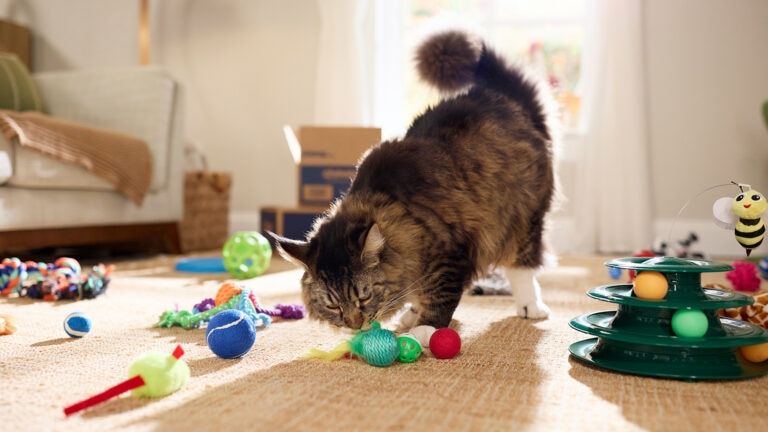
Engage your cat with interactive play using toys that mimic hunting. This not only provides exercise but also mental stimulation, which reduces anxiety. What kind of play does your cat enjoy most? Tailoring activities to their preferences can make a big difference.
Regular Vet Checkups
Regular vet checkups play a crucial role in keeping your cat’s gut healthy. These visits give you and your vet a chance to track changes and catch problems early. Staying proactive can prevent minor issues from turning into serious health concerns.
Monitoring Gut Health
During regular checkups, your vet examines your cat’s overall condition, including their digestive system. They may ask about your cat’s eating habits, stool quality, and any unusual symptoms like vomiting or diarrhea. These details help paint a clear picture of your cat’s gut health over time.
Consistent monitoring can reveal subtle changes that you might miss at home. Have you noticed any shifts in your cat’s appetite or energy? Sharing these observations can guide your vet in spotting early signs of gut trouble.
Early Detection Of Issues
Regular visits allow your vet to spot gut problems before they worsen. Tests such as stool analysis or blood work can uncover infections, parasites, or inflammation early on. Catching these issues promptly often leads to quicker, simpler treatments.
Think about how much easier it is to treat a mild upset stomach than chronic digestive disease. Early detection can save your cat discomfort and reduce vet bills. Are you prepared to act quickly if your vet notices something unusual?
Tailored Treatment Plans
Your vet can create a treatment plan designed specifically for your cat’s gut health needs. This might include dietary changes, probiotics, or medication depending on the diagnosis. Personalized plans increase the chances of successful recovery and long-term wellbeing.
Every cat is unique, so what works for one might not work for another. Regular checkups ensure your vet adjusts the plan as your cat’s condition evolves. How often do you review your cat’s diet and health routines with your vet?
Frequently Asked Questions
What Foods Improve My Cat’s Gut Health?
Feeding high-quality protein and fiber-rich foods supports gut health. Include wet food and probiotics for balanced digestion. Avoid fillers and artificial additives. Fresh water is essential to prevent dehydration and aid digestion. Consult your vet for personalized diet advice.
How Do Probiotics Benefit My Cat’s Digestion?
Probiotics introduce good bacteria that balance the gut microbiome. They help reduce diarrhea, improve nutrient absorption, and strengthen immunity. Regular probiotic supplements or foods with live cultures promote a healthy digestive system. Always choose vet-approved probiotic products for cats.
Can Stress Affect My Cat’s Gut Health?
Yes, stress can disrupt the gut microbiome and cause digestive issues. Stress triggers inflammation and reduces beneficial bacteria. Provide a calm environment, regular playtime, and consistent routines to reduce stress. Consult your vet if stress-related gut problems persist.
How Often Should I Monitor My Cat’s Gut Health?
Regular monitoring is key, ideally during annual vet visits. Watch for signs like diarrhea, vomiting, or changes in appetite. Early detection of gut issues ensures timely treatment. Keep a symptom diary to share with your vet for better diagnosis.
Conclusion
A healthy gut helps your cat feel happy and strong. Feed balanced meals with good fiber and probiotics. Keep fresh water available every day. Watch for signs of stomach trouble or changes in behavior. Regular vet visits catch problems early.
Small changes can make a big difference over time. Your cat’s gut health is key to a long, active life. Take simple steps today for a healthier tomorrow.

Leave a Reply