
Are you passionate about cats and dreaming of turning that love into a rewarding career? Becoming a cat breeder in Colorado might be the perfect path for you.
But before you dive in, there are important steps you need to know to do it right—and to do it legally. This guide will walk you through everything you need to start breeding cats responsibly, from understanding state regulations to caring for your feline friends.
Keep reading, and you’ll discover how to build a successful and ethical cat breeding business in Colorado.
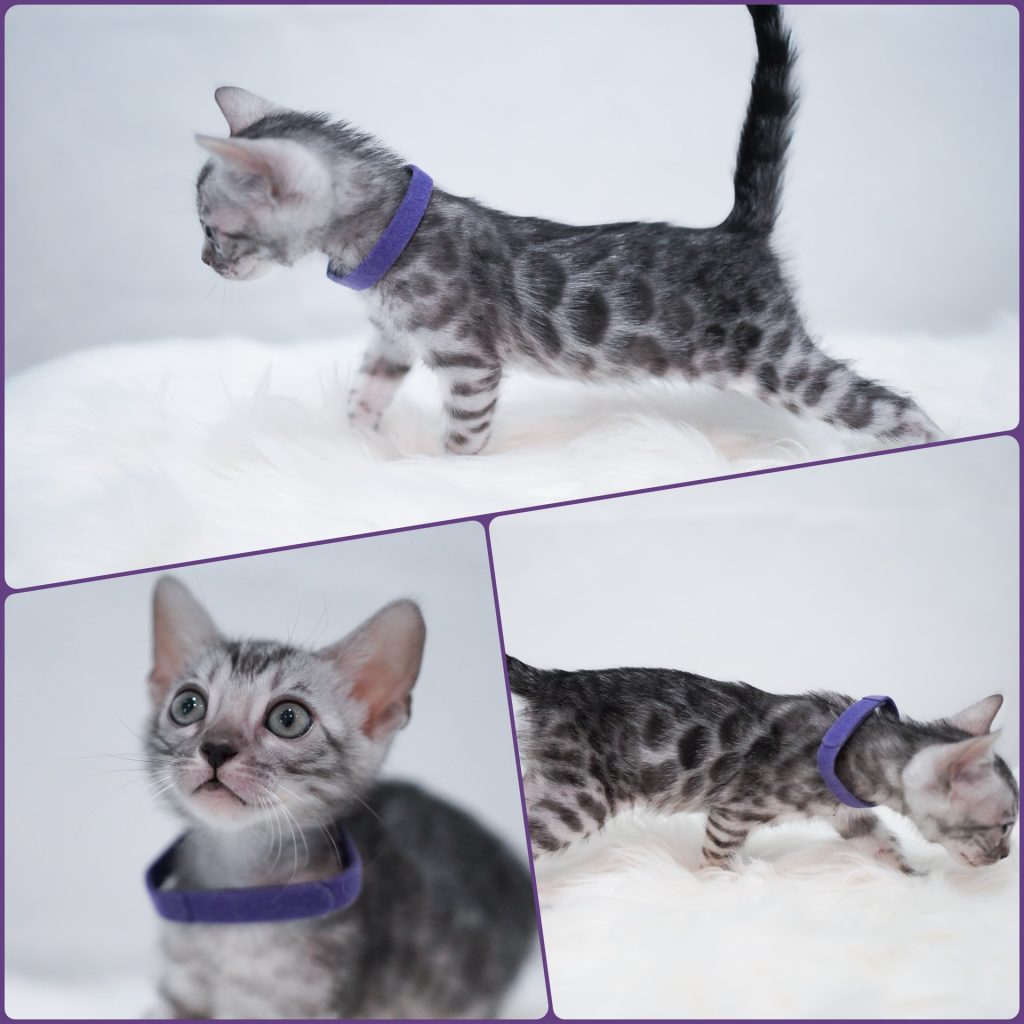
Credit: thebengalspride.com
Legal Requirements In Colorado
Starting a cat breeding business in Colorado requires understanding the legal rules. These rules protect both breeders and animals. Following them helps avoid fines and legal trouble. Knowing the laws shows you care about your cats and customers.
Licensing And Permits
Colorado asks cat breeders to have proper licenses. You must apply for a breeding license from the state or local government. The process may include a fee and background check. Keep your license current by renewing it on time. Some cities or counties also require special permits for breeders.
Local Zoning Laws
Each city or county has rules about where you can breed cats. Zoning laws control how animals are kept in neighborhoods. Some areas may not allow breeding in residential zones. Check with your local zoning office before starting. This avoids complaints and legal issues later on.
Animal Welfare Regulations
Colorado laws protect cats from neglect and abuse. Breeders must provide clean, safe, and comfortable living spaces. Cats need proper food, water, and veterinary care. You must follow standards for cage size and cleanliness. Regular inspections may happen to ensure rules are met.
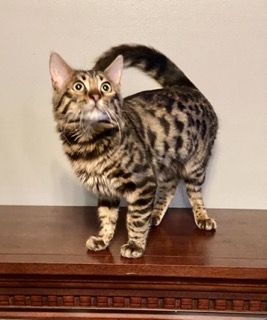
Credit: tica.org
Choosing The Right Cat Breed
Choosing the right cat breed is a crucial step when you want to become a successful cat breeder in Colorado. Your choice impacts everything—from your daily care routine to the kind of buyers you attract. Think carefully about what breeds fit your lifestyle and goals.
Popular Breeds In Colorado
Colorado cat lovers often favor breeds that adapt well to the local climate and lifestyle. Some of the most popular breeds include:
- Maine Coon:Known for their large size and friendly nature, they handle cold weather well.
- Siberian:A hypoallergenic breed that thrives in cooler environments.
- Ragdoll:Gentle and affectionate, perfect for families.
- British Shorthair:Low maintenance and good for indoor living.
Choosing a breed popular in your area can increase your chances of finding interested buyers quickly.
Temperament And Care Needs
Each breed has its own personality and care demands. Some cats need constant grooming, while others require minimal upkeep. For example, Persian cats need daily brushing to avoid matting, whereas Bengals have short coats that are easy to manage.
Consider your ability to meet these needs consistently. Are you ready for the time and resources required? Your daily interaction with the cats will be more rewarding if you pick a breed that matches your energy and commitment.
Market Demand
Successful breeders pay attention to what buyers want. Trends can change, but some breeds always hold strong demand due to their unique traits or appearance. For instance, hypoallergenic cats like the Siberian attract buyers with allergies, while playful breeds like the Abyssinian appeal to active pet owners.
Research local demand by checking adoption centers, pet shops, and online forums. What breeds do people in Colorado ask for most? Aligning your breeding program with market needs helps ensure steady sales and happy customers.
Setting Up Your Breeding Space
Creating a dedicated breeding space is essential for becoming a cat breeder in Colorado. Ensure the area is clean, spacious, and safe. Provide separate zones for different stages of breeding to maintain health and comfort.
Setting up your breeding space is a crucial step in becoming a successful cat breeder in Colorado. A well-organized and safe environment not only ensures the comfort and health of your cats but also increases the chances of successful breeding. Let’s dive into how you can create the perfect space for your feline friends.Safe And Comfortable Environment
Creating a safe and comfortable environment is essential for your breeding cats. Ensure that the space is free from hazards like sharp objects or small items that could be swallowed. The temperature should be controlled, ideally between 65-75°F, to keep the cats comfortable. Soft bedding is a must—cats love cozy spots for resting and nursing their kittens. Consider using non-toxic cleaning materials to keep the area clean without risking your cats’ health.Essential Supplies And Equipment
Equipping your breeding space with the right supplies is key. Invest in sturdy litter boxes and high-quality food and water dishes. You’ll need comfortable beds and nesting boxes for pregnant cats to give birth. Scratching posts and toys are essential to keep your cats entertained and stress-free. Don’t forget grooming supplies like brushes and nail clippers to maintain their coat and overall hygiene.Health And Hygiene Practices
Maintaining health and hygiene in your breeding space is non-negotiable. Regularly clean and disinfect the area to prevent the spread of germs and parasites. Schedule routine vet check-ups to keep your cats healthy and vaccinated. It’s crucial to have a first-aid kit on hand for any minor injuries or emergencies. How often do you check your cats for signs of illness? Regular monitoring can make all the difference in catching issues early and ensuring a healthy breeding program. By setting up a well-thought-out breeding space, you lay the foundation for a successful and rewarding cat breeding journey. Remember, your dedication and attention to detail will not go unnoticed by your feline companions.Selecting Healthy Breeding Cats
Choosing the right breeding cats is the foundation of a successful cat breeding journey in Colorado. Healthy cats not only increase the chances of producing strong kittens but also reduce the risk of passing on hereditary problems. Paying close attention to health factors early on saves you time, money, and heartache down the road.
Genetic Health Screening
Genetic testing is essential before selecting a breeding cat. It helps identify inherited diseases that might not be visible but can impact future litters.
Tests vary depending on the breed, but common screenings include checks for hypertrophic cardiomyopathy (HCM), polycystic kidney disease (PKD), and other breed-specific conditions.
Ask breeders or veterinarians for health certificates and genetic test results. Would you bring a cat into your breeding program without knowing its genetic risks?
Age And Temperament Considerations
Age matters when choosing a breeding cat. Ideally, a cat should be at least one year old to ensure full physical maturity and reproductive readiness.
Temperament plays a huge role too. Calm, friendly cats tend to produce kittens with better social skills, which is crucial for future homes.
Spend time interacting with potential breeding cats. Does their personality align with what you want to nurture in your breeding line?
Finding Reputable Sources
Where you get your breeding cats from can make all the difference. Reputable breeders and rescue organizations prioritize health and ethical practices.
Look for breeders who provide complete health histories, allow visits, and show transparency about their cats’ backgrounds.
Networking with local Colorado cat clubs or attending cat shows can connect you with trustworthy sources. Would you risk your breeding program by choosing a questionable seller?
Breeding Process Basics
The breeding process is the heart of becoming a successful cat breeder in Colorado. Understanding each phase—from mating to early kitten care—helps you ensure the health and well-being of both the mother and her kittens. Your attention to detail during these stages will shape the future of your breeding program.
Mating And Pregnancy Care
Timing is crucial when it comes to mating. Monitor your queen’s heat cycles closely to identify the optimal breeding window.
Once pregnant, provide a calm, comfortable space for the mother. Regular vet visits are essential to track her health and catch any complications early.
Nutrition plays a key role—feed her a diet rich in protein and essential nutrients. Have you prepared a quiet nesting area ready well before she gives birth?
Kitten Development Stages
Kitten growth happens fast and in distinct stages. In the first two weeks, kittens are blind and rely entirely on their mother for warmth and feeding.
By three weeks, their senses begin to develop, and their mobility improves. This is when you’ll notice their personalities starting to form.
Keep a close eye on their weight and activity levels to catch any early health issues. Are you ready to record their milestones to track progress?
Weaning And Early Socialization
Weaning usually begins around four weeks of age. Introduce soft, wet food gradually while still allowing access to the mother’s milk.
Early socialization is critical during this time. Handle the kittens gently and expose them to different sounds and environments to build confidence.
Remember, well-socialized kittens adapt better to new homes and environments. How will you balance care with encouraging independence?
Health Care For Cats And Kittens
Proper health care is vital for cats and kittens in breeding. Healthy cats grow strong and have better chances of producing healthy litters. Care involves regular checkups, good food, and spotting health problems early. Each aspect plays a big role in maintaining your cat’s wellbeing and breeding success.
Vaccinations And Vet Visits
Vaccinations protect cats from serious diseases. Kittens need a series of shots to build immunity. Adult cats require boosters to stay protected. Regular vet visits help track growth and catch illness early. Your vet can advise on the right vaccination schedule. Annual checkups keep cats healthy and ready for breeding.
Nutrition And Diet
Good nutrition supports growth and reproductive health. Feed high-quality food made for cats and kittens. Kittens need more calories and nutrients to develop properly. Adult cats benefit from balanced diets with protein and fats. Avoid feeding dogs’ food or table scraps. Fresh water must always be available to keep cats hydrated.
Common Health Issues
- Upper respiratory infections cause sneezing and eye discharge.
- Parasites like fleas and worms affect health and weight.
- Dental problems can lead to pain and eating difficulties.
- Obesity impacts mobility and breeding ability.
- Genetic diseases may pass to kittens if breeders are not careful.
Regular vet checks and good care help prevent these problems. Early treatment keeps cats healthy and breeding strong.
Marketing And Selling Kittens
Marketing and selling kittens in Colorado requires more than just finding buyers; it demands building trust and showcasing your dedication as a breeder. Your approach can set you apart in a crowded market and ensure your kittens go to loving, responsible homes. How you present yourself and handle inquiries impacts your reputation and long-term success.
Creating A Breeder Profile
Your breeder profile acts as your first impression. Make it detailed and honest, highlighting your experience, breeding goals, and the care you provide to your cats. Include clear photos of your cats and the environment they live in to build transparency.
Adding testimonials from previous buyers can boost credibility. Think about what questions you would ask if you were buying a kitten—answer those upfront in your profile. This shows you understand buyer concerns and are committed to responsible breeding.
Advertising Strategies
Effective advertising is about reaching the right audience. Use local online classifieds, social media groups, and specialized cat forums to spread the word. Posting regularly with updates on upcoming litters keeps potential buyers engaged.
Consider creating short videos showcasing kitten playtime or health checks; videos often receive more attention than photos alone. Don’t overlook word-of-mouth—happy buyers can become your best promoters. Have you thought about partnering with local vets or pet stores to display flyers?
Screening Potential Buyers
Finding the right homes for your kittens protects both the animals and your reputation. Prepare a questionnaire that covers lifestyle, experience with pets, and living arrangements. This helps you understand if the buyer can provide a safe, loving environment.
Have honest conversations about the responsibilities of cat ownership, including health care and time commitment. Trust your instincts—if something feels off, it’s okay to say no. What criteria will you set to ensure your kittens go to the best homes?
Managing Finances And Records
Managing your finances and keeping accurate records are the backbone of running a successful cat breeding business in Colorado. Without clear financial planning and organized documentation, you risk falling behind on expenses or missing important legal requirements. Let’s break down how you can take control of your money and paperwork to keep your breeding journey smooth and profitable.
Budgeting For Expenses
Start by listing all the costs you’ll face, from initial setup to daily care. This includes buying quality breeding cats, vaccinations, food, vet visits, and emergency funds. Don’t forget costs like licenses, permits, and advertising.
Try creating a monthly budget that tracks expected versus actual spending. This helps you spot areas where you might be overspending or saving money. Have you considered how unexpected vet bills might impact your cash flow? Planning for surprises keeps your business stable.
Record Keeping
Keeping detailed records isn’t just good practice—it’s often required by Colorado law. Maintain files on each cat’s health history, breeding dates, lineage, and sales. Accurate records help you monitor your cats’ well-being and prove the legitimacy of your breeding program.
Use digital tools or simple spreadsheets to keep data organized and easily accessible. Backing up your files prevents data loss during technical mishaps. How will you ensure your records stay consistent as your breeding operation grows?
Tax Considerations
Understanding tax responsibilities can save you from costly mistakes. Income from cat breeding is taxable, so track all revenue and expenses carefully. Keep receipts for everything from food to vet bills—they can reduce your taxable income.
Consult with a tax professional familiar with small businesses and animal breeders in Colorado. They can advise on deductions, licenses, and whether you should register your business officially. Are you prepared to file taxes that reflect the full scope of your breeding business?
Joining Breeder Communities
Joining breeder communities is a crucial step if you want to become a successful cat breeder in Colorado. These communities connect you with experienced breeders and provide a platform to share knowledge and experiences. Being part of such groups can open doors that textbooks and solo research often can’t.
Networking Opportunities
Breeder communities offer a chance to meet people who share your passion. You can exchange tips on breeding practices, health care, and legal requirements specific to Colorado. Sometimes, a casual conversation in a community forum leads to valuable partnerships or mentorships.
Have you considered how much easier it would be to navigate challenges if you had a network to turn to? Meeting local breeders can also help you understand regional market trends and customer preferences, giving you a competitive edge.
Continuing Education
Learning never stops in cat breeding, and communities often organize workshops, seminars, and webinars. These sessions keep you updated with the latest breeding techniques and health protocols. Joining these events helps you avoid costly mistakes and improve the quality of your cats.
Some breeders share their own case studies and experiences, which can teach you more than any manual. Are you ready to invest time in ongoing learning to ensure your breeding program thrives?
Support And Resources
Breeder communities provide access to vital resources such as breeding contracts, health screening guidelines, and legal advice. They often offer support in navigating Colorado’s specific regulations on animal breeding. Having these resources at your fingertips saves time and reduces the risk of legal issues.
Emotional support is another benefit. Breeding cats can be challenging, and sharing your journey with others who understand can keep you motivated. What kind of support system are you building around your breeding goals?

Credit: bengalkitties.com
Frequently Asked Questions
What Licenses Are Needed To Breed Cats In Colorado?
To breed cats in Colorado, you must obtain a state kennel license if you have more than six cats. Local permits may also apply. Check with your city or county for specific regulations to ensure full compliance before starting your breeding business.
How Do I Ensure Ethical Cat Breeding Practices?
Ethical breeding involves health testing, proper care, and socialization of cats. Avoid overbreeding and prioritize breed standards. Always provide a clean, safe environment and find responsible homes for kittens. This ensures the well-being of cats and maintains your reputation as a breeder.
Where Can I Register My Cats In Colorado?
You can register your cats with national organizations like The Cat Fanciers’ Association (CFA) or The International Cat Association (TICA). These registrations validate your breeding program and help track pedigrees, boosting your credibility as a breeder in Colorado.
What Are The Costs Of Starting A Cat Breeding Business?
Starting costs include licensing fees, veterinary care, quality food, and proper housing. Expect expenses for health screenings and registration too. Budgeting these costs upfront helps maintain a healthy and successful breeding operation in Colorado.
Conclusion
Becoming a cat breeder in Colorado takes time and effort. You must follow local laws and care for cats properly. Learning about cat health and behavior helps you succeed. Building trust with buyers is important too. Start small and grow your knowledge step by step.
Enjoy the journey of caring for cats and sharing their joy. This path can be rewarding if you stay patient and responsible. Keep learning and improving every day. Your passion and care will make a difference.


Leave a Reply