Cats are usually great at keeping themselves clean, but sometimes they need a little help. If you’ve noticed your cat struggling with grooming or just want to make their coat shinier and healthier, you’re in the right place.
Helping your cat groom not only keeps them looking their best but also strengthens the bond between you and your furry friend. Keep reading to discover simple, effective ways you can support your cat’s grooming routine and ensure they stay happy and comfortable every day.
Credit: hellopetsinc.com
Benefits Of Regular Grooming
Regular grooming does more than keep your cat looking neat. It plays a crucial role in maintaining their overall health and comfort. Taking time to groom your cat can strengthen your bond and help you stay alert to changes in their condition.
Improving Coat Health
Grooming removes dirt, loose fur, and dead skin cells from your cat’s coat. This helps prevent matting and keeps their fur soft and shiny. You might notice your cat’s coat becoming smoother and less prone to tangles when you groom regularly.
Brushing also distributes natural oils across the fur, which supports a healthy skin barrier. Have you ever seen how a well-groomed coat gleams in the sunlight? That’s a sign of good skin health underneath.
Preventing Hairballs
Cats groom themselves by licking their fur, which can lead to swallowed hair building up in their stomach. Regular brushing reduces the amount of loose hair your cat swallows, lowering the risk of hairballs. This can prevent uncomfortable digestive issues and frequent coughing fits.
Pay attention to your cat’s grooming habits. If they’re coughing or vomiting hairballs often, adding a few grooming sessions weekly might ease their discomfort. It’s a simple step that can make a big difference.
Detecting Health Issues Early
While grooming, you get a chance to examine your cat closely. You can spot lumps, bumps, skin irritations, or parasites before they become serious problems. Early detection gives your cat a better chance at quick treatment and recovery.
Have you ever found a small sore or unusual bump during brushing? Noticing these signs early helps you act fast. Regular grooming turns into a health check routine that benefits your cat’s wellbeing every day.
Choosing The Right Grooming Tools
Choosing the right grooming tools makes grooming easier and more effective. The tools you pick should suit your cat’s coat type and personality. Quality tools help remove dirt, loose hair, and tangles without hurting your cat. Using the correct tools also keeps your cat calm and comfortable during grooming sessions.
Brushes And Combs
Brushes and combs come in many shapes and sizes. Soft bristle brushes work well for short-haired cats. Slicker brushes remove loose fur and prevent matting in long-haired cats. Metal combs help find and remove small tangles and debris. Choose a brush or comb that fits your cat’s coat and skin sensitivity.
Nail Clippers
Nail clippers keep your cat’s claws at a safe length. Look for clippers designed for cats, with sharp, curved blades. Scissor-style clippers offer good control for beginners. Guillotine-style clippers are easy to use but need careful handling. Keep a styptic powder nearby to stop bleeding from accidental cuts.
Grooming Wipes And Shampoos
Grooming wipes help clean your cat without a full bath. Use wipes made for cats to avoid skin irritation. Shampoos should be gentle and pH-balanced for cats. Avoid human shampoos, as they can dry out your cat’s skin. Choose shampoos for your cat’s coat type, such as moisturizing or flea-control formulas.
Establishing A Grooming Routine
Establishing a grooming routine helps keep your cat healthy and happy. Regular grooming removes dirt, loose hair, and prevents mats. It also strengthens your bond with your cat. Consistency is key. Cats thrive on routine and predictability. Setting a regular grooming schedule makes the process easier for both of you.
Best Times To Groom
Choose a quiet time when your cat feels relaxed. Many cats enjoy grooming after a nap or meal. Avoid grooming when your cat is energetic or playful. Short sessions work best. Ten to fifteen minutes is enough. Regular, short grooming helps your cat stay calm.
Creating A Calm Environment
Find a quiet, comfortable spot. Soft lighting and minimal noise help your cat stay calm. Use a soft brush or comb your cat likes. Speak gently and move slowly. Keep treats nearby as a reward. Calm environments reduce stress and make grooming pleasant.
Handling Uncooperative Cats
Some cats resist grooming at first. Stay patient and gentle. Use soft, slow strokes. Pause if your cat seems upset. Try distracting with treats or toys. Wrap your cat in a towel if needed. Avoid forcing grooming. Gradual, positive experiences build trust over time.

Credit: www.latimes.com
Techniques For Effective Grooming
Helping your cat groom keeps its coat clean and skin healthy. It also strengthens your bond. Use gentle, consistent techniques that suit your cat’s personality and coat type. Patience matters. Your cat will feel safe and relaxed during grooming sessions. Here are key ways to groom effectively.
Brushing Tips For Different Coat Types
Short-haired cats need gentle brushing once a week. Use a soft-bristle brush to remove loose fur. Long-haired cats need daily brushing to prevent mats and tangles. A wide-toothed comb works well for detangling. For thick or curly coats, use a slicker brush to reach the undercoat. Always brush in the direction of hair growth. Stop if your cat shows discomfort.
Bathing Your Cat Safely
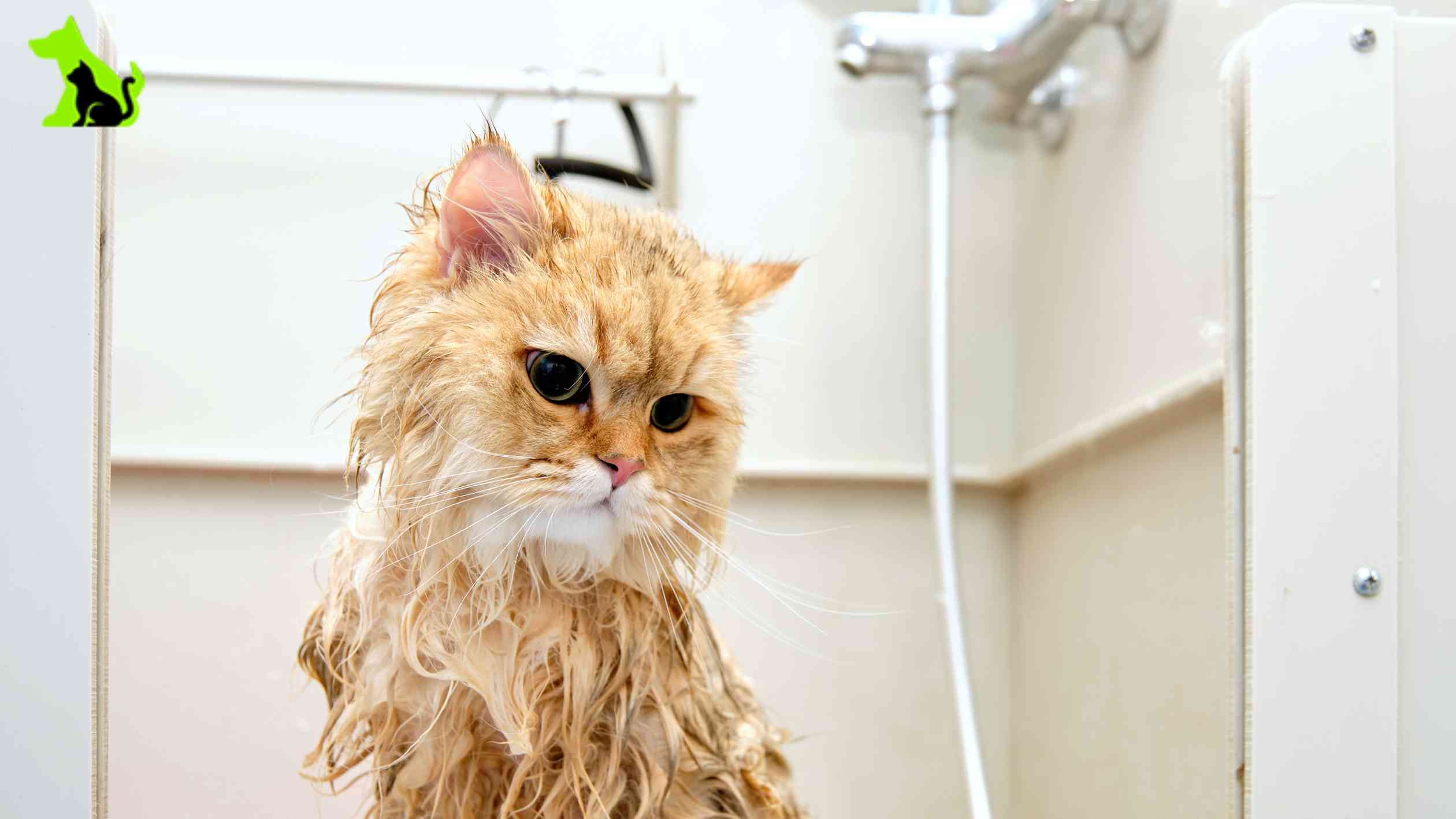
Bathing is rarely needed but helps with dirt or allergies. Use lukewarm water and a cat-safe shampoo. Avoid water in ears and eyes. Keep your cat calm by speaking softly. Rinse shampoo thoroughly to prevent irritation. Dry your cat gently with a towel. Avoid hair dryers unless your cat tolerates them well.
Trimming Nails Without Stress
Trim nails regularly to avoid scratches and damage. Use a special cat nail clipper for safety. Hold your cat’s paw gently but firmly. Cut only the sharp tip, avoiding the pink quick inside. If unsure, trim one nail at a time. Praise your cat and offer treats after each session. Stop if your cat resists and try again later.
Diet And Supplements For A Shiny Coat
A shiny coat on your cat is a sign of good health. Diet plays a vital role in achieving this. Proper nutrition and supplements can enhance your cat’s coat. Let’s explore essential nutrients and supplements for a lustrous coat.
Essential Nutrients
Cats need specific nutrients for their coat’s health. Protein is crucial. It supports fur growth and repair. Amino acids like taurine are essential. They aid in skin and coat health. Vitamins A and E are also important. They help maintain skin elasticity and shine.
Choosing Quality Cat Food
Quality cat food should be rich in essential nutrients. Look for high protein content. Avoid fillers and artificial additives. Grain-free options can be beneficial. Check for natural ingredients. Balanced nutrition supports a healthy coat.
Benefits Of Omega Fatty Acids
Omega fatty acids are vital for a cat’s coat. They reduce inflammation and improve skin hydration. Omega-3 and Omega-6 are crucial. They keep the coat shiny and soft. Fish oil is a great source. You can find it in many cat foods.
When To Seek Professional Help
Knowing when to seek professional help for your cat’s grooming can save you stress and keep your furry friend healthy. While many grooming tasks can be done at home, some situations require the expertise of a trained groomer or veterinarian. Recognizing these moments ensures your cat receives the care they truly need.
Signs Of Skin Problems
If you notice your cat scratching excessively, losing fur in patches, or developing sores, it might be time to consult a professional. Skin issues can indicate allergies, infections, or parasites that need proper diagnosis and treatment.
Sometimes, what looks like simple dryness or dandruff could be something more serious. Don’t ignore persistent redness, swelling, or unusual lumps during grooming sessions. Your cat’s comfort depends on early intervention.
Grooming For Elderly Or Sick Cats
Older cats or those with health issues often struggle with self-grooming due to reduced mobility or pain. If your cat has arthritis, obesity, or chronic illness, grooming can become stressful or even harmful when done improperly.
Professional groomers understand how to handle fragile cats gently and can provide services tailored to their needs. They can also spot health concerns you might miss, ensuring your cat stays comfortable and clean.
Finding A Reliable Groomer
Choosing the right groomer means looking beyond convenience. Seek recommendations from your vet or fellow cat owners who understand the importance of gentle, patient care.
Visit the grooming facility beforehand to check hygiene standards and observe how staff interact with cats. A trustworthy groomer will welcome your questions and demonstrate genuine care for your pet’s wellbeing.

Credit: www.latimes.com
Frequently Asked Questions
How Often Should I Groom My Cat?
Groom your cat at least once a week to maintain a healthy coat. Long-haired cats may need daily grooming to prevent mats and tangles. Regular grooming reduces shedding and keeps your cat comfortable and clean.
What Tools Are Best For Cat Grooming?
Use a soft-bristle brush or grooming glove for short-haired cats. For long-haired cats, a wide-toothed comb or slicker brush works well. Choose tools designed specifically for cats to avoid skin irritation and ensure effective grooming.
How Can I Make Grooming Stress-free For My Cat?
Create a calm environment and use gentle, slow strokes during grooming. Offer treats and praise to build positive associations. Start with short sessions and gradually increase grooming time as your cat becomes more comfortable.
Can Grooming Help With Cat Health Issues?
Yes, grooming helps detect skin problems, parasites, and injuries early. It improves blood circulation and reduces hairballs by removing loose fur. Regular grooming supports overall health and strengthens your bond with your cat.
Conclusion
Helping your cat groom keeps them healthy and happy. Regular brushing removes dirt and loose fur. It also reduces hairballs and matting. Use gentle strokes and be patient. Watch your cat’s reactions to avoid stress. A clean cat feels more comfortable and relaxed.
Small daily efforts make a big difference over time. Enjoy these moments to bond with your pet. Helping your cat groom shows you care. Simple steps can improve their life every day.




Leave a Reply