
If your cat gets nervous or scared at the sight of a brush, you’re not alone. Grooming a skittish cat can feel like a challenge, even a battle.
But it doesn’t have to be that way. You can learn simple, gentle techniques that make grooming easier and less stressful for both you and your furry friend. Imagine your cat staying calm and comfortable while you take care of their coat—no more scratches or frantic escapes.
Ready to discover how to turn grooming time into a peaceful moment? Keep reading, and you’ll find practical tips that really work.
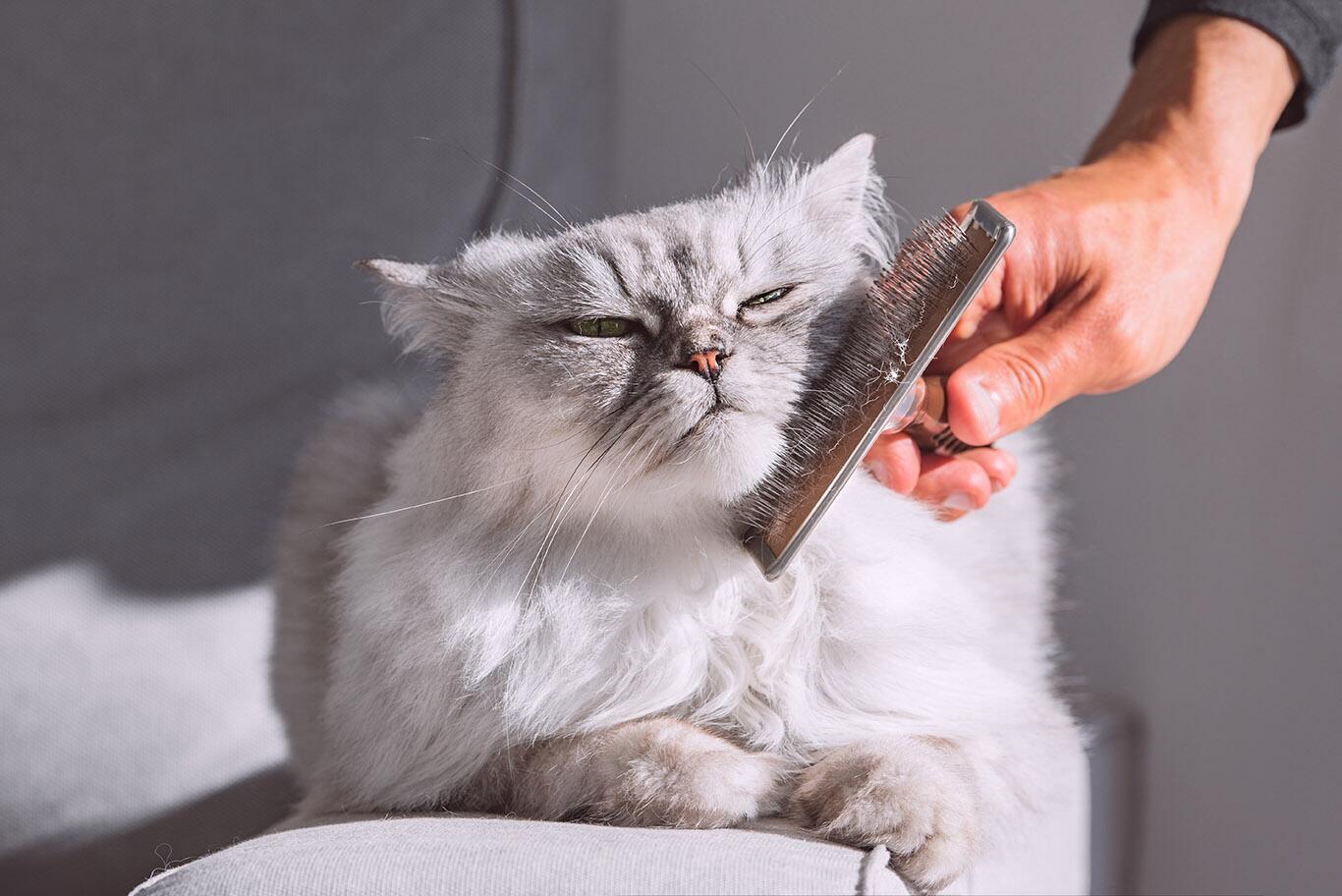
Credit: www.latimes.com
Preparing Your Cat
Preparing a skittish cat for grooming takes patience and care. The goal is to reduce fear and make grooming a positive experience. Start by creating a peaceful space and introducing tools gently. Building trust step by step helps your cat feel safe and calm. This preparation makes grooming easier and less stressful for both of you.
Creating A Calm Environment
Choose a quiet room with little noise or distractions. Keep the lighting soft and natural. Use a comfortable surface like a towel or soft mat. Avoid sudden movements or loud sounds. Speak softly and move slowly to help your cat relax. A calm place helps your cat feel safe and less anxious.
Familiarizing With Grooming Tools
Show your cat the grooming tools before using them. Let your cat sniff and explore brushes or combs. Place tools near your cat during play or rest time. Use treats to create positive associations with the tools. Touch your cat gently with the tools without grooming at first. This helps your cat get used to the tools without fear.
Building Trust Gradually
Spend quiet time petting and talking to your cat daily. Offer treats to encourage good behavior and calmness. Start grooming for just a few seconds, then stop and reward. Increase grooming time slowly as your cat becomes comfortable. Watch your cat’s body language to avoid stress. Trust grows with gentle, consistent care and patience.
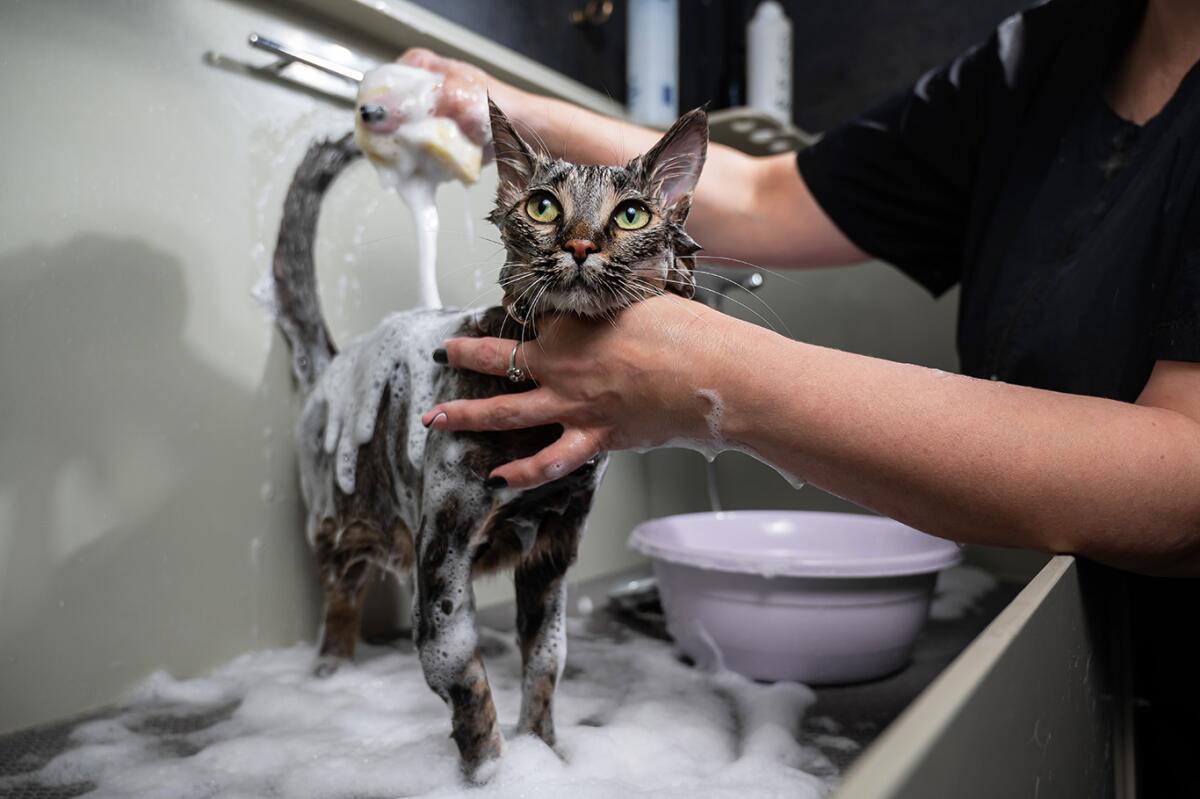
Credit: www.latimes.com
Choosing The Right Grooming Tools
Choosing the right grooming tools makes the process easier for a skittish cat. The right tools reduce stress and help keep your cat calm. Gentle brushes and combs prevent pulling on fur and skin. Safe clippers avoid sudden noises or vibrations that scare cats. Professional grooming products can soothe and protect sensitive skin during grooming. Careful tool selection creates a calm grooming routine for your shy cat.
Selecting Gentle Brushes And Combs
Choose brushes with soft bristles or rubber tips. These feel gentle on delicate skin and fur. Wide-toothed combs help detangle without pulling. Avoid stiff or metal brushes that can hurt or scare your cat. Brushes designed for sensitive skin reduce irritation and discomfort. Test tools on a small area to check your cat’s reaction before full grooming.
Using Clippers Safely
Pick clippers with quiet motors to avoid loud noises. Clippers with adjustable blades prevent cutting too close to the skin. Keep clippers clean and sharp to reduce pulling on fur. Use slow, gentle strokes to avoid sudden movements. Let your cat get used to the clipper sound before grooming. Hold the cat securely but gently to minimize stress.
Considering Professional Grooming Products
Look for shampoos designed for sensitive or skittish cats. These products often have calming scents or natural ingredients. Avoid harsh chemicals that can irritate skin or eyes. Conditioners can help keep fur soft and easier to brush. Use sprays or wipes made for cats to freshen fur between baths. Always check for allergies by testing products on a small patch first.
Step-by-step Grooming Process
Grooming a skittish cat requires patience and care. A step-by-step process helps ease the experience. Follow these steps to make grooming less stressful for your feline friend.
Starting With Short Sessions
Begin with brief grooming sessions. Keep sessions under five minutes at first. This helps your cat adjust slowly to the routine. Use a soft brush to start. Make each session calm and positive. Offer treats as rewards for staying calm.
Handling Sensitive Areas
Be gentle around sensitive areas like the belly and paws. Use slow, soft strokes. Avoid pulling or tugging fur. If your cat shows discomfort, pause and reassure them. Resume grooming once they relax. Gradually increase the time spent on these areas.
Managing Resistance And Stress
Your cat might resist grooming. Stay calm and speak softly. If your cat gets anxious, stop and let them rest. Provide a safe space for them to retreat. Use calming pheromone sprays if needed. Reinforce positive behavior with praise and treats.
Incorporating Positive Reinforcement
Incorporating positive reinforcement helps a skittish cat feel safe during grooming. It builds trust and makes grooming less stressful. Using rewards encourages your cat to stay calm and enjoy the experience more. This gentle approach shapes good behavior over time.
Using Treats And Praise
Offer small, tasty treats to your cat during grooming. Give a treat right after gentle strokes or brushing. Soft, calm words also help your cat relax. Say “good kitty” or use a soothing tone. This shows your cat that grooming brings good things.
Rewarding Calm Behavior
Notice when your cat stays still or relaxed. Pause grooming and reward this calm behavior. Use treats, petting, or quiet praise. Avoid rushing or forcing your cat to stay. Rewarding calm moments teaches your cat that being calm is best.
Creating A Positive Association
Make grooming a happy routine your cat expects. Start with short sessions and end with a reward. Use toys or treats to link grooming with fun. Practice often to build a good habit. Over time, your cat will see grooming as a positive event.
When To Seek Professional Help
Knowing when to seek professional help is key for grooming a skittish cat. Some cats become too stressed or aggressive during grooming at home. This can cause injury or trauma to both cat and owner. Professionals have the skills and tools to handle nervous cats safely.
Recognizing when your efforts cause more harm than good protects your cat’s well-being. Groomers trained to work with fearful cats use calm techniques and special equipment. This reduces stress and makes grooming more comfortable for your pet.
Recognizing Limits At Home
Watch your cat’s behavior closely during grooming. Signs of stress include hissing, biting, or frantic attempts to escape. If your cat freezes or trembles, it may feel overwhelmed. Stop grooming immediately if your cat shows these signs. Forcing grooming can increase fear and cause injuries. Accepting these limits helps you decide when to call a professional.
Finding A Cat-friendly Groomer
Choose a groomer experienced with skittish or anxious cats. Look for reviews or ask your vet for recommendations. A good groomer uses quiet, gentle methods. They often provide separate rooms to avoid loud noises and other animals. Confirm the groomer offers a trial session or gradual introduction. This helps your cat get used to the new environment slowly.
Preparing For A Grooming Appointment
Prepare your cat before the appointment to reduce stress. Brush your cat gently a few days before the visit. Keep your cat’s carrier comfortable with a soft blanket and favorite toy. Avoid feeding your cat right before travel to prevent nausea. Stay calm and speak softly during the trip. Calm energy helps your cat feel safe and secure.

Credit: www.latimes.com
Maintaining Grooming Routine
Keeping a regular grooming routine helps a skittish cat feel safe and calm. Cats thrive on predictability, so regular sessions reduce stress. A steady routine builds trust and makes grooming easier.
Setting A Consistent Schedule
Choose specific days and times for grooming. Stick to this schedule to create a habit. Cats get used to the routine and expect grooming calmly. Short, frequent sessions work better than long, rare ones.
Adjusting Techniques Over Time
Watch your cat’s reactions carefully during grooming. Change brushing speed or pressure if needed. Try different brushes or tools to find what your cat prefers. Adapt your approach as your cat grows more comfortable.
Monitoring Your Cat’s Comfort
Look for signs of stress like twitching tail or ears back. Pause or stop if your cat seems scared or restless. Use gentle strokes and speak softly to soothe your cat. Reward calm behavior with treats or pets after grooming.
Frequently Asked Questions
How Can I Calm A Skittish Cat Before Grooming?
Calm your cat by creating a quiet space with minimal noise. Use gentle petting and soft voices to soothe them. Offering treats before grooming helps build trust and reduces anxiety.
What Tools Are Best For Grooming Nervous Cats?
Use soft brushes and combs designed for sensitive skin. Avoid loud or vibrating tools that may scare your cat. Choose grooming tools with comfortable handles for better control.
How Often Should I Groom A Skittish Cat?
Groom your skittish cat weekly to keep their coat healthy. Frequent short sessions prevent stress and help them get used to grooming. Adjust frequency based on your cat’s comfort level.
Can I Groom A Skittish Cat Alone At Home?
Yes, but start slowly with short, calm sessions. Use treats and praise to encourage cooperation. If your cat remains fearful, seek professional groomers experienced with nervous cats.
Conclusion
Grooming a skittish cat takes patience and care. Start slow and use gentle touches. Create a calm space for your cat to feel safe. Reward your cat with treats and praise often. Watch your cat’s body language to avoid stress.
Regular grooming helps keep your cat healthy and happy. Small, steady steps build trust over time. Remember, each cat is different and needs your kindness. Keep trying, and grooming will become easier for both of you.




Leave a Reply