Grooming your cat might seem simple, but it can be tricky if your furry friend isn’t used to it. You want to keep your cat clean and healthy, but how do you make the process smooth and stress-free for both of you?
If you’ve struggled with this, you’re not alone. You’ll discover easy and effective ways to help your cat enjoy grooming time. By the end, you’ll feel confident and ready to turn grooming into a bonding moment you both look forward to.
Keep reading to learn the secrets to happy, healthy cat grooming!

Credit: justcatsclinic.com
Benefits Of Regular Grooming
Regular grooming is essential for every cat’s well-being. It keeps their fur clean and skin healthy. Grooming also helps build trust between you and your cat. Cats enjoy gentle brushing and care. This section explains key benefits of regular grooming.
Improved Coat Health
Brushing removes dirt and debris from the cat’s fur. It spreads natural oils that keep the coat shiny and soft. Regular grooming prevents mats and tangles. A healthy coat protects the cat from cold and wounds. Groomed cats feel more comfortable and look better.
Reduced Shedding
Grooming helps control loose hair. Brushing catches fur before it falls on furniture or clothes. This reduces the amount of shedding around the house. Cats shed less when groomed often. It also lowers hairballs from swallowed fur.
Early Detection Of Health Issues
Grooming gives a chance to check your cat closely. You may spot lumps, bumps, or skin problems early. It helps find ticks, fleas, or wounds before they worsen. Early detection leads to quicker treatment. This keeps your cat healthier and happier.

Credit: medicanimal.com
Choosing The Right Grooming Tools
Choosing the right grooming tools is essential for keeping your cat comfortable and clean. The correct tools make grooming easier and less stressful for both of you. Each cat has unique needs based on their fur type and personality. Select tools that match your cat’s coat and grooming habits for the best results.
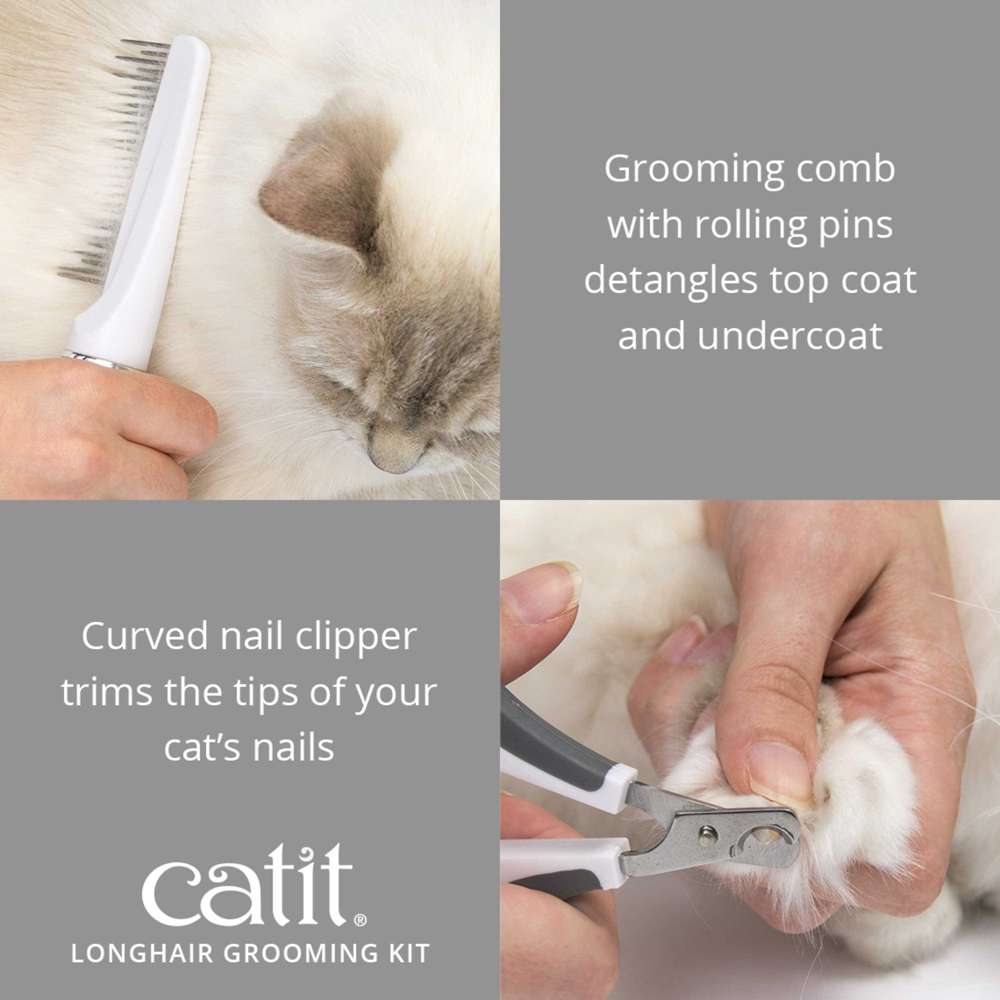
Types Of Brushes And Combs
Brushes and combs help remove loose hair and prevent mats. Different types suit different fur lengths and textures.
- Slicker brushes:Best for long or thick fur. They remove tangles and dirt gently.
- Bristle brushes:Good for short-haired cats. They smooth the coat and spread natural oils.
- Comb:Ideal for detangling mats. Use wide-tooth combs for thick fur and fine-tooth combs for sensitive areas.
Nail Clippers And Trimmers
Trimming your cat’s nails prevents scratching injuries. Use clippers designed for pets to avoid splitting nails.
- Scissor-style clippers:Easy to control and safe for small nails.
- Guillotine-style clippers:Cut nails quickly with a single squeeze.
- Nail grinders:Smooth rough edges after clipping.
Safe Shampoos And Conditioners
Choose shampoos made specifically for cats. Human products can irritate their skin.
- Hypoallergenic shampoos:Best for cats with sensitive skin.
- Medicated shampoos:Help with skin problems like fleas or allergies.
- Conditioners:Keep fur soft and reduce tangles after washing.
Creating A Calm Grooming Environment
Creating a calm grooming environment is essential for both you and your cat. Cats are sensitive creatures, and their comfort during grooming affects how well they cooperate. By focusing on a peaceful setting, you can reduce stress and make grooming a positive experience.
Setting Up A Comfortable Space
Choose a quiet, familiar area where your cat feels safe. Avoid noisy rooms or places with heavy foot traffic. A soft blanket or towel can provide a cozy spot that your cat will want to stay on.
Good lighting helps you see what you’re doing without startling your cat. Keep grooming tools within reach to avoid unnecessary movements that might scare your pet. Have a chair or stool ready so you can sit comfortably and stay calm yourself.
Using Positive Reinforcement
Reward your cat with treats or gentle praise during and after grooming. This creates a connection between grooming and good things happening. Try to give small treats at regular intervals, especially when your cat stays still or behaves calmly.
Play soft music or use a calm voice to soothe your cat. Some cats respond well to gentle petting before and after grooming sessions. This makes them more likely to cooperate next time.
Managing Stress And Anxiety
Watch your cat’s body language closely. Signs like flattened ears, hissing, or tail flicking mean your cat is uncomfortable and might need a break. Don’t push through if your cat shows clear signs of stress.
Try short grooming sessions rather than long ones. Even a few minutes can be enough to keep your cat clean without overwhelming them. Have patience and remember that grooming is a gradual process, not a race.
)
Credit: www.northroadvet.com.au
Step-by-step Grooming Routine
Creating a grooming routine for your cat can make a big difference in their comfort and health. A clear, step-by-step plan helps you stay consistent and makes grooming less stressful for both of you. Let’s break down the essential parts of grooming so you feel confident handling each one.
Brushing Techniques For Different Coat Types
Long-haired cats need daily brushing to prevent mats and tangles. Use a wide-toothed comb first, then switch to a fine-toothed brush to smooth the fur.
Short-haired cats benefit from brushing once or twice a week to reduce shedding and keep their coat shiny. A rubber brush or grooming glove works well for this coat type.
Don’t forget to be gentle—pressing too hard can hurt your cat and make grooming a battle. Have you noticed your cat’s favorite spots to be brushed? Focusing there can turn grooming into bonding time.
Bathing Tips And Frequency
Cats usually groom themselves well, so baths aren’t often needed. Bathing every 4-6 weeks is enough for most cats with special needs or skin conditions.
Use lukewarm water and a shampoo made for cats to avoid irritation. If your cat hates water, try wiping them down with a damp cloth or using dry shampoo alternatives.
Keep calm and talk softly during bath time. Have you tried placing a rubber mat in the sink or tub to prevent slipping? It can make your cat feel more secure.
Trimming Nails Safely
Trim your cat’s nails every 2-3 weeks to avoid overgrowth and damage to your furniture. Use a sharp, cat-specific nail clipper and hold the paw gently but firmly.
Only cut the white part of the nail—avoid the pink quick, which can bleed and hurt. If you’re unsure, ask your vet or watch online tutorials for guidance.
Reward your cat with treats or playtime after trimming to create a positive association. Have you noticed which nails need more frequent attention? Front nails usually grow faster than back ones.
Dealing With Common Grooming Challenges
Cats are usually great groomers. Yet, they often face grooming challenges. Owners can find it tough to help their cats during these times. Understanding common grooming issues is key. This helps keep your cat happy and healthy.
Handling Matting And Tangles
Mats and tangles can be painful for cats. Regular brushing helps prevent this. Use a wide-toothed comb for thick fur. Start gently and work through slowly. Focus on one section at a time. For stubborn mats, use scissors carefully. Always be cautious to avoid cutting the skin. Regular grooming sessions make this task easier over time.
Managing Sensitive Skin
Some cats have sensitive skin. Use a soft brush to avoid irritation. Choose grooming products for sensitive skin. Check labels for hypoallergenic options. Notice any signs of discomfort during grooming. If the skin is red or flaky, consult a vet. They can recommend safe treatments or shampoos.
Encouraging Grooming In Shy Or Aggressive Cats
Shy or aggressive cats may resist grooming. Patience and calmness are essential. Start by letting them sniff the brush. Use treats to create positive associations. Short sessions work best. Gradually increase the time. Speak softly to soothe them. Over time, grooming becomes less stressful for both of you.
When To Seek Professional Grooming Help
Knowing when to seek professional grooming help can keep your cat healthy and happy. Some grooming tasks may be too hard or risky to do at home. Professionals have the skills and tools to handle tough grooming needs safely.
Recognizing the signs that your cat needs expert care helps prevent discomfort and health problems. A grooming specialist can provide thorough care and advice for your cat’s coat and skin.
Signs Your Cat Needs Expert Care
- Matted fur that you cannot brush out
- Excessive shedding causing bald spots
- Dirty or overgrown nails
- Skin irritation or unusual bumps
- Bad odor from fur or skin
- Cat resists grooming or becomes aggressive
- Difficulty cleaning long or thick fur
Choosing A Grooming Specialist
Look for groomers with experience in cat care. Check reviews and ask about their methods.
Make sure the grooming place is clean and calm. They should handle cats gently and with patience.
Verify if the groomer is trained in handling emergencies. Comfort and safety matter most for your cat.
What To Expect From A Professional Session
The groomer will examine your cat’s coat and skin first. They will discuss any special needs with you.
Services may include brushing, trimming, nail clipping, and ear cleaning. Some cats may get a gentle bath.
Sessions are usually calm and paced to avoid stress. The groomer may use special tools to remove mats carefully.
Expect tips on how to maintain your cat’s grooming at home. Regular professional care can improve your cat’s comfort and health.
Maintaining Grooming Habits Between Sessions
Maintaining grooming habits between professional sessions is key to keeping your cat comfortable and healthy. Regular care prevents mats, reduces shedding, and helps you catch any issues early. Simple daily routines can make a big difference in your cat’s coat and overall well-being.
Daily Self-grooming Encouragement
Encourage your cat’s natural grooming by providing a calm, cozy environment. Brush your cat gently every day, even for just a few minutes, to support their self-cleaning efforts.
Use soft brushes or grooming gloves to make the experience pleasant. Notice how your cat reacts—if they seem stressed, try shorter sessions or change the brush type.
Have you ever seen your cat purr contentedly during brushing? That’s a good sign you’re helping them feel relaxed and cared for.
Monitoring Coat And Skin Changes
Check your cat’s coat and skin regularly for any unusual signs like redness, bald spots, or bumps. These changes can indicate allergies, infections, or parasites.
Keep a simple grooming log to track any changes over time. This record helps you spot patterns and provides valuable information if you need to visit the vet.
Don’t ignore subtle changes—early detection can prevent bigger problems later.
Adjusting Grooming As Your Cat Ages
Older cats may have less energy for self-grooming and might need more frequent brushing. Their skin can become drier, so gentle care is essential.
Switch to softer brushes and be patient if your cat moves slowly or prefers shorter sessions. Pay attention to joint stiffness or discomfort during grooming, and adjust accordingly.
How does your cat’s grooming routine change with age? Adapting your approach keeps them comfortable and strengthens your bond.
Frequently Asked Questions
How Often Should I Groom My Cat?
Groom your cat at least once a week to remove loose fur. Long-haired cats may need daily grooming. Regular sessions reduce hairballs and matting, keeping your cat comfortable and healthy.
What Tools Are Best For Cat Grooming?
Use a soft-bristle brush for short-haired cats and a comb for long-haired breeds. Nail clippers and grooming wipes also help maintain hygiene. Choose tools designed specifically for cats to avoid discomfort.
How Can I Make Grooming Stress-free For My Cat?
Create a calm environment and use gentle strokes. Start grooming in short sessions and gradually increase time. Reward your cat with treats and praise to build positive associations with grooming.
When Should I Seek Professional Grooming Help?
Seek professional help if your cat has severe matting or skin issues. Also, consider a groomer if your cat resists grooming or if you feel unsure. Professionals can safely handle difficult grooming tasks.
Conclusion
Helping your cat groom keeps them healthy and happy. Regular brushing removes dirt and loose fur. It also reduces hairballs and skin problems. Be gentle and patient to make grooming fun. Use the right tools for your cat’s coat type.
Watch for signs of discomfort or stress. Small, daily sessions work better than long ones. Your cat will feel loved and cared for. A clean cat is a happy cat. Keep grooming a calm and positive time together.




Leave a Reply