If you have a long-haired cat, you know how beautiful—and challenging—their fur can be. Tangled mats and shedding can quickly turn your cuddly companion into a handful.
But don’t worry, grooming your long-haired cat doesn’t have to be a struggle. With the right tips and tools, you can keep your cat’s coat shiny, healthy, and tangle-free. You’ll discover simple steps to make grooming easier and more enjoyable for both you and your furry friend.
Ready to become your cat’s favorite groomer? Let’s dive in!
Credit: tipptotail.com
Choosing The Right Grooming Tools
Choosing the right grooming tools is key for keeping your long-haired cat healthy. The proper tools make grooming easier and more comfortable. They help remove loose fur and prevent mats. Using the correct brushes, combs, and clippers protects your cat’s skin. Good grooming tools also save you time and effort.
Brushes For Long Hair
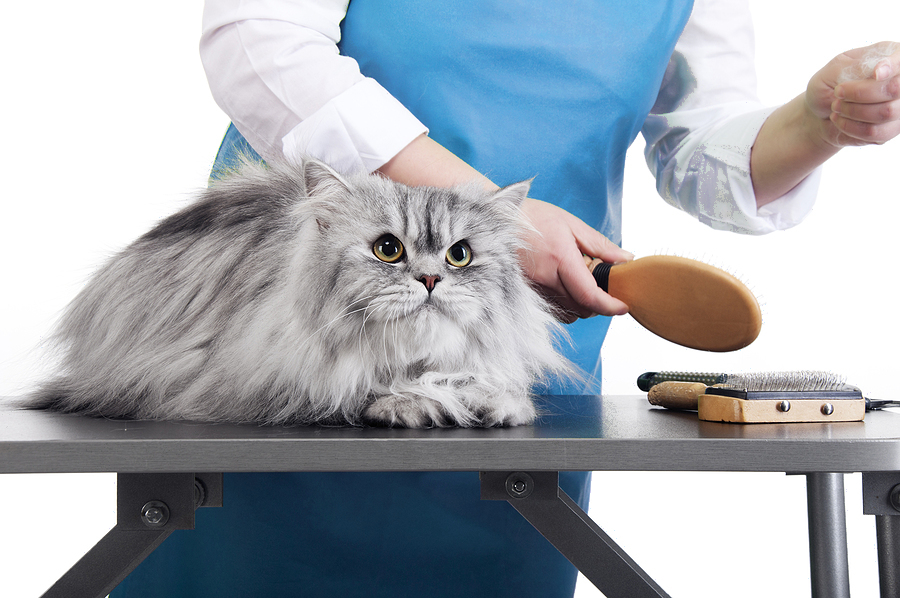
Long-haired cats need brushes that reach deep into their fur. A slicker brush works well to remove loose hair and dirt. It has fine, short wires close together. A bristle brush helps smooth the coat and adds shine. Look for soft, gentle bristles to avoid hurting your cat’s skin.
Use a pin brush for detangling. Its long, flexible pins slide through thick fur. Brushing often reduces shedding and prevents hairballs. Choose brushes with comfortable handles for better control.
Combs And Dematting Tools
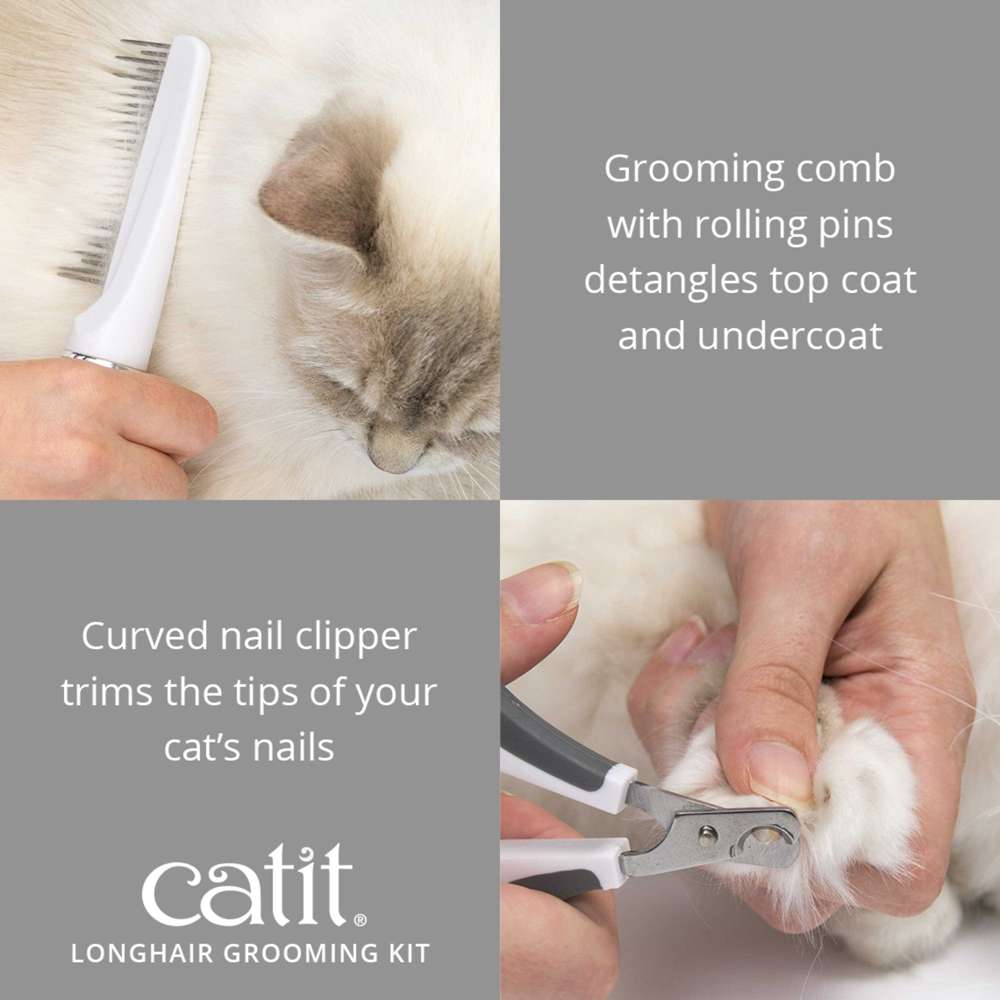
Combs help find and fix small tangles or mats. A wide-tooth comb works best for gentle detangling. Use it after brushing to catch knots missed by the brush. Dematting tools are special combs or rakes made to cut through mats.
Be careful with dematting tools to avoid hurting your cat. Work slowly and gently on tough mats. Regular combing stops mats from forming and keeps fur soft and healthy.
Nail Clippers And Scissors
Trim your cat’s nails regularly to keep them sharp and safe. Use nail clippers made for cats or small pets. They provide clean cuts and reduce nail splitting. Keep scissors on hand for trimming fur around sensitive areas.
Choose rounded-tip scissors for safety near the face and paws. Never cut too close to the skin or quick. Regular nail and fur trimming keeps your cat comfortable and neat.
Preparing Your Cat For Grooming
Preparing your long-haired cat for grooming helps make the process smoother. Cats can feel nervous or restless before grooming. Taking time to prepare calms your cat and builds trust.
Preparation includes setting the right mood and helping your cat feel safe. These steps reduce stress for both you and your pet. A relaxed cat is easier to groom and less likely to resist.
Creating A Calm Environment
Choose a quiet room with few distractions. Turn off loud noises like TVs or radios. Soft lighting helps your cat feel comfortable.
Gather grooming tools before starting. Having everything ready prevents sudden interruptions. Use a soft mat or towel on your lap or table. This creates a cozy spot for your cat.
Getting Your Cat Comfortable
Let your cat explore the grooming area first. Pet and talk softly to reassure your cat. Offer treats to create positive feelings.
Touch your cat gently in areas they like. Gradually introduce grooming tools by letting your cat sniff them. Start with short sessions and praise your cat often.
Brushing Techniques For Long Hair
Brushing your long-haired cat is more than just a grooming task—it’s a chance to connect and keep your feline comfortable. The right brushing techniques help prevent matting and keep their coat shiny. Let’s look at how to brush effectively, so your cat enjoys the experience and stays healthy.
Detangling Knots Safely
Knots and tangles can be uncomfortable for your cat and tough to remove. Start by gently holding the fur near the skin to avoid pulling. Use a wide-toothed comb or your fingers to loosen mats slowly.
If a knot is stubborn, try applying a small amount of detangling spray designed for cats. Never cut out mats unless you are confident, as you risk hurting your cat. Patience and gentle strokes work best here.
Brushing Frequency And Duration
How often you brush depends on your cat’s hair length and coat type. Generally, brushing every day or every other day keeps tangles away and reduces shedding.
Sessions don’t have to be long—about 5 to 10 minutes can be enough. Watch your cat’s reaction; if they seem restless, try shorter but more frequent sessions. Your cat will thank you for this consistent care.

Credit: www.latimes.com
Bathing Your Long Haired Cat
Bathing your long haired cat can feel like a challenge, but it’s an important part of keeping their coat healthy and shiny. Unlike short-haired cats, long-haired breeds are more prone to tangles and dirt buildup. Knowing how to bathe them properly will save you both stress and keep your cat comfortable.
Choosing Cat-friendly Shampoos
Always pick shampoos made specifically for cats. Human or dog shampoos can irritate their sensitive skin. Look for formulas that are gentle, fragrance-free, and hypoallergenic.
Some shampoos even have moisturizing ingredients like oatmeal or aloe vera, which help soothe dry skin. Avoid any with harsh chemicals or artificial dyes. Have you checked your shampoo’s label lately?
Step-by-step Bathing Process
- Brush your cat thoroughly before the bath to remove loose fur and knots.
- Fill a sink or tub with lukewarm water, just enough to cover their paws.
- Gently wet your cat’s fur using a cup or sprayer, avoiding the head area.
- Apply a small amount of shampoo, massaging it evenly through the coat.
- Rinse thoroughly to remove all shampoo; leftover residue can cause itching.
- Use a damp cloth to clean the face carefully, avoiding eyes and ears.
Patience is key here. Your calm energy can make the experience less scary for your cat.
Drying Tips To Prevent Matting
After the bath, gently squeeze out excess water with your hands. Use a soft towel to blot—not rub—the fur dry. Rubbing can cause tangles and matting, which your cat will dislike.
If your cat tolerates it, use a hairdryer on the lowest heat and speed setting. Keep the dryer moving to avoid overheating any spot. Always keep a hand on your cat to check their comfort during drying.
Long-haired cats can develop mats quickly when wet, so brushing them gently while drying helps keep the coat smooth. Have you noticed how regular grooming after baths prevents painful mats?
Managing Shedding And Hairballs
Groom your long-haired cat regularly to manage shedding and hairballs. Regular brushing reduces loose fur and tangles. This practice helps in preventing hairballs and keeps your cat’s coat shiny and healthy.
Managing shedding and hairballs in long-haired cats can feel like a never-ending battle. With their luxurious coats, these feline companions require a bit more attention to keep both you and them happy. Shedding can quickly lead to hairballs, which are not only unpleasant but can also be harmful to your cat’s health. How can you manage this common issue effectively? Let’s explore some strategies to help you and your cat live more comfortably.Diet And Supplements
A balanced diet is crucial in managing your cat’s shedding and hairball problems. Foods rich in omega-3 and omega-6 fatty acids can promote a healthy coat and reduce excessive shedding. You might want to explore adding fish oil or flaxseed oil to your cat’s diet, but always consult your vet before introducing new supplements. High-fiber diets can also aid in reducing hairballs. Fiber helps move hair through your cat’s digestive system, minimizing the chance of hairballs forming. Consider foods formulated specifically for hairball control, which are often available at pet stores.Regular Grooming Routines
Regular grooming is essential for keeping shedding under control and preventing hairballs. Brushing your cat daily can significantly reduce the amount of loose hair. Use a quality brush designed for long-haired cats, like a slicker or a comb with rotating teeth. Make grooming a bonding experience. Most cats enjoy the attention and it can become a special time for both of you. If your cat resists, start slow and reward them with treats, gradually increasing the grooming duration. Have you considered professional grooming? Occasionally taking your cat to a groomer can be beneficial. They can offer a thorough grooming session, including trimming the coat, which can help manage shedding more effectively. By addressing your cat’s diet and establishing a regular grooming routine, you’ll be well on your way to managing shedding and hairballs efficiently. What’s your favorite grooming tip for your furry friend?
Credit: catit.ca
Handling Common Grooming Challenges
Handling common grooming challenges is key to keeping your long-haired cat comfortable and clean. Regular grooming prevents problems and helps your cat enjoy the process more. Understanding common issues makes grooming easier for both of you.
Dealing With Mats And Tangles
Mats and tangles cause discomfort and skin problems. Use a wide-toothed comb to gently loosen knots. Hold the fur close to the skin to avoid pulling. For tough mats, try a mat splitter or carefully cut with rounded scissors. Regular brushing prevents mats from forming. Check behind ears, under legs, and around the neck often. Patience is important. Break grooming into short sessions to keep your cat calm.
Grooming Anxious Cats
Anxious cats need extra care during grooming. Choose a quiet, safe space with few distractions. Speak softly and move slowly to avoid startling your cat. Use a soft brush and gentle strokes. Stop if your cat shows signs of stress like growling or hiding. Reward your cat with treats and praise after each session. Gradually increase grooming time as your cat becomes more comfortable. Consistency helps build trust over time.
When To Seek Professional Help
Knowing when to ask for help is key to keeping your long-haired cat healthy and happy. Some grooming tasks can be tricky or cause stress for your cat. Professional groomers have the tools and skills to handle these challenges safely.
Pay attention to your cat’s behavior and coat condition. Certain signs show it is time to trust a groomer. Choosing the right grooming expert ensures your cat receives gentle, expert care.
Signs You Need A Groomer
- Your cat’s fur has large mats that you cannot remove.
- Skin irritation or wounds appear under tangled fur.
- Claws grow too long or curl into the paw pads.
- Your cat shows stress or aggression during grooming.
- Cleaning areas like behind ears or under legs is difficult.
- Bathing your cat becomes a daily struggle with no results.
Choosing A Cat Grooming Specialist
- Look for groomers with experience in long-haired cats.
- Check reviews and ask for recommendations from other cat owners.
- Verify that the groomer uses cat-friendly tools and products.
- Visit the grooming salon to observe cleanliness and safety.
- Ensure groomers handle cats calmly and with patience.
- Ask about grooming services offered, including nail trims and baths.
Frequently Asked Questions
How Often Should I Groom My Long Haired Cat?
Groom your long haired cat daily to prevent mats and tangles. Regular brushing reduces shedding and keeps their coat healthy. Frequent grooming also helps spot skin issues early and strengthens your bond with your cat.
What Tools Are Best For Grooming Long Haired Cats?
Use a wide-toothed comb, slicker brush, and de-matting tool. These tools gently remove knots and loose fur. Choose grooming tools designed for cats to avoid skin irritation and ensure effective grooming sessions.
How Do I Prevent Mats In My Cat’s Fur?
Brush your cat daily, focusing on problem areas like behind ears and under legs. Regular grooming prevents fur from tangling and forming mats. Keep your cat’s coat clean and dry to reduce mat formation.
Can Grooming Reduce Shedding In Long Haired Cats?
Yes, grooming removes loose fur before it falls off. Regular brushing controls shedding and keeps your home cleaner. It also promotes healthy skin and a shiny coat for your cat.
Conclusion
Grooming your long-haired cat keeps their coat healthy and shiny. Regular brushing stops mats and tangles from forming. It also helps reduce shedding around your home. Spend a few minutes each day with your cat. Make grooming a calm and happy time together.
Watch your cat’s comfort and adjust tools if needed. A clean, well-groomed cat feels good and looks great. Keep up this simple routine for a happy, healthy pet. Your cat will thank you with purrs and love.




Leave a Reply