If you want your cat to look stylish and stay comfortable, a lion cut might be just the thing. But grooming your cat’s lion cut isn’t always easy—you need the right steps to keep your furry friend happy and safe.
In this guide, you’ll learn simple and clear instructions to help you master the lion cut grooming process. By the end, you’ll feel confident giving your cat a fresh, clean look that turns heads. Ready to make your cat’s grooming stress-free and effective?
Let’s dive in!
Preparing For The Lion Cut
Preparing for a lion cut is essential to ensure a smooth grooming experience. This style requires patience and care. You must get ready both mentally and with the right equipment. Taking time before you start helps your cat stay calm and comfortable.
Gathering The Right Tools
Having the correct tools is key for a clean lion cut. You will need:
- Electric clippers with different blade sizes
- A fine-tooth comb to detangle hair
- Scissors for trimming small areas
- Brush to remove loose fur
- Styptic powder to stop any minor bleeding
- Towels to keep your cat steady
Make sure all tools are clean and sharp. This reduces pulling and discomfort.
Creating A Calm Environment
Calm surroundings help your cat stay relaxed. Choose a quiet room free from loud noises. Keep the lighting soft but bright enough to see well. Place a soft mat or towel on a table or floor. Speak softly and move slowly around your cat. Offer treats and gentle pets to ease stress. Take breaks if your cat shows signs of anxiety. Patience leads to a better grooming session.
Assessing Your Cat’s Coat And Skin
Before cutting, carefully check your cat’s fur and skin. Look for mats, knots, or dirt that need extra care. Check the skin for redness, bumps, or wounds. Avoid cutting over any irritated or sore spots. If you find skin problems, consult a vet first. Healthy skin and fur make the lion cut safer and more effective. This step prevents harm and ensures your cat’s comfort.
Step-by-step Grooming Process
Grooming your cat’s lion cut requires patience and care to keep your feline friend comfortable and looking sharp. The process breaks down into manageable parts that help you avoid stress for both you and your cat. Each stage plays a key role in achieving that clean, majestic look while ensuring your cat’s skin and coat stay healthy.
Brushing And Detangling
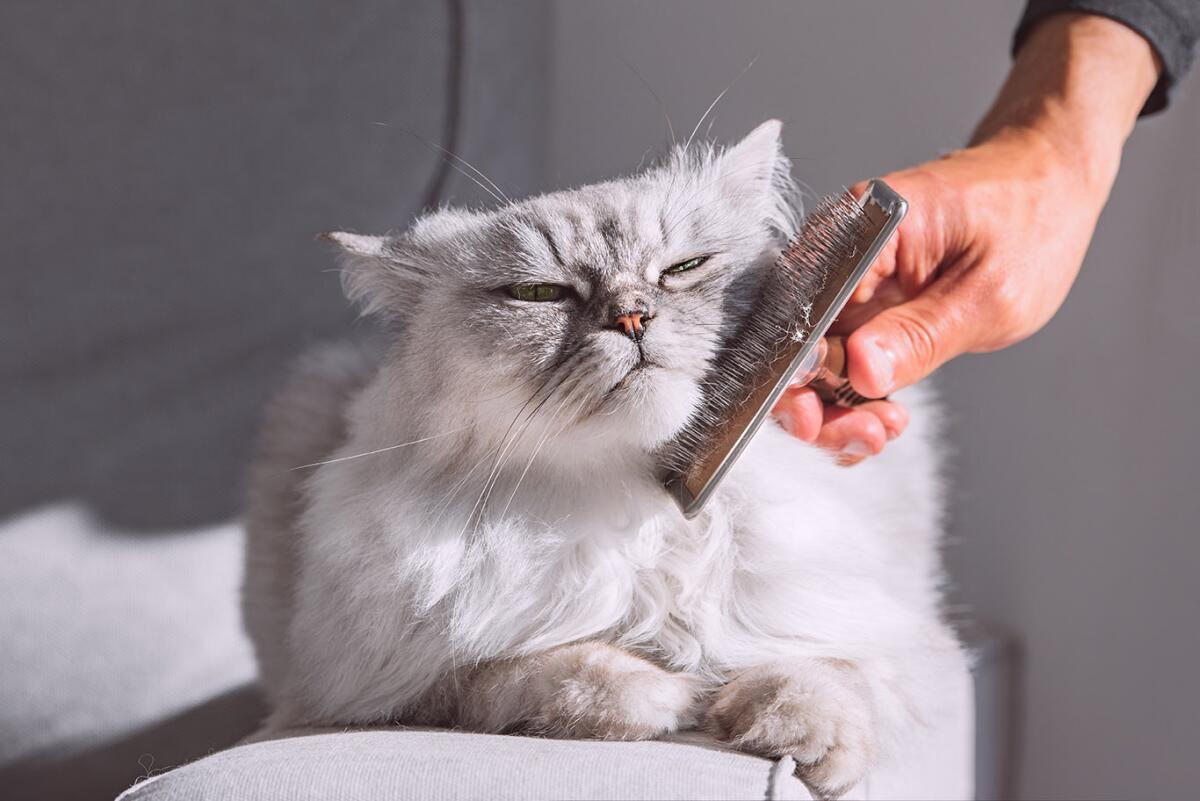
Start by gently brushing your cat’s fur to remove loose hair and dirt. Use a wide-toothed comb or a slicker brush to ease out knots without pulling on the skin. If you encounter tough tangles, apply a detangling spray made for cats or carefully work through the mats with your fingers.
Regular brushing before the cut helps prevent skin irritation during clipping. Have you noticed how a calm brushing session sets the tone for the rest of the grooming?
Bathing Your Cat
Give your cat a bath with a gentle, cat-safe shampoo to clean the fur and skin thoroughly. Use lukewarm water and keep the experience as calm as possible to avoid stressing your pet. Rinse well to remove all shampoo residue, as leftover soap can cause itching after the cut.
Dry your cat with a towel first, then use a low-heat blow dryer if your cat tolerates it. A clean, dry coat makes clipping easier and safer.
Clipping The Body Fur
Use clippers with a guard to shave the body fur down to a short, even length. Start from the neck and work your way toward the tail, moving in the direction of hair growth to avoid irritation. Keep the clipper blades cool by pausing frequently or using a cooling spray.
Pay close attention to sensitive areas like the belly and legs. Are you noticing your cat’s reaction? Adjust speed and pressure accordingly to keep them calm.
Shaping The Mane And Tail
Leave the fur around your cat’s head longer to create the iconic lion’s mane. Trim carefully to shape the mane evenly, blending it smoothly into the shaved body. For the tail, leave a tuft of fur at the tip and shave the rest, resembling a lion’s tail.
This step requires a steady hand and patience. Have you tried using small scissors for detailed shaping? It can make a big difference in the final look.
Finishing Touches
Check your cat’s entire coat for any uneven spots or missed patches and fix them gently. Use a soft brush to smooth the fur and remove loose hairs. Reward your cat with treats and affection to make grooming a positive experience.
Have you noticed how a calm finish can turn grooming into bonding time? Your cat will appreciate the care behind every stroke and trim.
Safety Tips During Grooming
Grooming your cat’s lion cut can be a rewarding experience, but safety should always come first. Taking precautions not only protects your furry friend but also makes the process smoother and less stressful for both of you. Below are essential safety tips to keep in mind during grooming.
Handling A Nervous Cat
Many cats feel anxious or scared during grooming, which can lead to sudden movements or scratches. Speak softly and use slow, gentle motions to help calm your cat. You might try wrapping your cat in a towel to restrict movement while keeping them comfortable.
Have you noticed how your cat reacts to touch in different areas? Focus on less sensitive spots first to build trust. Offering treats can also create positive associations with grooming sessions.
Avoiding Skin Injuries
Cat skin is delicate and can tear easily if you’re not careful. Always use sharp, clean clippers designed specifically for pets to avoid pulling on fur or causing nicks. Check the blade temperature regularly; warm blades can burn your cat’s skin.
Keep a first aid kit handy with antiseptic wipes and styptic powder for small cuts. If your cat has any skin conditions, consult your vet before grooming to prevent aggravation.
When To Seek Professional Help
Sometimes, despite your best efforts, grooming can become too challenging or risky. If your cat becomes extremely aggressive or overly stressed, it’s safer to leave the lion cut to a professional groomer. Professionals have experience and tools to handle difficult situations safely.
Have you ever felt overwhelmed during grooming? Don’t hesitate to call in experts—your cat’s safety and comfort come first. Regular professional grooming might even help your cat get used to the process over time.
Maintaining The Lion Cut
Regular brushing helps keep the lion cut tidy and free from mats. Trim your cat’s fur carefully every few weeks to maintain the style. Always use gentle tools and stay calm to keep your cat comfortable.
Maintaining the lion cut for your cat requires dedication and care. This iconic grooming style, reminiscent of a lion’s mane, not only enhances your cat’s appearance but also ensures their comfort. To keep your feline friend looking sharp and feeling great, follow these simple guidelines.Regular Brushing Routine
A regular brushing routine is vital. Use a soft-bristle brush to gently remove loose hair. This prevents tangles and keeps your cat’s coat smooth. Brush at least twice a week to maintain the lion cut’s neat appearance.Monitoring Skin Health
Check your cat’s skin regularly. Look for redness, bumps, or irritation. Healthy skin is crucial for a comfortable lion cut. Consult a vet if you notice any skin issues. Keep the skin moisturized with vet-approved products.Scheduling Follow-up Grooming
Plan follow-up grooming sessions every 6-8 weeks. This keeps the lion cut in shape and ensures your cat stays comfortable. Schedule appointments with a professional groomer experienced with lion cuts. Regular grooming prevents matting and promotes healthy hair growth.Benefits And Drawbacks Of Lion Cuts
Giving your cat a lion cut can be a game changer for both you and your furry friend. This grooming style involves shaving most of your cat’s body while leaving the fur around the head, feet, and tail tip longer. But before you decide to try it, understanding the benefits and drawbacks can help you make the best choice for your cat’s comfort and health.
Advantages For Cats And Owners
The lion cut can significantly reduce shedding and hairballs, which means less cleaning and fewer surprises on your clothes or furniture. Cats with long or thick fur often get mats that can cause discomfort or skin problems; a lion cut solves this by making grooming easier and more effective.
For cats who overheat in warm weather, this cut offers relief by keeping them cooler. It also helps if your cat has medical issues like skin infections or allergies, allowing better access for treatment and reducing irritation.
From your perspective as an owner, the lion cut cuts down grooming time and costs, especially if your cat hates brushing. Plus, the unique look can make your cat stand out and might even spark conversations with other pet lovers.
Potential Challenges To Consider
One thing to keep in mind is that not all cats enjoy the experience. Some may get stressed during the shaving process or feel vulnerable afterward due to the sudden change in appearance and sensation. You might notice your cat acting differently or hiding more than usual.
Another challenge is the need for regular maintenance. Unlike natural fur, a lion cut requires periodic trims to keep the style neat and prevent regrowth from becoming patchy or uncomfortable. This means scheduling grooming sessions more often, which can be costly and time-consuming.
Also, your cat’s skin becomes more exposed, making it prone to sunburn or scratches. You’ll need to watch outdoor time carefully and possibly apply pet-safe sunscreen or protective clothing.
Have you thought about how your cat would react to such a drastic change? Considering their personality and lifestyle can help you decide if a lion cut is the right choice or just a trendy option to skip.
Frequently Asked Questions
How Often Should I Groom My Cat’s Lion Cut?
Groom your cat’s lion cut every 4 to 6 weeks. Regular grooming prevents matting and keeps the coat healthy. Brush daily to remove loose hair and dirt. Frequent grooming helps maintain the lion cut style and ensures your cat’s comfort.
What Tools Do I Need For A Lion Cut Grooming?
You will need clippers, a slicker brush, and scissors. Use clippers with a guard for an even cut. The slicker brush removes loose fur and prevents mats. Scissors help trim sensitive areas like the face and paws.
Can I Groom My Cat’s Lion Cut At Home Safely?
Yes, with patience and the right tools, you can groom at home. Start slowly to keep your cat calm. Use sharp clippers and avoid sensitive areas. If unsure, consult a professional groomer to avoid injury.
Why Is A Lion Cut Recommended For Some Cats?
A lion cut helps cats with long hair stay cool in summer. It also prevents matting and reduces shedding around the house. This style benefits cats with thick or matted fur, improving their comfort and hygiene.
Conclusion
Grooming your cat’s lion cut keeps them comfortable and clean. Regular brushing helps avoid mats and tangles. Use gentle tools to protect their sensitive skin. Stay patient and calm to make grooming easier. Watch your cat’s mood and take breaks if needed.
A well-groomed lion cut shows off your cat’s unique style. Small efforts make a big difference in their health. Enjoy the grooming time as a chance to bond. Keep these tips in mind for a happy, healthy cat.

Leave a Reply