If you have a long-haired cat, you know how quickly knots can form in their fur. These tangles aren’t just unsightly—they can cause your cat discomfort and even skin problems.
You might feel overwhelmed or unsure about how to safely remove these knots without hurting your furry friend. You’ll discover simple, effective ways to groom out those stubborn tangles. By learning the right techniques, you’ll keep your cat’s coat smooth, healthy, and shiny—while making grooming a stress-free experience for both of you.
Keep reading to find out how to become your cat’s favorite groomer!
Tools Needed
Grooming knots out of long-haired cats needs the right tools. Proper equipment makes the process easier and less stressful for your cat. Using gentle and effective tools helps protect your cat’s fur and skin during grooming. Prepare a calm space and have these tools ready before you start.
Choosing The Right Brushes
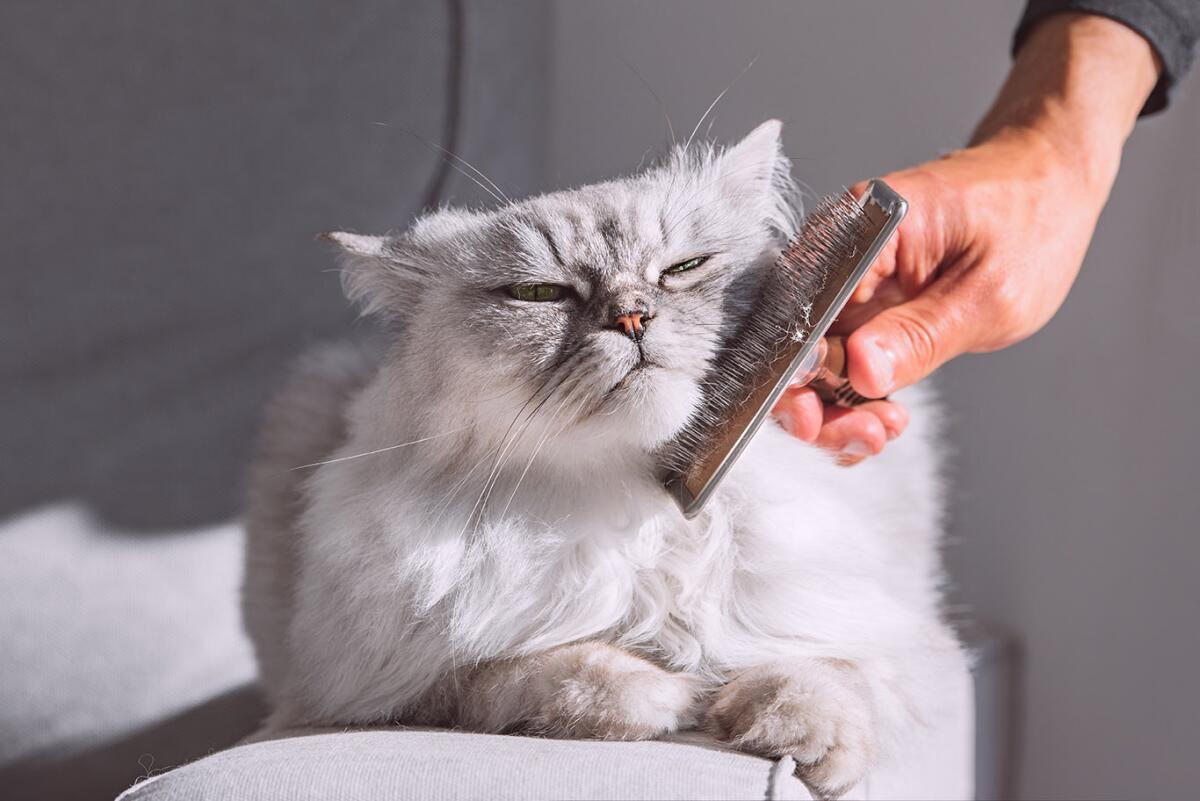
Select brushes designed for long-haired cats. A slicker brush removes loose hair and small tangles. A wide-toothed comb helps work through tougher knots. Use a fine-toothed comb for delicate areas like the face and legs. Soft bristles prevent skin irritation and keep your cat comfortable.
Using Detangling Sprays
Detangling sprays soften fur and make knots easier to remove. Choose a spray made for cats to avoid harmful ingredients. Lightly mist the knotted areas before brushing. This helps reduce pulling and pain during grooming. Avoid soaking the fur; just a little spray works best.
Additional Grooming Supplies
- Scissors with rounded tips for cutting out tight knots safely
- Grooming gloves to help remove loose fur and calm your cat
- Soft towels to clean up and comfort your cat after grooming
- A nail clipper to keep claws trimmed and prevent scratching
Having these supplies ready makes grooming smoother and safer. Take your time and be gentle with your long-haired cat.
Preparing Your Cat
Preparing your long-haired cat before grooming knots is essential to make the process smoother for both of you. Cats are sensitive creatures, and rushing into grooming can cause stress and resistance. Taking time to prepare will build trust and help your cat feel safe and comfortable.
Creating A Calm Environment
Start by choosing a quiet, familiar spot where your cat feels relaxed. Avoid noisy rooms or areas with a lot of activity. Soft lighting and gentle background sounds, like calming music or white noise, can help your cat settle down.
Try to keep the room warm since cold environments can make your cat tense. Have all your grooming tools ready and within reach. This way, you won’t have to leave your cat unattended, which could increase their anxiety.
Handling Your Cat Gently
Approach your cat slowly and speak in a soft, soothing voice. Notice how your cat responds to your touch—some cats prefer gentle strokes behind the ears, while others like a light scratch under the chin.
Use slow, deliberate movements. If your cat seems nervous, pause and offer a treat or a break. Remember, forcing your cat can backfire and make future grooming sessions harder.
Have you noticed how your cat reacts when you touch certain areas? Paying attention to these signals helps you handle your cat in the way they find most comfortable. This respect builds a positive grooming experience over time.
Identifying Knots
Long-haired cats often develop knots in their fur. These tangles can cause discomfort and skin problems if not handled properly. Identifying knots early helps keep your cat comfortable and their coat healthy. Watch for areas where the fur feels thicker or harder than usual. Regular grooming sessions make it easier to spot these troublesome spots.
Common Knot Locations
- Behind the ears – a frequent spot for mats
- Under the chin – fur often rubs here
- Around the neck – collar area can cause tangles
- Under the front legs – hair folds easily
- Along the belly – long fur can clump
- Near the tail base – friction causes knots
Types Of Knots
| Type | Description | How It Feels |
|---|---|---|
| Loose Tangles | Lightly matted fur, easy to comb out | Soft, slightly clumped |
| Small Mats | Compact knots forming small lumps | Firm, bumpy spots |
| Large Mats | Dense clumps that pull on the skin | Hard, painful areas |
Techniques To Remove Knots
Removing knots from long-haired cats needs gentle care and patience. Knots can be tight and uncomfortable for cats. Using safe techniques helps keep your cat calm and prevents hair damage. These methods make grooming smoother and less stressful for both of you.
Detangling With Fingers
Start by softly feeling the knot with your fingers. Gently pull apart small sections. Avoid tugging hard, as it can hurt your cat. Use slow, careful motions to loosen the tangle. This method works best on soft, loose knots.
Keep your cat relaxed by speaking softly. Take breaks if your cat seems stressed. Finger detangling reduces pulling and keeps the skin safe.
Using A Comb Safely
Choose a wide-tooth comb made for cats. Begin combing around the knot’s edges. Hold the fur close to the skin to avoid pulling. Comb in short, gentle strokes.
Work from the outside toward the center of the knot. Use a light touch to prevent hurting your cat. If the knot resists, stop and try finger detangling again.
Cutting Knots Carefully
Cutting knots should be the last choice. Use blunt-tip scissors to avoid injury. Hold the knot away from the skin before cutting. Trim a small amount at a time.
Cut only the knot, not healthy fur. Keep your cat calm and still during this process. If unsure, ask a professional groomer for help.
Preventing Future Knots
Regular brushing keeps your cat’s fur smooth and tangle-free. Use a gentle comb to avoid pulling and check for knots daily. Keeping fur clean and trimmed helps stop mats from forming.
Preventing knots in your long-haired cat’s fur is not just about aesthetics; it’s about ensuring their comfort and health. Regular grooming can significantly reduce the formation of tangles, but prevention is key. Understanding how to maintain your feline friend’s coat can save you time and your cat from discomfort.Regular Brushing Schedule
Creating a consistent brushing routine is essential. Aim to brush your cat at least three to four times a week. Use a soft-bristle brush or a wide-toothed comb to gently work through their fur. Start from the head and work your way down to the tail, ensuring you cover every part of their body. Pay special attention to areas prone to knots, like behind the ears and under the legs. Regular brushing not only prevents tangles but also strengthens the bond between you and your cat.Maintaining A Healthy Coat
A healthy coat is less prone to knotting. Use a cat-safe conditioner during baths to keep their fur soft and manageable. Avoid using human shampoos as they can irritate your cat’s skin and lead to dryness. Consider adding fish oil supplements to your cat’s diet. This can improve coat health, making it shinier and less likely to tangle. Have you noticed how a healthy coat almost seems to glow? That’s what you’re aiming for!Diet And Hydration Tips
Your cat’s diet plays a crucial role in their overall health, including their coat condition. Ensure they are getting a balanced diet rich in proteins and essential fatty acids. These nutrients support skin health and prevent fur from becoming brittle. Hydration is just as important. Always provide fresh, clean water for your cat. Well-hydrated skin produces healthier fur, reducing the chance of knots forming. Could your cat’s drinking habits be the secret to a smoother coat? Make sure they’re drinking enough to find out! By implementing these practical steps, you’ll be well on your way to keeping your long-haired cat’s coat free from knots and looking fabulous.When To Seek Professional Help
Knowing when to seek professional help for grooming knots out of your long-haired cat can save both you and your feline friend a lot of stress. Some mats become too tough or dangerous to handle at home, and recognizing the signs early will protect your cat’s skin and comfort. Let’s look at how you can tell when it’s time to call in an expert and why professional grooming could be the best choice.
Signs Of Severe Matting
Severe matting goes beyond simple tangles. Here are clear signs your cat’s knots need professional attention:
- Skin irritation or redness:If the skin under the mat looks inflamed or raw, it means the fur is pulling on the skin painfully.
- Hard, tight clumps:Mats that feel like hard balls or pull tightly are difficult to detangle without hurting your cat.
- Cat shows signs of distress:If your cat tries to bite or scratch when you touch certain areas, it might be due to pain caused by mats.
- Hair loss or bald spots:Mats can pull out hair or cause patches where the skin is exposed.
Ignoring these signs can lead to skin infections or restricted movement. Have you noticed your cat limping or avoiding being touched? That could be a hidden sign of mat-related pain.
Benefits Of Professional Grooming
Professional groomers have the right tools and experience to handle severe matting safely. They can carefully shave or trim the mats without hurting your cat’s sensitive skin.
Besides removing mats, grooming experts can check for skin problems or parasites that you might miss. They also offer advice on preventing future knots tailored to your cat’s coat type.
Bringing your cat to a professional might feel intimidating, but it often turns into a positive experience. Your cat will feel more comfortable and happier once the pain and discomfort are gone. Isn’t your cat’s well-being worth the expert care?
Frequently Asked Questions
How Often Should I Groom Knots From Long-haired Cats?
Groom your long-haired cat at least 3-4 times weekly. Regular brushing prevents knots and matting. Frequent grooming keeps their coat healthy and comfortable.
What Tools Are Best For Removing Cat Hair Knots?
Use a wide-toothed comb and a slicker brush. These tools gently detangle without hurting your cat. Avoid harsh tools that can damage fur or irritate skin.
Can I Cut Knots Out Of My Cat’s Fur Safely?
Cutting knots is risky and should be done carefully. Use blunt-nosed scissors and avoid cutting skin. When unsure, seek professional groomers to prevent injury.
Why Do Long-haired Cats Develop Knots Easily?
Long fur tangles due to moisture, dirt, and lack of grooming. Cats with thick coats are more prone to knots. Regular care reduces knot formation and discomfort.
Conclusion
Grooming knots out of long-haired cats takes patience and care. Use the right tools gently to avoid hurting your cat. Regular brushing keeps fur smooth and knot-free. Small, daily sessions work best for both you and your pet. Watch your cat’s reactions and stop if it feels stressed.
Keeping the coat clean helps prevent new knots from forming. A calm approach makes grooming easier and more enjoyable. Healthy fur means a happy cat. Keep these tips in mind for a smooth grooming routine.

Leave a Reply