Grooming a cat that doesn’t want to be groomed can feel like a battle you’re destined to lose. You want your furry friend to look and feel their best, but every time you try, they squirm, scratch, or hide.
It’s frustrating, and you might even wonder if it’s worth the hassle. But what if you could learn simple, effective ways to make grooming easier for both you and your cat? You’ll discover practical tips that help turn grooming from a stressful chore into a calm, even enjoyable routine.
Keep reading, and you’ll find out how to care for your uncooperative cat without the struggle.
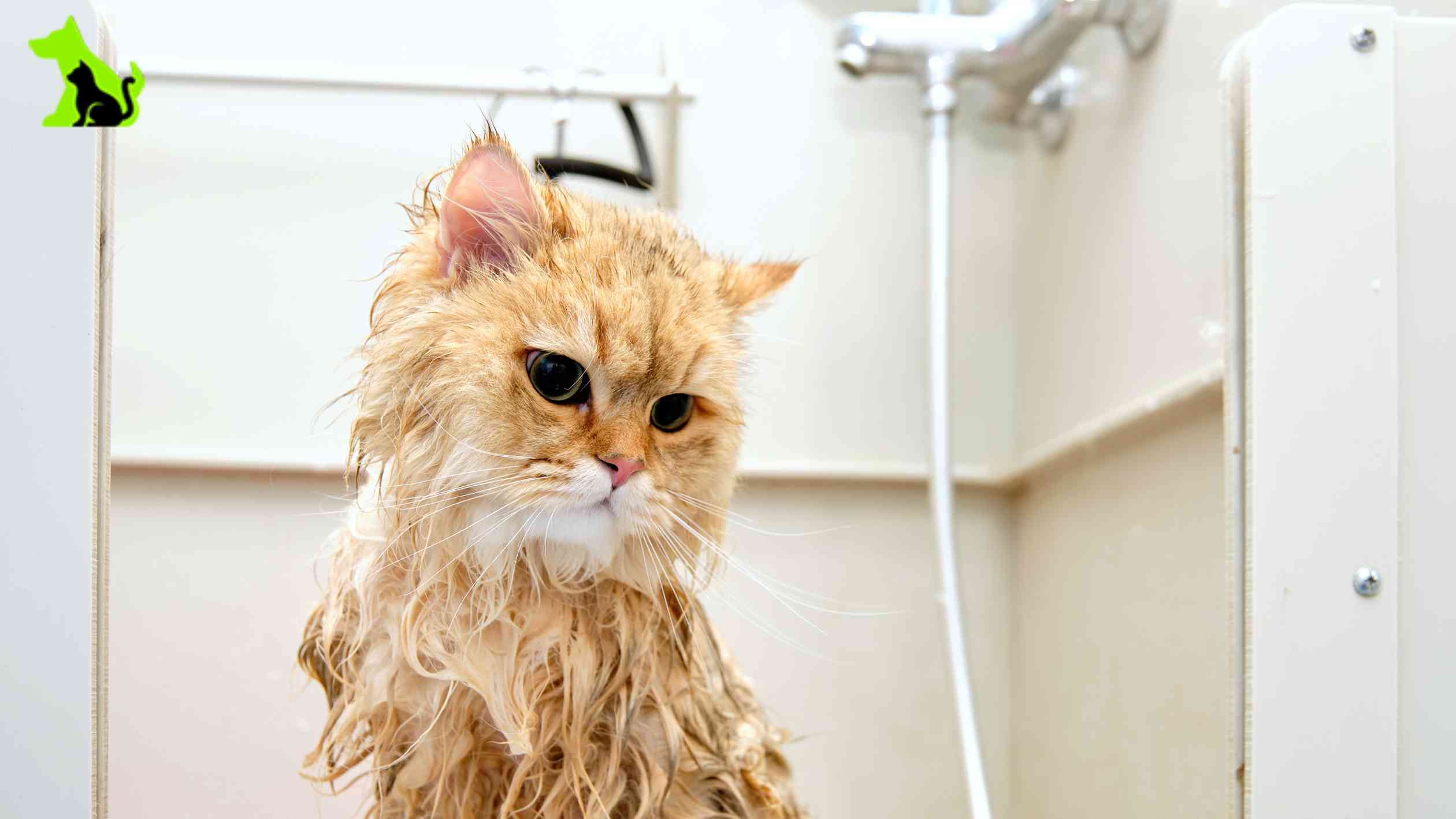
Credit: hellopetsinc.com
Recognize Cat’s Behavior
Understanding your cat’s behavior before you start grooming can make the entire process smoother. Cats don’t always tell you directly when they’re upset or uncomfortable, but their actions speak volumes. Paying close attention to their signals helps you avoid stress for both of you and makes grooming less of a battle.
Signs Of Discomfort
Watch for sudden movements or attempts to escape as clear signs your cat isn’t happy. They might also growl, hiss, or swat at you when grooming begins. Sometimes, a subtle sign like a twitching tail or flattened ears can mean they’re feeling anxious or annoyed.
Notice if your cat starts licking or biting the spot you’re brushing; this could be a way to protect a sore area. Do you see them stiffen their body or pull away? These are important clues. The more you catch these signs early, the better you can adjust your approach before things escalate.
Body Language Cues
Body language reveals what your cat is really thinking. A relaxed cat might purr or knead while you groom, but a tense one will hold itself stiff and watch you closely. Pay attention to their eyes—wide pupils can indicate fear or excitement.
Look at the ears as well: ears pointed forward show curiosity, but ears flattened sideways or back signal irritation. Tail position matters too; a flicking or lashing tail often means your cat is upset. Have you noticed your cat’s subtle signals before they suddenly react? Recognizing these cues early lets you pause or change your grooming technique to keep your cat calm.
Prepare The Grooming Area
Preparing the grooming area sets the tone for your entire session with your uncooperative cat. A well-chosen space and the right tools can make grooming less stressful and more manageable for both of you. You want to create an environment that feels safe and calm to help your cat stay relaxed.
Choose A Quiet Space
Pick a spot in your home where noise and distractions are minimal. Loud sounds or sudden movements can startle your cat and make grooming harder. A small room with a closed door often works best because it limits escape routes, helping your cat feel more secure.
Think about your cat’s favorite resting spots. Grooming near these areas can make them feel more comfortable. Have you noticed how your cat reacts in busy versus quiet rooms? Use that insight to choose the best place.
Gather Necessary Tools
Before you start, collect everything you need within arm’s reach. This avoids having to leave your cat unattended mid-grooming, which can increase their anxiety. Essential tools include a gentle brush, nail clippers, and pet-safe wipes.
- A soft-bristle brush for sensitive skin
- Detangling comb for mats and knots
- Nail clippers designed for cats
- Styptic powder for accidental nail nicks
- Pet-safe grooming wipes for quick cleanups
Organize these tools in a small basket or tray to keep them handy. Have you ever tried grooming without all your supplies ready? It’s a good way to learn the importance of preparation the hard way!
Build Trust Gradually
Building trust with an uncooperative cat is key to successful grooming. Cats need time to feel safe and comfortable. Rushing the process can cause fear and resistance. Patience and gentle interaction help create a bond. A calm approach encourages your cat to accept grooming over time.
Use Gentle Touch
Start by petting your cat softly. Use slow, light strokes along the fur. Avoid sudden or rough movements. Let your cat guide the pace. Watch for signs of discomfort or stress. Stop if your cat pulls away or hisses. Gentle touch helps your cat relax and trust you more.
Reward Positive Behavior
Offer treats or praise when your cat stays calm. Use small, tasty rewards to encourage good behavior. Give treats right after grooming moments. This creates a positive link with grooming time. Rewards motivate your cat to cooperate next time. Keep sessions short and end on a good note.
Use Proper Grooming Techniques
Grooming an uncooperative cat requires patience and the right techniques to keep both you and your feline friend calm. Using proper grooming methods can turn a stressful experience into a manageable routine. Understanding how to brush and bathe your cat effectively makes a big difference in getting cooperation.
Brushing Tips
Start brushing your cat in a quiet, comfortable spot where it feels safe. Use a soft-bristled brush or a grooming glove to gently remove loose fur without pulling on the skin.
Brush in the direction of hair growth to avoid discomfort. Short, gentle strokes work better than long, harsh ones.
- Let your cat sniff and inspect the brush before starting.
- Focus on small areas at a time to prevent overwhelming your cat.
- Reward your cat with treats or gentle praise after brushing each section.
If your cat struggles, pause and try again later. Have you noticed how some cats relax when you talk softly during brushing? Your tone matters more than you might think.
Bathing Methods
Bathing an uncooperative cat takes preparation and calm energy. Gather all supplies beforehand: cat shampoo, a towel, and a non-slip mat for the sink or tub.
Fill the tub with just a few inches of lukewarm water. Avoid cold or hot water as it can stress your cat further.
- Use a handheld cup or gentle sprayer to wet your cat slowly, starting at the back.
- Lather shampoo carefully, avoiding the face and ears.
- Rinse thoroughly to prevent irritation from leftover soap.
Try to keep your cat’s head dry and support its body to make it feel secure. Have you tried using a calming pheromone spray or playing soft music to ease bath time tension? These little tricks can change everything.
Manage Resistance Safely
Handling a cat that resists grooming requires patience and calmness. Use gentle touches and short sessions to keep the cat relaxed and safe.
Grooming an uncooperative cat can feel like a daunting task, but managing resistance safely is crucial for both you and your furry friend. It’s important to approach the situation with patience and understanding. Your cat’s reluctance might stem from fear or discomfort, and addressing these concerns can make the process smoother and more enjoyable for both of you.Calming Aids
Sometimes, a little extra help is needed to calm your cat before grooming. Consider using calming aids like pheromone sprays or diffusers. These products mimic the natural calming scents cats release, creating a more soothing environment. Another option is to provide a calming treat or use a few drops of a vet-approved herbal remedy. These aids can help relax your cat and reduce anxiety. Always check with your vet before introducing any new product to ensure it’s safe for your cat’s specific needs.When To Seek Help
There are instances when your cat’s resistance might be too much to handle alone. If your cat shows signs of aggression or extreme anxiety, it might be time to seek professional help. A professional groomer or a vet can offer guidance and hands-on assistance. They are trained to handle difficult situations and can provide tips tailored to your cat’s behavior. Remember, seeking help is not a sign of failure; it’s a responsible choice to ensure your cat’s safety and well-being. Have you ever wondered if you’re doing everything you can to make grooming a positive experience for your cat? By managing resistance safely and knowing when to seek professional help, you can transform grooming from a dreaded task into a bonding moment with your pet.
Credit: danspetcare.com
Maintain Regular Grooming Routine
Maintaining a regular grooming routine helps keep your uncooperative cat calm and clean. Consistency builds trust and reduces stress during grooming sessions. It also prevents matting and skin issues by catching problems early. Start small and be patient to make grooming a positive habit for your cat.
Set Consistent Schedule
Choose specific days and times for grooming. Stick to this schedule to help your cat expect and accept grooming. Short sessions work better than long ones. Try grooming after meals or when your cat is relaxed. Consistency makes grooming feel normal and less scary.
Adapt To Cat’s Preferences
Notice how your cat reacts to different brushes and touches. Use tools your cat likes, such as soft brushes or grooming gloves. Watch which areas your cat enjoys being touched. Focus on those spots first to build comfort. Adjust speed and pressure based on your cat’s reactions.

Credit: www.viovet.co.uk
Frequently Asked Questions
How Can I Calm My Uncooperative Cat Before Grooming?
Use gentle petting and soft talking to relax your cat. Offer treats and take breaks to reduce stress. Create a calm environment with minimal noise and distractions for better cooperation during grooming.
What Tools Work Best For Grooming A Resistant Cat?
Use a soft brush or comb designed for cats. Choose tools with gentle bristles to avoid hurting your cat. Avoid noisy or harsh grooming devices to keep your cat calm and cooperative.
How Often Should I Groom A Difficult Cat?
Groom your uncooperative cat regularly, about once or twice a week. Frequent grooming reduces matting and helps your cat get used to handling. Adjust frequency based on your cat’s fur type and tolerance.
What Are Safe Techniques To Hold A Stubborn Cat For Grooming?
Hold your cat gently but firmly using a towel wrap if needed. Support their body to prevent sudden movements. Avoid forcing your cat, and always prioritize their comfort to reduce resistance.
Conclusion
Grooming a stubborn cat can test your patience. Stay calm and gentle throughout the process. Use treats and breaks to keep your cat happy. Choose the right tools to make grooming easier. Small steps build trust and comfort over time.
Remember, each cat is different and learns at their own pace. Keep trying regularly for the best results. A clean cat is a healthy cat. Your effort helps your pet feel loved and cared for.



Leave a Reply