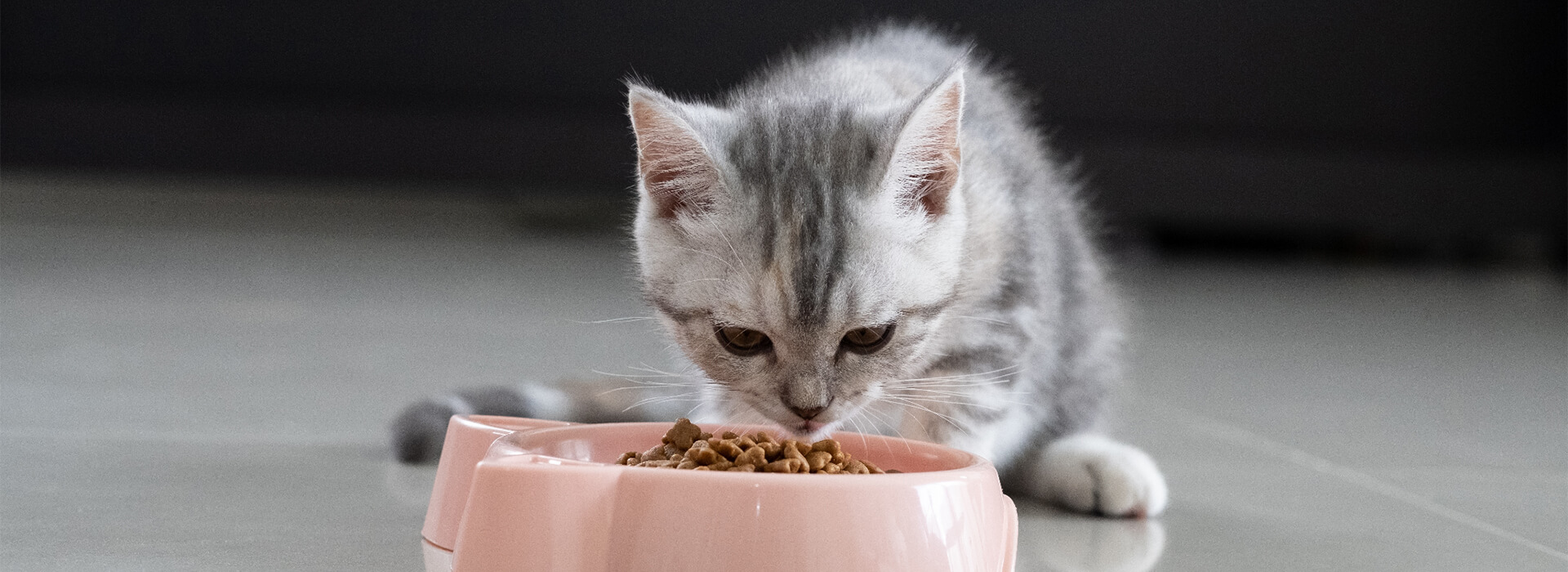
Are you wondering if your adult cat should be eating kitten food? Maybe you’ve heard that kitten food is packed with extra nutrients, and you’re curious how often your grown feline friend can enjoy it each day.
Getting this right is important for your cat’s health and happiness. Keep reading, and you’ll discover the simple answers you need to make the best choice for your furry companion’s diet.

Credit: www.amazon.co.uk
Kitten Food Basics
Kitten food is specially made to support young cats’ fast growth and high energy needs. It contains nutrients that adult cats do not require as much. Understanding kitten food basics helps pet owners decide how often adult cats should eat it.
Nutritional Differences
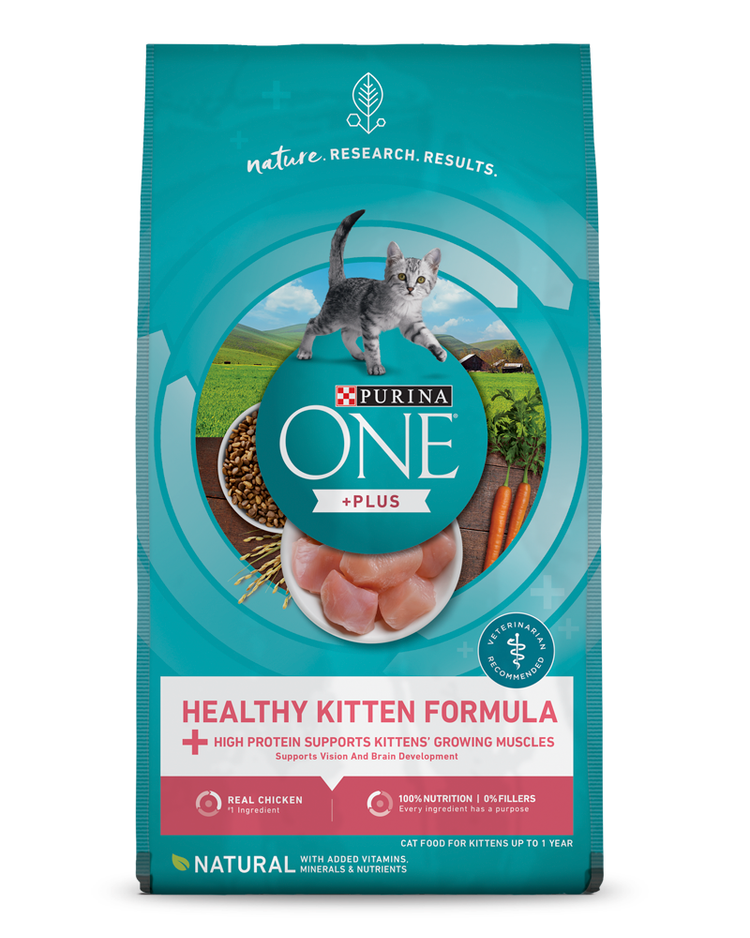
Kitten food has more calories and protein than adult cat food. It supports muscle and bone development in growing kittens. Vitamins and minerals are added in higher amounts to boost immunity. Fat content is also higher for energy supply. Adult cats eating kitten food get more nutrients than needed. This can cause weight gain and other health issues.
Why Kitten Food Is Richer
Kittens grow quickly and need extra nutrients to build strong bodies. Kitten food is rich in protein to help build muscles. It has extra fat for energy and brain development. Higher calcium and phosphorus support bone growth. These nutrients are balanced for kittens but not for adult cats. Feeding adult cats kitten food daily can lead to overeating and obesity.
Credit: companion-vets.com
Adult Cats And Kitten Food
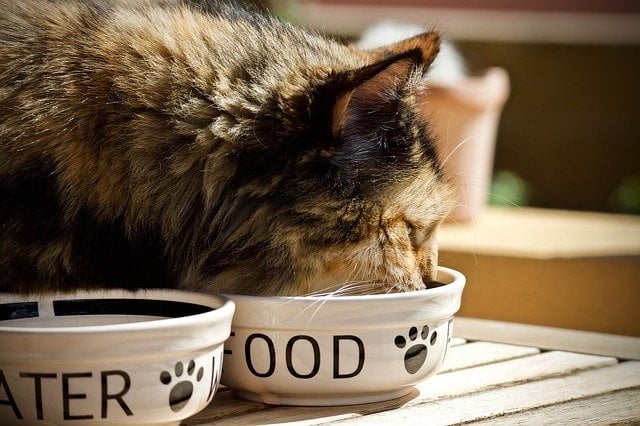
Adult cats rarely need kitten food daily since it has extra nutrients for growth. Feeding kitten food once in a while is fine but not necessary every day. Balanced adult cat food suits their needs best for regular meals.
Adult cats are fascinating creatures with their own dietary needs that differ from those of kittens. Yet, you might find yourself wondering if it’s ever okay for an adult cat to snack on kitten food. While the occasional indulgence might seem harmless, it’s essential to understand the differences in nutritional content and the potential implications for your cat’s health. Let’s dive into the specifics.When It’s Appropriate
There are a few instances where feeding kitten food to an adult cat can be beneficial. For example, if your adult cat is underweight or recovering from an illness, the high-calorie content in kitten food might help them regain strength. Kitten food is rich in protein and fats, offering an energy boost when needed. Short-term feeding of kitten food can also support pregnant or nursing cats. These cats have increased nutritional demands, and kitten food provides the necessary nutrients for both mother and kittens. However, always consult your vet before making any changes to your cat’s diet.Potential Risks
Feeding kitten food to adult cats on a regular basis can lead to several health issues. Kitten food is higher in calories and fats, which could cause your cat to gain weight quickly. Obesity in cats can lead to a host of problems, including diabetes and joint pain. Additionally, the nutritional balance in kitten food is not ideal for adult cats. It can lead to imbalances in essential nutrients, like phosphorus and calcium, which may affect your cat’s kidney function and bone health over time. It’s crucial to consider if the short-term benefits outweigh these potential long-term risks. To keep your adult cat healthy, consider their individual needs and consult a veterinarian for personalized advice. Have you ever noticed changes in your cat’s health after a dietary shift? It’s always worth paying close attention to how your cat responds to different foods.Feeding Frequency For Adults On Kitten Food
Adult cats eating kitten food need a clear feeding schedule. Kitten food is richer and higher in calories. Feeding too often or too much can cause weight gain. Feeding too little may lead to nutrient gaps. Balance is key for healthy adult cats on kitten food.
Recommended Meals Per Day
Adult cats usually eat 2 to 3 meals daily. Feeding kitten food more than 3 times can cause overeating. Twice a day is often enough for most adult cats. Smaller, frequent meals help some cats digest better. Observe your cat’s appetite and adjust meals accordingly.
Portion Size Guidelines
Portion size depends on your cat’s weight and activity. Kitten food is calorie-dense, so give smaller portions than usual. Use the feeding instructions on the food package as a guide. Monitor your cat’s weight weekly to avoid overfeeding. Adjust portion size if your cat gains or loses weight.
Signs To Adjust Feeding
Adjusting your adult cat’s feeding schedule when they eat kitten food is important to keep them healthy. Watching for certain signs can help you know when it’s time to change the amount or type of food. Paying close attention to how your cat responds to their diet can prevent problems and keep them feeling their best.
Weight Changes
Is your cat gaining or losing weight unexpectedly? Sudden weight gain might mean they’re eating too much kitten food, which is richer and higher in calories than adult cat food. On the other hand, weight loss could indicate they’re not getting enough nutrients or the right balance.
Track your cat’s weight regularly and compare it with their normal range. If you notice consistent changes over a couple of weeks, it’s time to adjust their feeding. You might reduce the kitten food or switch to a formula designed for adult cats.
Digestive Issues
Digestive problems like diarrhea, vomiting, or constipation can signal that the kitten food isn’t suiting your adult cat anymore. Kitten food is often richer and can be harder for adult cats to digest if fed too often or in large amounts.
Observe your cat’s bathroom habits and overall comfort. If digestive issues persist, consider cutting back on kitten food or consulting your vet for a diet better suited to your cat’s age and health needs.
Alternatives To Kitten Food For Adults
Adult cats need different nutrients than kittens. Feeding kitten food to adults often is not ideal. Kitten food is rich in calories and proteins meant for growth. Adult cats require a balanced diet to maintain health and energy. There are good alternatives to kitten food for grown cats. These options support their needs without overfeeding.
Transitioning To Adult Food
Switching from kitten to adult food should be gradual. Sudden changes can upset a cat’s stomach. Start by mixing a small amount of adult food with kitten food. Increase the adult food portion over one to two weeks. Watch your cat’s appetite and digestion closely during this time. Use wet or dry adult cat food designed for their age and size. This approach helps your cat adjust comfortably.
Special Dietary Needs
Some adult cats have unique health issues or allergies. These require special diets tailored to their conditions. Talk to a vet about food options if your cat has:
- Weight problems
- Kidney disease
- Food allergies
- Digestive troubles
Prescription diets or hypoallergenic foods may be necessary. These alternatives provide proper nutrition without harming your cat’s health.
Credit: www.purina.com
Expert Tips For Feeding
Feeding adult cats kitten food occasionally can be beneficial, but it requires a careful approach. Understanding how to balance nutrition without causing health issues is key. Here are some expert tips to help you feed your adult cat kitten food safely and effectively.
Monitoring Health
Keep a close eye on your cat’s weight and energy levels. Sudden weight gain or loss can indicate that the diet isn’t working well.
Watch for digestive changes like diarrhea or constipation. These might suggest your cat’s body is reacting poorly to kitten food.
Track your cat’s coat condition too—shiny and smooth fur usually means good nutrition.
Consulting Your Vet
Always discuss diet changes with your veterinarian before feeding kitten food to an adult cat. Your vet can help you determine if it’s necessary and how often to do it.
Ask specific questions about your cat’s health history and how kitten food fits into their nutritional needs. This advice can prevent costly health problems later.
Consider scheduling regular check-ups to monitor how your cat responds to the diet change over time.
Frequently Asked Questions
How Often Should Adult Cats Eat Kitten Food Daily?
Adult cats should rarely eat kitten food daily. Kitten food is rich in calories and nutrients meant for growth. Feeding it regularly to adults can cause weight gain and digestive issues. Occasional feeding is fine, but a balanced adult cat diet is best for long-term health.
Can Adult Cats Digest Kitten Food Properly?
Adult cats can digest kitten food but may struggle with excess nutrients. Kitten food is higher in protein and fat. While safe in small amounts, regular feeding might upset their stomach or cause obesity. Always monitor your cat’s health and consult a vet for diet advice.
Is It Safe For Adult Cats To Eat Kitten Food?
Yes, in small amounts, it is safe for adult cats to eat kitten food. However, it should not replace their regular adult cat food. Kitten food has more calories and nutrients, which might be too rich for adult cats if fed frequently.
How Much Kitten Food Can Adult Cats Eat Per Day?
Adult cats can eat kitten food occasionally, about 10-15% of their daily intake. Too much kitten food can lead to excess calorie intake and weight gain. It’s best to limit kitten food and provide a balanced adult cat diet for overall health.
Conclusion
Adult cats rarely need kitten food daily. Kitten food has more calories and nutrients for growing cats. Feeding adult cats kitten food often can cause weight gain. Occasionally offering kitten food is okay, but not every day. Focus on balanced meals made for adult cats.
Watch your cat’s health and energy levels closely. Consult a vet for personalized feeding advice. Keep your cat happy and healthy with the right diet. Simple changes make a big difference in your cat’s life.



Leave a Reply