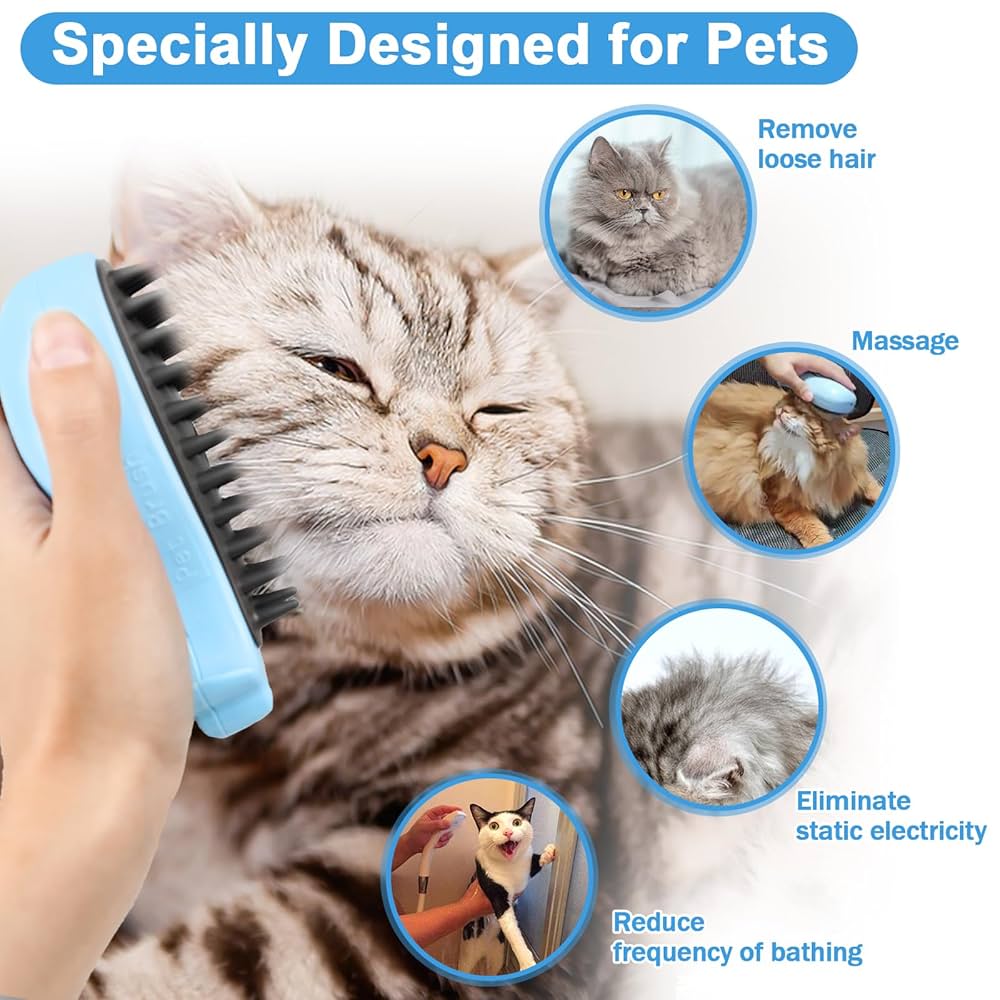
If you have a cat that sheds a lot, you know how frustrating it can be to find fur everywhere—in your clothes, on the furniture, and even in your food sometimes! But what if you could turn shedding from a daily hassle into a simple, stress-free routine?
Grooming your shedding cat the right way not only keeps your home cleaner but also helps your furry friend stay healthy and comfortable. You’ll discover easy and effective grooming tips that make managing your cat’s shedding a breeze. Keep reading to learn how to keep your cat’s coat shiny, reduce shedding, and enjoy more cuddle time without the mess.
Shedding Basics
Understanding the basics of shedding is key to keeping your cat comfortable and your home cleaner. Shedding is a natural process, but knowing why and when it happens can help you manage it better. Let’s break down the essentials so you can stay one step ahead of the fur.
Why Cats Shed
Cats shed to get rid of old or damaged fur. This helps their coat stay healthy and protects their skin. Shedding also helps cats regulate their body temperature by removing thick winter fur when the weather warms up.
Did you know stress or diet can also affect how much your cat sheds? If you notice sudden or excessive shedding, it might be a sign your cat needs a vet checkup. Paying attention to these signals can save you from bigger problems later.
Shedding Patterns
Shedding isn’t random. Most cats shed more during spring and fall, adjusting their coats for seasonal changes. However, indoor cats might shed more evenly throughout the year because of controlled temperatures and lighting.
Shedding frequency and amount vary by breed, age, and health. Long-haired cats usually shed more visibly, while short-haired cats shed smaller amounts more often. How often have you brushed your cat during these peak shedding times?
- Spring: Shedding thick winter coat
- Fall: Losing lighter summer fur
- Year-round: Indoor cats with stable environments
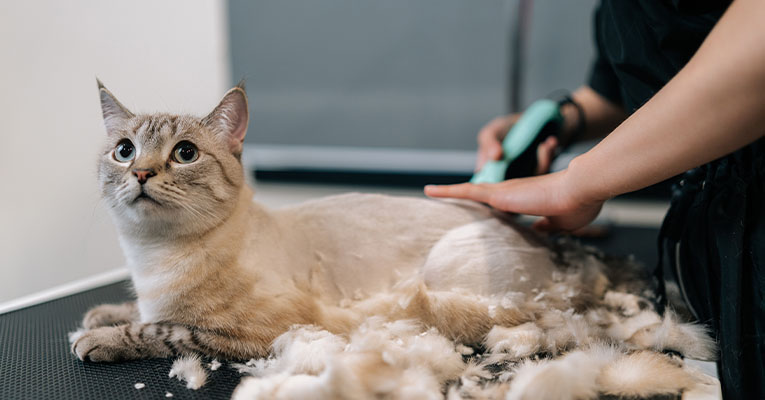
Knowing your cat’s shedding pattern helps you plan grooming sessions. Regular brushing during these times can reduce loose fur on your furniture and keep your cat’s coat shiny and healthy.
Credit: www.zoomzoomgroom.com
Tools For Grooming
Proper grooming tools make shedding easier for both you and your cat. Choosing the right tools helps remove loose hair and reduces matting. It also keeps your cat’s coat healthy and shiny. Good grooming tools fit your cat’s fur type and shedding level.
Best Brushes For Shedding
- Slicker Brush:Perfect for removing loose hair and preventing mats.
- Deshedding Tool:Reaches deep undercoat to pull out shedding fur.
- Bristle Brush:Smooths the coat and spreads natural oils.
- Rubber Grooming Mitt:Gently massages while loosening dead hair.
Additional Grooming Supplies
- Comb:Good for detangling small knots and checking fur condition.
- Grooming Scissors:Trim mats or excess fur safely.
- Pet Wipes:Clean fur and skin between baths.
- Nail Clippers:Keep claws trimmed to prevent scratching during grooming.
- Vacuum or Lint Roller:Helps clean up shed hair from surfaces.
Grooming Techniques
Grooming a shedding cat requires more than just a quick brush. It involves gentle techniques that respect your cat’s comfort and coat condition. Paying attention to how you groom makes the process smoother for both you and your feline friend.
Brushing Methods
Choose a brush suited to your cat’s fur type—slicker brushes work well for long-haired cats, while rubber brushes suit short-haired breeds. Brush in the direction of the fur growth to avoid pulling and discomfort. Try to brush daily during heavy shedding seasons to catch loose hair early.
If your cat resists brushing, try breaking the session into short, calm intervals. Using treats or soft praise can turn grooming into a positive experience. Have you noticed certain spots your cat enjoys being brushed? Focus on those areas first to build trust.
Bathing Tips
Bathing is not always necessary but can help remove loose fur and reduce shedding if done correctly. Use a cat-specific shampoo to avoid skin irritation. Make sure the water is warm and keep your cat calm by speaking softly throughout the bath.
Rinse thoroughly to prevent any shampoo residue, which can cause itching. Dry your cat gently with a towel and avoid using a hairdryer unless your cat is comfortable with the noise. Have you prepared your grooming tools and environment before the bath? It makes the process less stressful for your cat.
Handling Sensitive Areas
Areas like the belly, tail, and behind the ears are often sensitive and require extra care. Approach these spots slowly and watch for signs of discomfort. Use your fingers or a soft brush to gently work through tangles or mats.
Be patient and give your cat breaks if needed. If your cat tends to get anxious, try wrapping them in a soft towel to restrict sudden movements. How well do you know your cat’s comfort zones during grooming? Respecting these can prevent scratches and build grooming trust.

Credit: danspetcare.com
Nutrition And Coat Health
Nutrition plays a key role in a cat’s coat health and shedding. A balanced diet provides essential nutrients that keep fur strong and shiny. Poor nutrition can lead to dry, brittle hair and increase shedding. Feeding your cat the right foods helps maintain skin moisture and reduces hair loss.
Healthy fats, proteins, and vitamins support hair growth. Water intake also affects skin hydration. Cats with good nutrition shed less and have softer fur. Understanding diet impact and supplements can improve your shedding cat’s coat condition.
Diet Impact On Shedding
A diet rich in high-quality protein builds healthy fur. Cats need amino acids like taurine for strong hair follicles. Omega-3 and omega-6 fatty acids help keep skin hydrated and reduce inflammation. Lack of these fats causes dry skin and more shedding.
Vitamins A, E, and biotin are vital for coat health. These nutrients support cell repair and hair growth. Feeding processed or low-grade food often means missing essential nutrients. Homemade or premium cat food options usually have better ingredients.
- Choose cat food with real meat or fish as the main ingredient
- Look for added omega fatty acids on the label
- Avoid fillers like corn or soy that offer little nutrition
- Provide fresh water daily to keep skin hydrated
Supplements For A Shiny Coat
Supplements can boost coat quality when diet alone is not enough. Fish oil capsules or liquid provide extra omega-3 fatty acids. These oils reduce itching and help fur shine. Always follow the vet’s advice on dosage.
Other useful supplements include:
- Biotin for hair strength and growth
- Vitamin E to protect skin cells
- Zinc to prevent dry, flaky skin
Use supplements safely and avoid overfeeding. Balanced nutrition combined with grooming routines keeps shedding under control. Healthy cats show less hair loss and enjoy a glossy coat.
Managing Excess Shedding
Managing excess shedding in your cat can feel like a full-time job, especially during certain times of the year. But understanding when shedding is normal and when it signals a problem can save you both stress and extra cleaning. You might wonder how to keep your home tidy while ensuring your cat stays comfortable and healthy.
Seasonal Shedding Control
Most cats shed more during spring and fall as they adjust their coats for temperature changes. You can help by brushing your cat daily with a slicker brush or a deshedding tool designed for cats. This reduces loose fur around the house and prevents hairballs.
Adding omega-3 fatty acids to your cat’s diet can improve coat health and reduce shedding. If you’ve ever noticed your cat’s fur looking dull or patchy, diet could be a factor. Also, make sure your cat stays hydrated; dry skin often leads to more shedding.
- Brush your cat gently but regularly, especially during peak shedding months.
- Use a humidifier in your home during dry seasons to keep your cat’s skin healthy.
- Maintain a balanced diet rich in essential fatty acids.
When To See A Vet
Shedding is normal, but excessive hair loss might indicate health issues. If you see bald patches, redness, or your cat is scratching excessively, it’s time to consult a vet. These symptoms could signal allergies, parasites, or skin infections.
Notice if your cat’s shedding is sudden or accompanied by changes in behavior or appetite. These signs often point to underlying health problems. Don’t wait—early vet visits can prevent more serious conditions and keep your cat comfortable.
Have you ever wondered if your cat’s shedding is more than just seasonal? Paying attention to changes can make a big difference in your pet’s well-being.
Creating A Grooming Routine
Regular brushing helps remove loose fur and reduces shedding in cats. Use a soft brush to gently groom your cat daily, keeping its coat healthy and clean. Pay attention to problem areas like the belly and under the tail to prevent mats and hairballs.
Creating a Grooming Routine A well-structured grooming routine is essential for managing a shedding cat. It not only helps to keep your home fur-free but also strengthens your bond with your feline friend. Establishing a consistent routine can significantly reduce loose hair and keep your cat’s coat healthy and shiny.Frequency Recommendations
Finding the right grooming frequency for your cat is crucial. Most cats benefit from being brushed at least once or twice a week. However, if your cat has long hair or is in a shedding phase, daily brushing might be necessary. Consider your cat’s specific needs. Some breeds require more attention, and older cats might need gentler sessions. Regular grooming sessions help you spot any unusual changes in your cat’s skin or coat early on.Making Grooming Enjoyable
Grooming should be a positive experience for both you and your cat. Start by choosing a quiet and comfortable place where your cat feels safe. Use a brush that suits your cat’s hair type and gradually introduce it, allowing your cat to sniff and explore it. Reward your cat with treats and affection during and after the grooming session. This positive reinforcement can turn grooming time into a bonding experience. Have you noticed how your cat reacts to different brushes or approaches? Adjust your technique based on your cat’s feedback to make the process as enjoyable as possible.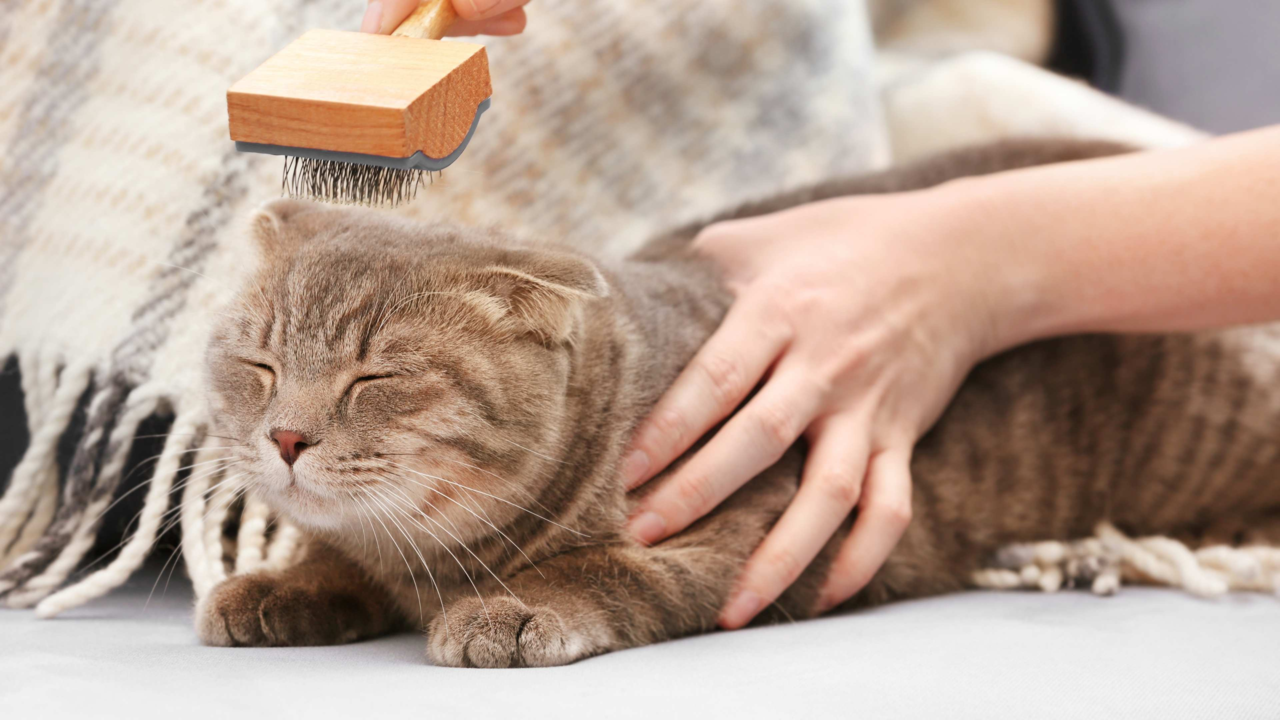
Credit: petdirect.co.nz
Frequently Asked Questions
How Often Should I Groom A Shedding Cat?
Groom your shedding cat at least 2-3 times weekly. Regular brushing removes loose fur and reduces hairballs. Increase frequency during heavy shedding seasons for better coat health and less mess.
What Tools Are Best For Grooming Shedding Cats?
Use a slicker brush, de-shedding tool, and fine-toothed comb. These tools effectively remove loose undercoat and prevent matting. Choose tools suitable for your cat’s fur length and type.
How To Prevent Hairballs In Shedding Cats?
Regular grooming removes loose fur before ingestion. Provide hairball control treats and ensure hydration. A balanced diet with fiber also helps reduce hairball formation in shedding cats.
Can Grooming Reduce Shedding Allergies?
Yes, grooming reduces airborne allergens by removing loose fur and dander. Frequent brushing and vacuuming improve indoor air quality. This helps allergy sufferers feel more comfortable around cats.
Conclusion
Grooming a shedding cat helps keep your home cleaner. It also makes your cat feel comfortable and happy. Regular brushing removes loose fur and reduces hairballs. Choose the right tools for your cat’s coat type. Be gentle and patient during grooming sessions.
This builds trust between you and your pet. A well-groomed cat looks healthy and shines with a soft coat. Small daily efforts make a big difference over time. Keep your cat’s shedding under control with simple care. Easy, regular grooming keeps both you and your cat content.




Leave a Reply