If your cat’s fur is full of tangles, you know how frustrating it can be—for both of you. Those knots can cause discomfort, skin problems, and even make grooming feel like a battle.
But don’t worry, you can learn simple and effective ways to tackle those tangles without stressing your furry friend. You’ll discover easy steps and expert tips to keep your cat’s coat smooth and healthy. Ready to make grooming a calm and pleasant experience?
Let’s get started.
Causes Of Cat Tangles
Tangles in your cat’s fur can be frustrating, but understanding what causes them can make grooming easier. Various factors contribute to those stubborn mats, and knowing these can help you prevent them before they form. Let’s explore some of the key reasons behind cat tangles.
Common Triggers
One major cause of tangles is lack of regular brushing. Cats that are not groomed frequently tend to develop mats, especially in areas they can’t easily reach, like behind the ears or under the legs.
Another trigger is your cat’s activity level. If your cat plays outside or rolls in dirt, debris can get caught in their fur, leading to knots. Have you noticed your cat grooming less when they’re stressed or unwell? Reduced self-grooming can quickly cause tangles too.
Breed And Coat Type
Long-haired breeds like Persians and Maine Coons are more prone to tangling due to their thick and flowing coats. On the other hand, short-haired cats rarely get mats, but it’s not impossible, especially if their fur is fine or dense.
Some cats have double coats, which means they have a soft undercoat beneath a tougher outer layer. This combination can trap loose hairs and create knots if not brushed properly. Does your cat’s breed require special grooming tools or techniques?
Environmental Factors
Humidity and weather changes also affect your cat’s fur condition. Damp or wet fur dries into tangles more easily, especially if your cat goes outside in rainy weather.
Indoor cats may still face environmental triggers like dust or shedding seasons. During heavy shedding, loose hair can clump together and cause mats. Have you adjusted your grooming routine to match seasonal changes?
Essential Grooming Tools
Keeping your cat’s fur free of tangles starts with having the right tools at hand. Essential grooming tools help you work through mats gently and make the grooming experience comfortable for your feline friend. Without the proper equipment, you might struggle to get through those stubborn knots and risk causing your cat discomfort.
Types Of Brushes And Combs
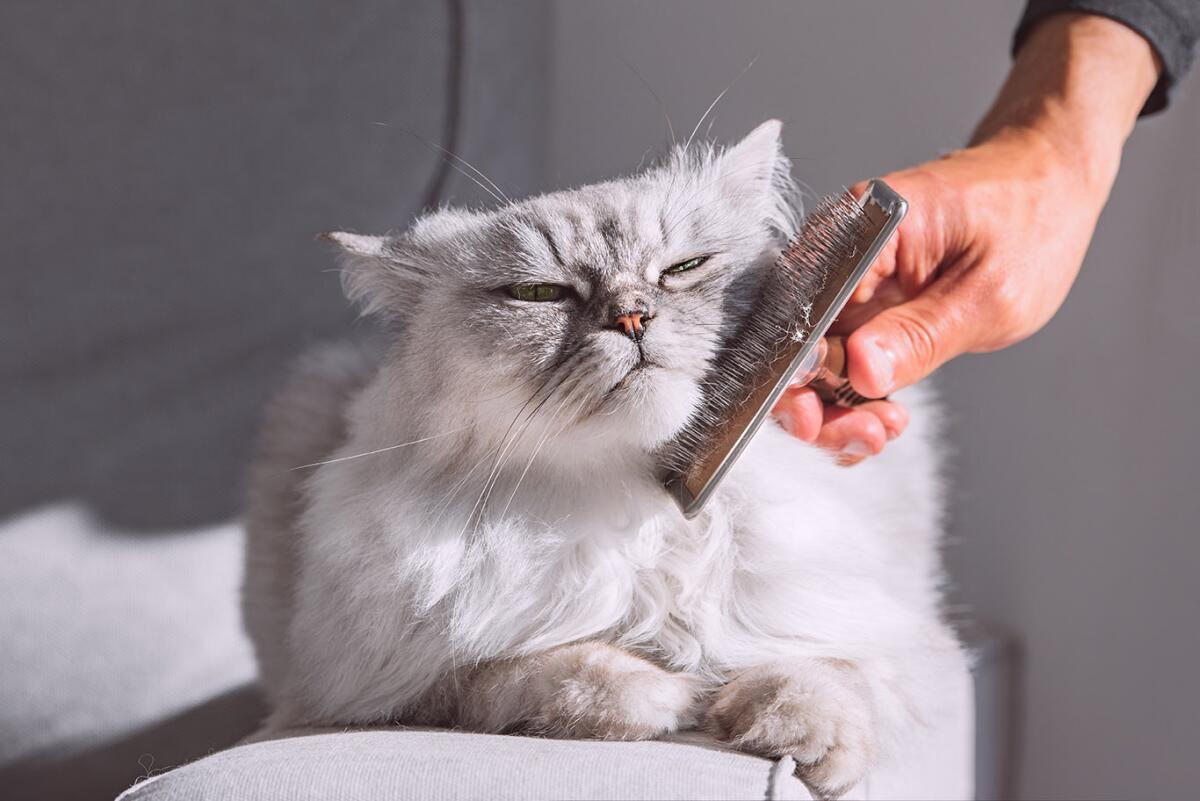
Different brushes and combs serve different purposes during grooming. Slicker brushes are great for removing loose hair and preventing tangles before they form. Wide-toothed combs work well for gently detangling larger mats without pulling too hard on the skin.
Fine-toothed combs help you check for smaller tangles or debris hidden close to the skin. You might find that a combination of these tools works best, depending on your cat’s fur type. Have you tried switching up brushes when one isn’t working well enough?
Detangling Sprays And Conditioners
Detangling sprays and conditioners can soften your cat’s fur, making knots easier to work through. Look for products made specifically for cats; they are usually gentle and safe for sensitive skin. Spritz a little on the tangled area before brushing to reduce pulling and discomfort.
Some sprays also add a protective layer that helps prevent future tangles. Have you noticed how a little moisture can turn a tough mat into an easier task? It’s a simple trick that can save you and your cat a lot of stress.
Additional Supplies
Besides brushes and sprays, having a few extra supplies can make grooming smoother. Keep a pair of rounded-tip scissors handy for safely cutting out any stubborn mats you can’t brush out. Nail clippers are also useful to prevent scratches during grooming sessions.
Using a grooming glove can help you gently remove loose fur while bonding with your cat. Don’t forget some treats to reward your cat’s patience—it makes the process more positive for both of you. What small tools do you find make the biggest difference during grooming?
Preparing Your Cat
Grooming your cat’s tangles gently helps keep their fur smooth and healthy. Use a soft brush to carefully loosen knots without hurting your pet. Patience and calmness make the process easier for both you and your cat.
Preparing your cat for a grooming session is crucial to ensure a smooth experience. Cats are sensitive creatures, and a little preparation can help reduce their stress and anxiety. By creating a comfortable setting and using gentle handling techniques, you can make the process more pleasant for both you and your feline friend.Creating A Calm Environment
Cats are easily influenced by their surroundings. Choose a quiet room where your cat feels safe. Dim the lights or close the curtains to create a soothing ambiance. Consider using a soft blanket or towel on your lap or the grooming area. This adds comfort and familiarity, helping your cat to relax. If your cat enjoys music, play some calming tunes. You might be surprised at how this can ease their nerves.Handling Techniques
Gently approach your cat and let them sniff your hands. This establishes trust and shows them you mean no harm. Hold your cat securely but not too tight. Use one hand to support their body and the other to gently work on the tangles. Speak softly to your cat throughout the process. Your voice can be a calming influence, reassuring them that everything is okay.Assessing Tangle Severity
Before you start, take a moment to assess the tangles in your cat’s fur. Are they small and manageable, or larger and more matted? For minor tangles, a wide-tooth comb is often sufficient. Gently work through them, taking care to avoid pulling on your cat’s skin. For severe matting, you may need to cut the tangles out. Use a pair of round-tip scissors for safety, and always keep them parallel to your cat’s skin to avoid accidents. Remember, patience is key. If your cat becomes too stressed, take a break. Their comfort and safety should always come first.Step-by-step Tangle Removal
Removing tangles from your cat’s fur needs care and patience. Tangles can cause discomfort and skin problems if left untreated. This step-by-step guide helps you gently remove knots and keep your cat’s coat smooth.
Separating And Loosening Knots
Start by identifying the tangled areas. Use your fingers to gently pull apart the fur. Work slowly to avoid hurting your cat. Loosen the knots by softly teasing the fur apart. Avoid pulling hard or tugging on the skin.
Brushing Techniques
Choose a wide-toothed comb or a special detangling brush. Begin brushing at the ends of the fur and move toward the skin. This reduces pulling and pain. Brush in short, gentle strokes. Take breaks if your cat becomes restless.
Dealing With Stubborn Tangles
Use a detangling spray made for pets to soften tough knots. Hold the fur close to the skin to reduce tension. Cut out mats only if necessary and with great care. If knots are very tight, seek help from a professional groomer or vet.
Preventing Future Tangles
Preventing future tangles in your cat’s fur saves both time and discomfort. It helps keep your cat happy and their coat shiny. Simple daily habits can reduce mats and knots. Consistency is key to smooth, tangle-free fur.
Regular Grooming Schedule
Set a daily or weekly grooming routine based on your cat’s fur type. Long-haired cats need more frequent brushing than short-haired ones. Use a gentle brush to remove loose hair and prevent mats. Regular grooming removes dirt and spreads natural oils.
Diet And Hydration
A healthy diet supports strong skin and fur. Include foods rich in omega-3 and omega-6 fatty acids. These nutrients keep the coat soft and less prone to tangling. Fresh water helps maintain skin hydration, reducing dryness and flaking.
Seasonal Care Tips
Adjust grooming habits with the seasons. Cats shed more in spring and fall. Increase brushing during these times to manage loose fur. Keep your cat cool in summer and warm in winter to avoid skin problems. Seasonal care helps maintain a healthy coat all year.
When To Seek Professional Help
Knowing when to seek professional help for cat tangles is important. Some tangles can harm your cat’s skin or cause pain. Professionals have the right tools and skills. They can safely remove tough mats without hurting your pet. Recognizing signs that need expert care keeps your cat healthy and happy.
Signs Of Skin Problems
Look for redness, swelling, or sores under tangles. Your cat may scratch or lick the area often. Foul odor can mean infection. These signs need immediate attention. Professionals can treat skin issues while grooming tangles.
Avoiding Injury
Cutting mats too close can cause cuts or bleeding. Cats may bite or scratch when stressed. Groomers know how to calm cats and use safe techniques. Avoid injury by trusting experts with difficult tangles.
Choosing A Groomer
Pick a groomer with experience in cat care. Check reviews or ask for recommendations. Make sure they use gentle tools and methods. A good groomer will explain the process and care tips. This helps keep your cat calm and comfortable.
Frequently Asked Questions
How Often Should I Groom Cat Tangles?
Groom your cat’s tangles at least once a week. Frequent grooming prevents mats and keeps fur healthy. Long-haired cats may need daily care. Regular brushing reduces shedding and discomfort.
What Tools Help Remove Cat Tangles Safely?
Use a wide-toothed comb, slicker brush, and detangling spray. These tools gently loosen knots without hurting your cat. Avoid scissors to prevent accidental injury. Choose grooming tools designed for cats.
How Can I Prevent Cat Tangles Effectively?
Brush your cat regularly and check for mats. Keep their fur clean and dry. Trim hair around problem areas like behind ears. Proper diet and hydration also promote healthy fur.
Is It Safe To Cut Out Cat Tangles?
Cutting tangles can be risky and cause injury. Instead, try gentle combing and detangling sprays. If mats are severe, consult a professional groomer or vet. Patience and care ensure safe grooming.
Conclusion
Tangles can cause your cat discomfort and stress. Regular grooming keeps their fur smooth and healthy. Use gentle brushes and be patient during sessions. Watch your cat’s reactions and stop if they seem upset. Small, frequent grooming times work best for most cats.
Clean, tangle-free fur helps prevent skin problems too. Caring for your cat’s coat shows love and attention. Keep grooming simple and calm to build trust. Your cat will thank you with a happy purr.

Leave a Reply