How often do you groom your cat? If you’ve ever wondered whether your furry friend needs daily brushing or just a quick once-a-week session, you’re not alone.
Grooming isn’t just about keeping your cat looking good—it’s key to their health and happiness. But how do you know what’s right for your cat’s unique coat and personality? Keep reading, and you’ll discover simple, expert tips that will make grooming easy and enjoyable for both you and your cat.
Grooming Frequency By Cat Type
Grooming your cat is essential, but how often you should do it depends a lot on your cat’s type. Each cat’s coat has unique needs that affect how frequently they require brushing or cleaning. Understanding these differences can help you keep your feline friend comfortable and healthy.
Short-haired Cats
Short-haired cats usually need grooming once a week. Their fur is less prone to tangles and mats, making maintenance easier. However, regular brushing helps remove loose hair and reduces shedding around your home.
Have you noticed your short-haired cat shedding more during certain seasons? Increasing grooming sessions to twice a week can help manage this. Plus, it’s a great way to bond with your pet and spot any skin issues early.
Long-haired Cats
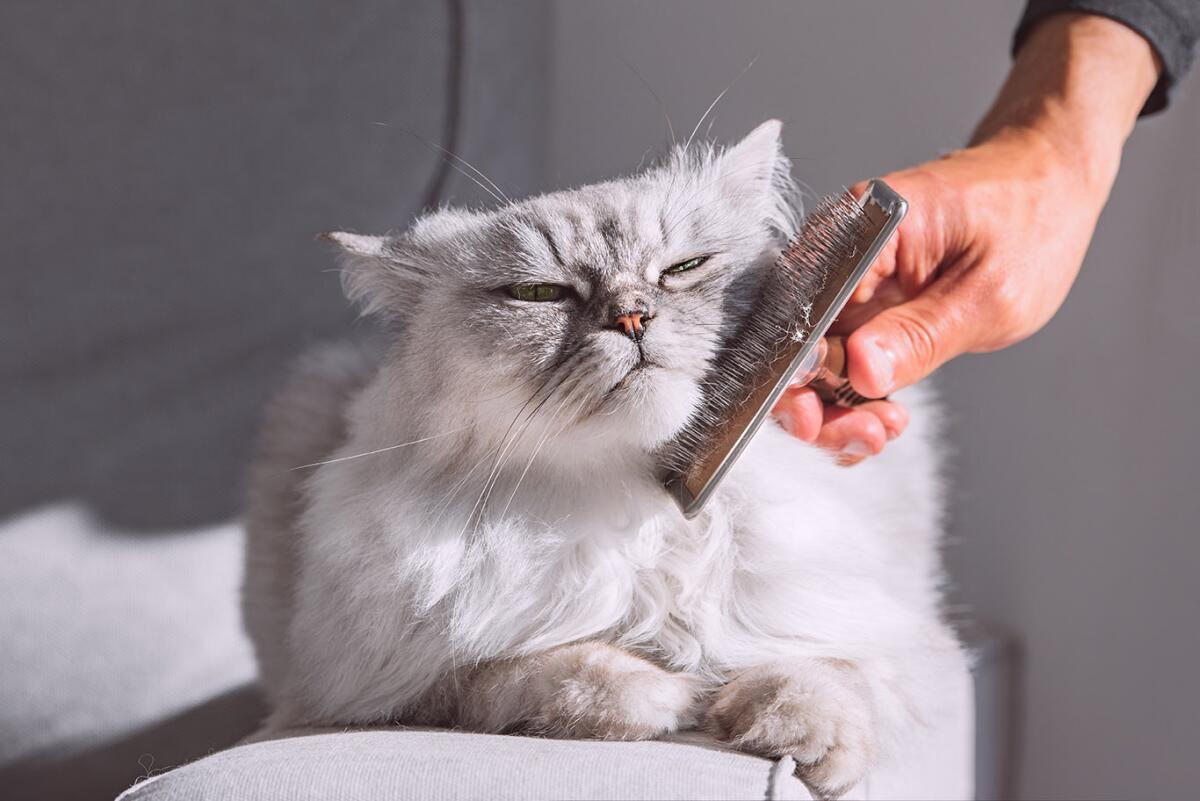
Long-haired cats require more frequent grooming, often daily or every other day. Their thick coats easily develop mats and knots, which can cause discomfort or skin infections if ignored. Consistent brushing keeps their fur soft and tangle-free.
If you’ve ever tried brushing a long-haired cat only to find clumps of fur stuck in the brush, you know how important it is to stay on top of grooming. Using the right tools, like a slicker brush or wide-toothed comb, makes a big difference. Don’t forget to check under their legs and behind the ears—these spots often get missed.
Hairless Cats
Hairless cats, such as the Sphynx, need grooming too, but in a different way. Since they lack fur, they don’t require brushing but do need regular baths to remove oil buildup on their skin. Usually, a bath every one to two weeks works well.
Have you considered how much oil your own skin produces? Without fur to absorb it, hairless cats can develop greasy skin or acne. Wiping them down between baths with a damp cloth can help maintain their skin health and comfort.
Daily Grooming Habits
Daily grooming habits are essential to keep your cat healthy and comfortable. Spending just a few minutes each day can prevent many common problems and build a stronger bond between you and your pet. Are you ready to discover simple ways to make grooming a positive experience for both of you?
Brushing Techniques
Use a brush suited for your cat’s fur type—soft bristles for short hair, and a comb or slicker brush for longer coats. Brush gently in the direction of hair growth to avoid discomfort. Focus on areas prone to matting like behind the ears and under the legs.
Try to make brushing a calm, enjoyable routine. Talk softly and offer treats to create positive associations. How does your cat respond when you brush them daily?
Checking For Fleas And Ticks
Run your fingers through your cat’s fur looking for tiny dark spots or moving insects. Fleas often hide near the neck and tail base, while ticks attach to the head and ears. Use a flea comb to catch any pests and inspect the comb’s teeth afterward.
If you spot anything suspicious, act quickly to remove it safely and consult your vet about treatment options. Could a few extra seconds of inspection daily save your cat from discomfort?
Cleaning Eyes And Ears
Look closely at your cat’s eyes for redness, discharge, or cloudiness. Wipe away any dirt gently with a damp cotton ball. For ears, check inside for wax buildup or foul odor, which could indicate infection.
Use a vet-approved ear cleaner and avoid pushing deep inside the ear canal. Regular checks can help you catch issues early—how often do you inspect these sensitive spots?
Weekly Grooming Tasks
Weekly grooming keeps your cat healthy and happy. It helps prevent problems and builds trust. A good routine includes bathing, nail trimming, and dental care. These tasks are simple and quick. They make a big difference in your cat’s well-being.
Bathing Your Cat
Most cats clean themselves well, but occasional baths help. Use warm water and cat-friendly shampoo. Avoid getting water in their ears and eyes. Bathing once a week can reduce dirt and loose fur. Keep the bath short to avoid stress. Dry your cat gently with a towel after.
Trimming Nails
Trim your cat’s nails every week to prevent overgrowth. Use sharp nail clippers made for cats. Hold the paw gently and clip the sharp tips only. Avoid the pink area, called the quick, to prevent pain. Regular trims protect furniture and reduce scratches. Reward your cat with praise or treats.
Dental Care
Healthy teeth and gums need weekly attention. Brush your cat’s teeth using a soft toothbrush and pet toothpaste. Start slowly to help your cat get used to it. Dental care prevents bad breath and gum disease. Check for redness or swelling in the mouth. Clean teeth help your cat eat comfortably and stay healthy.
Seasonal Grooming Adjustments
Seasonal changes affect your cat’s grooming needs. During warmer months, increase grooming to manage shedding. In colder seasons, maintain a regular schedule to prevent matting and ensure a healthy coat.
Grooming your cat is a crucial part of their care routine, but did you know that the changing seasons can affect how often and how you should groom your feline friend? Cats naturally adapt to the seasons with changes in their coat and skin, so it’s important to adjust your grooming habits accordingly. Understanding seasonal grooming adjustments can help you keep your cat comfortable and healthy year-round.Shedding Management
Cats tend to shed more during certain times of the year, especially in spring and fall. This is when they transition their coats to adapt to temperature changes. Regular brushing during these periods can help manage excessive shedding and reduce hairballs. Using a de-shedding tool can be particularly effective during high-shedding seasons. It removes loose fur before it ends up all over your house. Plus, it’s a great bonding activity for you and your cat.Skin Care In Different Seasons
The condition of your cat’s skin can vary with the seasons. Winter can bring dry skin due to indoor heating, while summer might increase the risk of parasites. During colder months, consider using a humidifier to keep the air moist, which can help prevent dry skin. In warmer seasons, regular checks for fleas and ticks are crucial, especially if your cat spends time outdoors. Have you noticed any changes in your cat’s coat or skin with the seasons? Adjusting your grooming routine not only keeps your cat looking good but also ensures they feel comfortable and healthy throughout the year.Tools For Effective Grooming
Grooming a cat needs the right tools for success. Using proper tools makes grooming easier and more effective. Cats enjoy gentle care, and good tools help keep them calm. Choosing the right tools depends on your cat’s coat type and grooming needs. Quality tools protect your cat’s skin and fur, preventing discomfort.
Brushes And Combs
Brushes and combs remove loose fur and prevent mats. Soft bristle brushes work well for short-haired cats. Slicker brushes help detangle longer fur and remove dirt. Metal combs reach deep to remove knots and debris. Use gentle strokes and avoid pulling on hair.
Nail Clippers
Nail clippers keep your cat’s claws healthy and short. Use clippers designed for cats to avoid splitting nails. Trim just the sharp tips, not the quick inside the nail. Regular trimming stops damage to furniture and skin. Hold paws gently but firmly to reduce stress.
Shampoos And Conditioners
Shampoos keep your cat’s coat clean and fresh. Choose shampoos made especially for cats to avoid irritation. Conditioners add moisture and shine to the fur. Use sparingly to prevent buildup and discomfort. Always rinse well to remove all shampoo and conditioner.
Signs Your Cat Needs Extra Grooming
Noticing signs that your cat needs extra grooming helps keep them healthy and happy. Cats often hide discomfort, so watch closely. Grooming prevents problems and improves their coat and skin condition.
Mattes And Tangles
Mattes form when fur knots tightly and feels hard. Tangled fur pulls on the skin and causes pain. These can trap dirt and moisture, leading to skin infections. Long-haired cats need more frequent checks for mats.
Excessive Shedding
Shedding is normal but too much can signal problems. Large clumps of fur on furniture or clothes show shedding issues. This might mean stress, diet problems, or health concerns. Brushing helps reduce loose hair and keeps your home cleaner.
Skin Irritations
Look for redness, bumps, or flaky skin on your cat. Irritations can cause itching and discomfort. Excessive licking or scratching often means something is wrong. Regular grooming helps spot these signs early and soothes the skin.
Grooming Tips For Anxious Cats
Grooming an anxious cat can feel like a challenge, but with the right approach, it becomes a bonding experience rather than a struggle. Understanding your cat’s stress signals and adjusting your grooming routine can make a big difference in how they respond. Here are some tips to help you create a more relaxed grooming session for your furry friend.
Creating A Calm Environment
Start by choosing a quiet, comfortable space with minimal distractions. Soft lighting and a warm temperature can help your cat feel safe and relaxed.
Keep grooming tools close and ready to avoid long pauses that might increase anxiety. Playing soft music or white noise can also soothe your cat during grooming.
Have you noticed how your cat reacts to certain sounds or spaces? Use that knowledge to pick the best spot for grooming sessions.
Using Treats And Positive Reinforcement
Use tasty treats to reward calm behavior before, during, and after grooming. This helps your cat associate grooming with positive experiences.
Try giving small treats between brushing strokes or after handling sensitive areas. This breaks the session into manageable parts and keeps your cat motivated.
Remember, patience is key. If your cat shows signs of distress, take a break and offer praise along with a treat to keep the mood positive.
Frequently Asked Questions
How Often Should I Groom My Cat?
Groom your cat at least once a week to maintain a healthy coat. Long-haired cats may need daily grooming. Regular brushing prevents matting, reduces shedding, and promotes skin health.
Does Grooming Reduce Cat Hair Shedding?
Yes, regular grooming reduces shedding by removing loose fur. It helps keep your home cleaner and minimizes hairballs. Brushing also stimulates natural oils for a shiny coat.
Can Grooming Prevent Cat Hairballs?
Grooming helps prevent hairballs by removing loose fur before ingestion. Regular brushing reduces the amount of fur your cat swallows. This lowers the risk of hairball formation and digestive issues.
How Do I Groom A Cat That Dislikes Brushing?
Use gentle strokes and start slowly to build trust. Try different brushes and grooming tools to find what your cat prefers. Give treats to create positive associations with grooming.
Conclusion
Grooming your cat keeps their coat clean and healthy. Short-haired cats need less brushing than long-haired ones. Regular grooming reduces hairballs and skin problems. Pay attention to your cat’s mood during grooming. Adjust frequency based on their breed and lifestyle.
A calm, gentle approach makes grooming easier. Small daily sessions work better than long ones. Healthy cats enjoy grooming as a bonding time. Remember, consistency helps your cat feel comfortable. Keep a grooming routine that fits your cat’s needs. Your cat will thank you with a shiny, soft coat.

Leave a Reply