
Grooming a cat that’s angry or upset can feel like a real challenge. You want your furry friend to look and feel their best, but their mood might make it hard to get the job done.
If you’ve ever faced scratches, hisses, or a cat that simply won’t sit still, you know how frustrating this can be. But don’t worry—there are simple, effective ways to calm your cat and make grooming easier for both of you.
Keep reading, and you’ll discover practical tips that help turn grooming time into a peaceful, stress-free experience for your angry cat.
Recognize Signs Of Anger
Recognizing signs of anger in a cat is essential before grooming. Cats cannot tell us when they feel upset. Their body language and behavior give clues. Understanding these signs helps avoid scratches and stress. It also makes grooming safer and calmer for both you and your cat.
Body Language Cues
- Tail flicking or thrashing rapidly
- Ears pinned back flat against the head
- Hissing or growling sounds
- Wide-open eyes with dilated pupils
- Arched back and raised fur
- Swatting with claws or striking out
- Stiff, tense body posture
These signs show your cat feels threatened or angry. Notice small changes early to stop the situation from worsening.
Common Triggers
- Sudden movements near the cat
- Unfamiliar people or animals nearby
- Touching sensitive or painful spots
- Loud noises that startle the cat
- Being forced to stay still for grooming
- Previous bad experiences with grooming tools
- Changes in routine or environment
Knowing what triggers anger helps you prepare better. Avoid these triggers to keep grooming calm and smooth.
Prepare A Calm Environment
Preparing a calm environment is essential before you start grooming an angry cat. Your cat’s mood can change quickly, and a peaceful setting helps reduce stress and aggression. Creating the right atmosphere can turn a difficult grooming session into a manageable one.
Choose A Quiet Space
Pick a room with minimal noise and distractions. Loud sounds or sudden movements can spike your cat’s anxiety. A quiet corner of your home works best—maybe a bedroom or a bathroom where you can close the door.
Think about your cat’s favorite spots. If your cat usually hides under the bed or curls up on the couch, try grooming nearby to make them feel safer. Have you noticed how cats often calm down in familiar places? Use that to your advantage.
Use Soothing Scents
Certain scents can help relax your cat. Try using a diffuser with feline-friendly pheromones like Feliway. These mimic natural calming signals cats send to each other.
Avoid strong or artificial smells that might irritate your cat. Instead, use mild lavender or chamomile scents if your cat tolerates them. You can also gently rub a cloth with your cat’s bedding scent around the grooming area to make it feel more familiar.
Have you ever noticed how a favorite scent can instantly calm your cat? Harnessing this can reduce resistance and make grooming easier for both of you.
Gather The Right Tools
Choose gentle brushes and nail clippers designed for sensitive cats. Keep treats and towels nearby to calm your cat during grooming. Having everything ready helps avoid stress and quickens the process.
Grooming an angry cat can feel like walking a tightrope. It requires the right approach, patience, and most importantly, the right tools. Without the proper equipment, both you and your feline friend could end up stressed and frustrated. So, how do you ensure a smoother grooming session? It all starts with gathering the right tools.Gentle Brushes And Combs
When dealing with an angry cat, gentleness is your best ally. Opt for brushes and combs with soft bristles. They are designed to be gentle on your cat’s sensitive skin while effectively removing loose fur and tangles. A slicker brush can be particularly useful. Its fine bristles reach deep into your cat’s fur, removing debris without causing discomfort. Always check your tools beforehand to ensure there are no sharp edges. A personal experience taught me that a simple comb with rounded tips made a world of difference in calming my feisty feline.Protective Gear
Safety should be your top priority. Protective gear can prevent scratches and bites. Consider using a pair of thick gloves designed specifically for handling animals. A grooming apron is also a wise investment. It protects your clothes and provides an extra layer of protection for your skin. Have you ever found yourself in a grooming session where your cat suddenly decides it’s a wrestling match? A sturdy apron can make those situations a bit more manageable. What strategies have you tried to keep your cat calm during grooming?Approach With Care
Grooming an angry cat requires a gentle and thoughtful approach to avoid escalating their stress. Your first goal is to create a calm environment where your cat feels somewhat safe, even if they’re upset. How you move and interact can either ease tension or make it worse, so paying attention to your actions is key.
Slow Movements
Quick or sudden movements often trigger a defensive reaction in cats, especially if they’re already angry. Move your hands and body slowly and deliberately to show your cat you mean no harm. It’s surprising how much a steady pace can help your cat relax a little.
Try lowering yourself to their level instead of looming over them. This makes you less intimidating and can lower their guard. Have you noticed how your cat reacts when you suddenly reach out versus when you slowly extend a finger? The difference is often dramatic.
Respecting Boundaries
Every cat has a personal comfort zone, and ignoring it can lead to scratches or bites. Pay close attention to your cat’s body language—ears back, tail flicking, or growling are clear signs you need to pause. Respecting these signs means you’re less likely to push them beyond their limit.
If your cat swats or pulls away, don’t force the grooming session. Instead, take a break and try again later. You might find that breaking grooming into short, calm sessions builds trust over time. How often do you check for signs your cat wants to stop before continuing?
Use Positive Reinforcement
Using positive reinforcement helps calm an angry cat during grooming. It builds trust and makes the process easier. Rewarding good behavior encourages your cat to cooperate more. Patience and kindness are key to success.
Treats And Praise
Offer small treats during grooming to keep your cat happy. Choose tasty snacks your cat loves but gives in small amounts. Use a gentle voice to praise your cat’s calm behavior. Words like “good kitty” or soft petting work well. Combining treats with praise creates a positive link to grooming.
Short Sessions
Keep grooming sessions brief to avoid stress. Aim for 5 to 10 minutes at a time. Stop before your cat gets upset or restless. Gradually increase session length as your cat feels more comfortable. Frequent short sessions help your cat accept grooming over time.

Credit: www.youtube.com
Techniques For Gentle Grooming
Grooming an angry cat needs a soft and calm approach. Gentle grooming helps reduce stress and builds trust. Patience is key. Small, slow movements work best to keep your cat relaxed. Use quiet voices and soothing touches to ease tension. Below are simple techniques for gentle grooming.
Brushing Tips
- Choose a brush with soft bristles for sensitive skin.
- Let your cat sniff the brush before starting.
- Brush in the direction of fur growth to avoid pulling.
- Use short strokes and stop if your cat shows signs of discomfort.
- Focus on calm petting between brushing to reward good behavior.
Handling Tangled Fur
- Apply a few drops of cat-safe detangler to knots.
- Use fingers to gently loosen tangles before brushing.
- Work on small sections at a time to avoid overwhelming your cat.
- Hold the base of the fur near the skin to reduce pulling.
- Pause often and speak softly to keep your cat calm.
Manage Aggressive Behavior
Managing aggressive behavior in an angry cat is crucial for safe and effective grooming. Recognizing signs of agitation early helps prevent scratches or bites. Patience and care create a calmer experience for both you and your cat.
When To Pause
Watch your cat’s body language closely. Growling, hissing, or swatting signals stress. Stop grooming immediately if your cat shows these signs.
Give your cat time to relax before trying again. Forcing grooming can increase aggression. Short, gentle sessions work better than long ones.
Calming Methods
Use soft voices and slow movements to soothe your cat. Gentle petting in favorite spots helps reduce tension.
- Offer treats to create positive associations.
- Use a calm and quiet environment.
- Try pheromone sprays or diffusers designed for cats.
- Play soft music or white noise to relax your pet.
These simple steps lower stress and make grooming less frightening.
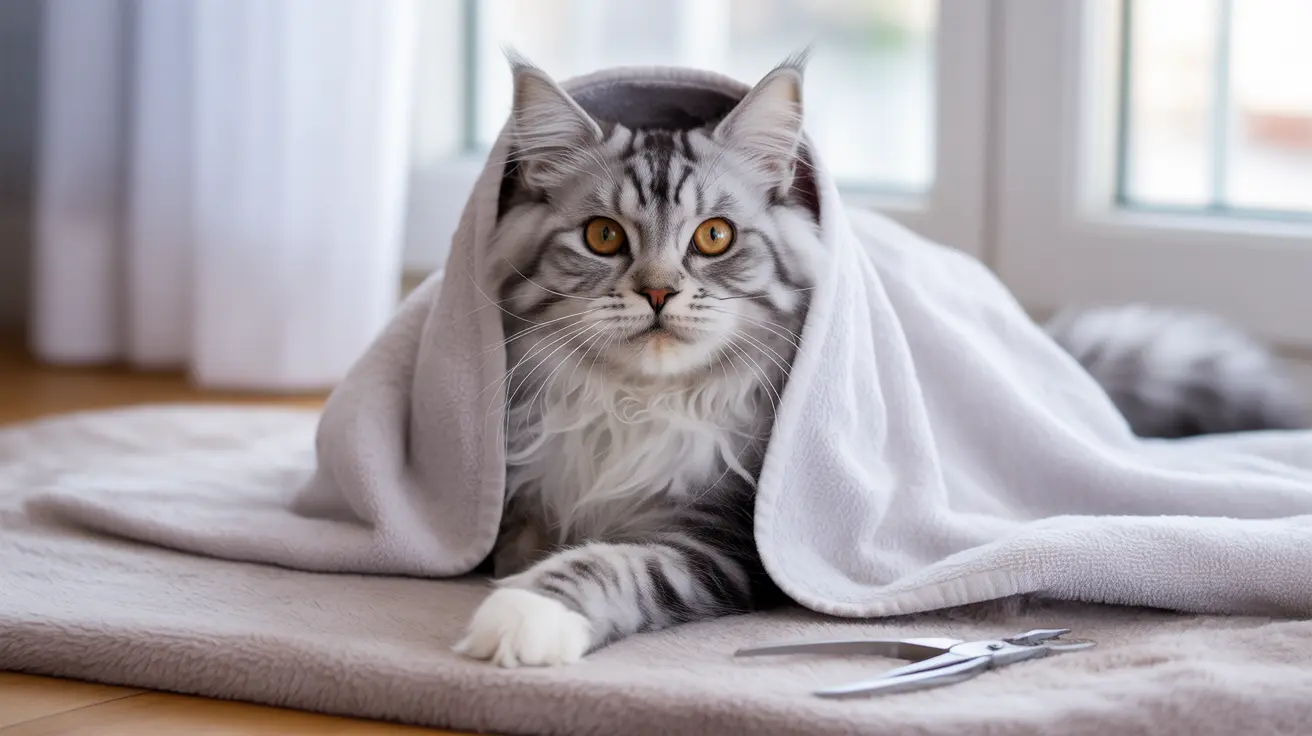
Credit: www.petscare.com
Seek Professional Help
Grooming an angry cat can quickly turn into a stressful experience for both you and your pet. Sometimes, the best choice is to recognize when you need extra support. Seeking professional help ensures your cat stays calm and safe while getting the care they need.
When To Contact A Vet
If your cat shows signs of extreme aggression during grooming, it might be a signal of underlying health issues. Pain or discomfort from skin conditions, dental problems, or arthritis can make grooming unbearable for them.
Watch for sudden changes in behavior, such as growling, hissing, or biting when touched in certain areas. These could mean your cat is hurting and needs a vet’s evaluation before you try grooming again.
Have you noticed your cat avoiding grooming themselves or developing bald patches? These are red flags that a professional check-up is necessary. Vets can offer treatments or pain relief that will make grooming easier and safer.
Professional Grooming Services
Professional groomers have the tools and experience to handle angry cats gently. They know how to calm anxious felines and use techniques that minimize stress.
- Groomers can trim nails safely, reducing the risk of scratches.
- They often use calming sprays or pheromone diffusers to soothe your cat.
- Experienced groomers recognize signs of distress early and pause or adjust their approach accordingly.
Think about whether you’ve ever struggled with grooming your cat and felt at your wit’s end. A professional groomer can save you from injury and make the process less traumatic for your pet.
Would you rather risk a quick visit to a groomer than a long battle at home? Sometimes, handing over the task to an expert is the kindest option for your cat’s well-being.

Credit: www.youtube.com
Frequently Asked Questions
How Can I Calm An Angry Cat Before Grooming?
Use a quiet space and speak softly to soothe your cat. Offer treats and gentle petting to build trust. Avoid sudden movements and give breaks during grooming to keep your cat relaxed.
What Tools Are Best For Grooming An Angry Cat?
Use a soft-bristle brush or a rubber grooming glove. These tools are less likely to irritate your cat’s skin. Avoid noisy or sharp tools to prevent increasing their anxiety.
How Often Should I Groom A Stressed Cat?
Groom your cat regularly but keep sessions short. Frequent, gentle grooming helps your cat get used to the process. Aim for 5-10 minutes, adjusting based on your cat’s comfort level.
What Signs Show My Cat Is Too Stressed During Grooming?
Watch for hissing, growling, swatting, or attempts to escape. Dilated pupils and flattened ears also indicate stress. Stop grooming immediately if these signs appear to prevent injury.
Conclusion
Grooming an angry cat takes time and patience. Stay calm and gentle during each session. Watch your cat’s body language closely. Small steps help build trust over time. Use soft brushes and avoid sudden moves. Praise your cat with quiet words and treats.
Remember, every cat reacts differently. Keep trying, and don’t rush the process. A calm cat makes grooming easier and safer. Your care helps your cat feel loved and secure. Patience pays off with a happier, healthier pet.


Leave a Reply