
Are you ready to welcome a beautiful Persian cat into your home? Choosing to adopt a Persian cat from a breeder is an exciting step, but it comes with important decisions that will shape your experience.
You want a healthy, happy cat that fits well with your lifestyle. This guide will walk you through everything you need to know to find the right breeder and bring your new furry friend home with confidence. Keep reading to discover simple tips that will make adopting your Persian cat smooth and rewarding.
Choosing The Right Breeder
Choosing the right breeder is crucial when adopting a Persian cat. Your decision impacts not only your future pet’s health but also its temperament and overall happiness. Taking the time to find a responsible breeder ensures you bring home a cat that’s well-cared for and raised in a loving environment.
Researching Reputable Breeders
Start by looking for breeders with positive reviews and a solid reputation in the cat community. Check cat breeder directories and local Persian cat clubs to find recommendations. Don’t rely solely on websites—look for proof of their experience and ask for references from previous buyers.
Remember, a reputable breeder will be transparent about their breeding practices and willing to share health records. If you find breeders who avoid questions or seem secretive, it’s a red flag. How much effort are you willing to invest in ensuring your Persian cat’s well-being?
Questions To Ask Breeders
When you contact a breeder, prepare a list of questions to get a clear picture of their operation. Ask about the health screenings performed on the parent cats, including tests for common Persian genetic conditions like polycystic kidney disease (PKD).
Inquire about the cat’s socialization—how are the kittens introduced to people and other pets? Also, ask about their vaccination schedule and what kind of diet the kittens receive. These details reveal how well the breeder cares for their cats beyond just breeding.
Visiting The Breeder’s Facility
Never commit to adopting without visiting the breeder’s facility in person. This visit lets you observe the living conditions and the cleanliness of the environment. Are the cats active and friendly, or do they seem stressed and withdrawn?
Pay attention to how the breeder interacts with the cats; a good breeder handles their animals gently and patiently. Seeing the facility firsthand gives you confidence that your new Persian cat is coming from a safe and nurturing home. What impressions do you get—does the breeder’s passion for cats shine through?

Credit: www.reddit.com
Preparing For Your Persian Cat
Bringing a Persian cat into your home is exciting, but it requires thoughtful preparation to ensure your new feline friend feels comfortable and cared for from day one. Persian cats have unique traits and needs that differ from other breeds. Preparing properly helps you build a strong, trusting bond while keeping your cat happy and healthy.
Essential Supplies
Before your Persian arrives, gather supplies that match their specific needs. Start with a high-quality cat litter and a litter box with low sides for easy access. You’ll also need grooming tools like a wide-tooth comb and a soft brush to manage their long fur and prevent mats.
Don’t forget a cozy bed where your cat can rest undisturbed. Food and water bowls should be sturdy and easy to clean. Choose a premium cat food formulated for Persian cats, which supports their coat and overall health.
Setting Up A Safe Space
Create a calm and secure area where your Persian can adjust without stress. This space should be quiet, away from loud noises and busy household traffic. Add familiar items like a blanket or a toy with your scent to help soothe your cat.
Think about potential hazards. Persian cats have flat faces, so avoid small spaces where they might get stuck or furniture that could trap them. A safe space lets your cat explore at their own pace and feel protected.
Understanding Persian Cat Needs
Persian cats require daily grooming due to their thick, long coats. Without regular brushing, their fur can tangle easily, leading to discomfort and skin problems. You’ll want to set aside time each day for grooming—this also strengthens your connection.
Health-wise, Persians are prone to certain issues like breathing difficulties and eye discharge because of their facial structure. Regular vet check-ups and gentle cleaning around their eyes are essential. Have you thought about how you’ll adjust your routine to meet these needs?
Knowing these details helps you anticipate challenges and enjoy the rewarding experience of caring for a Persian cat.
Adoption Process Steps
Choosing a reputable breeder ensures a healthy Persian cat. Visit the breeder, ask questions, and meet the kittens. Complete the application and prepare your home for the new pet.
Adopting a Persian cat from a breeder involves several important steps that ensure you find the perfect feline companion while supporting ethical breeding practices. This process might seem daunting at first, but breaking it down into manageable parts can make it a rewarding journey. Understanding each step can help you make informed decisions and prepare for a lifelong friendship with your new pet.Application And Screening
The first step is the application process. Breeders often require potential adopters to fill out an application form to better understand your living situation and experience with cats. This helps ensure that the kittens go to a suitable home. Screening might involve a brief interview or a questionnaire about your lifestyle. Breeders aim to match kittens with homes that align with their needs and personalities. Be honest and detailed in your responses to increase your chances of approval.Meeting The Kittens
Once your application is approved, you’ll have the opportunity to meet the kittens. This is an exciting moment where you can observe their behavior and interactions. Take your time to notice which kitten’s personality aligns with yours. Ask the breeder questions about each kitten’s temperament and health. This not only shows your commitment but also helps you make an informed choice. Remember, this is a chance to see how you and the kitten connect on a personal level.Finalizing The Adoption
After choosing your kitten, it’s time to finalize the adoption. This step typically involves signing a contract and discussing any adoption fees. Be sure to read the contract carefully and clarify any terms you don’t understand. The breeder may provide you with essential documents, such as vaccination records and care instructions. This is also a good time to ask about any post-adoption support they offer. Consider how you’ll prepare your home for your new furry friend—do you have all the supplies ready? Adopting a Persian cat from a breeder is not just about acquiring a pet; it’s about building a relationship based on trust and care. Are you ready to welcome a new family member into your life?
Credit: www.kittensup4sale.com
Health And Care Tips
Taking care of your new Persian cat means understanding their unique health needs and daily care routines. Persians have distinct characteristics that require special attention to keep them happy and healthy. Paying close attention to vaccinations, grooming, and nutrition helps you build a strong bond and ensures your cat thrives in your home.
Vaccinations And Vet Visits
Regular vet visits are crucial to catch health issues early. Persian cats can be prone to respiratory problems and genetic conditions, so keeping up with vaccinations protects them from common diseases.
Schedule your first vet appointment soon after bringing your Persian home. Ask about vaccines like feline distemper, rabies, and feline leukemia. Your vet can also guide you on flea control and worm prevention.
Do you know the signs of illness in your Persian? Watch for sneezing, lethargy, or changes in appetite and contact your vet promptly.
Grooming Essentials
Persian cats have thick, long fur that needs daily brushing to prevent mats and tangles. Using a wide-toothed comb and a soft brush makes grooming easier and more comfortable for your cat.
Bathing your Persian once a month helps keep their coat clean and reduces shedding. Remember to use cat-specific shampoo and dry them thoroughly afterward to avoid skin issues.
- Trim nails every two weeks to keep them manageable.
- Clean eyes daily to prevent tear stains, a common issue in Persians.
- Check ears weekly for dirt or signs of infection.
Diet And Nutrition
Your Persian’s diet plays a big role in their overall health. Choose high-quality cat food rich in protein to support their energy levels and muscle tone.
Because Persians can be prone to obesity, measure their food portions and avoid free feeding. Feeding smaller meals throughout the day can keep their metabolism steady.
Adding wet food to their diet helps with hydration, especially since Persians are not always enthusiastic water drinkers. Have you noticed your cat’s water intake? Encouraging hydration is key to preventing urinary problems.
Adjusting To Your New Cat
Bringing a Persian cat home from a breeder is an exciting moment, but the real work begins as you help your new feline friend adjust to their new surroundings. This transition period is crucial for building trust and ensuring your cat feels safe and comfortable. How you handle these first days can shape your relationship for years to come.
Helping Your Cat Settle In
Create a quiet, cozy space for your Persian cat to retreat to when they feel overwhelmed. This could be a small room or a corner with their bed, litter box, and food. Limiting their access to the rest of the house at first helps them feel less anxious.
Keep the environment calm and avoid loud noises or sudden movements. Spend time sitting near them, speaking softly, and letting them approach you on their own terms. Patience here is key — your cat needs time to understand this new place is safe.
Socializing And Play
Playtime is more than just fun; it’s a way to build trust and help your Persian cat burn off nervous energy. Use gentle toys like feather wands or soft balls to engage them without overwhelming their senses.
Observe their preferences—some cats enjoy interactive play, while others may prefer solo toys. Regular play sessions also help your cat get used to your presence and voice, strengthening your bond.
Recognizing Behavioral Cues
Pay close attention to your cat’s body language and vocalizations to understand how they’re feeling. Dilated pupils, flattened ears, or a twitching tail might indicate stress or discomfort.
Respond accordingly by giving them space or soothing them with calm words. Have you noticed how your cat signals when they want attention versus when they need alone time? Learning these cues early helps you meet their needs effectively.
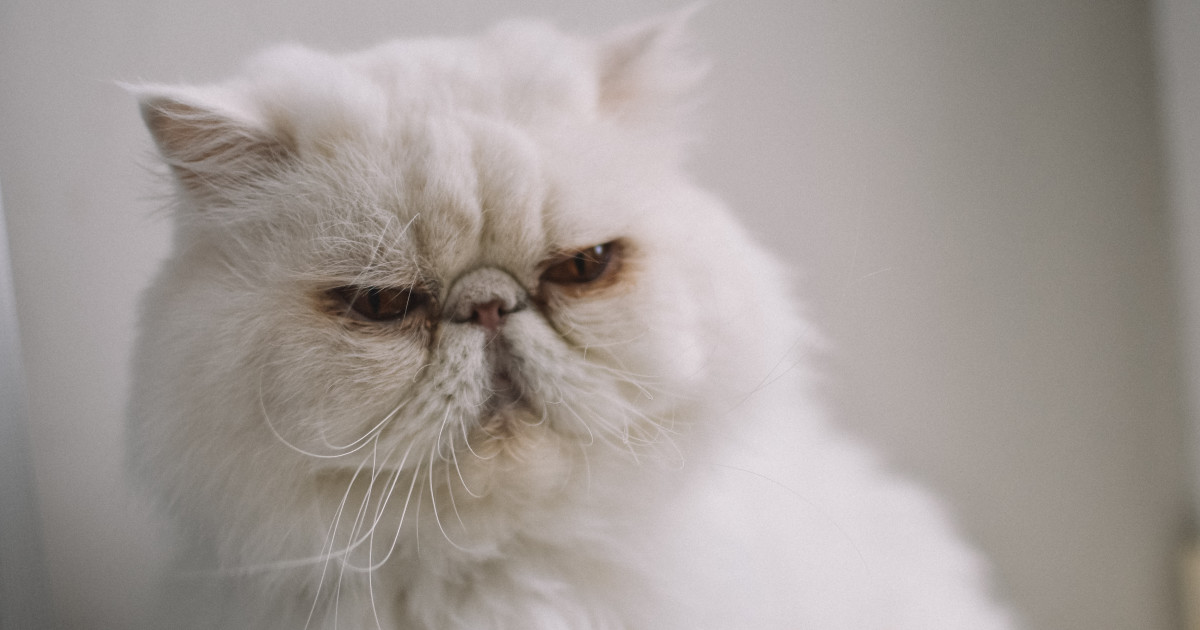
Credit: pethelpful.com
Common Challenges And Solutions
Adopting a Persian cat from a breeder brings joy and warmth to your home. Persian cats have unique traits that require special care. Some challenges may arise, but simple solutions keep your pet healthy and happy. Understanding these common issues helps you enjoy a great relationship with your Persian cat.
Dealing With Shedding
Persian cats have long, thick fur that sheds often. Shedding can cause mess and discomfort if not managed well.
- Brush your cat daily to remove loose hair.
- Use a quality comb designed for long fur.
- Regular grooming reduces hairballs and mats.
- Vacuum your home frequently to control fur buildup.
- Keep your cat’s diet rich in omega fatty acids for healthier skin.
Managing Health Issues
Persian cats can face specific health concerns. Early care and attention prevent serious problems.
- Schedule regular vet check-ups for early detection.
- Watch for breathing problems caused by their flat faces.
- Clean their eyes gently to avoid tear stains.
- Monitor for skin infections or allergies.
- Maintain dental hygiene with regular teeth cleaning.
Keeping Your Cat Happy Indoors
Persian cats prefer indoor living. Create a stimulating environment to keep them active and content.
- Provide scratching posts and climbing areas.
- Offer interactive toys to encourage play.
- Set cozy resting spots with soft bedding.
- Spend quality time petting and bonding daily.
- Rotate toys to keep their interest fresh.
Frequently Asked Questions
What Should I Check Before Adopting A Persian Cat From A Breeder?
Check the breeder’s reputation, health guarantees, and living conditions. Ensure the cat is vaccinated and well-socialized. Ask for health records and pedigree certificates to confirm authenticity and avoid future health issues.
How Do I Find A Reputable Persian Cat Breeder?
Search for breeders with positive reviews and memberships in cat breeding associations. Visit their facilities to verify cleanliness and care standards. Avoid breeders who cannot provide health documentation or refuse visits.
What Questions Should I Ask A Persian Cat Breeder?
Ask about the cat’s health history, vaccinations, and temperament. Inquire about the parents’ health and genetic testing. Also, ask about return policies and post-adoption support.
How Much Does Adopting A Persian Cat From A Breeder Cost?
Prices vary but typically range from $500 to $5,000. Factors include lineage, breeder reputation, and the cat’s age. Expect higher prices for show-quality or rare coat colors.
Conclusion
Adopting a Persian cat from a breeder takes care and patience. Choose a trusted breeder who cares for their cats well. Ask questions about the cat’s health and background. Prepare your home to welcome your new pet safely. Give your Persian cat love and gentle care every day.
Enjoy the calm and beauty that this special cat brings. A happy cat makes a happy home. Your new friend will bring joy for many years.


Leave a Reply