Grooming your short-haired cat might seem simple, but there’s more to it than just a quick brush. You want your furry friend to look and feel their best, and a good grooming routine can make a big difference.
If you’re wondering how to keep your cat’s coat shiny, reduce shedding, and prevent hairballs, you’re in the right place. This guide will show you easy, effective steps that fit into your busy life and keep your cat happy. Ready to become your cat’s favorite groomer?
Let’s dive in.

Credit: vocal.media
Benefits Of Grooming Short Haired Cats
Grooming your short haired cat offers more than just a chance to keep them looking neat. It plays a key role in their health and happiness. Regular grooming helps you spot any skin issues early and builds a stronger bond between you and your pet.
Improves Coat Health And Reduces Shedding
Brushing your short haired cat removes loose fur and dead skin cells. This prevents hairballs and keeps your home cleaner. You might notice your cat’s coat becoming shinier and softer with consistent grooming.
Detects Skin Problems Early
While grooming, you get a close look at your cat’s skin. You can catch signs of irritation, parasites, or infections before they become serious. Early detection means you can act quickly and keep your cat comfortable.
Strengthens Your Bond With Your Cat
Grooming sessions create quiet, positive time together. Your cat learns to trust you more, making future care easier. Have you noticed how your cat relaxes during gentle brushing? That calm connection is valuable for both of you.
Supports Overall Health
Grooming isn’t just about looks—it helps with circulation and reduces stress. It also encourages your cat to stay active and engaged. Can you think of a better way to combine care and comfort in your daily routine?
Choosing The Right Grooming Tools
Choosing the right grooming tools is key to making your short-haired cat’s grooming routine effective and stress-free. The right tools help remove loose fur, reduce shedding, and keep your cat comfortable throughout the process. You don’t need a drawer full of gadgets—just a few well-chosen items can make a big difference.
Brush Types For Short Hair
Short-haired cats benefit most from brushes that gently remove loose fur without irritating their skin. A slicker brush with fine, short wires works well to lift dead hair and dirt without pulling. Many cat owners find that rubber brushes also do a great job, especially if your cat enjoys a massage-like sensation during grooming.
Think about how your cat reacts to different textures. Does your cat prefer a soft touch or a firmer stroke? Trying out a couple of brush types can help you find the best fit. Keep in mind that regular brushing, even just a few minutes a week, helps prevent hairballs and keeps your cat’s coat shiny.
Additional Grooming Supplies
Besides brushes, a few additional supplies can make grooming easier and more thorough. A fine-toothed comb is great for catching stubborn loose hairs and checking for fleas. Nail clippers designed for cats are essential if you want to keep their claws in check without a trip to the vet or groomer.
Don’t forget grooming wipes or pet-safe cleaning sprays for quick touch-ups between brushings. They help remove dirt and reduce odors without the need for a full bath. What small tools could you add to your grooming kit to make your sessions smoother and more enjoyable for your cat?
Step-by-step Grooming Routine
Grooming a short-haired cat is simple but requires regular care. A steady routine keeps your cat healthy and happy. This routine focuses on gentle handling and quick checks. It helps prevent problems like hairballs and skin issues. Follow these clear steps to maintain your cat’s coat and overall hygiene.
Brushing Techniques
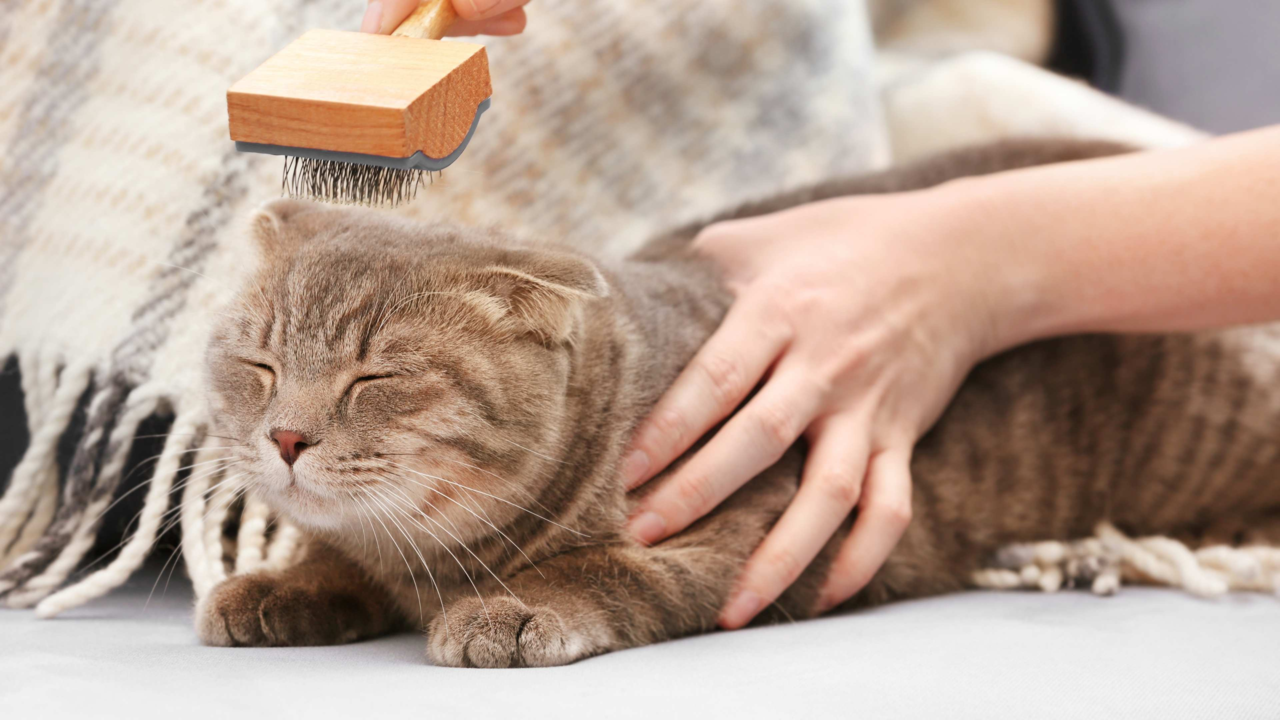
Use a soft-bristle brush or rubber grooming mitt. Brush your cat’s fur in the direction it grows. This removes loose hair and dirt gently. Short sessions, about 5 minutes, work best. Pay attention to the neck, back, and tail areas. Avoid harsh strokes to keep your cat calm. Regular brushing reduces shedding and strengthens your bond.
Bathing Tips
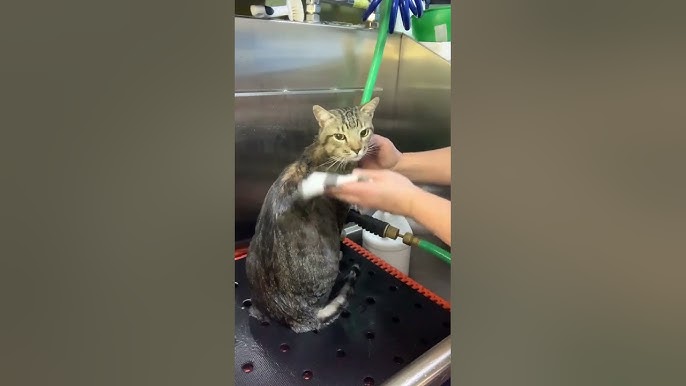
Bathing is rarely needed for short-haired cats. Use warm water and mild cat shampoo only when necessary. Wet your cat slowly and avoid the face. Lather gently and rinse thoroughly. Dry your cat with a soft towel in a warm room. Keep the experience calm and quiet to reduce stress. Bathing too often can dry out the skin.
Ear And Eye Care
Check your cat’s ears weekly for dirt or wax. Use a damp cotton ball to clean the outer ear. Avoid inserting anything deep into the ear canal. For the eyes, wipe away discharge with a soft, damp cloth. Use a new cloth for each eye to prevent infection. Keep these areas clean to avoid irritation or infections.
Managing Shedding And Hairballs
Managing shedding and hairballs is important for your short-haired cat’s health. Regular care keeps your cat comfortable and your home cleaner. Cats shed hair naturally, but grooming reduces loose fur. Hairballs form when cats swallow fur while grooming themselves. Controlling shedding helps lower hairball problems.
Regular Brushing To Reduce Shedding
Brush your cat gently with a soft brush. Brushing removes loose hair before it falls off. This helps keep your cat’s coat shiny and healthy. Brushing also improves blood flow to the skin. Try to brush your cat at least twice a week.
Choose The Right Brush
Use a brush made for short-haired cats. A rubber brush or soft bristle brush works best. These brushes catch loose fur without hurting the skin. Avoid stiff brushes that may irritate your cat.
Healthy Diet For Strong Fur
Feed your cat a balanced diet with omega fatty acids. Good nutrition helps reduce shedding and improves coat health. Talk to your vet about the best food for your cat’s needs.
Hydration Helps Prevent Hairballs
Keep fresh water available at all times. Water helps your cat digest fur and avoid hairball blockages. Wet cat food can also increase hydration.
Use Hairball Control Products
Hairball gels or treats can help move fur through your cat’s system. Use these products as directed by your vet. They are safe and help reduce hairball formation.
Keep Your Home Clean
Vacuum and clean surfaces often to remove cat hair. This lowers the amount of loose fur your cat can swallow. Clean bedding and furniture regularly.
Signs Of Skin Issues To Watch For
Keep an eye on your short-haired cat’s skin for signs of redness or excessive scratching. Watch for patches of hair loss or changes in skin texture. Regular grooming helps spot these issues early.
Grooming your short-haired cat isn’t just about keeping their coat shiny and smooth. It’s also a vital opportunity to check for any skin issues that might need attention. As you run your hands through their fur, you have the perfect chance to notice any unusual signs that could indicate health concerns.Redness And Irritation
Keep an eye out for any redness or irritation on your cat’s skin. This could be a sign of allergies or an underlying infection. If you notice these signs, consider whether you’ve changed their food or any products they come into contact with.Flaky Or Scaly Skin
Flaky or scaly skin often points to dry skin or dandruff. This might occur more often in dry climates or during colder months. Ensure your cat is hydrated, and consider using a humidifier at home if dryness persists.Excessive Scratching Or Licking
Is your cat scratching or licking more than usual? This could be a clue that they’re feeling itchy or uncomfortable. Watch their behavior closely—persistent scratching can lead to more significant skin damage.Bumps Or Lumps
Small bumps or lumps on your cat’s skin can sometimes be benign, but they can also indicate cysts or other conditions. Feel their skin gently while grooming to detect any unusual textures. If you find something, consult your vet for a thorough check-up.Hair Loss
Patchy hair loss might be more than just shedding. It could signify stress, hormonal imbalances, or skin infections. Observe if hair loss is accompanied by other symptoms, like redness or swelling. Monitoring these signs not only helps in catching potential issues early but also strengthens your bond with your furry friend. After all, wouldn’t you want the best for your beloved pet?Creating A Stress-free Grooming Experience
Creating a stress-free grooming experience is key to keeping your short-haired cat happy and healthy. Cats can be sensitive to touch and new routines, so making grooming a calm and positive time helps build trust. Your goal is to turn grooming from a chore into a bonding moment.
Preparing Your Cat
Start by choosing a quiet, comfortable spot where your cat feels safe. Avoid busy or noisy areas that might make your cat anxious.
Before you begin, let your cat sniff and explore the grooming tools. This reduces fear of unfamiliar objects and helps your cat get used to their presence.
Watch your cat’s body language closely. If they seem tense or restless, pause and try again later. It’s better to keep sessions short and positive than to push your cat too far.
Using Positive Reinforcement
Reward your cat with treats or gentle praise during and after grooming to create a positive association.
- Offer small treats before you start, then again during breaks.
- Use a calm, soothing voice to reassure your cat throughout.
- Pet and stroke your cat gently to comfort them after grooming.
Have you noticed how your cat responds when you reward good behavior? Using positive reinforcement consistently encourages cooperation and reduces stress.
When To Seek Professional Grooming Help
Knowing when to ask for professional grooming help can make a big difference in your short-haired cat’s comfort and health. While short-haired cats usually need less maintenance, there are moments when expert care is the best choice. Recognizing these signs early saves you stress and keeps your feline friend happy.
Signs Your Cat Needs Professional Grooming
If your cat suddenly starts shedding excessively or develops mats, it might be time to call a groomer. You might notice your cat scratching more than usual, or their coat looks dull and unkempt despite regular brushing. These can be signs of skin issues or hidden mats that need a professional touch.
Health Conditions Affecting Grooming
Cats with arthritis or other mobility problems often struggle with self-grooming. You might see patches of fur missing or dirt build-up in places your cat can’t reach. Professionals have the tools and experience to handle these cases safely without stressing your pet.
When Your Cat Becomes Difficult To Groom
Some cats become anxious or aggressive during grooming, making it hard for you to keep up with their needs. If brushing leads to biting or scratching, or your cat hides whenever you try to groom, a groomer can manage the process calmly and safely. They use techniques and equipment that reduce stress for both you and your cat.
Special Grooming Needs Before Events Or Vet Visits
Planning a family gathering or a vet appointment? A professional grooming session can help your cat look and feel their best. Groomers can trim nails, clean ears, and remove loose hair quickly, making your cat more comfortable and easier to handle during visits.
Credit: pethelpful.com
Credit: petdirect.co.nz
Frequently Asked Questions
How Often Should I Groom My Short-haired Cat?
Groom your short-haired cat once a week to remove loose hair. Regular grooming reduces shedding and prevents hairballs. It also helps maintain healthy skin and coat. Frequent brushing strengthens your bond with your cat.
What Grooming Tools Are Best For Short-haired Cats?
Use a soft-bristle brush or rubber grooming mitt for short-haired cats. These tools effectively remove loose fur without irritating the skin. They are gentle, easy to use, and help distribute natural oils for a shiny coat.
Can Grooming Prevent Hairballs In Short-haired Cats?
Yes, regular grooming reduces hairballs by removing loose fur. Brushing short-haired cats minimizes fur ingestion during self-grooming. This helps prevent digestive issues and keeps your cat comfortable.
Is Bathing Necessary For Short-haired Cats?
Bathing short-haired cats is rarely needed unless they get dirty. Most cats groom themselves effectively. Use cat-safe shampoo and warm water only when absolutely necessary to avoid skin dryness.
Conclusion
Grooming a short-haired cat keeps them healthy and happy. Regular brushing removes loose fur and reduces shedding. It also helps spot skin problems early. Use gentle strokes to keep your cat calm. Make grooming a fun and calm time together.
This simple care strengthens your bond with your pet. A little effort goes a long way in cat care. Keep your cat comfortable and well-groomed every day. Small steps make a big difference for your cat’s health.




Leave a Reply