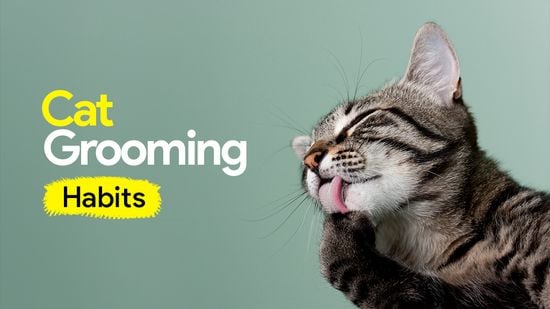
Have you ever watched your cat spend a surprising amount of time licking and cleaning itself? You might wonder, just how many hours a day do cats groom themselves?
Understanding this can help you learn more about your furry friend’s health and habits. You’ll discover why grooming is so important to cats and what their daily routine looks like. Keep reading to uncover fascinating facts that will change the way you see your cat’s self-care.
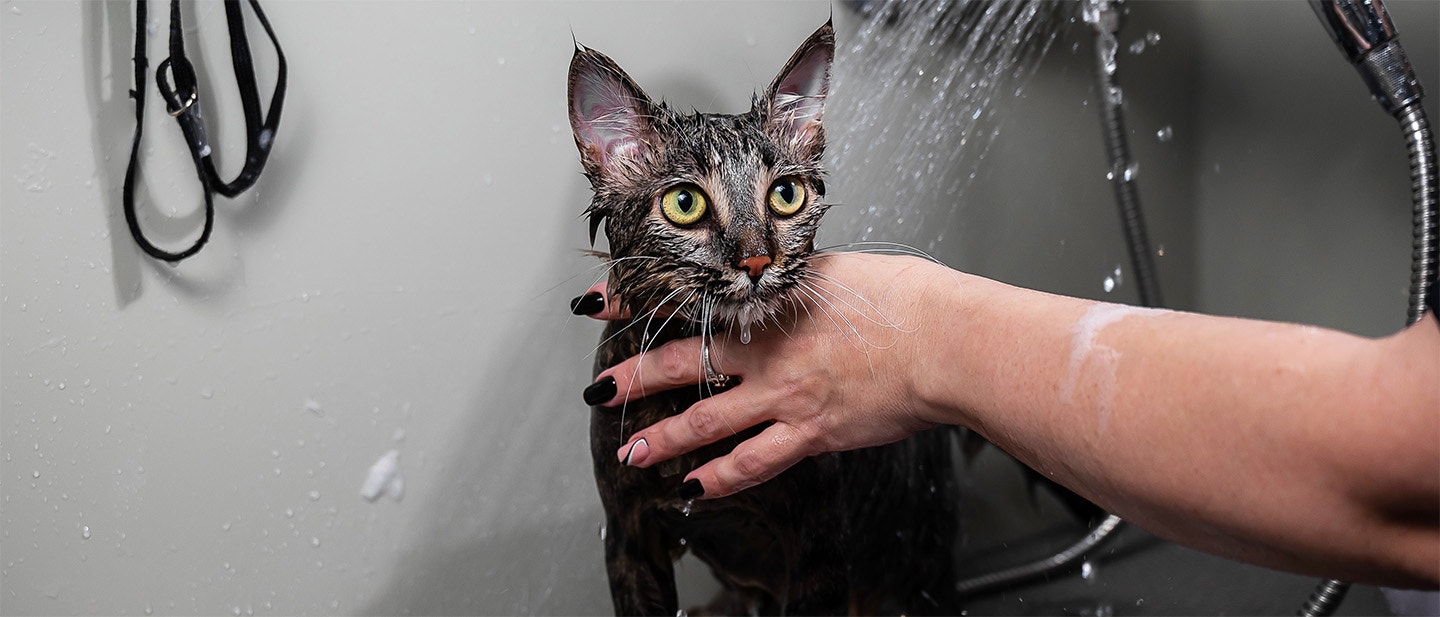
Credit: www.perfect-fit.co.uk
Daily Grooming Time
Cats are known for their cleanliness. Grooming is a daily activity that keeps them healthy and comfortable. It helps remove dirt and loose fur. Grooming also spreads natural oils for a shiny coat. Understanding how much time cats spend grooming reveals their care habits.
Average Hours Cats Spend Grooming
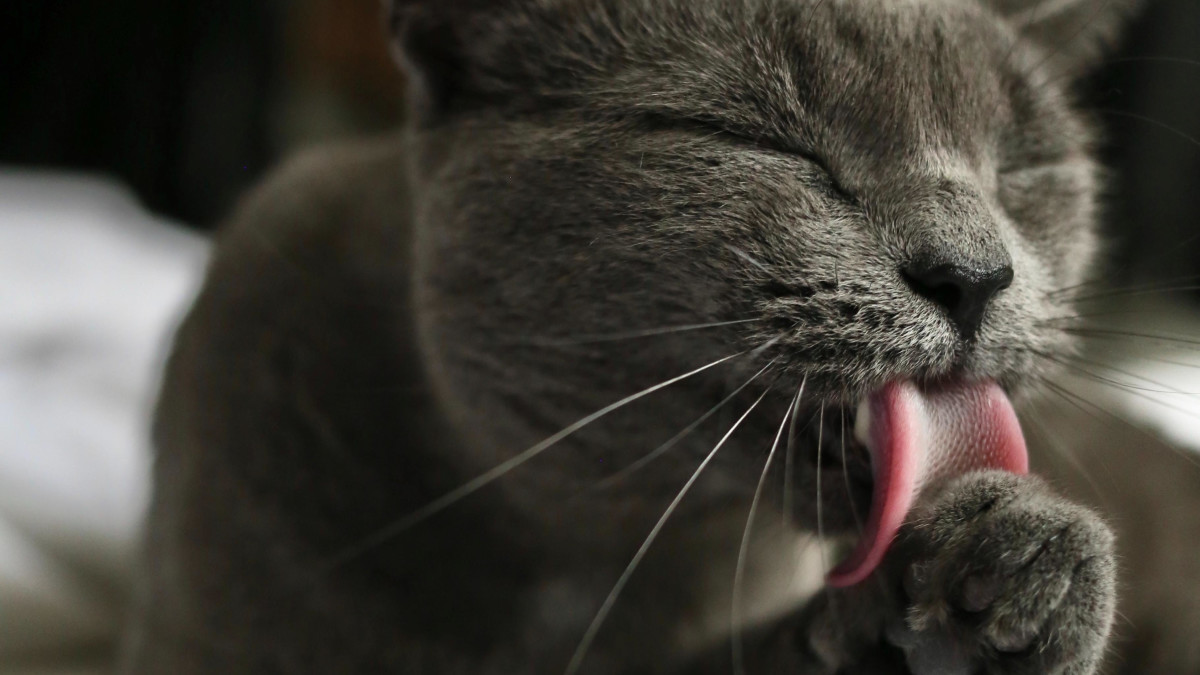
Cats spend about 30 to 50 minutes grooming daily. This time includes licking their fur, cleaning their paws, and rubbing their face. Some cats may groom more if they feel stressed or anxious. Grooming is not just about cleanliness; it also calms them. It is a natural behavior that helps maintain their skin and fur.
Variations By Age And Breed
Kittens tend to groom less because they are still learning. Older cats often groom more carefully but may spend less time due to mobility issues. Long-haired breeds, like Persians, need more grooming time. Short-haired cats usually spend less time grooming themselves. Breed and age can change how much time a cat spends cleaning daily.
Reasons Behind Grooming
Cats spend a good part of their day grooming themselves. This behavior is natural and serves many important purposes. Grooming helps cats stay healthy and comfortable. It is not just about looking good. Each lick and nibble has a reason behind it.
Maintaining Cleanliness
Cats use their tongues to clean dirt and loose fur from their bodies. Grooming removes dust, food crumbs, and parasites like fleas. It keeps their coat shiny and smooth. Clean fur also helps prevent skin infections. This daily routine protects their health and hygiene.
Regulating Body Temperature
Grooming helps cats control their body heat. When cats lick their fur, saliva spreads over their skin. As the saliva evaporates, it cools them down. This process is similar to sweating in humans. Grooming is very important during hot weather to avoid overheating.
Reducing Stress And Anxiety
Grooming has a calming effect on cats. It helps them feel safe and relaxed. Cats often groom themselves after stressful events or when they feel nervous. This behavior releases endorphins, natural chemicals that reduce pain and stress. Grooming acts like a natural mood booster for cats.
Grooming Behavior Patterns
Cats are known for their meticulous grooming habits. Understanding their grooming behavior patterns helps you notice what’s normal and when something might be off with your feline friend. Grooming is not just about cleanliness—it also reflects their mood, health, and environment.
Peak Grooming Times During The Day
Cats usually groom themselves several times throughout the day, but they tend to have specific peak times. Most cats spend a significant amount of time grooming in the early morning and late evening. These times often align with their natural activity cycles, especially since cats are crepuscular—most active at dawn and dusk.
You might notice your cat pausing after waking up or before settling down to sleep, using these moments to clean their fur thoroughly. This pattern helps them stay alert and comfortable during their active hours. Do you see your cat following a similar routine?
Differences Between Indoor And Outdoor Cats
Indoor cats usually groom more frequently because they encounter fewer dirt and parasites than outdoor cats. Their environment is cleaner, so grooming is more about comfort and maintaining their coat’s softness. Outdoor cats, however, often spend extra time cleaning off dirt, leaves, or even pests they pick up while exploring.
Outdoor cats may also groom less if they are stressed or injured, since grooming requires time and safety. If you notice your outdoor cat grooming less, it could signal that something is wrong. How does your cat’s environment affect their grooming habits?

Credit: medium.com
Health Benefits Of Grooming
Grooming is more than just a routine for cats—it plays a vital role in maintaining their health. When you watch your cat spend hours licking and cleaning, you’re seeing a natural behavior that supports their well-being in many ways. Understanding these health benefits can help you appreciate why grooming is so important for your furry friend.
Skin And Coat Health
Regular grooming keeps a cat’s skin and coat in top condition. By removing dirt, loose hair, and dead skin cells, grooming helps prevent matting and skin irritations. You might notice that after a grooming session, your cat’s fur looks shinier and feels softer—this is a clear sign of a healthy coat.
Have you ever wondered why cats are so particular about their fur? Their licking spreads natural oils that hydrate the skin and protect their coat from damage. This natural oil distribution is key to avoiding dryness and flakiness.
Parasite Control
Grooming also acts as a frontline defense against parasites like fleas and ticks. When cats lick themselves, they remove these unwanted guests before they can cause serious problems. This self-cleaning reduces the risk of infestations that can lead to itching, infections, or even diseases.
If you’ve ever found fleas on your cat, you know how quickly they can spread. Encouraging your cat to groom regularly can help keep these pests under control. Plus, you’ll be able to spot any unusual bumps or signs of parasites early on.
Wound Healing
When cats groom injured areas, they promote faster healing. Their saliva contains enzymes that help clean wounds and reduce infection risks. This natural first aid can make a big difference in how quickly your cat recovers from minor cuts or scratches.
Next time your cat is licking a small scrape, remember that this behavior isn’t just comforting—it’s a crucial part of their healing process. Keeping an eye on these wounds while they groom can help you decide if veterinary care is needed.
When Grooming Becomes Excessive
Cats spend a lot of time grooming, often up to five hours daily. This behavior keeps their fur clean and free from parasites. Yet, excessive grooming can signal stress or health issues.
Cats are known for their meticulous grooming habits, often spending several hours a day keeping their fur sleek and clean. But what happens when grooming becomes excessive? It’s essential to understand the difference between normal grooming behavior and overgrooming, which can be a sign of underlying issues. Let’s delve into the factors that might cause your feline friend to groom more than usual.Signs Of Overgrooming
Excessive grooming can lead to noticeable physical signs. You might observe bald patches or irritated skin, particularly in areas like the belly, legs, or sides. Your cat may also develop sores or scabs due to continuous licking. Behavioral changes are another indicator. If your cat seems fixated on grooming and less interested in other activities, it might be time to investigate. Have you noticed your cat grooming at unusual times, like during play or feeding?Possible Medical Causes
There are several medical reasons why a cat might overgroom. Allergies, either to food or environmental factors like pollen, can cause skin irritation, prompting your cat to lick excessively. Have you recently changed your cat’s diet or introduced a new cleaning product in your home? Parasites such as fleas or mites can also be culprits, causing discomfort that leads to overgrooming. A vet visit can help rule out these issues and provide peace of mind.Behavioral Triggers
Stress and anxiety often manifest through overgrooming. Changes in your household, like a new pet or moving to a new home, can be unsettling for cats. Is there something in your cat’s environment that might be causing stress? Boredom is another factor. Cats need mental and physical stimulation. If they’re not getting enough playtime or environmental enrichment, they might turn to grooming as a way to occupy themselves. Consider adding more interactive toys or climbing spaces to keep your cat engaged. Understanding the reasons behind excessive grooming can help you take the right steps to ensure your cat’s well-being. Remember, a happy and healthy cat is less likely to overgroom.Helping Cats With Grooming
Cats spend a good part of their day grooming themselves. This keeps their fur clean and healthy. Some cats may need extra help from their owners. Helping cats with grooming is important for their comfort. It also prevents problems like mats and skin issues.
Regular Brushing Tips
Brushing your cat often helps remove loose fur. It also reduces hairballs and shedding. Use a brush made for your cat’s fur type. Brush gently to avoid hurting your cat’s skin. Try to brush at the same time each day. Make it a calm and quiet moment. Praise your cat to make brushing pleasant.
Dealing With Matted Fur
Matted fur can cause pain and skin problems. Check your cat’s fur regularly for mats. Use a dematting comb or scissors carefully. If mats are tight or close to the skin, do not pull. Mats near the skin may need professional removal. Keep mats from forming by brushing often. Short-haired cats can get mats too.
When To Consult A Vet
Consult a vet if your cat grooms too much or too little. Excessive grooming may mean skin irritation or stress. Poor grooming can indicate illness or dental problems. Look for bald spots, redness, or swelling. A vet can find hidden health issues. Regular vet visits help keep grooming problems away.
Surprising Grooming Facts
Cats spend a large part of their day grooming themselves. This behavior is more than just keeping clean. It plays a vital role in their health and social life. Some grooming facts might surprise you.
Cats Groom To Bond
Cats groom each other to build trust and friendship. This act is called allogrooming. It helps them feel safe and connected. Mother cats groom their kittens to keep them clean and calm. Adult cats use grooming to show they accept each other.
Grooming And Communication
Grooming sends messages between cats. A cat licking another shows care or submission. Grooming can also calm nervous cats. Sometimes, cats groom themselves more when stressed. It is a way to feel secure and relaxed.
Unique Grooming Styles
Each cat has its grooming routine. Some cats lick their fur gently, while others are more vigorous. Long-haired cats spend more time grooming. Short-haired cats may groom less often but still stay clean. Cats also use their teeth and paws to clean hard-to-reach spots.
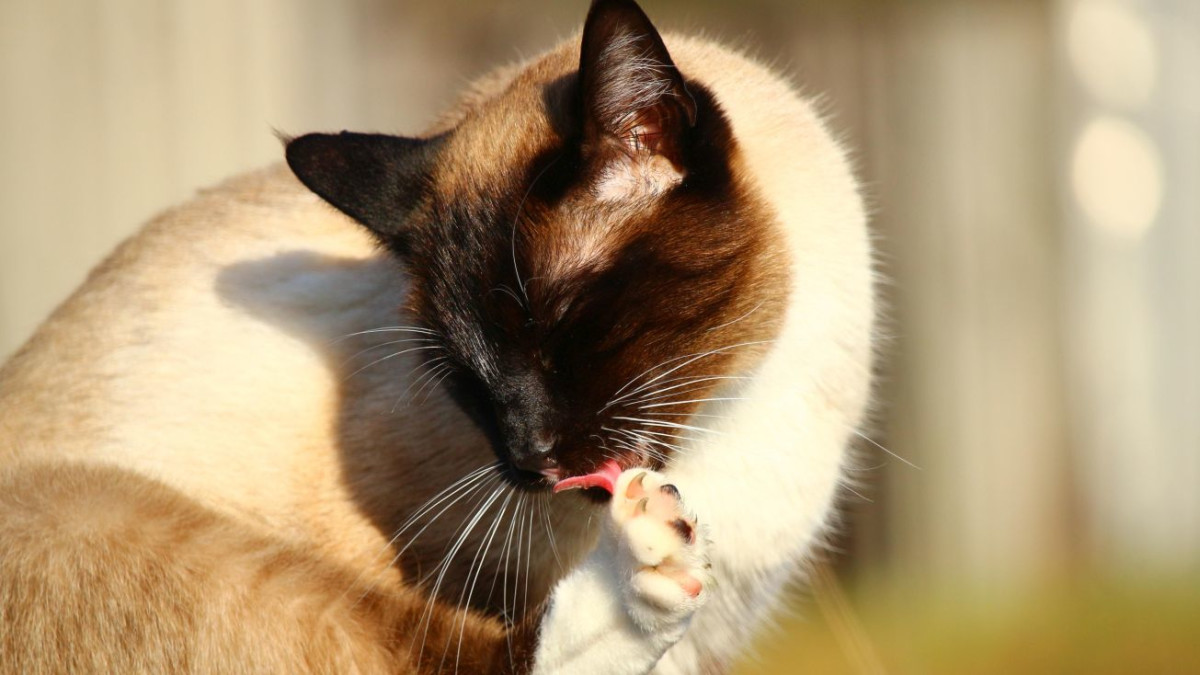
Credit: pethelpful.com
Frequently Asked Questions
How Many Hours Do Cats Groom Themselves Daily?
Cats typically groom themselves for about 2 to 4 hours each day. This behavior helps keep their fur clean, controls body temperature, and reduces stress. Grooming is a natural and essential part of a cat’s daily routine to maintain overall health and hygiene.
Why Do Cats Spend So Much Time Grooming?
Cats groom to remove dirt, loose fur, and parasites from their coats. Grooming also helps regulate body temperature and promotes blood circulation. Additionally, it serves as a calming activity that reduces anxiety and strengthens their bond when grooming other cats.
Does Grooming Time Vary By Cat Breed?
Yes, grooming time can vary among cat breeds. Long-haired breeds, like Persians, may groom more to manage their thick coats. Short-haired cats generally spend less time grooming. Individual personality and health also influence how much time a cat spends grooming daily.
Can Excessive Grooming Indicate Health Problems?
Excessive grooming may signal stress, allergies, or skin infections. It can cause hair loss or skin irritation if unchecked. If a cat grooms more than 4 hours daily or shows bald patches, a vet visit is recommended to rule out underlying issues.
Conclusion
Cats spend about one to two hours daily grooming themselves. This habit keeps their fur clean and healthy. Grooming also helps cats stay calm and relaxed. Each cat may groom a bit differently based on age and health. Watching a cat groom shows how important this behavior is.
Understanding this can help pet owners care for their cats better. A clean cat is often a happy cat. Keep an eye on grooming habits to spot any health issues early. Simple but important.

Leave a Reply