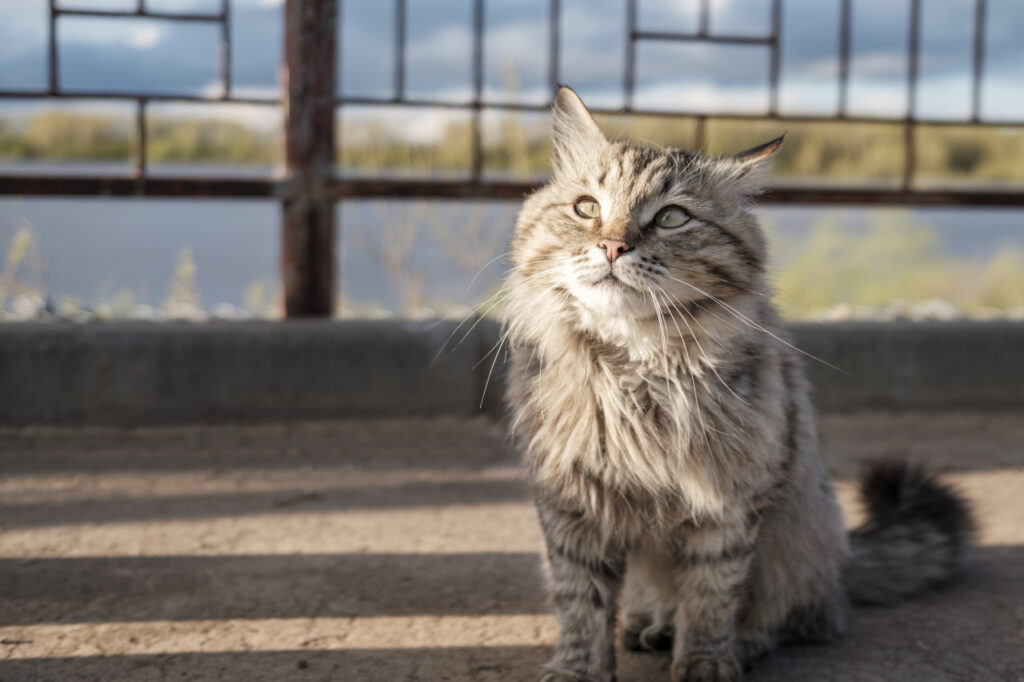
Caring for a senior cat means giving them extra love and attention, especially when it comes to grooming. As your cat gets older, their needs change, and grooming becomes more important for their comfort and health.
You might notice they don’t clean themselves as well as before, or their fur gets tangled easily. If you want to keep your furry friend happy and healthy, learning how to groom a senior cat the right way is key.
You’ll discover simple, effective tips that make grooming easier for both you and your cat. Ready to help your senior cat look and feel their best? Let’s dive in!
Importance Of Grooming Senior Cats
Grooming a senior cat is vital for their health and happiness. Older cats often cannot clean themselves well. Their fur may become matted and dirty without regular care. Grooming helps remove loose hair, dirt, and prevents skin problems. It also keeps their coat shiny and soft.
Regular grooming lets you check for lumps, bumps, or injuries. Detecting issues early can lead to faster treatment. Grooming time is a chance to bond and reduce your cat’s stress. It also helps them feel comfortable and loved during their senior years.
Maintains Healthy Skin And Coat
Senior cats have thinner, more fragile skin. Grooming removes dead hair and dirt that can irritate skin. It improves blood flow and spreads natural oils. This keeps the coat smooth and prevents dryness or flakiness.
Prevents Hairballs And Matting
Older cats swallow more fur during self-grooming. Loose hair can build up in their stomach as hairballs. Brushing regularly reduces shedding and hairball risks. It also stops painful mats that can pull on the skin.
Monitors Health Changes
Grooming helps spot signs of illness early. Check for lumps, bumps, or wounds. Look for changes in fur or skin color. Early detection means better care and comfort for your cat.
Reduces Stress And Builds Trust
Gentle grooming calms senior cats. It creates a safe, loving environment. This time together strengthens your bond. Cats feel more secure and cared for during grooming sessions.
Changes In Senior Cat Coat And Skin
As cats age, their coat and skin undergo noticeable changes that can affect their grooming needs. You might see your senior cat’s fur thinning or becoming duller. Their skin may also become more fragile and prone to dryness.
Understanding these changes helps you adjust your grooming routine to keep your cat comfortable and healthy. Have you noticed your cat scratching more or shedding unevenly? These signs often point to changes in their coat and skin that need attention.
Thinning And Dulling Fur
Senior cats often develop thinner fur due to slower hair growth and reduced oil production. Their once shiny coat may appear lackluster or patchy. This can make grooming more challenging because the fur is less protective and more prone to tangles.
Regular brushing with a soft-bristle brush can help remove loose hairs and stimulate oil glands. But be gentle—you don’t want to irritate sensitive skin. Pay close attention to areas where the fur looks sparse, like the back or tail.
Dry And Sensitive Skin
Older cats can have drier skin that itches or flakes. This dryness happens because their skin produces less natural oil as they age. It might lead to redness, irritation, or even small wounds if your cat scratches too much.
You can help by using moisturizing sprays made specifically for cats or giving them a bath with a gentle shampoo formulated for sensitive skin. Avoid human products, as they can harm your cat. Have you tried adding omega-3 fatty acids to your cat’s diet? They’re known to improve skin health from within.
Increased Shedding And Matted Fur
Shedding can increase in senior cats, especially if their grooming habits decline due to arthritis or other health issues. This can result in more matted fur, which traps dirt and moisture close to the skin.
To prevent mats, brush your cat regularly, focusing on common problem areas like behind the ears and under the legs. If mats form, carefully trim them or seek professional grooming help to avoid causing pain.
Tools For Grooming Older Cats
Grooming a senior cat requires the right tools to keep them comfortable and healthy. Older cats have delicate skin and may move slower. Using gentle and effective tools helps make grooming easier. It also reduces stress for your furry friend.
Choosing the correct grooming tools can make a big difference. Soft brushes and easy-to-hold combs work best. Tools designed for sensitive skin prevent irritation. A calm approach with the right tools keeps grooming sessions pleasant.
Soft Bristle Brushes
Soft bristle brushes gently remove loose hair without hurting the skin. They help spread natural oils for a shiny coat. These brushes are perfect for cats with thin or sensitive fur.
Wide-toothed Combs
Wide-toothed combs untangle mats without pulling too hard. They glide easily through thick or long fur. Use them to carefully work through knots and prevent discomfort.
Grooming Gloves
Grooming gloves provide a gentle way to remove loose hair. They mimic petting, which many cats enjoy. These gloves also help stimulate blood flow and keep skin healthy.
Pet Nail Clippers
Pet nail clippers designed for cats keep claws trimmed safely. Older cats may not scratch as much, but nails can still grow long. Regular trimming prevents pain and damage to furniture.
Pet Wipes
Pet wipes clean dirt and dander without water. They are useful for quick touch-ups, especially if your cat dislikes baths. Wipes also help maintain hygiene between full grooming sessions.
Brushing Techniques For Senior Cats
Gentle brushing helps keep a senior cat’s coat clean and reduces hairballs. Use a soft brush and move slowly to avoid hurting sensitive skin. Regular grooming also lets you check for any lumps or skin problems early.
Grooming your senior cat is not just about maintaining their appearance; it’s an essential part of their health and happiness. As cats age, their grooming needs change. Older cats might struggle with self-grooming due to arthritis or dental issues, making your role even more crucial. Understanding the right brushing techniques can make a world of difference for your feline friend, ensuring their coat remains healthy and their skin irritation-free. Let’s dive into how you can effectively brush your senior cat.Choose The Right Brush
Selecting the appropriate brush is the first step in effective grooming. Senior cats often have more sensitive skin, so opt for soft-bristled brushes or grooming mitts. These are gentle on their skin and can easily remove loose fur and dander without causing discomfort.Establish A Routine
Cats thrive on routine, and grooming is no exception. Set aside a specific time each day for brushing to help your cat get accustomed to the process. Consistency will not only make your cat more comfortable but will also help reduce shedding and hairballs.Use Gentle Strokes
When brushing, use slow and gentle strokes. Pay close attention to areas where mats and tangles are common, like under the arms and around the neck. This approach not only helps in untangling knots but also provides a soothing massage, which your senior cat will appreciate.Pay Attention To Body Language
Watch your cat’s body language closely during grooming sessions. If your cat starts to show signs of discomfort or tries to move away, take a break or switch to a softer brush. Being attentive to their needs builds trust and makes grooming a pleasant experience.Check For Skin Issues
While brushing, use the opportunity to inspect your cat’s skin for any abnormalities. Look for redness, bumps, or dry patches that might need veterinary attention. Early detection of skin issues can lead to quicker treatment and better outcomes for your cat’s health. Engaging with your senior cat through regular brushing can strengthen your bond and keep them in good spirits. Have you noticed how your cat’s mood improves after a grooming session? By investing a little time and care, you ensure your cat stays comfortable and content in their golden years.Bathing Tips For Aging Cats
Bathing a senior cat requires extra care and patience. Older cats can be more sensitive to water and stress, so your approach must be gentle and thoughtful. You want the experience to be as calm and comfortable as possible for your aging companion.
Choose The Right Time And Environment
Pick a quiet time when your cat is relaxed. Avoid busy or noisy hours that might spook them. A warm, calm bathroom with all supplies ready helps prevent rushing and stress.
Use Lukewarm Water And Gentle Products
Water that’s too hot or cold can shock your senior cat’s system. Always test the temperature yourself before starting. Use shampoos specifically made for cats, preferably ones designed for sensitive skin to avoid irritation.
Keep Bathing Sessions Short And Positive
Senior cats tire easily, so keep the bath brief. Talk softly and offer gentle strokes to reassure them. Afterward, reward your cat with treats or cuddles to create a positive association with bath time.
Support Your Cat’s Body During Bathing
Older cats may have arthritis or weakness. Support their body gently but firmly to prevent slipping. A non-slip mat in the sink or tub can give them more confidence and safety.
Dry Thoroughly But Gently
Use a soft towel to pat your cat dry rather than rubbing vigorously. Avoid hair dryers unless your cat enjoys low heat and noise, which is rare. Keeping your cat warm after the bath is crucial to prevent chills.
Observe Your Cat’s Reaction And Health
Watch for signs of distress or skin problems after bathing. If your cat shows unusual behavior or skin redness, consult your vet. Regular grooming between baths can reduce the need for frequent washing, making it easier on your cat.
Nail Care And Paw Health
Keeping your senior cat’s nails trimmed and paws healthy is essential for their comfort and mobility. Older cats often have slower nail growth and may not wear down their nails naturally, leading to painful overgrowth or ingrown nails. Paying attention to nail care and paw health can prevent infections and improve your cat’s overall well-being.
Recognizing Signs Of Nail Problems
Look for nails that curl, split, or grow into the paw pads. Your senior cat might also limp or lick their paws more than usual. These signs indicate discomfort and need for immediate attention.
Check nails regularly, at least once a week. If you notice redness, swelling, or discharge around the nails, consult your vet. These could be signs of infection or injury requiring treatment.
Safe Nail Trimming Techniques
Use a sharp, small pet nail clipper designed for cats. Avoid cutting too close to the pink quick inside the nail—it’s sensitive and bleeds easily.
Trim just the sharp tip of the nail, especially if your cat is nervous. If your cat resists, try trimming one or two nails at a time over several days to reduce stress.
- Hold your cat gently but firmly to avoid sudden movements.
- Use a nail file to smooth rough edges after trimming.
- Offer treats and praise to create a positive experience.
Maintaining Paw Pad Health
Check your cat’s paw pads for cuts, dryness, or swelling during grooming. Older cats may have thinner skin, making their paws more prone to injury.
Keep paw pads moisturized with a vet-approved balm if they appear dry or cracked. Avoid human lotions, as some ingredients can be harmful to cats.
Also, ensure your cat’s environment is clean and free from sharp objects that can hurt their paws. Soft bedding and non-slip rugs can help prevent slips and injuries.
If your cat’s nails grow unusually fast, become discolored, or your cat shows persistent paw pain, get professional advice. Senior cats can develop nail infections or diseases like arthritis that affect paw health.
Regular vet visits can catch problems early, making treatment easier and less painful. Don’t hesitate to ask your vet for a demonstration on proper nail trimming if you’re unsure.
Dental Hygiene For Senior Cats
Dental hygiene is a crucial part of caring for your senior cat. As cats age, their teeth and gums can develop problems that affect their overall health. Keeping your cat’s mouth clean helps prevent pain, infections, and other issues that might reduce their quality of life.
Recognizing Signs Of Dental Problems
Watch for signs like bad breath, drooling, or difficulty eating. Your senior cat might paw at their mouth or show less interest in food. Noticing these early signs helps you act before problems get worse.
Choosing The Right Toothbrush And Toothpaste
Use a soft-bristled toothbrush made for cats to avoid hurting sensitive gums. Human toothpaste is toxic to cats, so pick a pet-safe toothpaste with flavors your cat enjoys. You can find these at pet stores or through your vet.
How To Brush Your Senior Cat’s Teeth
Start slowly by letting your cat taste the toothpaste. Gently lift their lip and brush in small circles, focusing on the gum line. Keep sessions short and positive to build trust and reduce stress.
Other Dental Care Options
- Dental treats designed to reduce plaque buildup
- Special dental diets recommended by your vet
- Regular professional cleanings if your cat tolerates it
These options support your brushing efforts and keep your cat’s teeth healthier for longer.
When To See A Veterinarian
If you notice swelling, bleeding, or persistent bad breath, consult your vet immediately. Older cats may require dental X-rays or treatment under anesthesia. Early intervention can prevent serious complications.
Managing Mobility Issues During Grooming
Grooming a senior cat can be challenging, especially when mobility issues come into play. As cats age, joint stiffness or arthritis can make it hard for them to move comfortably during grooming sessions. Understanding how to manage these mobility concerns helps keep your cat calm and makes grooming a positive experience for both of you.
Creating A Comfortable Grooming Space
Choose a spot where your cat feels safe and supported. A soft, non-slip surface like a cushioned mat or towel can prevent slipping and reduce discomfort. Keep everything you need close by to minimize movement and avoid unnecessary stress.
Using Gentle Handling Techniques
Support your cat’s body carefully, especially around sore joints. Use slow, calm movements to avoid startling your cat. If your cat resists, pause and give them a break before continuing to keep the experience stress-free.
Short And Frequent Grooming Sessions
Senior cats with mobility issues may tire quickly, so keep sessions brief but regular. Short grooming intervals help prevent stiffness and make your cat more willing to participate over time. You’ll notice your cat becoming more relaxed as they get used to the routine.
Tools That Ease Grooming For Limited Mobility
Choose lightweight brushes with soft bristles to reduce pressure on sensitive areas. A grooming glove can also be less intimidating and easier to control. These tools allow you to groom gently without causing discomfort or forcing movement.
Recognizing Signs Of Pain Or Discomfort
Watch your cat closely for any signs like flinching, vocalizing, or pulling away. If your cat shows distress, stop immediately and consider consulting your vet. Recognizing these signals early helps you adjust your grooming approach to suit your cat’s needs.
Have you noticed your senior cat avoiding grooming or moving stiffly? Paying attention to these details can transform grooming into a bonding moment rather than a struggle.
Recognizing Skin And Coat Problems
Watch for dry, flaky skin or bald patches on your senior cat. Changes in coat texture or excessive shedding can signal health issues. Regular grooming helps spot problems early and keeps your cat comfortable.
Recognizing skin and coat problems in senior cats is crucial. As cats age, their skin and coat can show signs of wear. Regular checks help catch issues early. This ensures your feline friend remains comfortable and healthy.Understanding Common Skin Issues
Senior cats often face dry skin or dandruff. Their skin becomes less elastic with age. Look for flaky patches or redness. It’s a sign your cat’s skin needs attention.Identifying Coat Changes
A senior cat’s coat may lose its shine. Watch for thinning fur or bald spots. These changes can indicate underlying health problems.Checking For Lumps And Bumps
Feel your cat’s skin regularly. Small lumps or bumps may appear. They could be benign or require a vet’s evaluation.Noticing Excessive Shedding
Cats shed naturally, but excessive shedding signals trouble. Stress, diet, or health issues might be the cause.Spotting Parasites And Infections
Watch for fleas, ticks, or mites. These parasites cause discomfort and skin infections. Regular grooming helps spot these pests early.Observing Behavioral Changes
A senior cat may groom less due to arthritis or pain. Changes in grooming habits can signal skin or coat issues.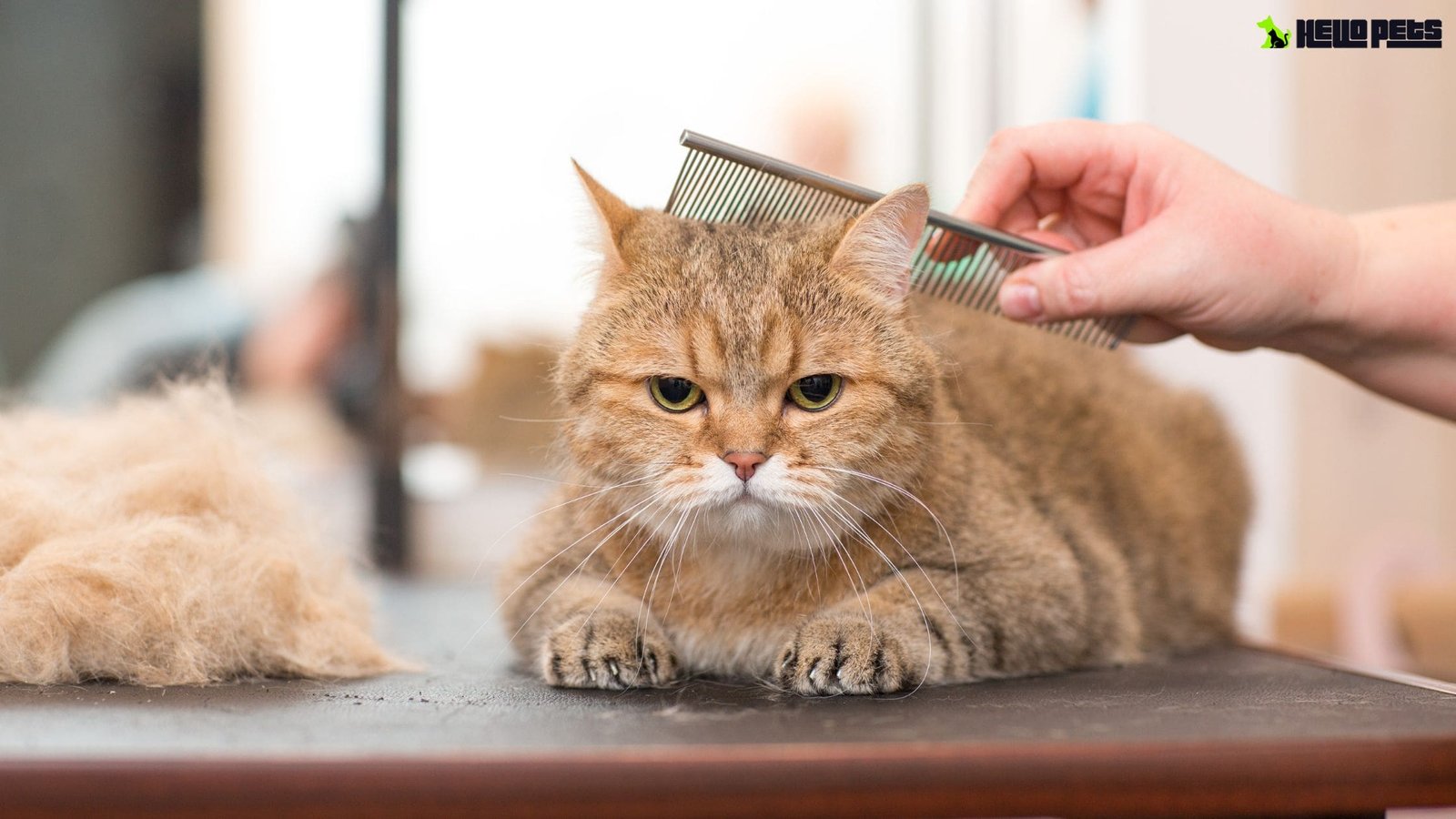
Credit: hellopetsinc.com
Diet And Hydration For Healthy Skin
Senior cats need special care to keep their skin healthy. Diet and hydration play a big role in this. Good food and enough water help the skin stay soft and prevent dryness or irritation. Older cats may not eat or drink as much, so it is important to watch their diet closely.
Choosing Foods Rich In Omega Fatty Acids
Omega fatty acids help keep the skin shiny and soft. Look for cat foods with fish oil or flaxseed oil. These fats reduce inflammation and support healing. A diet with omega-3 and omega-6 helps prevent skin problems in senior cats.
Providing High-quality Protein
Protein is essential for skin repair and fur growth. Select foods with real meat as the first ingredient. Avoid fillers like corn or soy. Good protein sources include chicken, turkey, and fish. Older cats need protein to maintain muscle and healthy skin.
Ensuring Proper Hydration
Water keeps the skin moist and elastic. Senior cats often drink less water. Offer fresh water in multiple bowls around the house. Wet cat food also helps increase water intake. Try warming wet food slightly to improve taste and smell.
Adding Supplements To Support Skin Health
Supplements can fill gaps in diet. Fish oil capsules provide extra omega-3. Vitamin E supports skin healing. Consult a vet before adding supplements. Use only products safe for cats.
When To Seek Veterinary Help
Knowing when to seek veterinary help while grooming your senior cat is essential. Older cats can develop health issues that affect their skin, coat, and overall comfort. Recognizing signs that go beyond normal aging helps you act quickly to keep your cat healthy and happy.
Changes In Skin Or Coat Condition
If you notice sudden hair loss, excessive dandruff, or unusual lumps, it’s time to consult your vet. Senior cats may develop skin infections or allergies that need medical attention.
Dry, flaky skin or greasy fur might indicate underlying problems like thyroid issues or nutritional deficiencies. Don’t ignore these signs—early diagnosis can prevent more serious complications.
Difficulty Grooming Or Pain
Your cat might struggle to groom if it’s experiencing arthritis or dental pain. If you see your cat avoiding grooming or showing signs of discomfort when you touch certain areas, it’s a red flag.
Veterinarians can offer treatments for pain relief or recommend professional grooming support. This helps maintain your cat’s hygiene and comfort as it ages.
Behavioral Changes During Grooming
Sudden aggression, fear, or withdrawal during grooming sessions could point to health problems. Cats often hide pain, but behavioral changes can be a clue that something is wrong.
Ask yourself: Is your cat acting differently only when you groom? If yes, a vet check might uncover hidden issues like dental disease or sensory decline.
Persistent Matting Or Excessive Shedding
While some matting is normal, persistent or worsening mats can trap dirt and cause skin infections. Excessive shedding beyond seasonal patterns may indicate stress or illness.
If mats keep forming quickly despite regular brushing, or shedding seems abnormal, it’s wise to get a veterinary evaluation. Your vet can check for underlying causes like hormonal imbalances or parasites.
Credit: www.purina.com
Credit: www.purina.com
Frequently Asked Questions
How Often Should I Groom A Senior Cat?
Senior cats should be groomed at least once a week. Regular grooming prevents matting and helps monitor their skin health. Older cats may need more frequent sessions if they have mobility or health issues. Always be gentle to avoid causing discomfort.
What Grooming Tools Are Best For Senior Cats?
Use soft-bristle brushes and fine-toothed combs for senior cats. These tools gently remove loose fur and prevent skin irritation. Avoid harsh or sharp tools, as older cats have delicate skin. A grooming glove can also help reduce shedding comfortably.
Can Grooming Improve A Senior Cat’s Health?
Yes, grooming improves a senior cat’s health by stimulating blood circulation. It also helps detect lumps, skin issues, or parasites early. Regular grooming reduces stress and promotes bonding. Healthy skin and coat reflect overall well-being in senior cats.
How To Handle A Senior Cat During Grooming?
Handle your senior cat gently and patiently during grooming. Use slow movements and speak softly to keep them calm. Take breaks if the cat shows discomfort. Creating a relaxed environment makes grooming less stressful for aging cats.
Conclusion
Grooming a senior cat keeps them healthy and happy. Regular brushing helps avoid mats and reduces hairballs. Pay attention to their comfort and skin changes. Use gentle tools and take short breaks if needed. Watch for signs of pain or discomfort.
A calm, patient approach builds trust and eases grooming time. Caring for your older cat strengthens your bond. Small efforts make a big difference in their well-being. Keep grooming simple, consistent, and filled with love.



Leave a Reply