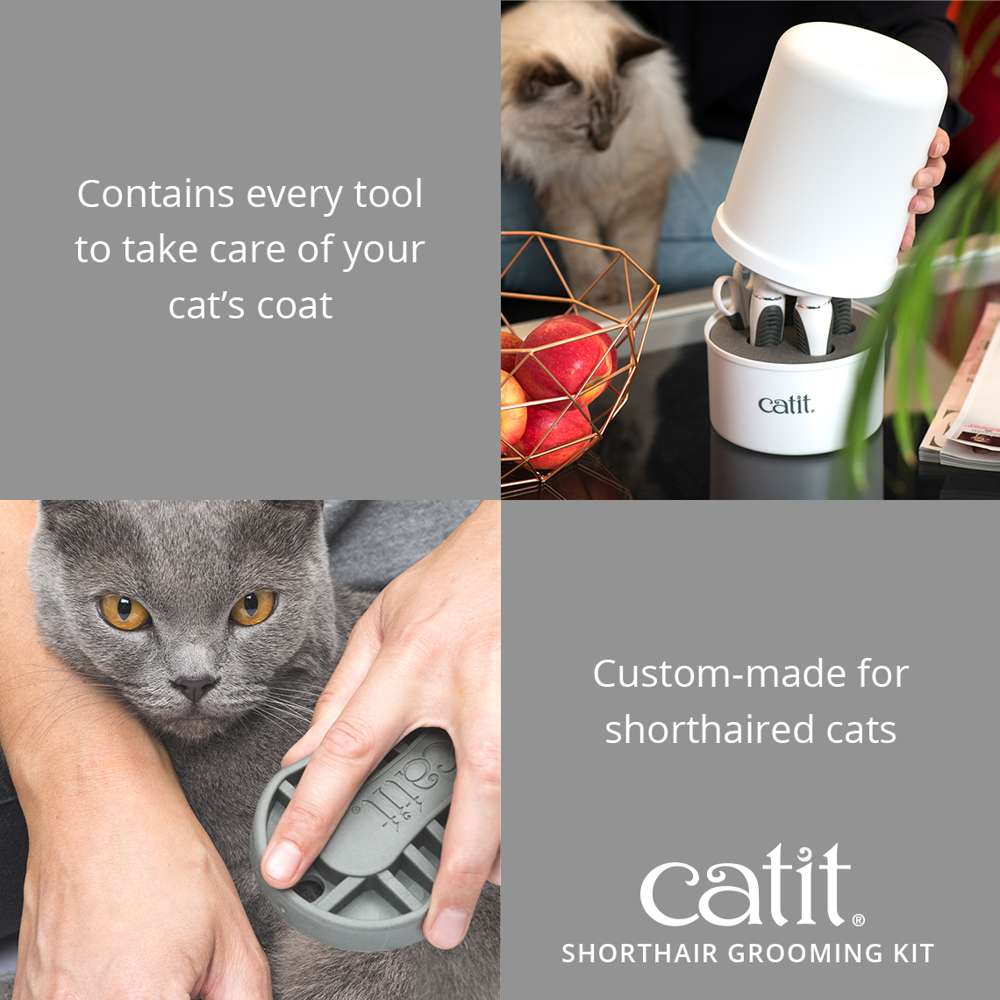
Grooming your short-haired cat might seem simple, but doing it the right way can make a big difference in their health and happiness. You might wonder how often you should groom, what tools to use, or how to keep your cat calm during the process.
This guide will give you clear, easy steps to make grooming a stress-free routine for both you and your furry friend. Keep reading to discover tips that will keep your cat’s coat shiny, skin healthy, and your bond stronger than ever.
Benefits Of Grooming Short-haired Cats
Grooming your short-haired cat offers more than just a way to keep their coat looking sleek. It provides several benefits that affect their overall well-being and your relationship with them. Regular grooming can transform your cat’s daily routine into a healthier, happier experience.
Health Advantages
Short-haired cats still need grooming to maintain healthy skin and fur. Brushing helps remove dirt, dead skin cells, and loose hair, reducing the chance of skin irritation or infections.
It also gives you a chance to check for lumps, bumps, or parasites early on. Catching these issues promptly can save your cat from discomfort and costly vet visits.
Bonding Opportunities
Grooming sessions create quiet moments between you and your cat. These moments build trust and strengthen your bond, making your cat feel safe and loved.
Have you noticed how your cat purrs or relaxes during grooming? That’s a clear sign they enjoy this time with you. Regular grooming can turn into a cherished ritual both of you look forward to.
Reducing Shedding
Even short-haired cats shed, and grooming helps control the amount of loose fur around your home. Brushing removes dead hair before it falls onto your furniture or clothes.
You’ll spend less time cleaning and more time enjoying your cat’s company. Plus, reducing shedding can help those with mild allergies breathe a little easier.
Essential Grooming Tools
Grooming your short-haired cat doesn’t require a mountain of tools, but having the right ones makes all the difference. The essential grooming tools help keep your cat’s coat shiny, skin healthy, and nails well-trimmed. You’ll find that a few carefully chosen items can turn grooming into a smooth, stress-free routine for both of you.
Brush Types For Short Hair
Short-haired cats benefit from brushes designed to remove loose fur without irritating their skin. A rubber brush or a soft bristle brush works wonders by gently massaging the skin while picking up loose hairs.
Have you noticed how your cat reacts differently to various brushes? Some prefer the soft touch of a bristle brush, while others enjoy the gentle scrape of a rubber brush. Experiment to see which your cat likes best.
Choosing The Right Comb
A fine-toothed comb is an excellent addition to your grooming kit. It helps catch small debris and untangles any minor knots that may form, especially around the neck and behind the ears.
Look for combs with rounded tips to avoid scratching your cat’s sensitive skin. Regular combing can also give you a chance to check for fleas, ticks, or skin issues early on.
Nail Clippers And Other Accessories
Trimming your cat’s nails is crucial to prevent painful scratches and damage to furniture. Use nail clippers designed specifically for cats—they’re small and sharp, ensuring a clean cut.
Besides clippers, having a soft towel for calming your cat and pet-safe wipes for quick cleanups can make grooming easier. Do you keep a grooming station ready? It saves time and keeps everything within reach.
Step-by-step Grooming Routine
Grooming a short-haired cat might seem simple, but a careful routine ensures your pet stays healthy and comfortable. Regular grooming reduces shedding and prevents skin issues. It also gives you a chance to bond with your feline friend while checking for any unusual signs.
Brushing Techniques
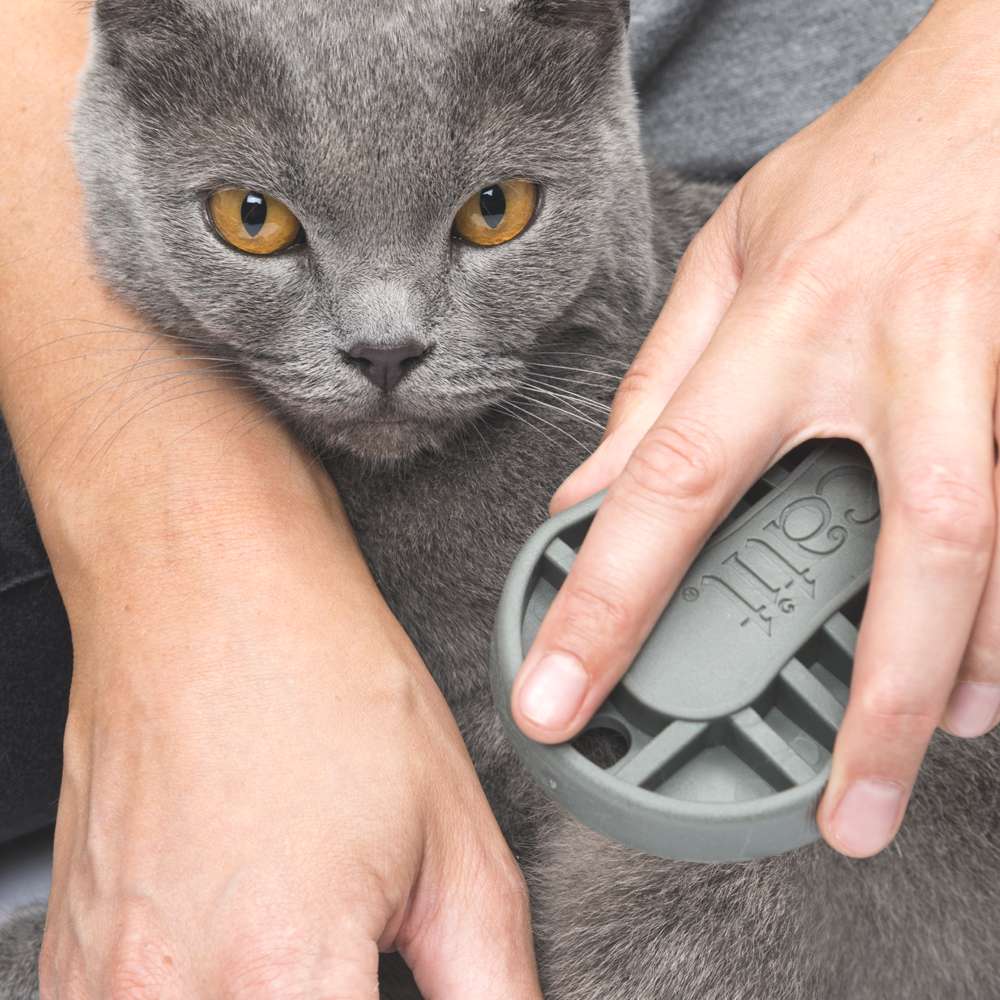
Use a soft-bristle brush or grooming glove designed for short-haired cats. Brush gently in the direction of hair growth to remove loose fur and dirt.
Spend about five minutes brushing your cat two to three times a week. Notice how your cat reacts—some prefer slow, calm strokes while others enjoy a firmer touch.
Have you observed how brushing helps spot small bumps or skin problems early? It’s an easy way to keep your cat’s coat shiny and healthy.
Bathing Tips
Short-haired cats usually don’t need frequent baths, but occasional cleaning helps if they get particularly dirty or have skin allergies. Use lukewarm water and a cat-specific shampoo to avoid irritation.
Wet your cat slowly and speak softly to keep them calm. Rinse thoroughly to remove all shampoo residues, as leftover soap can cause itching.
Dry your cat gently with a towel and keep them in a warm room until fully dry. Ever noticed how some cats actually seem to enjoy the water when approached calmly?
Cleaning Ears And Eyes
Check your cat’s ears weekly for dirt or wax buildup. Use a damp cotton ball or a vet-recommended ear cleaner—never insert anything deep into the ear canal.
For eyes, wipe away any discharge with a clean, damp cloth. Use a separate cloth for each eye to prevent spreading infection.
Have you caught your cat tilting its head or scratching ears? These might be signs your grooming needs to include more frequent ear checks.
Trimming Nails Safely
Trim your cat’s nails every two to three weeks to avoid overgrowth and damage to furniture. Use a sharp, cat-specific nail clipper for clean cuts.
Hold your cat comfortably and press the paw pad to extend the nails. Avoid cutting the pink part, called the quick, as it can cause pain and bleeding.
If your cat resists, try trimming just one or two nails at a time. Have you noticed how rewarding it is when your cat stays calm during the process?

Credit: catit.ca
Handling Common Grooming Challenges
Grooming a short-haired cat brings its own challenges. Common issues include shedding, skin problems, and anxious behavior during grooming sessions. Handling these challenges gently helps maintain your cat’s health and comfort. Understanding each problem makes grooming easier and more effective.
Dealing With Shedding
Short-haired cats shed regularly, especially during seasonal changes. Use a soft brush to remove loose fur twice a week. This reduces hair around the house and prevents hairballs. Bathing your cat occasionally helps reduce excess shedding. Provide a healthy diet to improve coat quality and reduce shedding naturally.
Managing Skin Issues
Skin problems can cause discomfort and make grooming difficult. Check your cat’s skin for redness, bumps, or dryness regularly. Use gentle, cat-safe shampoos to avoid irritation. If you notice persistent skin issues, visit a vet for proper treatment. Keep your cat’s environment clean to prevent allergies and infections.
Calming Anxious Cats
Many cats feel nervous during grooming. Create a calm space with soft lighting and quiet sounds. Speak softly and use slow, gentle movements. Offer treats and praise to make grooming positive. Short, frequent sessions work better than long, stressful ones. Use familiar brushes and tools your cat likes.
Frequency And Timing For Grooming
Grooming a short-haired cat requires attention to how often and when you do it. Proper timing keeps your cat comfortable and healthy. It helps reduce shedding and prevents skin problems. Knowing the right frequency makes grooming easier and more effective.
Daily Vs Weekly Care
Short-haired cats usually need less grooming than long-haired ones. Brushing them once or twice a week is enough for most cats. This removes loose hair and dirt. Some cats enjoy a quick daily brush. It helps with bonding and keeps their coat shiny.
Use a soft brush or grooming glove to avoid skin irritation. Check for any bumps or fleas during grooming. If your cat sheds a lot, increase brushing to daily. Otherwise, weekly care is enough to keep them clean.
Seasonal Grooming Adjustments
Seasons affect your cat’s coat and grooming needs. In spring and fall, cats shed more to adjust to temperature changes. Brush your cat more often during these times. This helps remove dead hair and reduce hairballs.
In winter, less grooming is needed because the coat grows thicker. Still, a weekly brush keeps the fur healthy. Summer heat can cause more shedding. Groom your cat more frequently to keep them cool and comfortable.
Credit: catit.ca
Signs Your Cat Needs Professional Grooming
Short-haired cats may not require as much grooming as their long-haired counterparts. Yet, they still benefit from occasional professional grooming sessions. Recognizing when your cat needs expert care can enhance their health and happiness. Here are some signs indicating your feline friend might need a professional’s touch.
When To Visit A Groomer
Visible matting is a clear sign. Even short-haired cats can develop mats if not groomed regularly. If your cat’s fur appears greasy or dirty, it may need a thorough cleaning. Excessive shedding can also indicate that professional grooming could help manage their coat. If you notice any unusual odors, it might be time for a grooming appointment. Regular nail trimming is also crucial for your cat’s comfort and health. If you hear clicking sounds when your cat walks, their nails are too long.
Choosing A Cat Grooming Service
Research several grooming services in your area. Look for reviews from other pet owners to gauge their experiences. Ensure the groomer is experienced with short-haired cats. Check if the service offers specific treatments your cat might need. Verify that the facility is clean and well-maintained. You should also ensure that the staff is friendly and knowledgeable about cat care. Feel free to ask questions about their grooming process. A reputable groomer will be happy to share their expertise. A good service will cater to your cat’s specific needs, ensuring a stress-free experience.

Credit: catit.ca
Frequently Asked Questions
How Often Should I Groom A Short-haired Cat?
Short-haired cats need grooming once a week to remove loose fur and dirt. Regular brushing reduces hairballs and keeps their coat shiny.
What Tools Are Best For Grooming Short-haired Cats?
Use a soft-bristle brush or grooming glove for short-haired cats. These tools gently remove loose hair without irritating their skin.
Can Grooming Improve My Cat’s Skin Health?
Yes, grooming stimulates blood circulation and distributes natural oils. This helps maintain healthy, hydrated skin and reduces shedding.
How Do I Handle A Cat That Resists Grooming?
Be patient and calm. Start with short sessions and use treats to reward your cat. Gradually increase grooming time as they get comfortable.
Conclusion
Grooming a short-haired cat keeps them happy and healthy. Regular brushing removes loose fur and dirt. It also helps reduce shedding around your home. Check your cat’s skin for any signs of irritation. Use gentle strokes to make grooming a calm time.
Keep grooming tools clean and safe for your cat. Small, daily efforts make a big difference in their comfort. Your cat will enjoy the attention and care you give. Simple grooming routines build trust and strengthen your bond. Caring for your cat’s coat is a kind way to show love.



Leave a Reply