If you have a long-haired cat, you know how beautiful—and challenging—their fur can be. Tangled knots, mats, and shedding can turn grooming into a daily struggle.
But what if you could make grooming easier and more enjoyable for both you and your cat? You’ll discover simple, effective tips to keep your cat’s coat smooth, healthy, and shining. By the end, you’ll feel confident handling grooming tasks like a pro, saving time and stress while strengthening your bond with your furry friend.
Ready to transform your grooming routine? Let’s get started!
Choosing The Right Tools
Choosing the right tools makes grooming a long-haired cat easier and safer. Proper tools help prevent pain and skin damage. They also keep your cat’s coat healthy and shiny. Investing in quality grooming items saves time and effort. Each tool has a special role in caring for your cat’s fur.
Essential Brushes And Combs
Start with brushes made for long fur. A slicker brush removes loose hair and dirt. It also helps prevent mats and tangles.
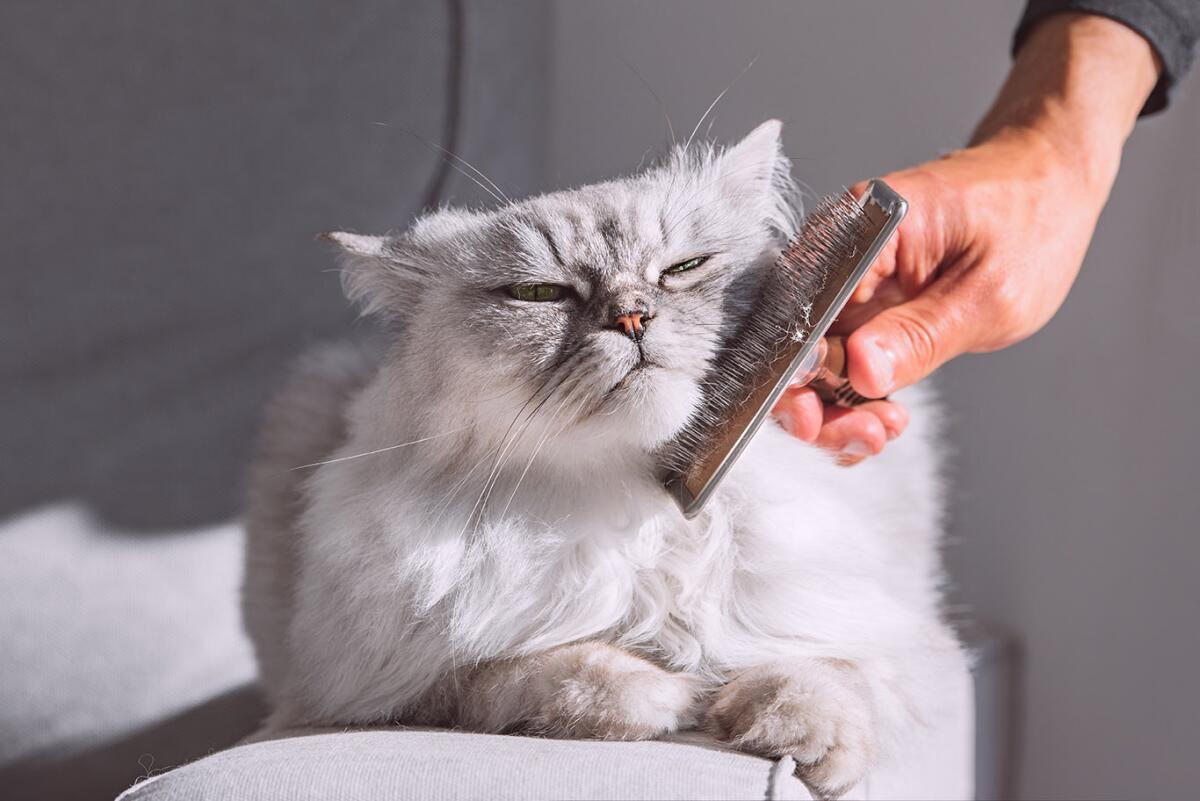
A wide-toothed comb works well on thick fur. It gently detangles stubborn knots without pulling. Use a fine-toothed comb to check for small debris and fleas.
Detanglers And Grooming Sprays
Detanglers soften knots and make brushing easier. Choose sprays made for cats to avoid skin irritation. They reduce static and add shine to the coat. Spray lightly before brushing tangled areas.
Grooming sprays can also calm the skin. Look for products with natural ingredients. Avoid sprays with strong perfumes or chemicals.
Clippers And Scissors
Use clippers only if your cat tolerates them well. Electric clippers with quiet motors reduce stress. Trim around problem areas like the rear or paws.
Sharp scissors are useful for small trims. Round-tip scissors are safer near sensitive skin. Cut mats carefully to avoid hurting your cat. Always keep blades clean and sharp.
Preparing Your Cat
Preparing your long-haired cat for grooming sets the stage for a smooth and stress-free experience. Cats are sensitive creatures, and rushing into grooming without proper preparation can lead to resistance or anxiety. Taking time to prepare helps build trust and makes the grooming routine more enjoyable for both you and your feline friend.
Creating A Calm Environment
Start by choosing a quiet, comfortable space with minimal distractions. Turn off loud noises like TVs or radios to help your cat focus and relax. Soft lighting and a familiar spot, like their favorite blanket or bed, can also create a sense of security.
Think about the smells in the room. Cats have a strong sense of smell, so avoid strong scents from perfumes or cleaning products. You might even use a few drops of calming pheromone spray designed for cats to ease nervousness.
Getting Your Cat Comfortable
Before grooming, spend a few minutes petting and gently handling your cat to get them used to touch. Notice if your cat has sensitive spots and approach those areas slowly. This helps your cat associate your hands with positive, gentle attention.
If your cat is new to grooming, introduce the grooming tools gradually. Let your cat sniff the brush or comb and reward them with treats. This small step can turn grooming tools into something your cat trusts instead of fears.
Scheduling Grooming Sessions
Find a consistent time for grooming when your cat is naturally calm, such as after a meal or a nap. Short, regular sessions—around 5 to 10 minutes—work better than long, infrequent ones. This approach prevents your cat from becoming overwhelmed or restless.
Ask yourself: What time of day does your cat seem most relaxed? Adjust your grooming schedule to fit your cat’s natural rhythm. Keeping sessions consistent helps your cat anticipate and accept grooming as part of their routine.
Brushing Techniques
Gently brush your long-haired cat daily to prevent mats and tangles. Use a wide-toothed comb first, then a soft-bristle brush for smooth fur. Always brush in the direction of hair growth to keep the coat healthy and shiny.
Brushing your long-haired cat doesn’t have to be a chore. With the right techniques, you can keep your feline friend looking fabulous and feeling comfortable. Let’s dive into the essentials of brushing techniques that will make your grooming sessions both effective and enjoyable.Removing Tangles And Mats
Long-haired cats are prone to tangles and mats, which can be uncomfortable for them. Start by gently working through any knots with your fingers. Use a wide-toothed comb to carefully detangle, ensuring you hold the fur close to the skin to avoid pulling. If you encounter a stubborn mat, try using a detangling spray or a mat splitter. Be patient and take breaks if needed—your cat’s comfort is the priority. Remember, frequent grooming prevents these tough mats from forming in the first place.Brushing Direction And Frequency
Always brush in the direction of hair growth to minimize discomfort for your cat. Regular brushing, ideally every other day, helps reduce shedding and prevents mats. Consistency is key to a healthy coat and a happy cat. Think of it as a bonding time; your cat will appreciate the routine. If daily brushing sounds overwhelming, start small and gradually increase the frequency as you and your cat get more comfortable with the process.Handling Sensitive Areas
Sensitive areas like the belly and legs require extra care. Use a soft brush with gentle strokes to avoid causing distress. If your cat seems uncomfortable, take a break and try again later. Pay attention to your cat’s cues. If they seem agitated, it might be time to switch to a different area or stop for the day. Making grooming a positive experience encourages cooperation in future sessions.Bathing Your Long-haired Cat
Bathing a long-haired cat is key to keeping its coat clean and healthy. Regular baths remove dirt, loose hair, and prevent mats. Many cats dislike water, so patience is crucial. A calm environment helps the process go smoothly. Use gentle care to avoid stress for your feline friend.
Choosing The Right Shampoo
Select a shampoo made for cats only. Avoid human or dog shampoos, as they can irritate skin. Look for mild formulas that hydrate and soothe. Shampoos with natural ingredients like aloe or oatmeal work well. Fragrance-free options reduce the chance of allergies. Always check labels for safety.
Bathing Steps And Tips
- Brush your cat gently before the bath to remove tangles.
- Fill a sink or tub with lukewarm water, about 3-4 inches deep.
- Use a cup or sprayer to wet your cat slowly, avoiding the face.
- Apply shampoo and lather carefully, focusing on dirty areas.
- Rinse thoroughly with clean water to remove all soap.
- Keep calm and speak softly during the entire bath.
- Use a rubber mat to prevent slipping in the tub.
Drying Methods For A Flawless Coat
Pat your cat dry with a soft towel immediately after the bath. Avoid rubbing hard to prevent tangles and discomfort. Use multiple towels if needed to absorb water. A hairdryer on a low, cool setting works for some cats. Keep the dryer moving and stay far from the skin. Let your cat air dry in a warm, draft-free room. Brush the coat gently once dry to keep fur smooth and shiny.
Trimming And Clipping
Trimming and clipping your long-haired cat helps keep their coat healthy and neat. Regular trims prevent mats and tangles. It also reduces shedding and discomfort. Proper grooming improves your cat’s overall well-being and comfort.
When To Trim Your Cat’s Fur
Trim your cat’s fur every few months or as needed. Watch for mats or tangles that cause pulling on the skin. Trim around sensitive areas like the rear and paws to keep your cat clean. Shorter trims work well during warm seasons to keep your cat cool. Avoid trimming too close to the skin to prevent cuts and irritation.
Safe Clipping Practices
Choose scissors or clippers designed for pets. Make sure blades are sharp to avoid pulling fur. Work in a quiet, calm space to reduce stress. Hold your cat gently but firmly to prevent sudden moves. Trim small amounts at a time. Stop if your cat shows signs of distress. Clean and disinfect tools before and after use to avoid infections.
Dealing With Problem Areas
Mats behind the ears, under the legs, and near the tail can be tough. Use a detangling spray or conditioner to soften mats before trimming. Carefully cut mats with scissors if combing does not work. Avoid cutting skin by holding the fur away from the skin. For severe mats, seek help from a professional groomer or vet. Regular brushing can prevent problem areas from forming again.
Maintaining Coat Health
Maintaining the health of a long-haired cat’s coat is essential. A shiny, soft coat shows good care and overall health. It also prevents matting and skin problems. Daily grooming helps, but proper nutrition, hairball control, and vet visits play key roles too.
Nutrition For A Shiny Coat
A balanced diet supports strong, glossy fur. Foods rich in omega-3 and omega-6 fatty acids improve coat texture. Proteins provide the building blocks for healthy hair growth. Vitamins like E and biotin protect the skin and hair.
- Choose high-quality cat food with essential fatty acids.
- Include wet food to increase hydration and skin health.
- Consult your vet about supplements if needed.
Preventing Hairballs
Long-haired cats swallow more hair during grooming. Hairballs can cause discomfort and digestive issues. Regular brushing reduces loose fur they ingest. Special diets or treats help break down hair in the stomach.
- Brush your cat daily to remove loose fur.
- Use hairball control cat food or treats.
- Keep fresh water available to aid digestion.
Regular Vet Checkups
Routine vet visits detect skin or coat problems early. Parasites like fleas affect coat health. Allergies or infections may cause hair loss or dull fur. Your vet offers advice on grooming and nutrition based on your cat’s needs.
- Schedule vet exams at least once a year.
- Discuss any changes in your cat’s coat or behavior.
- Follow the vet’s recommendations for treatments or supplements.
Dealing With Grooming Challenges
Grooming a long-haired cat brings unique challenges. Their thick fur can tangle easily and cause discomfort. Patience and gentle handling make grooming easier. Knowing how to manage common issues helps keep your cat calm and healthy.
Handling Anxious Cats
Many cats feel nervous during grooming. Quiet voices and slow movements help calm them. Try short grooming sessions to avoid stress. Use treats to reward calm behavior. A soft brush prevents pulling on fur, reducing anxiety.
Removing Stubborn Mats
Mats form when fur tangles tightly. Use a wide-tooth comb to gently loosen mats. Work from the edges toward the center. Never cut mats with scissors; it risks injury. If mats resist, apply a detangling spray made for cats.
When To Seek Professional Help
Some mats become too tough to remove at home. If your cat is very anxious, a groomer can help. Professionals have tools and skills for safe grooming. Regular visits prevent serious matting and skin problems. Your vet can also advise on grooming needs.
Frequently Asked Questions
How Often Should I Groom A Long-haired Cat?
Groom your long-haired cat daily to prevent mats and tangles. Regular brushing removes loose fur and reduces hairballs. Frequent grooming keeps their coat healthy and shiny.
What Tools Are Best For Grooming Long-haired Cats?
Use a wide-toothed comb, slicker brush, and grooming scissors. These tools effectively detangle fur and remove loose hair without hurting your cat. Choose gentle, pet-safe grooming tools for comfort.
How Do I Prevent Mats In My Cat’s Fur?
Brush your cat daily, focusing on problem areas like behind ears and under legs. Regular grooming stops mats from forming and keeps fur smooth. Use detangling spray for stubborn knots.
Can Grooming Reduce Shedding In Long-haired Cats?
Yes, grooming removes loose fur and reduces shedding. Regular brushing helps control hair around your home. It also improves your cat’s skin health and fur quality.
Conclusion
Grooming a long-haired cat takes time and patience. Regular brushing stops mats and keeps fur soft. Check your cat’s skin for any problems often. Use the right tools to make grooming easy. Make grooming a calm, gentle experience for your cat.
Healthy fur means a happy, comfortable pet. Start grooming early to build good habits. Small steps every day bring the best results. Caring for your cat’s coat shows love and care. Keep your cat looking and feeling great.

Leave a Reply