If you have a curly-haired cat, you know their unique fur needs special care. Grooming your cat the right way keeps their coat healthy, shiny, and tangle-free.
But it can be tricky if you don’t know the best techniques. In this guide, you’ll discover simple steps to make grooming easy and enjoyable for both you and your furry friend. Ready to learn how to keep your curly-haired cat looking their best?
Let’s dive in!
Preparing For Grooming
Preparing to groom your curly-haired cat is crucial for a smooth and stress-free experience. Taking the time to set up the right environment and gather proper tools makes a huge difference. You’ll also want to ensure your cat feels safe and calm before you start handling their delicate curls.
Gathering Essential Tools
Curly-haired cats need specific grooming tools to avoid damaging their unique fur texture. Have a wide-tooth comb handy to detangle without pulling. A slicker brush helps remove loose hairs and prevents matting, especially around tricky spots like behind the ears.
Don’t forget to prepare grooming wipes or a damp cloth for gentle cleaning between sessions. Nail clippers and ear cleaners should also be within reach to keep your cat fully cared for. Getting all these ready beforehand saves you from scrambling mid-grooming.
Choosing The Right Location
Pick a quiet spot where your cat feels comfortable and won’t get startled easily. A well-lit area with a non-slip surface, like a bathroom counter or a table covered with a towel, works well. Avoid places with loud noises or lots of foot traffic.
Having everything nearby helps you stay focused on your cat, not running around for supplies. Think about your cat’s personality—do they prefer a high perch or a cozy lap? Tailoring the space to their preference improves cooperation.
Calming Your Cat
Before grooming, spend some quiet time petting and talking softly to your cat. Use gentle strokes along their favorite spots to build trust. If your cat gets anxious, try a pheromone spray or diffuser to create a soothing atmosphere.
Break the grooming session into short, manageable intervals if needed. Have treats ready to reward good behavior and reinforce a positive connection. Have you noticed how a calm cat makes grooming feel less like a chore and more like bonding time?
Brushing Techniques
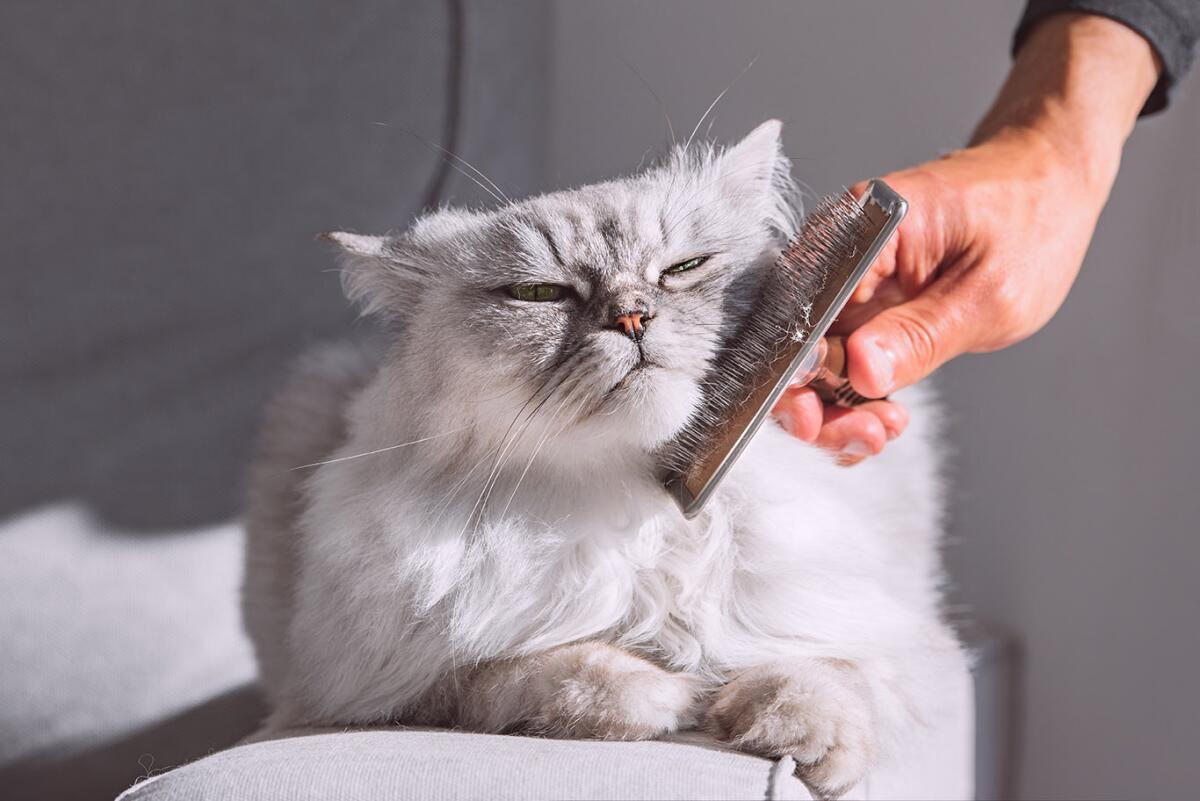
Gentle brushing helps prevent knots in curly-haired cats. Use a wide-toothed comb to work through tangles carefully and slowly. Regular grooming keeps their coat soft and healthy.
Curly-haired cats need special care to keep their fur healthy. Brushing their coats is a key part of this. It helps prevent tangles and keeps their fur looking great. Let’s explore some essential brushing techniques.Selecting The Best Brush
Choosing the right brush is crucial. Curly-haired cats benefit from slicker brushes. These brushes have fine, short wires close together. They work well for removing loose fur. A wide-toothed comb is also useful. It helps tackle tougher tangles. Make sure the brush has soft bristles. This ensures comfort for your cat.Detangling Knots And Mats
Knots and mats can form quickly. Start by gently working through the fur. Use the wide-toothed comb for stubborn tangles. Hold the fur close to the skin. This prevents pulling and discomfort. For severe mats, consider using a dematting tool. This tool can safely remove tough knots. Always be gentle to keep your cat relaxed.Brushing Frequency
Regular brushing keeps the fur in top condition. Aim to brush your cat at least twice a week. This helps prevent tangles and mats. During shedding seasons, increase the frequency. Daily brushing may be needed then. Consistent grooming sessions build a routine. Your cat will learn to enjoy these moments.Bathing Tips
Bathing a curly haired cat requires patience and care. These cats have unique fur that can tangle easily. Proper bathing keeps their coat clean and healthy. Use gentle techniques to avoid stress for your cat.
When To Bathe
Only bathe your curly haired cat when necessary. Frequent baths can dry out their skin. Bathing is best after they get very dirty or smelly. Also, bathe if your cat has a skin condition. Avoid bathing during cold weather to prevent chills.
Choosing Cat-friendly Shampoo
Pick a shampoo made specifically for cats. Human shampoos can harm their skin and fur. Look for gentle, hypoallergenic formulas without harsh chemicals. Shampoos with moisturizing ingredients help keep curls soft. Avoid products with strong fragrances or dyes.
Drying Your Cat Safely
After bathing, dry your cat carefully to avoid chills. Use a soft towel to blot excess water. Avoid rubbing fur harshly to prevent tangles. If your cat tolerates it, use a low heat hair dryer. Keep the dryer moving and far from the skin. Let your cat rest in a warm room until fully dry.
Trimming And Clipping
Trimming and clipping are essential parts of grooming a curly-haired cat. These cats need careful attention to keep their coat tidy and healthy. Regular trimming prevents mats and tangles. Clipping also helps control shedding and keeps your cat comfortable.
Trimming fur around sensitive areas requires a gentle approach. Sharp tools and calm handling make the process easier for both you and your cat. Patience is key to avoid stress or injury.
Nail Care Basics
Trim your cat’s nails every two to three weeks. Use a small, sharp nail clipper made for cats. Hold the paw gently and press to extend the nail. Avoid cutting the pink part, called the quick. It hurts and causes bleeding. If unsure, trim just the sharp tip. Reward your cat with treats to create a positive experience.
Handling Fur Trims
Use scissors or clippers designed for pets. Focus on areas prone to mats, like under the legs and around the neck. Trim small amounts at a time. Keep the blades clean and sharp. Work in a quiet space to reduce stress. If the cat resists, pause and try again later. Use a comb to separate fur and check progress.
Avoiding Common Mistakes
- Never cut too close to the skin to avoid cuts and irritation.
- Do not use human scissors or clippers; they can harm your cat.
- Avoid trimming long fur all at once; it can upset your cat.
- Don’t rush; slow and steady keeps your cat calm.
- Be cautious around sensitive areas like ears, paws, and tail.
Maintaining Healthy Fur
Maintaining healthy fur is vital for curly haired cats. Their unique coat needs special care to stay soft and tangle-free. Healthy fur shows good overall health and keeps your cat comfortable. Simple daily habits can make a big difference. Paying attention to diet, hydration, and health helps keep the fur shiny and strong.
Diet And Hydration Impact
Good nutrition supports healthy fur growth. Proteins, omega-3, and vitamins nourish the coat deeply. Offer balanced cat food with quality ingredients. Fresh water is essential for skin and fur moisture. Dehydration can cause dry, brittle hair and flakes. Make water always available. Wet food can also boost hydration.
Recognizing Skin Issues
Check your cat’s skin regularly. Look for redness, bumps, or dryness. Excessive scratching may signal irritation or allergies. Curly fur can hide skin problems easily. Early detection helps prevent infections. Use gentle grooming tools to avoid causing harm. Consult a vet if you notice unusual signs.
Regular Vet Checkups
Routine vet visits keep your cat in top shape. Vets spot hidden issues affecting fur health. Parasites, infections, or hormonal problems impact the coat. Vaccines and parasite control are part of good care. Discuss any fur or skin concerns during visits. Regular exams support long-term fur wellness.
Dealing With Grooming Challenges
Grooming a curly-haired cat brings unique challenges that require patience and understanding. These cats often have delicate skin and a coat that tangles easily, making regular grooming a must yet sometimes difficult. Facing these hurdles head-on ensures your feline stays comfortable and looks their best.
Managing Aggressive Behavior
Some curly-haired cats may resist grooming and show aggressive behavior. It helps to watch for signs of stress like growling, hissing, or swatting before you start. Try calming your cat with gentle petting and soft words, and use slow, deliberate movements during grooming sessions.
Break grooming into short sessions to prevent overwhelming your cat. Offering treats after each session can create positive associations. Have you noticed your cat’s favorite spot to be touched? Focus on that to build trust and reduce tension.
Handling Sensitive Skin
Curly-haired cats often have sensitive skin that can easily get irritated. Use a comb or brush designed for delicate coats to avoid pulling or scratching. Avoid harsh shampoos; instead, choose hypoallergenic or cat-specific grooming products that soothe rather than aggravate the skin.
Be gentle when detangling mats—never pull hard. If you spot redness or flakes, pause grooming and consult your vet. How often do you check your cat’s skin? Regular inspection helps catch irritation early.
Seeking Professional Help
If grooming becomes a battle or your cat’s coat is severely matted, professional groomers can offer relief. They have tools and experience to safely manage tough mats and handle cats that resist home grooming. Booking a session might feel like a big step, but it prevents discomfort and health issues.
Discuss your cat’s specific needs with the groomer beforehand. You might be surprised how much easier regular grooming becomes with expert guidance. Have you considered a professional’s advice to improve your routine?
Frequently Asked Questions
How Often Should I Groom A Curly Haired Cat?
Groom your curly haired cat at least twice a week. This prevents matting and keeps their coat healthy. Regular grooming also reduces shedding and skin issues. Use gentle brushes suited for curly fur to avoid damage.
What Tools Are Best For Grooming Curly Cat Hair?
Use a wide-toothed comb and a soft-bristle brush. These tools help detangle without harming delicate curls. Avoid metal combs with sharp teeth. Additionally, grooming gloves can help remove loose hair gently.
How Do I Prevent Matting In Curly Cat Fur?
Brush your cat regularly, focusing on problem areas. Keep fur clean and dry to avoid tangles. If mats form, carefully cut them out or seek professional help. Regular grooming is the key to preventing painful mats.
Can I Bathe My Curly Haired Cat Safely?
Yes, but use a mild, cat-friendly shampoo. Bathe only when necessary, about once a month. Make sure to rinse thoroughly to avoid skin irritation. Dry your cat gently with a towel and keep them warm.
Conclusion
Grooming a curly-haired cat takes patience and gentle care. Regular brushing stops mats and keeps fur soft. Use the right tools to avoid hurting your pet. Pay attention to sensitive areas like the belly and ears. Keep sessions short and calm to help your cat relax.
A clean, well-groomed cat stays happy and healthy. Small daily efforts make a big difference over time. Enjoy the bonding moments while caring for your furry friend.

Leave a Reply