
If you have a fluffy cat, you know how important it is to keep their fur clean and tangle-free. Grooming your fluffy friend might seem tricky, but with the right steps, it can become a simple and even enjoyable part of your routine.
Imagine your cat looking soft, shiny, and healthy every day—without the stress of mats or shedding all over your clothes. In this guide, you’ll discover easy tips and tricks to make grooming your fluffy cat quick and effective. Ready to turn grooming time into bonding time?
Let’s get started!

Credit: www.reddit.com
Choosing The Right Grooming Tools
Choosing the right grooming tools is essential to keep your fluffy cat comfortable and looking their best. Using improper brushes or combs can cause discomfort or even damage their delicate fur. Your goal is to find tools that gently detangle, remove loose hair, and maintain the softness of their coat.
Brush Types For Fluffy Fur
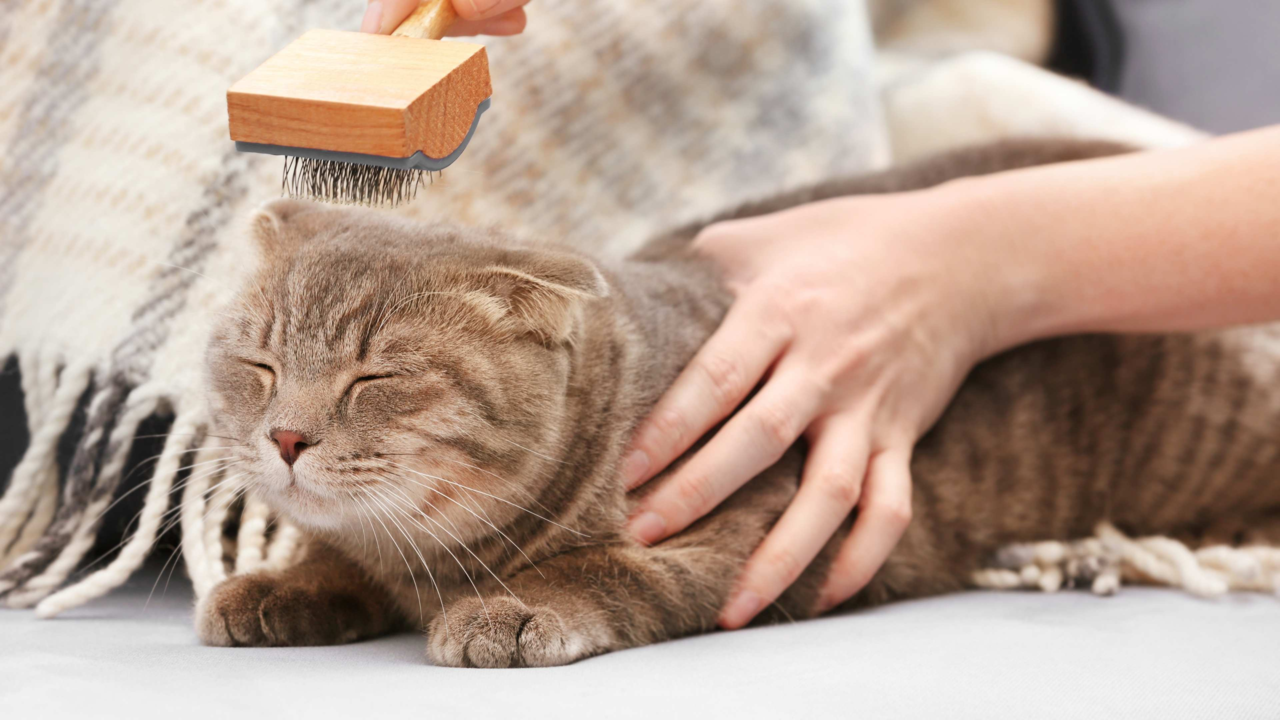
Different brushes serve different purposes, so it helps to have a few options. A slicker brush with fine, short wires is great for removing mats and loose fur without hurting your cat’s skin. A bristle brush can smooth the coat and add shine, but it’s best used after detangling.
If your cat has long, thick fur, a pin brush with widely spaced pins can help prevent hair from breaking. Have you noticed how your cat reacts to different brushes? Their comfort level is a good guide to which brush works best.
Combs And Their Uses
Combs are perfect for tackling knots and checking for hidden tangles close to the skin. A wide-tooth comb works well for initial detangling, while a fine-tooth comb can help catch smaller mats and debris. Use the comb gently to avoid pulling your cat’s fur.
Try running the comb through the fur in sections to find stubborn tangles. Do you find any areas that need extra attention? Those spots might require more frequent combing to prevent mats.
Additional Grooming Essentials
Besides brushes and combs, consider having grooming gloves to remove loose hair during petting sessions. Nail clippers designed for cats are also important to keep claws trimmed and prevent scratching during grooming. Lastly, keep some detangling spray on hand to ease out tough mats without causing pain.
Having these tools ready makes grooming smoother for both you and your cat. What grooming tools have you found most helpful with your fluffy friend?
Preparing Your Cat For Grooming
Preparing your fluffy cat for grooming makes the process easier for both of you. A calm and relaxed cat is less likely to struggle or get stressed. Taking time to prepare helps build trust. It also helps your cat get used to the tools and touch needed during grooming. This stage sets a positive tone for future sessions.
Creating A Calm Environment
Choose a quiet space without distractions. Soft lighting and a warm room help your cat feel safe. Remove loud noises like TVs or radios. Use a comfortable surface, such as a soft towel or mat. Keep grooming tools nearby to avoid leaving your cat alone. A calm place reduces anxiety and makes grooming smoother.
Getting Your Cat Comfortable
Start by gently petting your cat where they like it most. Let your cat sniff and explore grooming tools. Use slow, soft strokes to touch their fur. Praise your cat quietly and offer small treats. Watch for signs of stress like tail flicking or ears back. Stop if your cat becomes upset and try again later.
Setting A Grooming Schedule
Pick regular times for grooming sessions, such as every few days. Short sessions work best—just a few minutes each time. Consistency helps your cat expect and accept grooming. Adjust the schedule based on your cat’s comfort and coat type. Keeping a routine prevents mats and keeps fur healthy.
Brushing Techniques For Fluffy Cats
Brushing a fluffy cat requires gentle care and the right approach. Proper brushing keeps the fur soft, clean, and healthy. It also prevents painful mats and tangles. This section explains key brushing techniques to keep your cat’s coat in top shape.
Detangling Knots And Mats
Knots and mats can trap dirt and cause skin problems. Start by using a wide-toothed comb to gently loosen these areas. Hold the base of the fur near the skin to avoid pulling. Work slowly and patiently. If a mat is very tight, use a mat splitter or scissors carefully. Never force a mat loose, as this hurts your cat.
Brushing Direction And Pressure
Brush in the direction of hair growth for comfort. Use soft, slow strokes to avoid pulling the fur. Apply light pressure to prevent skin irritation. Use a slicker brush or a pin brush designed for long hair. Always watch your cat’s reaction and stop if they seem stressed.
Frequency And Duration
Brush your fluffy cat daily to prevent mats and keep fur smooth. Sessions should last about 10 to 15 minutes. Short, regular brushing is better than long, rare sessions. If your cat dislikes brushing, break it into shorter times. Consistent brushing builds trust and keeps fur healthy.
Bathing Tips For Fluffy Fur
Bathing a fluffy cat is not always easy. Their dense fur can hold water, making the process a challenge. Here are some simple tips to make bathing your fluffy friend a smoother experience.
Choosing The Right Shampoo
Not all shampoos are safe for cats. Choose a shampoo made for cats. It should be gentle and free from harsh chemicals. Avoid human shampoos, as they can irritate cat skin. Look for a hypoallergenic option for sensitive cats. A good shampoo will make the fur soft and shiny.
Bathing Steps And Safety
- Fill the tub with warm water, not too hot or cold.
- Gently place your cat in the water. Speak softly to calm them.
- Wet the fur thoroughly, avoiding the face.
- Apply shampoo and massage it through the fur gently.
- Rinse thoroughly to remove all shampoo. Residue can cause irritation.
- Use a washcloth to clean the face and ears, avoiding direct water.
- Keep the process short to reduce stress on the cat.
Drying Your Cat Properly
After rinsing, gently lift your cat out of the tub. Wrap them in a soft towel. Pat the fur dry, don’t rub, to avoid tangles. Use a second towel if needed. For very fluffy cats, a hairdryer on a low, cool setting can help. Always keep the dryer at a safe distance to prevent burns. Ensure your cat is warm and comfortable during the drying process.
Handling Common Fur Issues
Fluffy cats are beautiful, but their thick fur can bring a set of challenges. Handling common fur issues is essential for keeping your cat comfortable and healthy. By addressing shedding, hairballs, and skin irritations effectively, you can prevent discomfort and maintain your cat’s luxurious coat.
Dealing With Shedding
Shedding is natural, but excessive fur around your home can be frustrating. Regular brushing helps remove loose hair before it falls off. Try using a slicker brush or a de-shedding tool designed for long-haired cats.
Brushing your cat at least three times a week reduces the amount of fur on furniture and clothing. It also gives you a chance to check for any unusual lumps or skin problems early. Have you noticed if your cat sheds more during certain seasons? Adjust your grooming routine accordingly to stay ahead.
Preventing Hairballs
Hairballs happen when your cat swallows loose fur while grooming. They can cause discomfort or even blockages if not managed. To reduce hairballs, increase brushing frequency and consider a specialized diet that supports digestive health.
Adding fiber supplements or hairball control treats can make a big difference. Keep fresh water available to help your cat’s digestive system work smoothly. Have you tried hairball remedies that actually work for your cat? Sharing what helped can be a game changer for other fluffy cat owners.
Managing Skin Irritations
Fluffy cats sometimes develop skin irritations hidden under their dense fur. These might be caused by allergies, parasites, or dry skin. Regular grooming allows you to spot redness, bumps, or scabs early.
If you see any irritation, use a mild, cat-safe shampoo recommended by your vet. Avoid harsh chemicals or over-bathing, as they can worsen the problem. Do you check your cat’s skin during grooming, or do you focus mainly on the fur? Turning grooming into a full health check can save you trips to the vet.
Diet And Health For Better Coat
A fluffy cat’s coat shows its health and happiness clearly. Diet and health play a big role in keeping fur soft and shiny. Proper nutrition supports hair growth and reduces shedding. Good health keeps the skin free from irritation and dryness. Focus on foods and care that help maintain a beautiful, fluffy coat.
Nutritional Needs For Fluffy Cats
Fluffy cats need food rich in proteins. Proteins build strong hair strands. Omega-3 and Omega-6 fatty acids keep skin moist and fur glossy. Vitamins A, E, and biotin help repair fur and skin cells. Choose high-quality cat food that includes these nutrients. Fresh water supports overall health and coat condition.
Supplements For Healthy Fur
Supplements can boost your cat’s coat health. Fish oil capsules add extra Omega-3 fatty acids. Vitamin E supports skin repair and reduces inflammation. Zinc helps prevent dry, flaky skin. Use supplements only after consulting a vet. Avoid over-supplementing to keep your cat safe.
Regular Vet Checkups
Regular vet visits catch health issues early. Skin infections or parasites can harm the coat. Vets check for allergies that cause itching and fur loss. Timely treatment helps maintain a smooth, fluffy coat. Keep vaccinations and parasite control up to date. A healthy cat is a happy cat with a beautiful coat.
When To Seek Professional Grooming
Knowing when to seek professional grooming for your fluffy cat can save you and your pet a lot of stress. Sometimes, home care isn’t enough, especially if your cat’s fur becomes matted or their skin shows signs of irritation. Recognizing these moments early helps maintain your cat’s comfort and health.
Signs Your Cat Needs Expert Care
If your cat’s fur is tangled beyond what you can manage, it’s a clear sign to get professional help. Persistent scratching or redness on the skin might indicate underlying issues that a groomer or vet can address.
Watch for behavioral changes like hiding or aggression during grooming sessions. These could mean your cat is in pain or uncomfortable, signaling the need for expert care.
Choosing A Groomer
Look for groomers who specialize in long-haired or fluffy cats. A good groomer understands the unique needs of your cat’s coat and temperament.
Ask for recommendations from your vet or fellow cat owners. Check reviews and visit the grooming salon beforehand to ensure a clean, calm environment.
Preparing For Professional Sessions
Before the appointment, brush your cat gently to remove loose hair and reduce stress. Keep your cat calm with familiar toys or treats during the trip.
Inform the groomer about any health concerns or behavioral quirks. This helps them prepare and handle your cat with care.
Credit: petdirect.co.nz

Credit: catit.ca
Frequently Asked Questions
How Often Should I Groom My Fluffy Cat?
Groom your fluffy cat at least 3-4 times weekly. Regular grooming prevents mats and reduces shedding. It also keeps their coat healthy and shiny. Frequent brushing helps detect skin issues early. Adjust frequency based on your cat’s coat type and activity level.
What Tools Are Best For Grooming Fluffy Cats?
Use a slicker brush, wide-tooth comb, and grooming scissors. Slicker brushes remove loose fur and tangles gently. Combs help detangle mats without hurting your cat. Scissors trim tough mats safely. Choose tools designed for long-haired cats to ensure comfort.
How To Prevent Matting In A Fluffy Cat’s Fur?
Regular brushing is key to preventing mats. Focus on common mat areas like behind ears and under legs. Use detangling sprays if needed. Keep your cat’s coat clean and dry. Schedule professional grooming if mats persist or worsen.
Can Grooming Reduce Shedding In Fluffy Cats?
Yes, regular grooming significantly reduces shedding. Brushing removes loose fur before it falls around your home. It also distributes natural oils, keeping the coat healthy. Shedding decreases with consistent care, especially during seasonal changes. This benefits both your cat and your living space.
Conclusion
Grooming a fluffy cat keeps their coat soft and healthy. Regular brushing removes loose fur and prevents mats. It also helps you spot skin problems early. Use gentle tools and stay patient during grooming. Your cat will feel more comfortable and happy.
Make grooming a calm, positive time for both of you. Small daily efforts lead to big benefits. Enjoy the bond that grows while you care for your fluffy friend. Consistent grooming keeps your cat looking its best every day.



Leave a Reply