Are you wondering when your playful kitten is ready to switch to adult cat food? Feeding your kitten the right food at the right time is crucial for their growth and health.
If you move too early or too late, it could affect their digestion and energy levels. You’ll discover exactly how old your kitten should be before eating adult cat food and what signs to watch for. Keep reading to make sure you’re giving your furry friend the best start in life.
Kitten Nutrition Basics
Understanding the basics of kitten nutrition is crucial for anyone raising a young cat. Kittens grow rapidly, and their bodies need the right fuel to support this fast-paced development. Paying attention to what your kitten eats now can set the foundation for a healthy adult cat.
Nutritional Needs Of Kittens
Kittens require more calories than adult cats due to their high energy levels and growth demands. Their diet must be rich in protein to support muscle development and contain enough fat for energy. Essential vitamins and minerals, such as calcium and phosphorus, help build strong bones and teeth.
Have you noticed how playful and active kittens are? This energy comes from the food you provide. Without adequate nutrition, they can become weak or develop health issues later on.
Differences Between Kitten And Adult Cat Food
Kitten food is specially formulated to meet these higher nutritional needs. It contains higher protein and fat percentages compared to adult cat food. Adult cat food lacks these extra nutrients, which can slow your kitten’s growth if fed too early.
Another difference is the texture; kitten food is often softer or smaller in size to make it easier for tiny mouths to chew. Have you tried feeding your kitten adult kibble and noticed them struggling? That’s a sign their food isn’t quite right yet.
- Kitten Food:Higher calories, proteins, fats, and added vitamins
- Adult Food:Balanced for maintenance, lower in calories and fats
- Texture:Kitten food is softer and smaller

Credit: www.petscare.com
When To Switch To Adult Food
Knowing the right time to switch your kitten to adult cat food is important for their health. Kittens need special nutrition to grow strong. Adult cat food has different nutrients that suit grown cats. Feeding the wrong type can affect your cat’s development or cause digestive issues.
Watch your kitten closely. Changes in their size and behavior can help you decide the best moment to change their diet. Gradually introducing adult food helps avoid stomach problems and keeps your kitten happy.
Recommended Age For Transition
Kittens usually start eating adult cat food at about one year old. This age marks the end of their rapid growth phase. Some vets suggest starting the switch a little earlier, around 10 months. The exact time depends on your kitten’s breed and size. Larger breeds may need kitten food a bit longer.
Signs Your Kitten Is Ready
- Your kitten’s growth has slowed down or stopped.
- They eat solid food without problems.
- Energy levels are steady, not hyperactive or tired.
- Body weight is stable and healthy.
- Teeth are fully developed for chewing adult food.
Notice these signs to avoid switching too early or late. A slow transition over a week or two works best. Mix adult food with kitten food, increasing the adult portion gradually.
Transitioning Process
Transitioning a kitten from kitten food to adult cat food requires care and patience. This process helps avoid digestive upset and supports healthy growth. A slow, steady change lets your kitten adapt to new tastes and textures. It also helps monitor how well your kitten tolerates the new diet. Careful management ensures your kitten stays happy and healthy during this change.
Gradual Food Introduction
Start by mixing a small amount of adult cat food with the kitten food. Use about 25% adult food and 75% kitten food at first. Offer this mix for a few days. Then increase the adult food to half of the meal. Keep the rest as kitten food. After several days, raise the adult food to 75%. Finally, feed only adult cat food. This slow change helps your kitten adjust to new flavors and nutrients.
Managing Digestive Sensitivity
Kittens have sensitive stomachs during food changes. Watch for signs like vomiting, diarrhea, or loss of appetite. If these happen, slow down the transition. Keep the mix ratio stable for more days. Provide plenty of fresh water to aid digestion. Avoid sudden diet switches that stress the digestive system. Consult a vet if digestive problems continue or worsen.
Risks Of Early Transition
Transitioning kittens to adult cat food too early can pose significant risks. Young kittens have specific nutritional needs that adult cat food may not fulfill. Understanding these risks can help ensure your kitten grows healthy and strong.
Nutritional Deficiencies
Kittens need more protein and calories than adult cats. Adult cat food often lacks these essential nutrients. A deficiency in protein can stunt a kitten’s growth. It can also weaken their immune system, making them prone to illness.
Vitamins and minerals are crucial, too. Calcium and phosphorus support bone development. Adult cat food may not provide enough, leading to weak bones.
Growth And Development Concerns
Kittens grow rapidly in their first few months. This period is critical for their development. Adult cat food may not support this rapid growth. It could result in underdeveloped organs and muscles.
Energy needs differ between kittens and adult cats. Kittens require more energy to fuel their activities. Insufficient energy intake can lead to lethargy and poor weight gain.
Feeding Tips For Growing Cats
Feeding growing cats requires attention to their changing needs. Kittens need different nutrients than adult cats. As they grow, their diet must adjust to support healthy development. Proper feeding helps maintain energy, muscle growth, and overall health. These tips guide you in feeding your kitten as it transitions to adult food.
Portion Control
Give your kitten small, frequent meals. Kittens have small stomachs and high energy needs. Overfeeding can cause obesity and digestive problems. Underfeeding slows growth and weakens the immune system. Follow feeding guidelines on the food package. Adjust portions based on your kitten’s weight and activity level. Monitor your cat’s body condition regularly. Use a measuring cup to ensure accuracy. Avoid free feeding to control intake better.
Choosing The Right Food
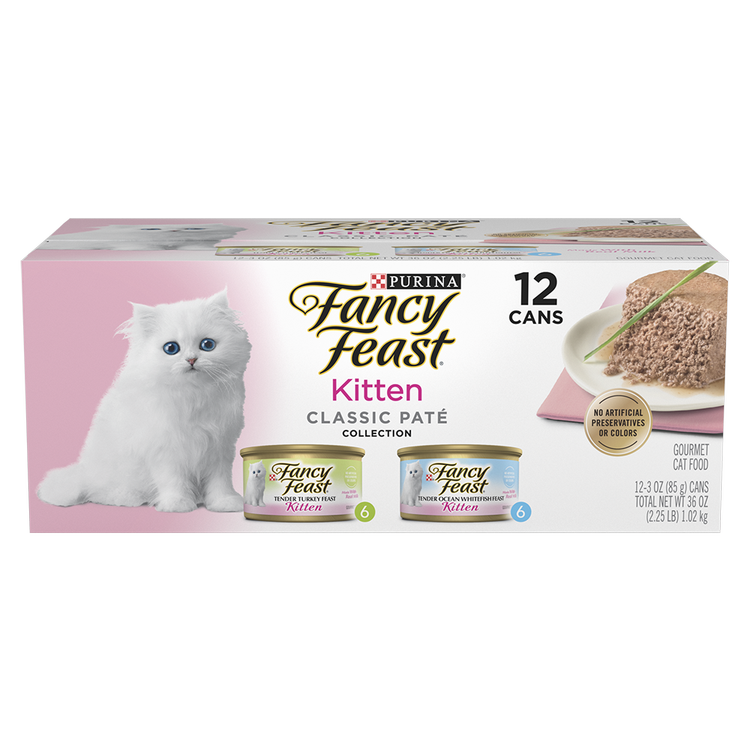
Select food made for kittens or growing cats. These contain higher protein and fat than adult cat food. Once your kitten reaches about 12 months, start mixing adult food. Gradually increase adult food over 7 to 10 days. Choose high-quality adult cat food with balanced nutrients. Look for brands that list meat as the first ingredient. Avoid foods with fillers like corn or soy. Provide fresh water alongside dry or wet food every day.
Credit: www.purina.com
Special Considerations
Special considerations play a crucial role in deciding when your kitten should switch to adult cat food. This decision isn’t just about age; it depends on factors that vary from one kitten to another. Paying attention to these details ensures your cat gets the right nutrients at the right time.
Breed And Size Variations
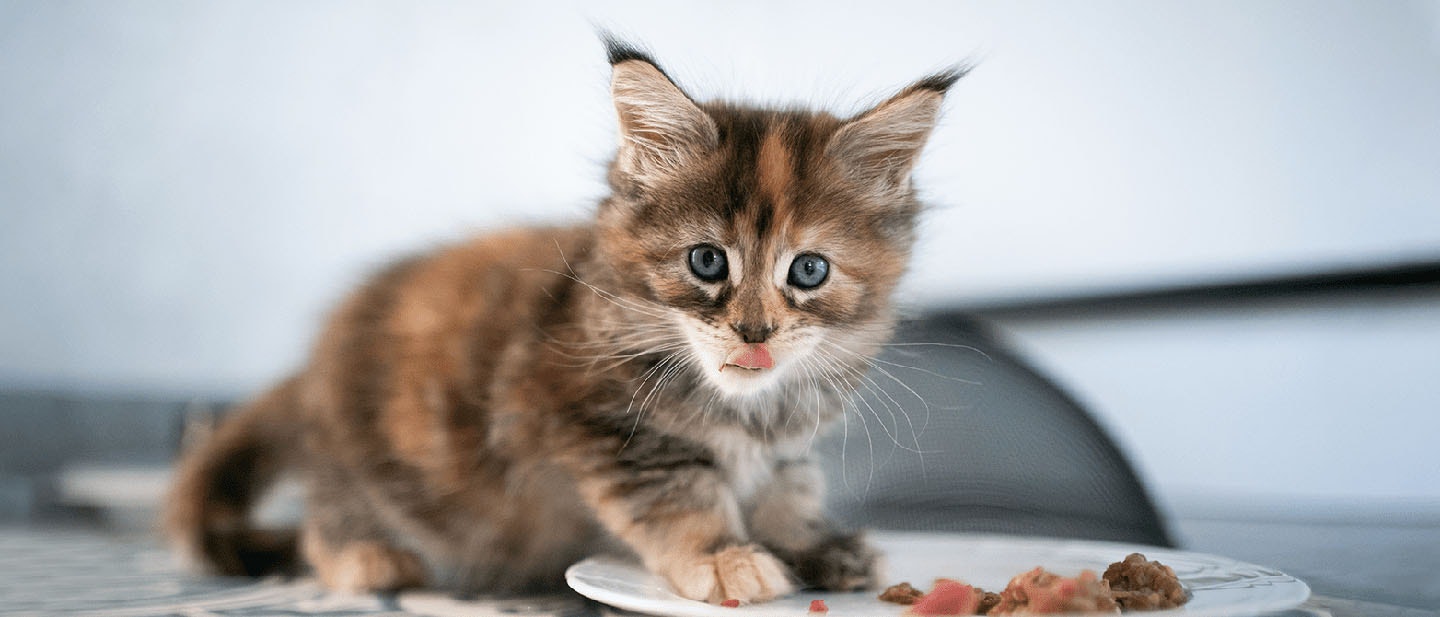
Different breeds grow at different rates. Larger breeds like Maine Coons often need kitten food longer than smaller breeds because they take more time to reach full size. If you switch to adult food too soon, your big kitten might miss out on essential nutrients needed for proper development.
Small breeds may be ready for adult food earlier, but you should still watch their weight and energy levels closely. Is your kitten growing steadily? Are they active and playful? These are good signs they’re ready for the change.
Health Issues Affecting Diet
Some kittens have health problems that affect their diet. For example, kittens with digestive issues might need special formulas even after the typical transition age. If your kitten has allergies or kidney problems, you should consult your vet before making any food changes.
Have you noticed your kitten losing weight or showing signs of discomfort after eating? These could be signals that their diet needs adjustment. Always factor in your kitten’s health condition, not just their age or breed, when deciding about adult cat food.
Credit: www.whiskas.com.ph
Frequently Asked Questions
When Can Kittens Start Eating Adult Cat Food?
Kittens can start eating adult cat food at around 12 months old. Before that, they need kitten-specific nutrients for growth. Transition gradually to avoid digestive issues.
Why Is Adult Cat Food Unsuitable For Young Kittens?
Adult cat food lacks essential nutrients and calories that kittens need. It may not support their rapid growth and development properly.
How To Transition Kittens To Adult Cat Food Safely?
Mix adult food with kitten food gradually over 7-10 days. Increase adult food amount slowly to help kittens adjust without stomach upset.
What Signs Show A Kitten Is Ready For Adult Food?
Kittens ready for adult food usually weigh about 9-10 pounds and are around 12 months. They have slower growth and less energy needs.
Conclusion
Kittens need special food to grow healthy and strong. Usually, they start eating adult cat food around 9 to 12 months old. Switching too early can cause stomach problems or poor nutrition. Watch your kitten’s size and behavior for signs of readiness.
Always introduce new food slowly to help digestion. Feeding the right food supports your cat’s long life. Keep your kitten happy and healthy by choosing the best diet. Small changes, big benefits. Your kitten will thank you!


Leave a Reply