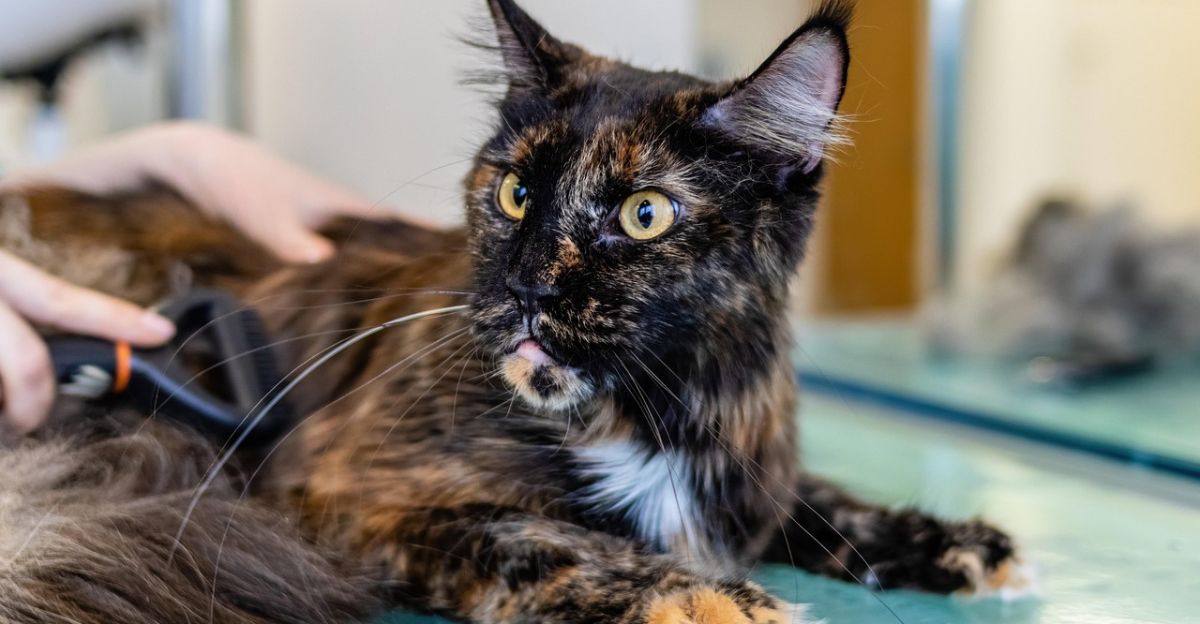
Getting your cat to groom itself can sometimes feel like a tricky task. You want your furry friend to stay clean, healthy, and comfortable, but how do you encourage this natural behavior?
If you’ve noticed your cat neglecting its grooming or struggling with tangled fur, you’re not alone. You’ll discover simple and effective ways to help your cat maintain a shiny coat and good hygiene. Keep reading, and you’ll find tips that make grooming easier for both you and your cat—leading to a happier, healthier companion.
Why Cats Groom
Understanding why cats groom themselves can help you encourage your feline friend to keep up this healthy habit. Grooming is more than just about looking clean; it’s a natural behavior rooted deeply in your cat’s instincts. When you know the reasons behind grooming, you can better support your cat’s needs and well-being.
Benefits Of Grooming
Grooming helps cats maintain a shiny and healthy coat by removing dirt and loose fur. It also controls parasites like fleas and ticks, which can cause discomfort or illness.
Besides physical benefits, grooming plays a role in reducing stress. When your cat licks its fur, it releases endorphins, which make them feel calm and happy.
Have you noticed your cat licking after a stressful event? That’s their way of self-soothing through grooming.
Natural Grooming Instincts
Cats are wired to groom themselves regularly. This instinct dates back to their wild ancestors who needed to stay clean to avoid predators and stay healthy.
Your cat’s tongue is uniquely designed with tiny, hook-like structures that act like a brush to clean and detangle fur. This natural tool is essential for keeping their coat in top shape.
Understanding this instinct can help you realize why cats may resist grooming from others at times. They trust themselves to do the job well but may need your help occasionally, especially if they have long fur or health issues.
Common Grooming Issues
Grooming is essential for your cat’s health and happiness, but sometimes issues arise that make it difficult for them to keep clean. Recognizing common grooming problems early can help you support your cat better. Let’s look at the signs that show your cat might be struggling with grooming and understand what causes these problems.
Signs Of Poor Grooming
Notice if your cat’s fur looks dull, matted, or greasy. These are clear signs they might not be grooming enough. You might also see an increase in shedding or bald patches where fur is missing.
Watch for bad odors coming from their coat or skin, which can indicate dirt buildup or infections. Your cat may scratch more than usual or seem uncomfortable when you touch certain areas.
Sometimes, cats with poor grooming habits develop dandruff or flaky skin. If you spot these signs, it’s a good idea to check their grooming routine and health status.
Causes Of Grooming Problems
Several factors can stop your cat from grooming properly. Pain or arthritis can make it hard for them to reach certain parts of their body. Older cats often struggle with this, just like my own senior cat who started avoiding grooming due to joint pain.
Skin conditions such as allergies, infections, or parasites can make grooming uncomfortable or painful. Your cat might avoid cleaning areas that itch or hurt.
Stress and anxiety can also lead to grooming issues. Changes in the home or introduction of new pets might cause your cat to neglect their self-care.
Lastly, obesity can limit your cat’s flexibility, making it tough to groom all over. Have you noticed your cat avoiding grooming after gaining weight? This could be why.
Creating A Grooming Routine
Creating a grooming routine helps your cat feel comfortable and cared for. Cats thrive on consistency and gentle handling. A regular routine makes grooming easier and less stressful for both of you.
Choosing The Right Tools
Select tools suited to your cat’s fur type and skin sensitivity. Soft-bristle brushes work well for short-haired cats. Long-haired cats need combs or slicker brushes to detangle fur.
- Use nail clippers designed for cats to trim claws safely.
- Choose grooming wipes for quick clean-ups between brushes.
- Have treats ready to reward your cat’s cooperation.
Test tools gently on your cat to find what they accept best.
Setting A Grooming Schedule
Pick a calm time each day or week for grooming. Short sessions of five to ten minutes work well. Watch your cat’s mood and stop if they get stressed.
- Brush short-haired cats once or twice a week.
- Long-haired cats need grooming three to four times weekly.
- Trim nails every two to three weeks to avoid overgrowth.
Stick to the schedule to build trust and keep your cat healthy.

Credit: www.purina.com
Encouraging Self-grooming
Encouraging your cat to groom itself is key to keeping it healthy and happy. Cats naturally groom, but sometimes they need a little motivation or support from you. Creating the right environment and offering engaging distractions can help your cat enjoy and maintain its grooming routine.
Maintaining A Clean Environment
Your cat’s surroundings play a big role in how often it grooms. A tidy, comfortable space makes your cat feel safe and relaxed, which encourages self-grooming.
Make sure to clean litter boxes frequently and remove any dirt or debris from areas your cat spends time in. Cats dislike mess and may avoid grooming if their space feels dirty.
Have you noticed your cat grooming less after a big mess or change? That’s a sign your cat’s environment affects its behavior more than you might expect.
Providing Stimulating Toys
Keeping your cat entertained can indirectly boost grooming habits. When cats are active and engaged, they tend to take better care of themselves.
Offer toys that mimic prey, such as feather wands or small balls, to encourage movement and play. After playtime, your cat will often pause to groom, helping keep its coat clean.
Try rotating toys regularly to keep your cat’s interest high. Have you seen your cat groom more after a fun play session? This simple trick can make a big difference.
Helping With Grooming
Encourage your cat to groom by gently brushing its fur daily. Use soft strokes to make grooming comfortable and enjoyable. Praise your cat to create a positive experience.
Helping with Grooming Grooming is an essential part of your cat’s well-being, yet not every feline takes naturally to it. Some cats adore a good brushing, while others may squirm away at the mere sight of a brush. It’s crucial to help them feel comfortable and relaxed during these sessions. By understanding the right techniques and tips, you can make grooming a pleasant experience for both you and your furry friend.Brushing Techniques
To help your cat enjoy brushing, start by choosing the right brush for their fur type. Short-haired cats benefit from a soft-bristle brush, while long-haired breeds might need a slicker brush to manage tangles. Begin with gentle strokes along their back, allowing your cat to get used to the sensation. Gradually work your way to more sensitive areas like the belly and legs. Always follow the natural direction of your cat’s fur to avoid any discomfort. If your cat shows signs of stress, pause and try again later. Consistent, short sessions can build their tolerance over time. Rewarding your cat with treats or affection post-grooming can also create positive associations.Bathing Tips For Cats
Bathing might seem daunting, but sometimes it’s necessary, especially if your cat has gotten into something messy. Use lukewarm water and a cat-specific shampoo to ensure safety and comfort. Before bathing, trim your cat’s claws to prevent scratches. Place a non-slip mat in the tub or sink to give your cat a secure footing. Wet your cat slowly, starting from the back, and avoid their face. Rinse thoroughly to remove all shampoo residues, then gently towel-dry. If your cat seems anxious, keep the bath short and sweet. A quick rub with a towel and a warm spot to dry off can often be enough. Remember, patience is key. Grooming doesn’t have to be a chore, and with time, your cat might just come to love these bonding moments. What tricks have you discovered to make grooming a breeze? Share your experiences in the comments!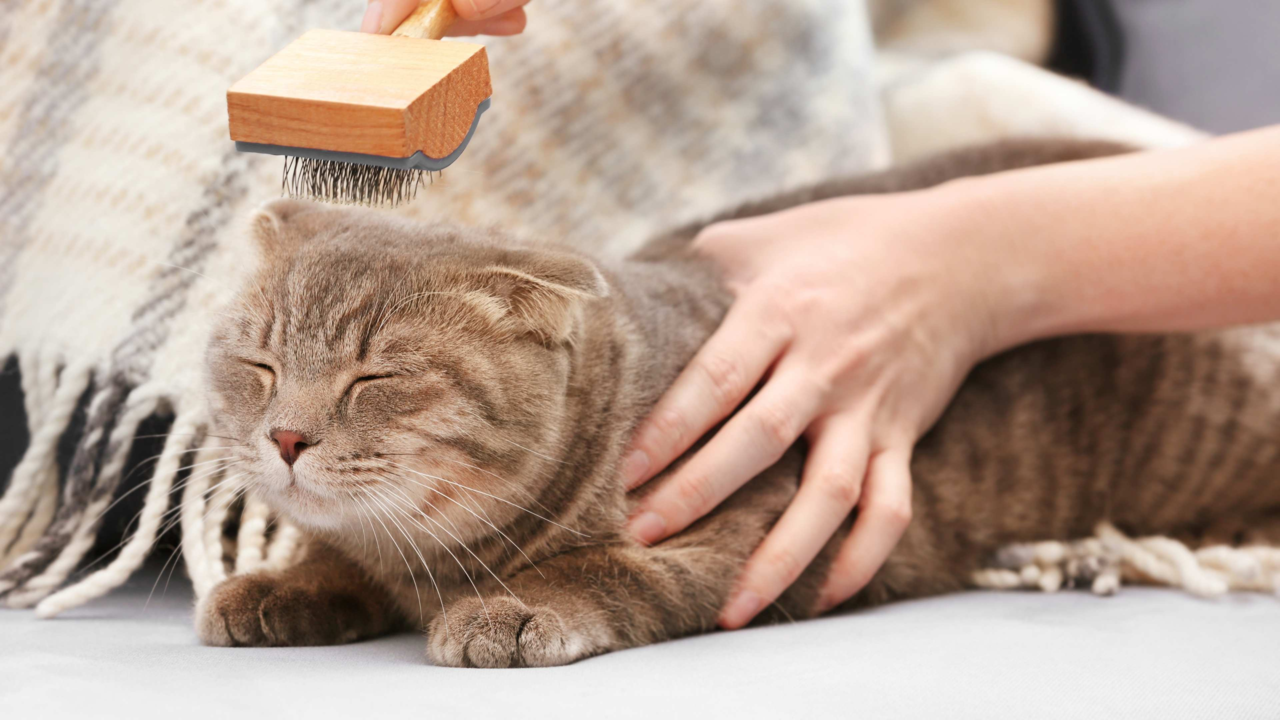
Credit: petdirect.co.nz
When To See A Vet
Knowing when to take your cat to the vet for grooming issues can save you from bigger health problems down the line. Cats are usually good at grooming themselves, so if you notice changes, it’s a sign to pay attention. Ignoring these signs can lead to discomfort or illness for your furry friend.
Health Issues Affecting Grooming
Sometimes your cat’s refusal or inability to groom is linked to health problems. Skin infections, allergies, or parasites like fleas can make grooming painful or irritating. Arthritis or dental pain can also stop your cat from reaching certain body parts for cleaning.
If your cat suddenly stops grooming or has patches of matted fur, check for redness, swelling, or signs of discomfort. These could signal an underlying health issue. You might notice your cat licking one area excessively or avoiding grooming altogether.
Ask yourself: Is my cat showing other symptoms like weight loss, lethargy, or changes in appetite? If yes, it’s time to see the vet. A professional exam can uncover hidden problems and start proper treatment before things get worse.
Professional Grooming Services
Sometimes your cat needs more than just your help at home. Professional groomers have experience handling difficult grooming situations, especially for cats that resist or have thick, tangled fur. They use tools and techniques that keep your cat calm and comfortable.
Professional groomers can also spot issues you might miss, like skin abnormalities or signs of illness. Regular grooming appointments can help maintain your cat’s coat and reduce stress for both you and your pet. If your cat struggles with grooming due to health or temperament, this can be a great support system.
Have you considered professional grooming to ease your cat’s discomfort? It might be the solution you didn’t know you needed.

Credit: www.petscare.com
Frequently Asked Questions
How Can I Encourage My Cat To Groom Regularly?
Create a calm environment and gently brush your cat daily. Use treats to reward grooming behavior. Regular grooming improves their coat and health.
What Tools Help My Cat Groom Effectively?
Use a soft-bristled brush or grooming glove suited for your cat’s fur type. These tools remove loose hair and prevent matting.
Why Does My Cat Avoid Grooming Sometimes?
Stress, illness, or pain can cause grooming avoidance. Observe behavior and consult a vet if grooming stops suddenly.
Can I Train My Cat To Groom Better?
Yes, with patience and positive reinforcement. Introduce grooming gradually, reward progress, and maintain a consistent routine.
Conclusion
Helping your cat groom takes patience and gentle care. Start small and praise your cat often. Use soft brushes and quiet spaces. Watch your cat’s mood and respect their limits. Regular grooming keeps your cat healthy and happy. It also builds trust between you and your pet.
Keep trying, and soon grooming will become a calm routine. Your cat will thank you with a shiny, clean coat. Small steps lead to big results in cat care.




Leave a Reply