Your squishy cat toy is your furry friend’s favorite playmate, but have you ever thought about how clean it really is? Dirt, germs, and grime can build up quickly, turning a fun toy into a hidden health risk.
You want your cat to stay happy and healthy, and that starts with keeping their toys fresh and safe. In this guide, you’ll learn simple, effective ways to clean your squishy cat toy so it stays soft, safe, and ready for endless playtime.
Keep reading—you’ll be surprised how easy it is to protect your pet with just a few quick steps.
Credit: www.fufusquishy.com
Why Clean Squishy Cat Toys
Keeping your squishy cat toys clean is more important than you might think. These soft toys often become a breeding ground for dirt, bacteria, and unpleasant odors. Cleaning them regularly protects your cat’s health and keeps the toys lasting longer.
Health Risks Of Dirty Toys
Dirty squishy cat toys can carry harmful germs that cause infections or allergic reactions in your cat. Cats love to chew and carry their toys everywhere, including their mouths. When toys are covered in saliva, dirt, or dust, bacteria multiply quickly, increasing the risk of illnesses.
Have you noticed your cat sneezing or scratching more around the face? It might be linked to dirty toys. Regular cleaning reduces the chance of your pet developing skin irritations or respiratory problems.
Maintaining Toy Longevity
Squishy cat toys can lose their shape and softness if not cleaned properly and often. Dirt and oils from your cat’s paws and mouth can break down the materials inside the toy. This makes the toy less enjoyable for your cat and may lead to it falling apart faster.
When you clean your toys, you remove these damaging substances and help preserve their texture and color. Have you ever noticed how a freshly washed toy feels almost new again? That’s because cleaning restores its original condition, saving you money on replacements.
Materials Of Squishy Cat Toys
Understanding the materials of your squishy cat toys can make cleaning them easier and safer. Different materials react differently to water, soap, and scrubbing. Knowing what your toy is made of helps you avoid damage and keeps your cat’s playthings in great shape.
Common Materials Used
- Polyurethane Foam:This is the soft, squishy core in many cat toys. It’s lightweight and squeezable, perfect for a fun texture your cat loves.
- Silicone:Some toys use silicone for a smooth, flexible feel. It’s durable and often easier to clean because it doesn’t absorb moisture.
- Fabric Covers:Many squishy toys have a fabric outer layer, like polyester or cotton. These materials add texture and color but can hold dirt and stains.
- Gel Fillings:Some toys are filled with gel beads or liquid for extra squishiness. These need gentle care to avoid leaks or damage.
Cleaning Considerations By Material
Each material needs a different approach for cleaning. Foam can break down if soaked too long, so quick surface cleaning works best. Using a damp cloth with mild soap usually does the trick.
Silicone toys handle water well and can often be rinsed or wiped down thoroughly. Avoid harsh detergents that might degrade the silicone over time. A gentle scrub with a soft brush can remove stuck-on grime.
Fabric covers can trap dirt and odors. Spot-clean with a mild detergent and air dry completely before giving it back to your cat. Machine washing may damage the squishy core inside, so it’s usually best avoided unless the toy’s label says otherwise.
Gel-filled toys require extra caution. Avoid immersing them in water; instead, wipe gently with a damp cloth. Check for any leaks before and after cleaning to keep your cat safe from exposure to the filling.
Simple Cleaning Methods
Keeping your squishy cat toy clean doesn’t have to be complicated. Simple cleaning methods can make a big difference in maintaining its softness and safety for your furry friend. Let’s look at two easy ways to get your squishy toy fresh and ready for playtime again.
Hand Washing With Mild Soap
Start by filling a bowl with lukewarm water and add a few drops of mild soap. Choose a gentle soap to avoid damaging the squishy material or irritating your cat’s skin.
Submerge the toy and gently squeeze it to help the soap penetrate inside. Avoid harsh scrubbing, which can break the surface or cause the foam inside to clump.
Have you noticed how your cat reacts to a freshly cleaned toy? Keeping it soft and clean may encourage more interactive play.
Using Warm Water Rinse
After washing, rinse the toy thoroughly with warm water to remove all soap residue. Soap left behind can cause your cat to lose interest or even develop allergies.
Squeeze the toy several times under running water until it feels clean and free of any slippery soap film. This step is crucial for keeping your pet safe and happy.
Do you let your cat inspect the toy after cleaning? Their curiosity can be a good indicator that the toy is ready for use again.
Credit: www.fufusquishy.com
Deep Cleaning Techniques
Deep cleaning squishy cat toys removes trapped dirt and bacteria. It refreshes the toy and keeps your cat safe. This process uses gentle but effective techniques. It reaches places regular cleaning misses. Using household items makes deep cleaning easy and affordable.
Soaking For Stubborn Dirt
Soaking loosens dirt stuck inside the toy’s crevices. Fill a bowl with warm water. Add a mild dish soap for better cleaning power. Submerge the squishy toy completely. Let it soak for 20 to 30 minutes.
After soaking, squeeze the toy gently to remove dirt. Rinse it well under running water. This removes soap and loosened grime. Repeat soaking if dirt remains. Air dry the toy fully before giving it back to your cat.
Using Vinegar Or Baking Soda
Vinegar and baking soda remove odors and kill germs. Create a cleaning solution using one cup of vinegar with two cups of water. Or make a paste with baking soda and water.
- For vinegar, soak the toy for 15 minutes.
- For baking soda, apply the paste on dirty spots.
- Let it sit for 10 minutes before scrubbing.
Use a soft brush to clean gently. Rinse the toy well to remove vinegar or baking soda. Dry the toy completely to avoid mold growth. These natural cleaners keep your cat’s toy fresh and safe.
Drying And Storage Tips
Allow the squishy toy to air dry completely to prevent mold and odor. Store it in a cool, dry place away from direct sunlight to keep its shape and color.
Cleaning your squishy cat toy is only half the battle. Once it’s clean, ensuring it’s properly dried and stored is crucial to maintain its quality and longevity. Let’s dive into some effective drying and storage tips that will keep your cat’s favorite toy in top-notch condition.Proper Air Drying
After washing, it’s essential to let the squishy cat toy dry thoroughly to prevent mold or mildew. Place the toy in a well-ventilated area, away from direct sunlight, which could cause colors to fade. A drying rack or a clothesline can work wonders, allowing air to circulate all around the toy. Avoid using a dryer or any heat source, as this can damage the toy’s material. Patience is key here—allow it to air dry naturally. A fan can expedite the process if you’re in a hurry.Safe Storage Practices
Once your toy is completely dry, it’s time to think about storage. Choose a cool, dry place to store your squishy cat toy. A dedicated basket or drawer can help keep it free from dust and pet hair. Consider organizing the toys with small bins or zip-lock bags, especially if you have multiple. This not only keeps them clean but also makes it easy to switch out toys, keeping playtime exciting for your feline friend. Think about how often you rotate your cat’s toys. Could a regular cycle of washing, drying, and storing make them last longer and keep your pet more engaged?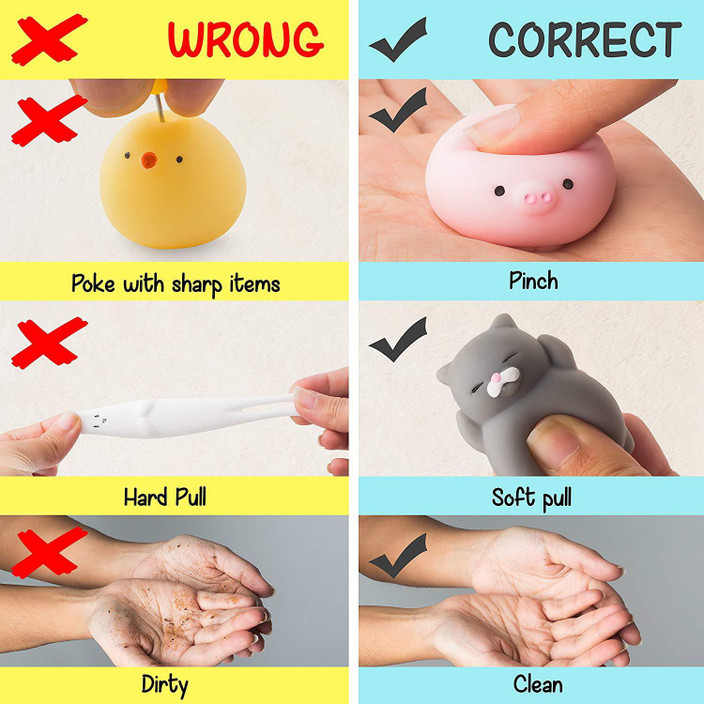
Credit: www.flipkart.com
Signs To Replace Squishy Toys
Knowing when to replace your cat’s squishy toy is key to keeping playtime safe and fun. Toys that look fine on the surface might hide damage that can harm your cat. Paying attention to clear signs helps you decide the right moment to swap the old toy for a new one.
Wear And Tear Indicators
Look closely at the toy’s surface. Is the squishy material cracking, peeling, or losing its softness? These signs mean the toy is breaking down and won’t bounce back as it should.
Check for holes or tears where the stuffing might be coming out. Even small rips can get worse quickly and turn into choking hazards.
Have you noticed your cat losing interest or pawing less at the toy? This could be because the texture or shape has changed, making it less appealing.
Health Concerns For Cats
Torn toys can release small pieces that your cat might swallow accidentally. This can cause digestive blockages or other serious health issues.
If your cat shows signs of irritation around the mouth or paws after playing, the toy could be contaminated with dirt or bacteria. That’s a clear sign to replace it.
Do you clean your cat’s squishy toy regularly? Even with cleaning, materials can degrade and harbor germs over time. It’s safer to replace worn toys than risk your pet’s health.
Frequently Asked Questions
How Often Should I Clean A Squishy Cat Toy?
Clean your squishy cat toy weekly to prevent dirt and bacteria buildup. Regular cleaning keeps it safe and fresh for your cat.
What Is The Safest Cleaning Method For Squishy Toys?
Use mild soap and warm water to clean squishy cat toys. Avoid harsh chemicals that could harm your pet or damage the toy.
Can I Machine Wash A Squishy Cat Toy?
Most squishy cat toys are not machine washable. Hand washing with gentle soap and air drying is the safest method.
How Do I Dry A Squishy Cat Toy After Cleaning?
Air dry the squishy toy completely before giving it back to your cat. Avoid direct sunlight to prevent material damage.
Conclusion
Cleaning your squishy cat toy keeps it safe and fun for your pet. Use gentle soap and warm water to wash it well. Dry the toy completely before giving it back to your cat. Regular cleaning stops dirt and germs from building up.
This simple care helps your cat enjoy the toy longer. A clean toy means happy playtimes and a healthy cat. Keep your pet’s favorite toy fresh with these easy steps. Small effort, big benefit.

Leave a Reply